








Last March, a mid-size ready-mix concrete producer in Ohio called me at 2 a.m. Their twin-shaft mixer had chewed through its wear liners three months ahead of schedule – 30,000 cubic yards early, to be precise. The aggregate they’d switched to was river gravel with a Los Angeles abrasion value of 38, far more aggressive than the limestone they’d been running. That single oversight cost them $11,400 in emergency liner replacement plus 26 hours of downtime during a highway bridge pour. The penalty clause on that contract exceeded the entire year’s maintenance budget for the mixer.
That’s how concrete batching plant operating cost leaks happen. Not in spreadsheets. On the floor, at 2 a.m., when something you didn’t account for meets something you can’t postpone.
What Actually Drives Operational Costs in a Batch Plant?
Most cost guides I’ve read online treat operational costs as three clean buckets: energy, labor, maintenance. That’s technically true and practically useless. The real cost structure of running a concrete batch plant is a tangled feedback loop where each bucket feeds the others. Underspend on maintenance, and your energy consumption spikes because a worn mixer draws more amperage per batch. Underpay for operators, and your rejection rate climbs because slump consistency drifts. Cut corners on plant equipment, and both repair costs and downtime multiply in lockstep.
Let me break down where the money actually goes – with numbers I’ve verified against plant audits across North America and East Asia over the past five years.
Energy Consumption: The Silent Budget Killer
Power Draw Per Cycle
A standard 60 m³/h wet batch plant pulls 150-200 kW during an active mixing cycle. The twin-shaft mixer alone accounts for 75-110 kW. Add 15-30 kW for the compressor (silo aeration, pneumatic gates), another 8-15 kW for conveyor drives, and 3-5 kW for the control system and dust collection. At an industrial rate of 0.12/kWh – what most U.S. Midwest producers pay – you’re looking at 2.50-$3.50 per cubic yard in electricity alone.
Then there’s the loader. A Cat 950 or equivalent burns 12-18 liters of diesel per hour feeding aggregate bins. Two shifts at 70% utilization? That’s roughly 1.00-1.50 per yard in loader fuel. Combined energy cost per cubic yard: 4.00-5.00 before a single bag of cement enters the concrete mixer to produce concrete.
Where Energy Leaks That Nobody Talks About
Here’s what I find in every plant audit: the mixer runs idle between batches for 40-90 seconds because the PLC logic isn’t optimized for cycle overlap. On a plant doing 400 yards a day, that’s 90 minutes of mixer runtime burning 90 kW for nothing. $160/month. Sounds small? Multiply across a year and it pays for a PLC programming upgrade.
Another leak: cement silo aeration running continuously instead of cycling. Aeration pads only need to fire during discharge. I’ve seen plants where a 200 timer saves 3,000-$4,000 annually in compressed air costs.
Dry batch plants trade lower plant-side energy consumption for a different cost profile – transit mixer drum wear is significantly higher, and you’re paying for mixing energy in truck fuel and drum liner replacement instead of plant electricity. It’s not cheaper. It’s a different bucket.
Labor Costs: The Variable You Can’t Automate Away Yet
Staffing Reality Check
A two-shift operation at a mid-size concrete batch plant needs, at minimum: one batch operator per shift (25-35/h fully loaded in most U.S. markets), a plant mechanic on day shift (28-40/h), a QC technician (22-30/h), and 2-3 mixer truck drivers per shift (24-32/h plus overtime). Plant size and automation level determine how many bodies you actually need. Add 28-35% burden for benefits, workers’ comp, and insurance.
For a plant running two shifts with three trucks, weekly labor lands between 8,000 and 12,000. Before overtime during peak season, when most plants push 55-60 hour weeks for drivers. Overtime alone can inflate annual labor costs by 18-22%.
Automation’s Real Payoff
A well-integrated Masana'antar haɗa siminti control system with moisture sensors and automated moisture compensation can cut the QC tech’s role from full-time to part-time, and reduce rejected loads from 3-4% down to under 1% – delivering consistent, high-quality concrete with fewer wasted yards. On a plant doing 200 yards/day at 140/yard, that’s 840-$1,120/week in saved concrete. The automation upgrade pays for itself in 14-20 months.
But – and this is the part vendors won’t tell you – automation only delivers return on investment if your operators are trained to use it. I’ve walked into plants where a $60,000 moisture control system sits in manual mode because nobody on the floor trusts the readings. The sensor is fine. The training wasn’t done. That’s a classic upfront-cost-without-payoff trap.
Plant Maintenance: Where Contingency Budgets Save Your Contract
Wear Parts Lifecycle – Real Numbers
Plant maintenance falls into two categories: routine maintenance (daily checks, minor adjustments) and planned maintenance (scheduled inspections, parts replacement for key plant components: mixer, conveyor, cement silos).
I keep these figures on a laminated card in my audit kit because every producer asks for them:
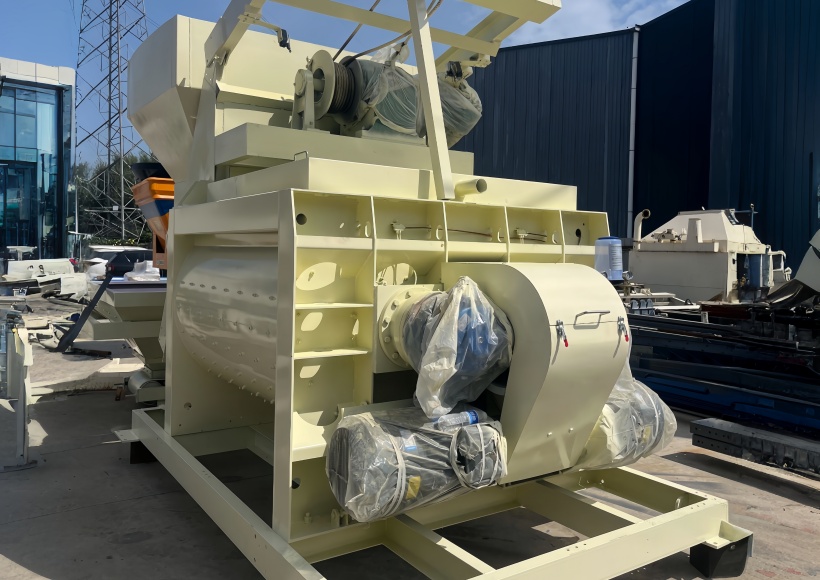
- Twin-shaft mixer liners: 80,000-120,000 yd³ with limestone. River gravel cuts that by 40-50%. Recycled concrete aggregate (RCA)? Another 20-30% off. Replacement: 8,000-15,000 per set.
- Conveyor belts: 2-3 years under normal load. 3,000-6,000 each. Tracking failure from a frozen idler can shred a belt edge in a single shift.
- Dust collector bags: 12-18 months. 2,000-4,000 per set. Ignore them and you’ll get a visit from the EPA, not just a maintenance bill.
- Mixer seal assemblies: 12-18 months. 1,200-2,800. A failed seal lets slurry into the bearing housing. That’s a 12,000 rebuild, not a 2,800 replacement.
- Silo aeration pads: 3-5 years. 500-1,200 per silo. When they fail, cement bridges and ratholes. Production stops. Men start rodding the silo with steel bars. I shouldn’t have to explain why that’s a bad day.
Planned vs. Unplanned: The 4:1 Ratio
Here’s a rule I’ve validated across dozens of plant audits: planned maintenance costs roughly 1 for every 4-$5 of unplanned maintenance it prevents. The math is brutal and consistent.
A scheduled liner replacement during a planned shutdown costs 11,400 and takes 8 hours. The same replacement during a failure event – emergency callout, expedited parts freight, idle trucks, rejected concrete in the mixer, contract penalty clauses – runs 28,000-$35,000 and kills 24-36 hours of production.
Your annual budget should allocate 1.5-2.5% of equipment replacement value to planned maintenance. A 1.2 million stationary concrete batching plant? That’s 18,000-30,000/year in scheduled work, plus a 30-40% contingency for unplanned events. Most plants I audit budget at 0.8-1.2%. They’re underfunding by half. Then they’re surprised when a 3,000 conveyor bearing failure costs them $15,000 in downtime.
The Predictive Maintenance Shift
Predictive maintenance – vibration analysis on mixer bearings, thermal imaging on motor junction boxes, oil analysis on gearbox lubricant – costs 8,000-15,000/year for a mid-size plant if you contract it out. It catches 60-70% of catastrophic failures before they happen. Plants that invest in it see unplanned downtime drop by 35-50% within 12 months. That’s not a vendor claim. That’s what my audit data shows, consistently, across 40-plus plant reviews – and it’s reshaping maintenance practices across the concrete production industry.
Mobile vs. Stationary: The Cost Equation Nobody Models Correctly
Everyone asks this question. Almost nobody models it right.
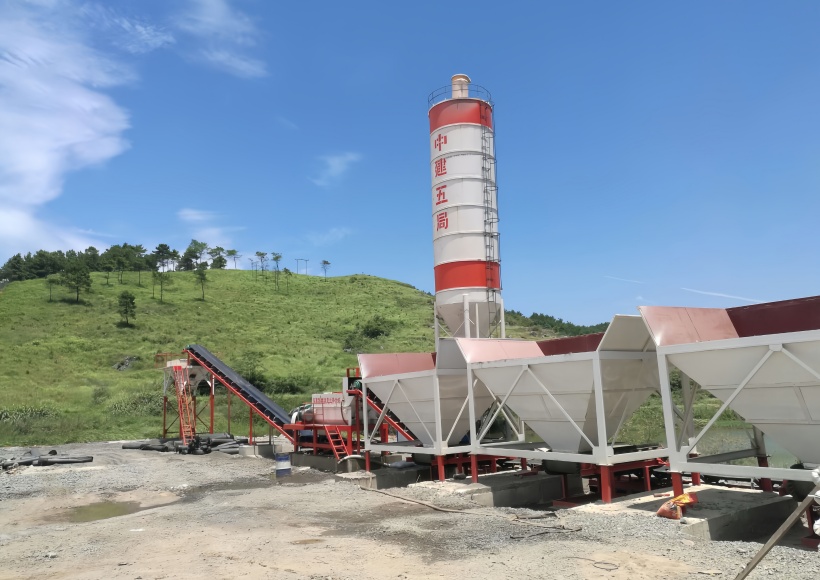
A mobile concrete batching plant has lower upfront costs – typically 40-55% less than a comparable stationary concrete batching setup. Site preparation is minimal. You can relocate it. These are real advantages for short-duration construction projects, remote sites, or when you’re bidding on work across multiple locations.
But the operating cost story flips over 18-24 months. Mobile plants have smaller cement silos (more frequent deliveries, higher per-ton cement costs), lower automation levels (more operator intervention, higher rejection rates), and less robust wear components. By month 24, a stationary plant’s higher production efficiency and lower per-yard operating costs have usually closed the gap. By month 36, the stationary plant is cheaper per cubic yard – and the gap widens from there.
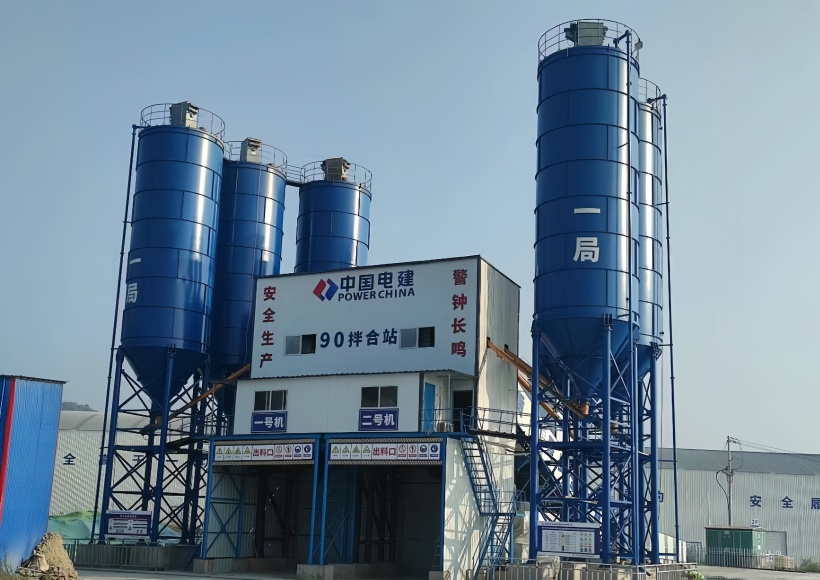
The decision isn’t “which is cheaper.” It’s “how many yards will this plant produce over its life, and from how many locations?” If the answer is one site, five-plus years, high-volume: a stationary concrete plant wins every time, especially for large-scale construction projects. Multiple sites, 6-18 months each, moderate volume: mobile is the right plant type. Get this wrong and your plant business bleeds money for years.
Cost Optimization: What Actually Moves the Needle
I’ve seen plants spend 40,000 on a new control system and save nothing because nobody retrained the operators. I’ve also seen a 900 conveyor guard modification prevent a $22,000 belt failure and save a bridge deck pour. Cost optimization isn’t about spending less. It’s about spending right – finding cost-effective interventions that deliver cost savings.
Three levers that consistently deliver measurable ROI:
- Moisture management. Aggregate moisture variation of 2% shifts your water-cement ratio enough to reject loads. A 12,000-18,000 moisture sensor system on aggregate bins pays back in 6-10 months through reduced cement overdesign and fewer rejected loads. This is the single highest-ROI upgrade I recommend.
- Cycle time optimization. Shaving 15 seconds off a 90-second batch cycle increases daily output by 8-10% with zero additional energy or labor cost. This is a PLC programming job, not a capital expenditure. Cost: 2,000-5,000. Payback: 2-4 weeks. Most producers don’t even know this lever exists.
- Spare parts inventory discipline. Keeping 8,000-12,000 in critical spares on-site – mixer seals, bearings, conveyor belts, PLC I/O cards, one complete set of wear liners – reduces unplanned downtime duration by 50-70%. The carrying cost of that inventory is trivial compared to the downtime it prevents.
Equipment selection matters too. I’ve advised several producers who went with Tongxin Inji when balancing initial capital investment against long-term repair costs – higher upfront costs for quality equipment often translate to lower concrete batch plant cost over a decade. The equipment you choose at the Masana'antar haɗa siminti level sets your maintenance trajectory. Choose for total cost of ownership, not purchase price.
Building an Annual Budget That Survives Reality
An annual budget for a mid-size batch plant should break down roughly like this:
- Energy (electricity + diesel): 28-32% of operating costs
- Labor (direct + burden): 35-40%
- Maintenance (planned + contingency): 18-25%
- Consumables (admixtures, dust collector bags, oil, grease): 8-12%
- Compliance and testing: 3-5%
These ratios hold for consistent concrete production across most plant configurations I’ve audited.
The contingency line for unplanned maintenance is the one most producers cut. It’s also the one that saves contracts. Budget it at 30-40% of your planned maintenance total. If you don’t use it, roll it forward. If you do need it, you won’t be calling me at 2 a.m. – which, based on my call log, is exactly when these things break.
Tambayoyi da ake yawan yi
1. What’s the realistic cost per cubic yard to operate a concrete batch plant?
Based on plant audits across North America, fully loaded operating costs (energy, labor, maintenance, consumables) range from 22-38 per cubic yard for a mid-size wet batch plant producing consistent concrete quality. Dry batch plants run 18-28/yd³ on plant-side costs but shift mixing costs to transit trucks. These figures exclude raw materials.
2. How often should mixer wear liners be replaced?
Twin-shaft mixer liners typically last 80,000-120,000 cubic yards with limestone aggregate. Switch to river gravel or RCA, and expect 40-60% shorter life. Inspect liner thickness quarterly; replace at 60% wear – don’t wait for failure.
3. What’s the payback period for automating moisture control?
A moisture sensor system on aggregate bins costs 12,000-18,000 installed. At 200 yards/day with rejection rates dropping from 3% to under 1%, payback runs 6-10 months. Plants with high aggregate moisture variability see faster returns.
4. Should I budget for predictive maintenance on a small batch plant?
Under 100 yards/day, regular maintenance and manual inspection routines are usually sufficient. Above 150 yards/day, contracted vibration analysis and oil sampling (8,000-15,000/year) typically pays for itself within the first catch of a single catastrophic bearing or gearbox failure.
5. How much should I keep in spare parts inventory?
For a mid-size plant, maintain 8,000-12,000 in critical batch plant equipment spares: mixer seals, bearings, conveyor belts, PLC I/O cards, dust collector bags, and one complete set of wear liners. This reduces unplanned downtime duration by 50-70% compared to ordering parts after a failure.