








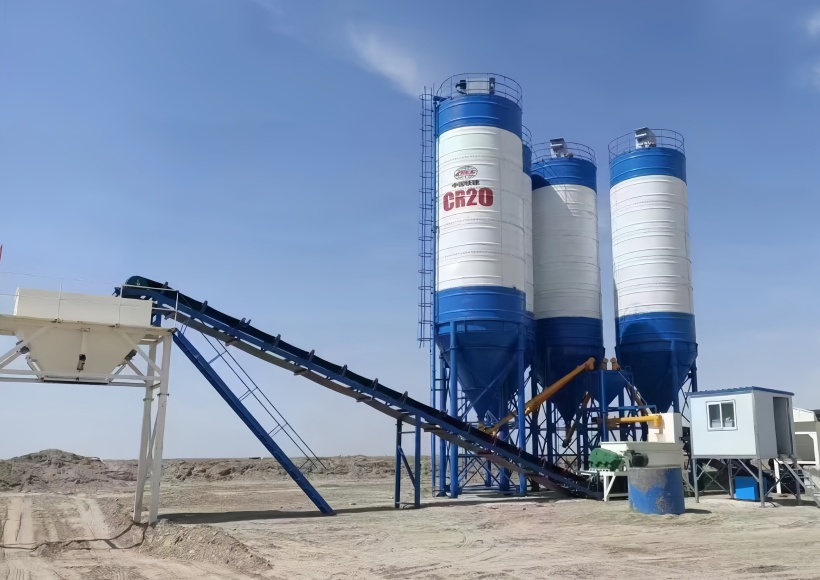
Shipping a fully welded, empty steel tank is basically paying top dollar to haul air across the country. That is the harsh reality for operators still relying on old-school storage tanks. When you bid on a job, you want your capital going into productive machinery, not into the pockets of heavy-haul trucking companies. Enter the modular design. If you are upgrading an aging facility or breaking ground on a new project, bolted storage changes the math entirely.
Engineered by top manufacturers like Tongxin Machinery (Cement Silo), these systems are built to solve the exact logistical and operational headaches that site managers face every single day. Let’s break down exactly why bolted systems are taking over modern concrete production and leaving traditional welded tanks in the dust.
1. Kills Overpriced Freight and Logistics Bills
The second you buy a welded silo, the logistical nightmare begins. You are dealing with oversized loads, specialized flatbed trailers, escort vehicles, highway patrol permits, and restricted travel hours. You bleed cash before the equipment even hits the dirt.
A modular cement silo arrives in pieces. It bypasses the entire heavy-haul industry. The curved steel panels are engineered to stack completely flat inside a standard 40-foot shipping container or on a regular commercial flatbed. For a typical concrete batching plant setup, this slashes delivery costs by a massive margin. You might fit two or three complete storage systems into a single shipment. You are buying the actual batch plant equipment, not paying for the freight company’s diesel.
2. Weekend Assembly on the Job Site
Construction projects run on brutal deadlines. Waiting weeks for fabricators to weld and test storage systems on-site kills your schedule and ties up your crane. Modular designs arrive ready to work immediately. The panels show up pre-drilled, pre-painted, and clearly labeled for your crew.
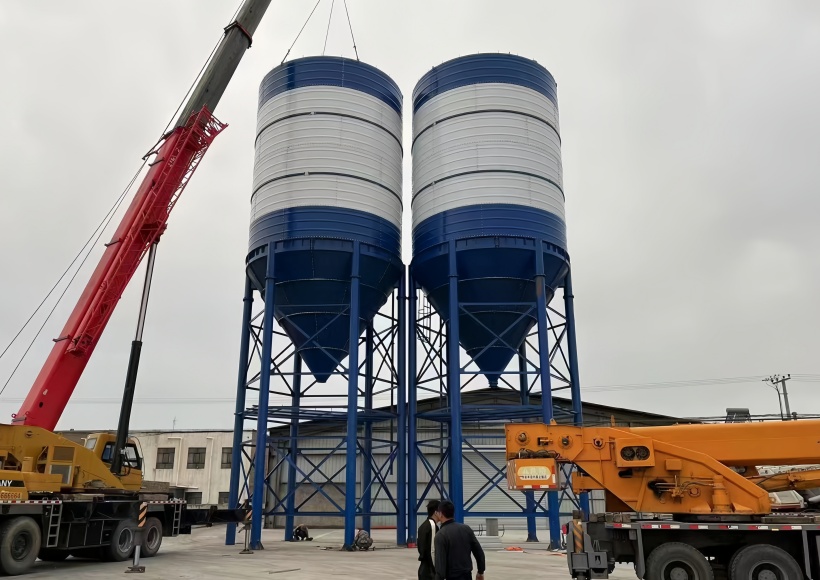
An experienced mechanical crew can assemble a high-capacity silo over a long weekend. The process is straightforward:
- You lay out the panels on the ground.
- Apply the industrial sealing strips.
- Bolt the rings together horizontally.
- Bring in the crane to stack and secure the sections.
It accelerates on-site concrete production immediately. You go from flat steel to a vertical storage solution in a fraction of the time it takes to build from scratch.
3. True Portability for Mobile Batching Operations
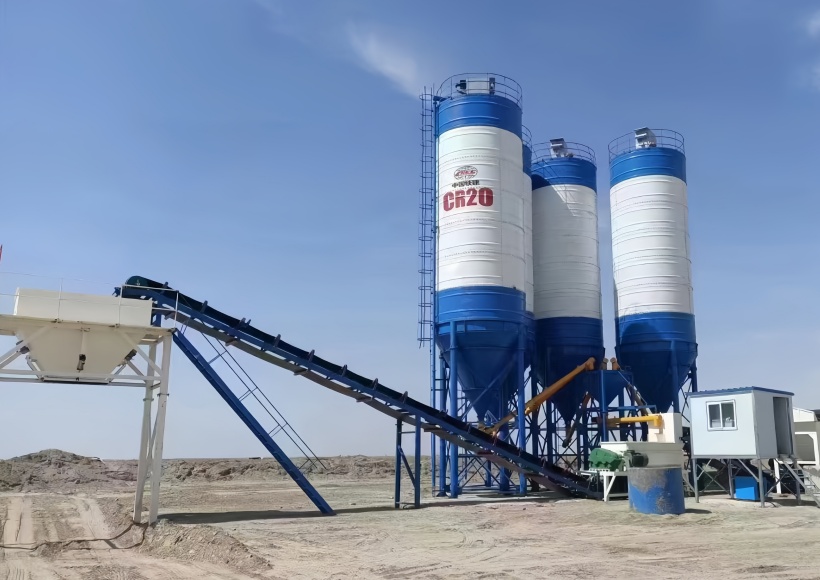
Winning a remote highway contract or a dam project often means setting up a mobile concrete batching plant in the middle of nowhere. When the pour is finished, you have to pack up and leave. You cannot drag a massive, 100-ton welded tank down a temporary dirt access road easily.
Bolted units tear down just as easily as they build up. When the job wraps, your crew unbolts the sections, loads them back onto regular trailers, and moves to the next location. It turns a massive fixed cost into a highly flexible asset. For contractors relying on mobile concrete setups, this portability is non-negotiable.
4. Zero Moisture Penetration in Bulk Storage
Water is the absolute worst enemy of bulk cement storage. A single roof leak or compromised seam allows moisture in, causing hydration. The powder hardens, blocks the discharge cone, and suddenly your entire mix concrete batching plant is shut down while guys with sledgehammers try to clear the blockage.
The bolted connections on a modern cement silo are over-engineered to prevent this. During assembly, crews apply thick, industrial-grade sealing gaskets and heavy mastic gum between every single overlapping steel plate. When the high-tensile bolts are torqued down, the mastic compresses and creates an absolute moisture barrier. This guarantees your bulk storage of cement and fly ash stays bone dry. Dry powder flows smoothly into the screw conveyors, preventing costly downtime.
5. Scalable Capacity for Growing Production Needs
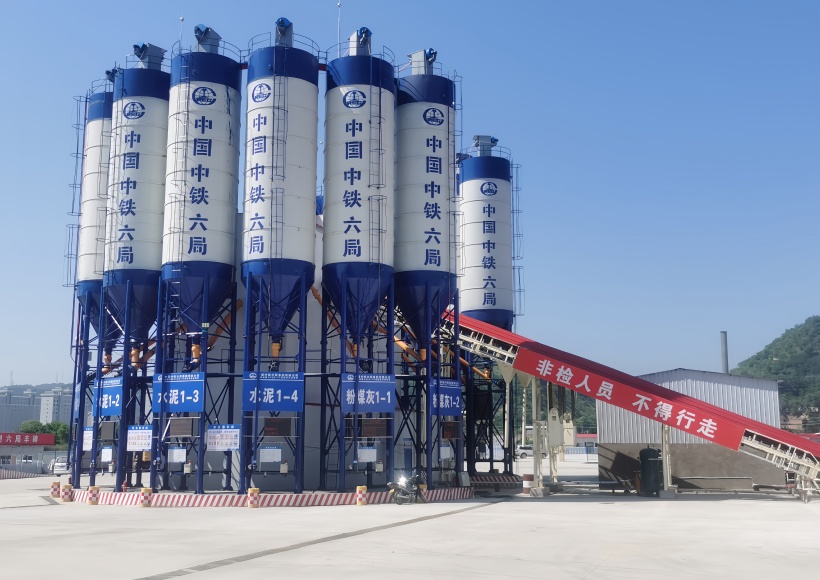
A mid-sized residential job does not require 200 tons of bulk powder sitting on site. But what happens next year when you land a large-scale commercial foundation pour? You need more material on hand. Modular storage systems allow you to adapt without buying an entirely new plant.
With many bolted designs, you can purchase and bolt on additional extension rings to increase the height and overall storage capacities of your existing footprint. Expanding your system means fewer delivery trucks causing traffic jams at the gate, and it guarantees your batching operations never run dry during a massive, continuous pour. You scale the equipment up exactly when the contract demands it.
6. Drops Perfectly Into Impossible Site Layouts
Urban job sites are notoriously cramped. You rarely have the luxury of open, flat acreage to lay down large machinery and maneuver 18-wheelers. Choosing the right silo configuration keeps you out of serious trouble with site planners.
Because the panels arrive packed flat, you do not need massive clearances just to maneuver the delivery truck into position. You bring the pallets in, assemble the rings vertically in a tight radius, and maximize your limited ground space. Whether you need towering vertical units to save square footage or horizontal cement silos to dodge overhead power lines, getting the right silo solutions installed in tight quarters keeps the whole site moving forward.
7. Locks Down Dust Emissions and Fines
Nobody wants the EPA or local environmental regulators showing up unannounced and shutting down their concrete production because of fugitive dust clouds. Every time a pneumatic tanker truck pumps bulk cement into a silo, it creates massive air displacement inside the tank. That air has to go somewhere, and it carries fine particulate matter with it.
A modular cement silo is built specifically with environmental compliance in mind. The roofs are reinforced and flanged to handle advanced, heavy-duty dust collectors. These top-mounted filtered vents catch the cement dust before it escapes into the atmosphere, dropping it back into the storage pile via vibration. This keeps your site compliant, protects your workers’ lungs, and stops neighbors from complaining.
8. Smooth, Consistent Feed for Automated Batching
If your powder bridges, arches, or rat-holes inside the discharge cone, your automated batching systems will throw low-weight errors. Your concrete consistency drops immediately, and truck loading times double. The interior geometry of a bolted silo is specifically engineered to promote mass flow.
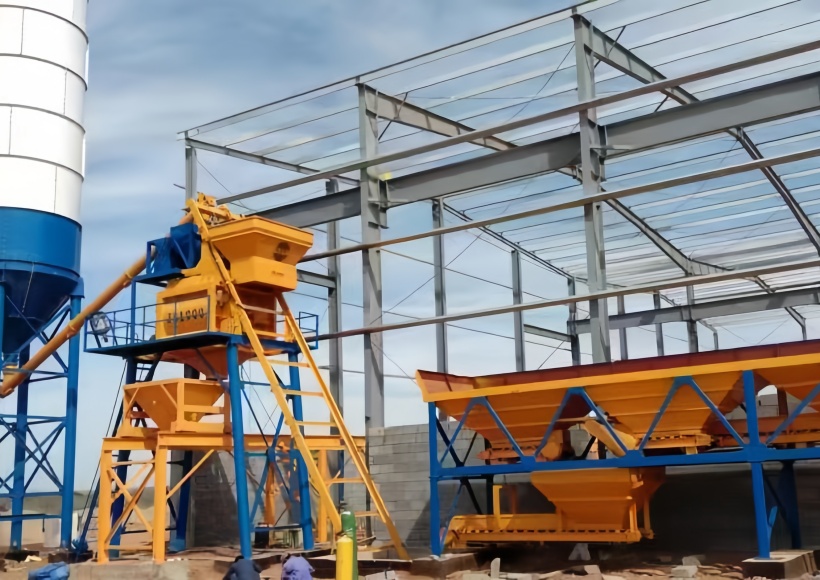
The steep angles of the discharge hopper, combined with ultra-smooth painted interior walls, push the material down evenly. Furthermore, these units are easily fitted with aeration pads and external vibrators. When engaged, they fluidize the bulk cement, ensuring it flows like water into the screw conveyor. This precise feed allows your batch plant to hit the exact weight range of cement required for every single load. You get error-free concrete and high-quality batches every time.
9. Factory-Grade Rust Protection That Actually Lasts
Field welding destroys paint. The extreme heat burns off protective coatings, fundamentally altering the steel and inviting aggressive rust at every single seam. Once a welded tank starts corroding from the inside out, it is nearly impossible to stop.
Modular panels bypass this problem entirely. They are manufactured, shot-blasted, and coated in climate-controlled factory environments. The heavy anti-corrosion finishes or galvanized layers are baked on uniformly before the parts ever see the outside weather. Because there is zero welding required during on-site assembly, that protective coating remains 100% intact. This drastically extends the life of the steel, ensuring your equipment safely holds its maximum production capacity for years without structural degradation.
10. Swap Damaged Parts Instantly
Accidents are a daily reality on heavy construction sites. A front-end loader backs into the support legs, or a crane operator swings a load of rebar into the side of the cone. With a traditional welded tank, you are calling in a specialized welding crew to cut out the mangled steel and patch it in the field. It is expensive and halts production.
One of the biggest advantages of concrete batching with modular units is extreme repairability. If a specific panel gets dented or compromised, you do not scrap the tank. You support the structure, unbolt that specific damaged piece, and bolt in a brand-new factory replacement panel. The concrete plant stays operational, and you avoid massive custom fabrication bills.
Frequently Asked Questions (FAQ)
Q1: How long does assembly take on site?
A standard 100-ton bolted unit usually takes a competent three-man crew about two to three days. You will need a crane for the final lifting and stacking. Take your time applying the sealing gum; rushing the seals leads to ruined powder.
Q2: Are bolted silos actually waterproof?
Yes, absolutely. Provided your crew installs them correctly. You must use heavy industrial sealant and rubber gaskets between every steel plate before tightening the bolts. This creates a total moisture barrier, keeping bulk materials completely dry in heavy rain.
Q3: Can I move the silo to a new job later?
That is the main reason contractors buy them. Remove the bolts, pack the steel panels flat onto standard flatbed trailers, and drive to the next site. You completely avoid the massive permit and escort costs of hauling a welded tank.
Q4: Do they work with mobile batch plants?
They are the industry standard for mobile setups. If your mixer is on wheels moving from job to job, your storage needs to be just as portable. They hook up directly to standard screw conveyors just like a permanent installation.
Q5: What kind of foundation do I need to pour?
You must pour a reinforced concrete pad. The exact depth and rebar specifications depend heavily on the silo size and your local wind loads. The manufacturer will provide the foundation blueprints. Always test your soil bearing capacity first.