








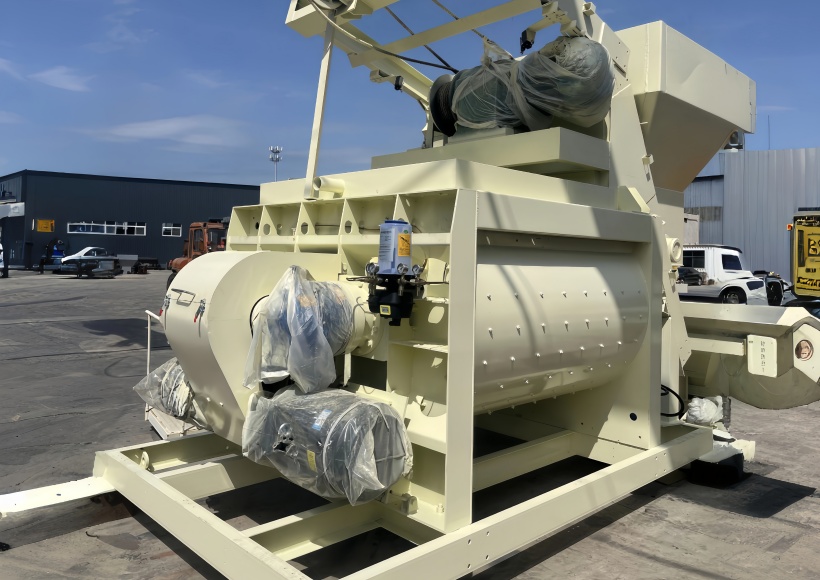
The JS1000 Concrete Mixer: Core Equipment Dictating Plant Survival
Walk past the dust control curtains at any heavy commercial concrete batching plant. Listen to the noise. You hear a very specific, deep, grinding rhythm. That is the sound of a twin shaft mixer tearing through rock, sand, and cement. When that sound stops, the entire operation dies. The trucks line up. The pours get delayed. You burn diesel and you burn cash.
Plant operators do not care about fancy marketing terms. They care about uptime. They need equipment that takes a severe beating every single shift and still drops a perfect payload. That mechanical reality is exactly why the js1000 concrete mixer dominates the industry. It is the absolute standard. Not because it looks good, but because it is engineered to survive the most abrasive manufacturing environment on earth.
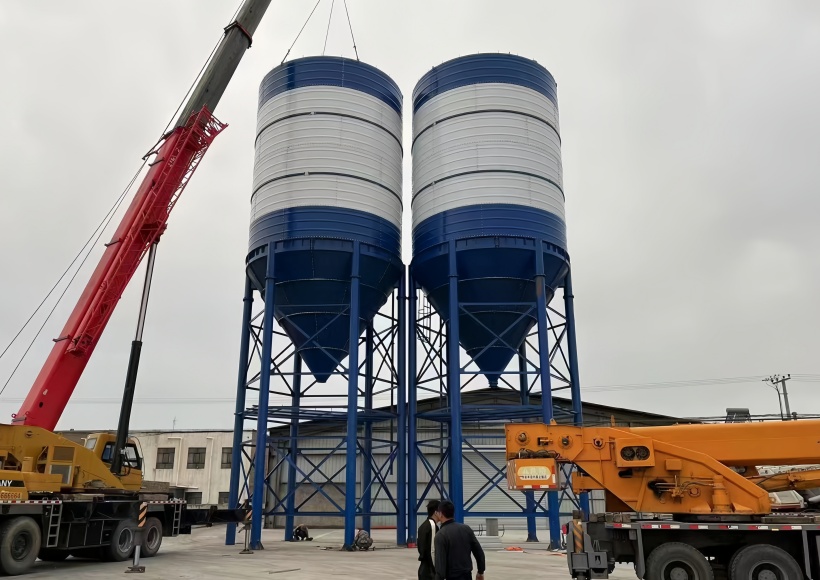
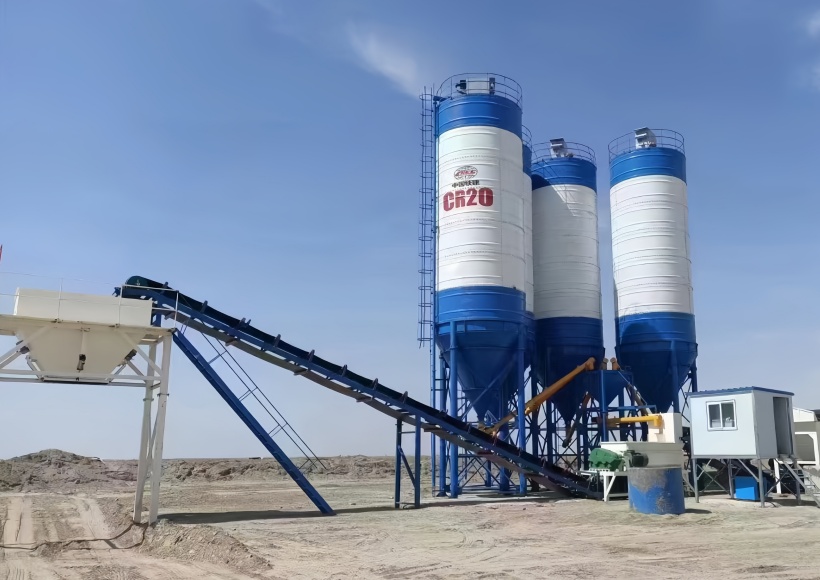
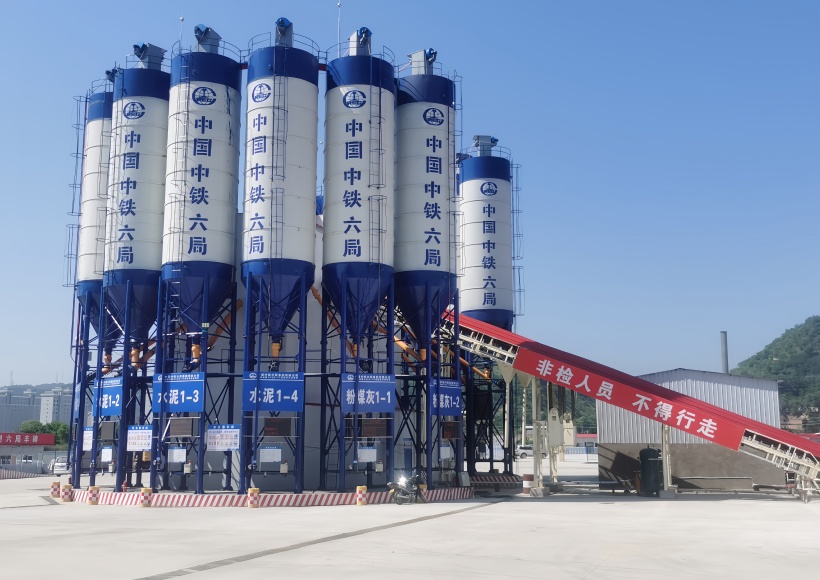
If you are setting up new production lines or replacing dead plant equipment, you build the layout around the mixer. Everything else—the silos, the belts, the screws—just feeds the beast. Let’s break down exactly why this specific twin-shaft machine holds the top spot.
Forgetting Gravity: The Brutal Reality of the Twin Shaft Mixer
Drop a standard drum mixer onto a high-volume site and watch it fail. Gravity drums just tumble materials. They lift rocks up and let them fall. That works for a backyard patio. It completely fails when you need absolute uniformity across hundreds of yards of commercial concrete.
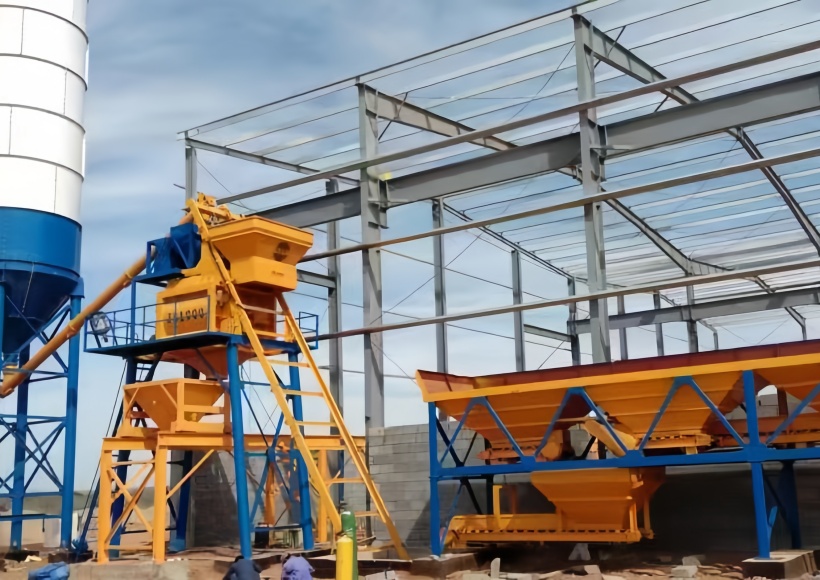
The JS1000 is a twin-shaft compulsory mixer. The word compulsory matters. It means the machine does not ask the materials to mix; it forces them to. Look inside the drum. You see two massive, solid steel horizontal shafts. They sit parallel. Bolted to these shafts are heavy cast-iron arms and mixing blades.
When you fire up the motors, those shafts counter-rotate. They spin in opposite directions. You drop your aggregate, cement powder, and water into that drum. The blades catch the material. They shear it. They squeeze it. They aggressively toss the heavy gravel across the center line between the two spinning shafts. It creates a violent, boiling motion.
This compulsory mixing method destroys cement clumps instantly. There are no dead zones. Within 30 to 45 seconds, the twin-shaft forced mixers turn raw dirt and powder into a perfectly homogenous concrete mix. Fast mixing speed is not a luxury. It is a strict requirement for profitability.
60 Cubic Meters Per Hour: Sizing the Concrete Batching Plant
Equipment sizing dictates your contract bidding power. The JS1000 rating is simple. It produces exactly 1 cubic meter of compacted concrete per batch. Do the math on a standard cycle. You weigh the materials, drop them in, mix for 45 seconds, and open the discharge gate. You can reliably cycle this machine 60 times in an hour.
That output makes this mixer the beating heart of an hzs60 concrete batching plant. 60 cubic meters per hour. That is the sweet spot for mid-to-large civil projects. Sometimes operators throttle the feed rate or extend mixing times for specialty mixes, dropping the plant classification to an hzs50 setup. But the core equipment remains the exact same.
A mixer this aggressive will starve if you do not feed it fast enough. You cannot run a series concrete batching operation without a high-speed batching machine.
For smaller setups, a pld800 aggregate or pld1200 aggregate bin might feed a js500 or js750 twin-shaft mixer. For massive dam projects, you might see a pld2400 aggregate system feeding a giant js1500 twin-shaft. But for the JS1000, the industry standard pairing is the pld1600 aggregate batcher. The PLD1600 holds enough sand and gravel in its hoppers to keep the belts constantly loaded. It weighs the rock fast enough to match the 1 cubic meter appetite of the mixer.
Accurate Measurement and the Control System
You can have the strongest mixer on the planet, but if you throw garbage in, you get garbage out. Concrete quality depends entirely on the control system.
Modern plant operators sit behind monitors running a fully automatic control setup. They select a mix recipe on a screen. The system takes over. It opens the pneumatic gates on the batching machine. It starts the cement screw conveyors. Accurate measurement is critical here. If the water scale overshoots by a few liters, the structural integrity of the high-strength concrete collapses. The core test fails. The inspector makes you tear out the slab.
The control system drops the exact, mathematically perfect ratio of materials directly into the active twin-shaft mixer. Watch the amp meter on the operator’s console. When the dry aggregate and water hit the spinning blades, the amp draw spikes violently. The motors strain against the sudden dead weight.
Then, over the next 20 seconds, the line flattens out. The amps drop and hold steady. That flat line tells the operator the mix has reached perfect fluidity. The uniform mixing is complete. The batch is ready to drop.
Application Scenarios: Handling Any Type Concrete
A stationary concrete mixing plant never runs just one product. A contractor might order a highly fluid concrete for a complex slip-form wall at 6 AM. By noon, a different crew needs a load of dry, stiff plastic concrete for highway paving. The mixing equipment has to handle both extremes.
This is why the JS1000 is widely used in various application scenarios.
Try mixing stiff, low-slump aggregate concrete in a drum mixer. The machine stalls. The twin-shaft compulsory action simply chews through it. The dual gearboxes provide immense torque. The blades break the mechanical friction between the crushed stones, forcing the cement paste to coat every single microscopic surface.
What about lightweight aggregate concrete? This is notoriously difficult to mix. The light weight aggregate wants to float on top of the water and cement slurry. Gravity mixers fail completely here. The js series twin shaft physically drags the floating aggregate down into the mud. It forces the light rocks to distribute evenly, guaranteeing consistent bulk density throughout the entire batch.
Component factories rely heavily on this capability. Precast concrete production requires brutal, stiff mixes. You need the molds to set fast. High-efficiency twin-shaft mixers handle these dry precast mixes effortlessly. Beyond standard building materials, the machine is perfectly suitable for mixing base stabilized soils, various mortar types, and heavy roller-compacted concrete used in water conservancy dams. It adapts to the type of concrete the job demands.
The Brutal Reality of Wear Parts and Long-Term Operation
Let’s talk about the ugly side of concrete production. Maintenance. Grinding crushed rock against steel for ten hours a day destroys metal. It is unavoidable.
Procurement managers know that the initial price tag of the mixer means nothing. The true cost hides in the failure rate and wear parts. Long-term operation requires a machine built for abuse.
Inside the mixing drum of a JS1000, you do not let the concrete touch the structural steel. The entire interior is lined with replaceable wear plates. These are cast from high-chromium iron. It is incredibly hard, brittle metal designed specifically to resist abrasion. The mixing arms and blades are cast from the same stuff.
When the plates eventually wear thin—and they will—you do not scrap the mixer. A mechanic climbs inside with an impact wrench, unbolts the worn liners, and bolts in a fresh set. This sacrificial liner system guarantees a massive long service life for the actual steel drum.
But liners are easy. The real plant-killer is shaft seal failure.
The two heavy shafts have to physically punch through the steel walls of the drum to connect to the drive motors on the outside. That penetration point is the weakest link. If abrasive cement grout pushes past the seals and enters the main shaft bearings, you are done. The bearings seize. The shafts snap. You face days of downtime and catastrophic repair bills.
Engineers at companies like Tongxin Machinery understand this specific pain point. They do not use cheap rubber gaskets. They equip their js series with a complex, multi-layer mechanical shaft sealing system. Furthermore, it is tied to an automatic lubrication pump. While the mixer runs, this pump constantly forces thick grease into the seal cavity. It creates a pressurized grease collar. The concrete cannot push past the grease.
When you source your core equipment, you have to look at these details. Buying a reliable Concrete Mixer from a proven manufacturer of concrete machinery ensures stable performance. It separates the plants that make money from the plants that are constantly shut down for bearing replacements.
Loading the Concrete Truck: Speed and High Efficiency
Mixing the mud perfectly means absolutely nothing if you cannot get it out of the machine. You have a fleet of transit trucks burning fuel in the yard. They need to load and leave.
When the batch is ready, the fully automatic control triggers a pneumatic cylinder at the bottom of the mixer. The discharge gate snaps open.
A gravity mixer slowly pours the concrete out. The JS1000 forcefully ejects it. The spinning blades act like shovels, actively scraping the drum clean and pushing the wet concrete down the chute. A full 1 cubic meter of material drops in seconds.
A standard concrete truck holds roughly 8 to 10 cubic meters. Because of the fast mixing speed and rapid discharge of the twin-shaft mixer, you can fully load that truck in under 15 minutes. The truck pulls away. The next one backs under the chute.
This high efficiency dictates the pace of the entire construction site. You eliminate bottlenecks at the plant.
Stable Operation and the Bottom Line
Running a commercial batching plant is not a theoretical exercise. It is a brutal, heavy industrial business. The efficiency of concrete production dictates your profit margin. You cannot afford rejected loads because your old equipment left dry pockets of sand in the mix. You cannot afford to send your mechanics into the drum every week to weld broken mixing arms.
The industry settled on the JS1000 twin-shaft compulsory mixer for a very simple reason. It works.
It provides the stable operation needed to satisfy high-volume contracts. It pairs seamlessly with the pld1600 batching systems. It delivers absolute uniformity whether you are producing high-quality concrete for a skyscraper foundation or a harsh, dry mix for a precast yard.
When the scale of the project demands relentless, reliable output, operators stop looking at alternatives. They buy the twin-shaft. They bolt it down. They start the motors and let it run.
Frequently Asked Questions (FAQ)
What is the exact output capacity of the JS1000?
It discharges 1 cubic meter per batch. In a standard setup, cycling every 60 seconds, it produces around 60 cubic meters per hour. Your actual output depends heavily on how fast your batching machine feeds the aggregate.
How do I prevent the main shaft bearings from failing?
Watch your automatic grease pump. It must run continuously during operation. It pressurizes the shaft seals with grease. If that pump fails, cement grout breaches the seal, enters the bearings, and destroys them. Daily inspection is mandatory.
Can it mix dry, harsh aggregate without stalling?
Yes. That is the exact purpose of compulsory mixing. The dual gearboxes provide massive torque. The staggered blades physically force the rocks and stiff cement paste to blend. It will not stall on low-slump mixes.
Which aggregate batcher matches this mixer best?
The PLD1600. It has the correct bin volume and belt speed to weigh and deliver the sand and gravel required for a 1 cubic meter batch without causing feed delays in your production line.
What is the daily cleaning procedure?
Do not let concrete dry on the blades. At the end of the shift, drop a partial load of water and coarse gravel into the drum. Run it for a few minutes. The gravel scours the cast iron liners clean. Discharge it, then hit the interior with a high-pressure hose.