








Forget the basic brochures. If your procurement team is evaluating plant manufacturers in 2026, you already know the stakes. Margins in heavy infrastructure are razor-thin right now. You aren’t just buying steel bins and a motor; you are investing in production capacity, uptime, and strict material tolerances. The global market for ready mix concrete is pushing equipment to the brink. State DOTs and private developers are demanding tighter water-cement ratio controls, faster project completion rates, and zero tolerance for inconsistent mixes.
Right now, the industry is split. You have massive legacy brands pushing highly standardized, expensive catalogs, and you have highly agile engineering firms offering custom automation retrofits. Navigating the top concrete batching equipment suppliers requires looking past the sales pitch and digging into the mechanical realities of load cell calibration, abrasive wear on mixer liners, and the actual return on investment when deployed on a muddy, unforgiving jobsite.
The Reality of Stationary vs. Mobile Deployments
Let’s get the biggest misconception out of the way. Everyone wants a mobile concrete batching plant because the idea of dropping a rig on-site in three days sounds great on paper. The reality? Mobile batching comes with heavy compromises in storage volume and long-term wear.
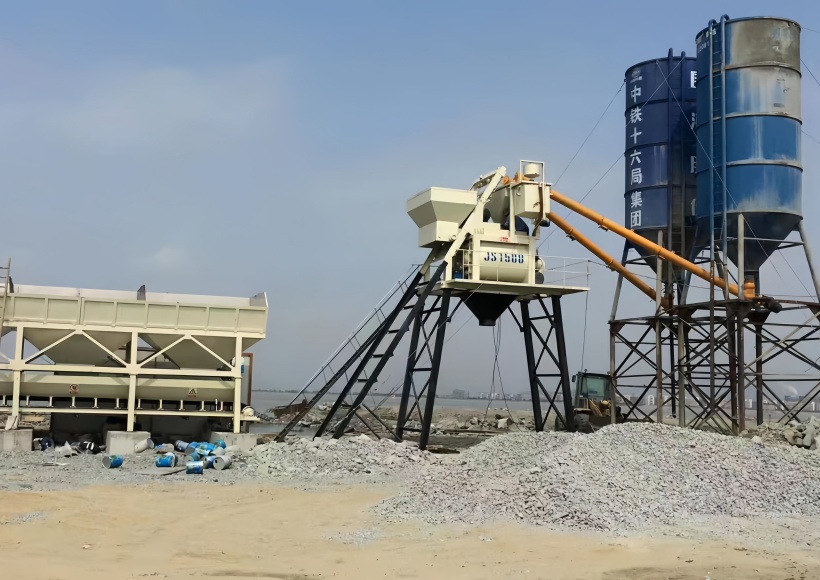
Stationary concrete batching plants remain the absolute backbone of commercial ready-mixed concrete operations. If your contract lasts longer than 18 months, pour the concrete foundation and build a stationary setup. These units handle the sheer brutal vibration of daily high-volume concrete production without shaking their own load cells out of calibration. They accommodate larger cement silos and massive aggregate bins, meaning you aren’t waiting on bulk delivery trucks three times a day to keep the operation running.
Conversely, compact concrete plants and mobile units serve a highly specific master: remote large-scale construction projects where trucking fresh concrete from a commercial center is financially disastrous. A well-designed mobile plant reduces transit time, ensuring the mix concrete doesn’t hydrate prematurely in the drum. However, configuring your Kiwanda cha kuchanganya zege layout to accommodate wheel-mounted chassis means you sacrifice bin capacity. You have to weigh the cost of constant material feeding against the savings in fleet transit.
Material Handling: The True Bottleneck
Amateur buyers obsess over the mixer. Veterans look at the material handling. You can have the most advanced twin-shaft mixer in the world, but if your conveyor keeps ripping or your pneumatic silo valves freeze, you produce nothing.
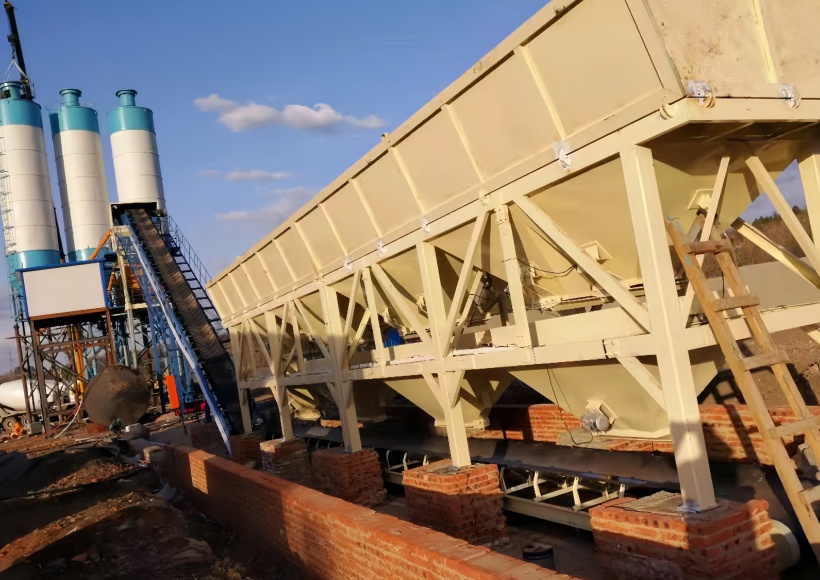
The size of the aggregate completely dictates your wear and tear. Crushed granite destroys cheap steel. When evaluating a plant manufacturer, look at the gauge of the steel in the aggregate bins and the specific lining they use in the discharge chutes. Furthermore, handling cement requires absolute precision. Moisture is the enemy. Cement silos must feature aggressive aeration pads and heavy-duty dust collection systems that actually work in high-humidity environments.
Automation is no longer an optional upgrade. The control system is the brain of the operation. Modern batching operations rely on SCADA systems that auto-correct for moisture content in the sand bin in real-time. If the sand is wet, the system automatically pulls back the water dosing. This is how you guarantee consistency and quality. You cannot rely on an operator staring at an amp meter anymore. Precision dosing of raw materials, including micro-dosing of chemical additives, is what separates a profitable ready mix supplier from one constantly dealing with rejected loads.
Evaluating the Heavyweights in 2026
The top-rated tier of concrete batching plant manufacturers in 2026 is a mix of established titans and specialized fabricators. Global players like Astec Industries and Sany Group continue to hold massive market share, largely due to their deep financing pockets and extensive domestic and international dealer networks. They excel when you need ten identical plants shipped globally.
European firms like Elkon and Meka remain aggressive in the modular concrete space, pushing pre-wired, pre-plumbed systems that cut down installation time. In the North American sector, companies like Stephens Manufacturing and JEL Manufacturing LLC maintain strong footholds with heavy-iron builds favored by legacy ready mix plants.
However, market growth is heavily favoring specialized providers who offer deeper customization without the massive corporate overhead. For instance, partnering with an equipment provider such as Tongxin Mashine often yields a faster engineering response time when you need a highly specific footprint or customized environmental enclosure. The mid-tier manufacturer of concrete equipment is currently driving the most aggressive innovation in reducing maintenance downtime. They are the ones putting easily replaceable bolt-in liners in their concrete mixers, rather than forcing you to weld inside a confined space.
Wet Mix, Dry Mix, and Precast Configurations
You have to align the machinery with the end product. Dry mix concrete plants (transit mix) are basically massive scales. They drop proportioned raw materials—aggregate, cement, and water—directly into a mixer truck. The actual concrete mixing happens on the road. It keeps the plant footprint small and the equipment costs low. But you surrender absolute quality control to the truck driver and the transit time.
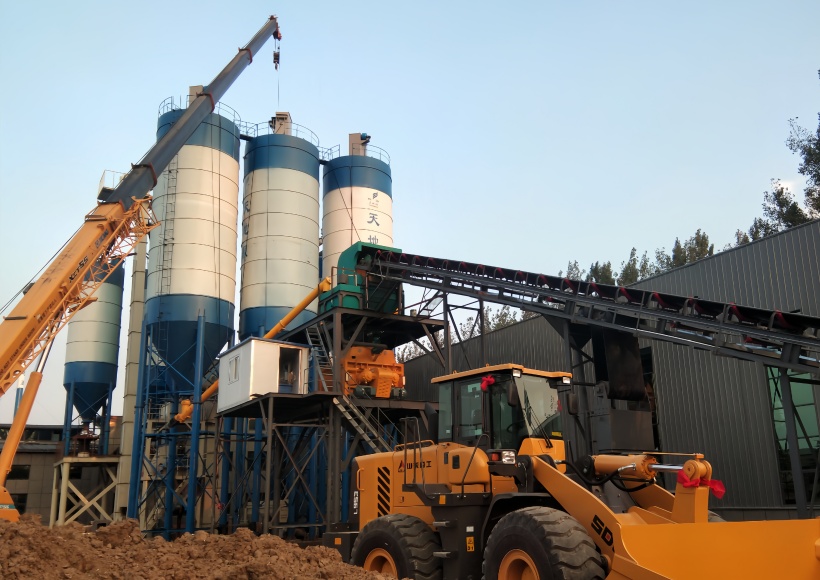
Wet mix plants, or central mix plants, change the game completely. Here, a central mixer on the tower combines everything. The plant discharges fully homogenous, wet, fresh concrete into the trucks. The advantages are massive. Central mix plants can churn out high-quality concrete at a blistering pace, often shrinking truck loading times from five minutes down to sixty seconds. This improving operational efficiency directly impacts the bottom line.
If your company is pivoting toward precast concrete products, a wet mix setup is mandatory. Precast yards require a level of precision that transit mixing cannot touch. You need planetary or twin-shaft mixers that completely disperse every single particle of cement and additive. Any inconsistency leads to structural weaknesses in precast beams or panels. Investing in a custom concrete batch plant tailored for precast means demanding sub-one-percent error margins on your cement scales.
The Shift Toward Modular and Compact Systems
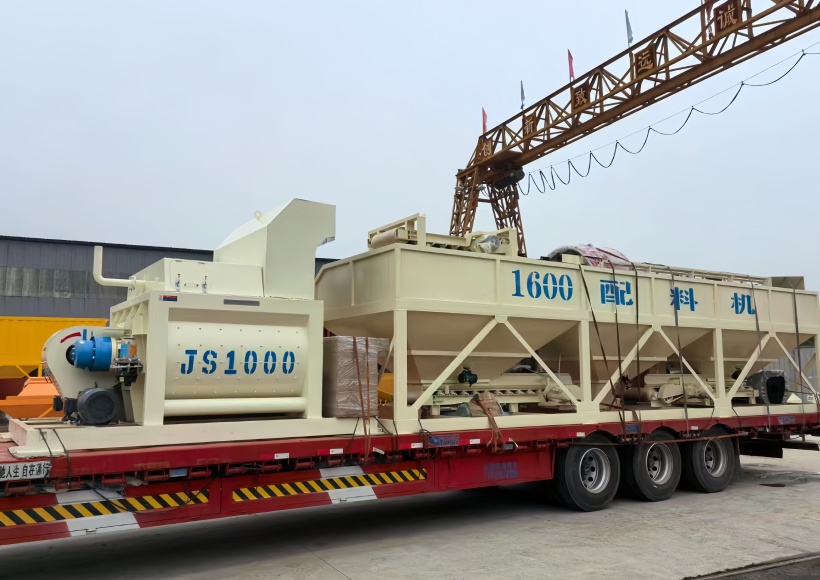
We are seeing a heavy push toward modular designs in 2026. Buyers are exhausted by six-week erection schedules. They want plug-and-play. Plant manufacturers are responding by containerizing their designs. The automation panels arrive fully wired. The pneumatic lines are pre-plumbed. You drop the modules onto the foundation, connect the main power, and you are basically ready to calibrate.
This advancement is crucial for urban construction projects where real estate is non-existent. Compact batching layouts allow contractors to squeeze a high-capacity production facility into an unused corner of a tight jobsite. Instead of long incline conveyors, these systems utilize vertical skip hoists to lift aggregate into the mixer, drastically reducing the physical footprint.
When sourcing these systems, pay close attention to the structural integrity. A skip hoist moving three tons of rock every two minutes puts immense dynamic load on the steel frame. You need the heavy-duty fabrication standard expected from Tongxin Mashine and similar specialized builders to ensure the tower doesn’t tear itself apart after a year of continuous use.
Looking Past the Purchase Order
The true cost of a plant isn’t the invoice price; it’s the cost of keeping it running. Products and services offered after the sale dictate your uptime. Do they use proprietary load cells, or off-the-shelf components you can buy locally? If the primary computer fails on a Tuesday morning, can the plant be run manually from a hardwired backup panel?
Many buyers get burned by purchasing an imported plant from a generic machinery co or manufacture co, only to find out that replacement proximity switches take three weeks to ship. The best batching plant manufacturers in 2026 offer remote diagnostic capabilities. Their engineers can log into your control system from across the globe, identify a stuck limit switch, and walk your site mechanic through the fix in ten minutes.
That level of support is what you are actually paying for. Whether you are upgrading aging stationary concrete batching plants to meet new environmental regulations or buying your first Kiwanda cha kuchanganya zege to vertically integrate your paving business, prioritize vendors who understand that equipment downtime is unacceptable. Look for thick steel, open-source automation hardware, and a track record of surviving the worst conditions imaginable. A reliable partner like Tongxin Mashine will focus on those operational realities rather than just selling you a shiny tower.
Maswali Yanayoulizwa Mara kwa Mara (FAQ)
Are mobile batch plants actually worth the higher initial price tag?
Only if your business model involves moving the setup at least twice a year. If you plan to leave it in one spot for over 18 months, don’t waste your money. Buy a stationary plant. Mobile rigs wear out faster because they sacrifice heavy-duty bulk for road portability.
Why do my batches keep failing the water-cement ratio tests?
It’s almost always your sand. If your control system doesn’t have real-time microwave moisture probes in the aggregate bins, you are just guessing. The operator ends up adding standard water amounts to sand that is already soaked from overnight rain, completely ruining the mix strength.
Should I buy a wet mix or a dry mix setup for a new business?
Start with dry mix if you are doing standard residential foundation work and have a tight budget. It’s cheaper to set up. But if you are bidding on DOT highways, bridge decks, or commercial high-rises, you have no choice. State inspectors usually mandate the tight tolerances of wet central mix.
How often do I actually need to calibrate the weigh scales?
Most guys wait until the state inspector shows up, which is a terrible idea. You should run a basic test-weight check every single month. Vibration shakes load cells loose. If your cement scale drifts even slightly, you are either giving away free cement or producing weak concrete that gets rejected.
Can I run a modern batch plant without a dedicated software engineer?
Yes. Modern SCADA systems are built for operators, not programmers. They look like simple touch-screen dashboards. However, make absolutely sure the manufacturer uses off-the-shelf PLCs (like Siemens or Allen-Bradley). If they use proprietary circuit boards and it fries, your entire operation is dead until they mail a replacement.