








Running a ready-mix yard is a brutal, high-stakes logistics game. You aren’t just mixing rock, water, and powder. You are battling time. Every single minute your mixer sits empty, waiting on a slow conveyor or a jammed silo gate, you bleed cash.
Let’s skip the textbook definitions. If you are managing a site, you already know what these machines do. What you actually need to figure out is why one operation pumps out 120 cubic meters an hour without breaking a sweat, while another struggles to hit 80 without tripping breakers or failing a slump test. We are diving deep into the trenches today to look at the unvarnished reality. Whether you are supplying massive infrastructure projects or pouring standard residential slabs, achieving consistent concrete quality doesn’t happen by accident. It requires a relentless, microscopic focus on minimizing bottlenecks. Let’s break down the core elements dictating your profitability, starting straight from the dirt you park your equipment on.
Factor 1: Site Conditions and Brutal Material Handling
Mud is the absolute enemy of production capacity. It sounds overly simple, right? But walk any struggling yard after a heavy rainstorm. You’ll see front-end loaders spinning tires, struggling for grip just to reach the aggregate bins. That wheel spin costs precious seconds. Those seconds compound into lost loads.
The factors affecting concrete batching plant output start with how fast you can move raw material. Your site conditions dictate everything. The distance from your sand and stone stockpiles to the feed hopper must be as short and unobstructed as geometrically possible. Are your aggregates segregated properly with heavy push walls? Cross-contamination ruins mix quality before the materials even hit the weighing belt.
Then you have to consider the climate and environmental factors. Wet sand changes your water-cement ratio drastically. If you aren’t using microwave moisture probes inside your storage bins, your operators are driving blind. They are just guessing at the water trim. A poorly maintained yard layout leads to blocked loaders, jammed conveyor systems, and material bridging in the hoppers. Fix the ground, organize the stockpiles properly, and watch your daily output naturally climb.
Factor 2: Choosing the Right Construction Equipment for the Contract
You can’t bring a knife to a gunfight. Deploying the wrong machinery caps your production efficiency from day one. Many contractors default to whatever plant for sale they find cheapest at the moment, completely ignoring their actual long-term project demands.
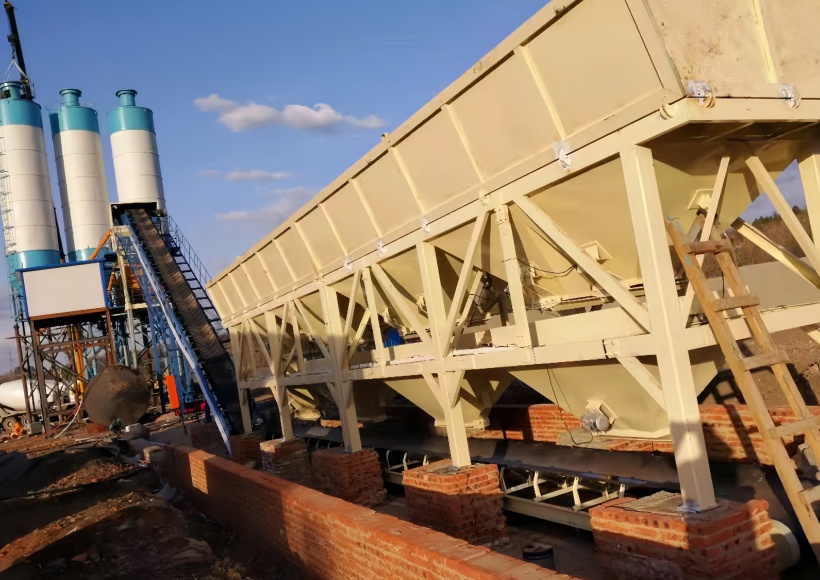
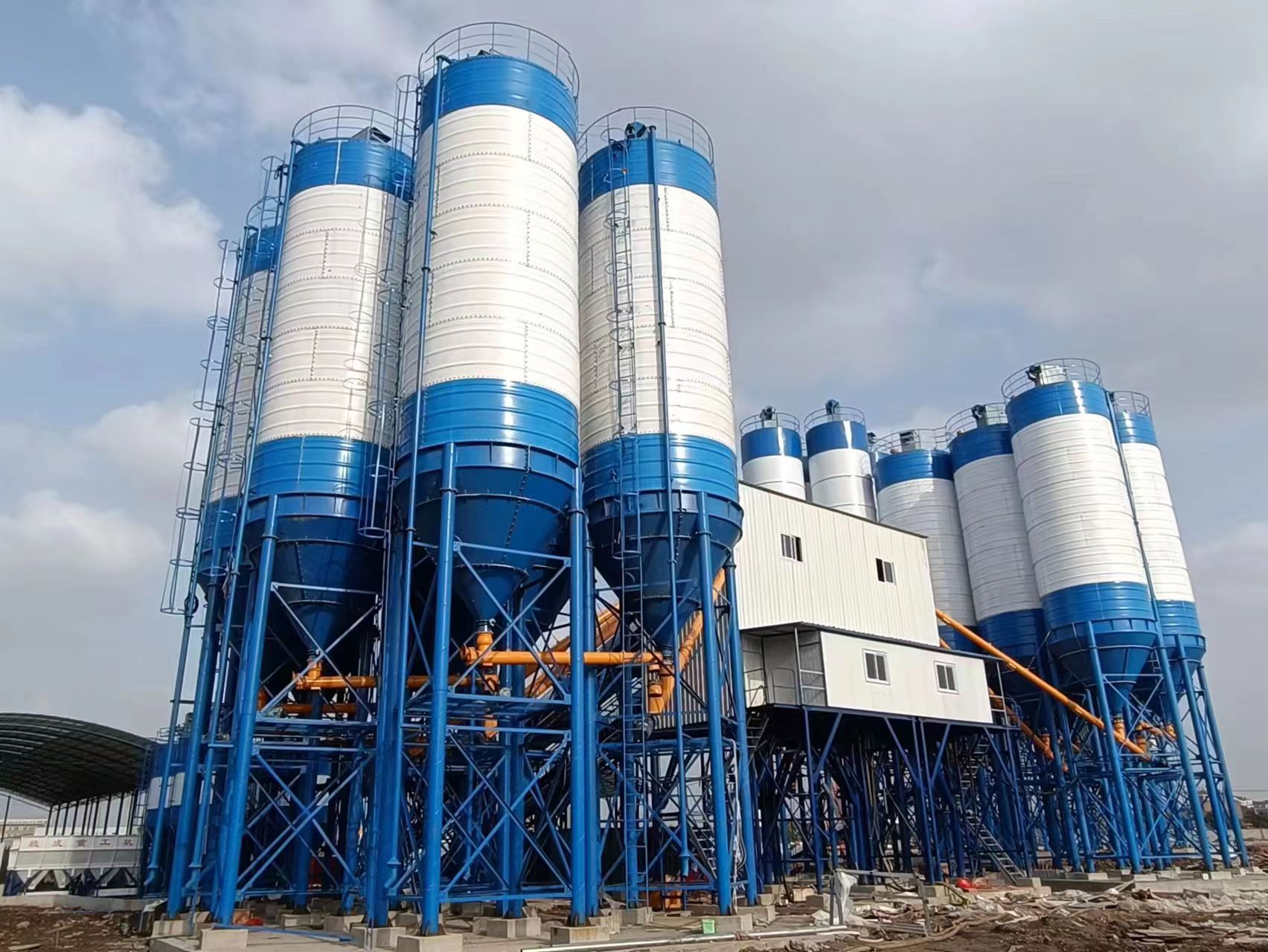
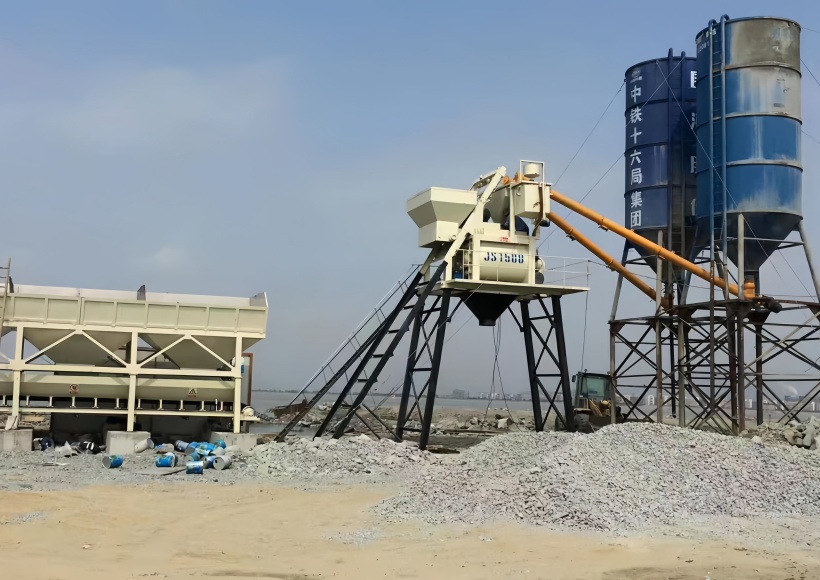
If you are setting up for a massive, multi-year dam or commercial foundation project, robust stationary concrete batching plants are your only real option. They offer massive silos, larger aggregate storage, and high-volume twin-shaft mixers that can take endless abuse. However, for highway paving where the site moves miles down the road every month, forcing a stationary setup means you will pay an absolute fortune for mixer trucks to haul the load. Here, a high-capacity mobile concrete setup drastically reduces transit time.
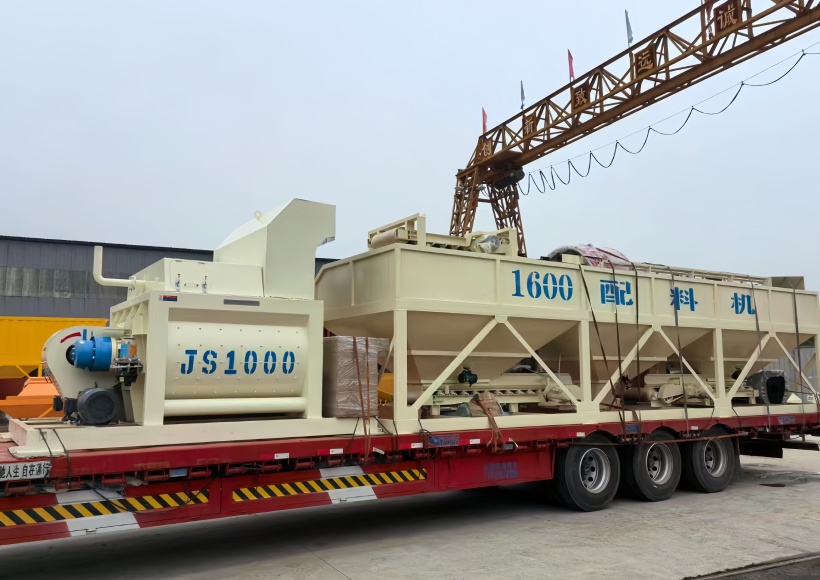
Quality matters immensely. Thin liner plates, cheap gearboxes, and underpowered motors will fail when you push them. This is why veterans lean heavily on proven manufacturers. For instance, when you source a robust Kiwanda cha kuchanganya zege, you aren’t just buying painted steel. You are buying guaranteed uptime. The quality of its components directly dictates how much severe punishment the machinery can take during high-demand summer pours.
Factor 3: Automation and Upgrading Your Control System
Manual batching belongs in a museum. If your operator is still manually feathering pneumatic gates with a joystick to hit target weights, you are wasting serious money. Modern batching plants live and die by the speed of their control system.
A fully automated PLC setup does significantly more than just speed up the batching process. It acts as a ruthless, mathematical gatekeeper for your concrete mixes. By taking the guesswork out of the equation, automated control panels drastically minimize human error. When a system is properly dialed in, it compensates for the “in-flight” or freefall materials automatically, snapping the gates shut at the exact millisecond required.
But let’s be realistic: smart technologies do not run themselves. Your operators require proper training. A sophisticated touch screen is entirely useless if the guy sitting in the cabin doesn’t know how to override the sequence when the cement is running hot or the aggregates and cement are clumping. Even top-tier systems—whether you are looking at typical Aimix concrete setups or highly bespoke custom panels—require a human who understands the mechanical why behind the automated clicks.
Factor 4: The Silent Thief – Calibration of Batching Load Cells
Want to know the absolute fastest way to completely destroy your profit margin? Start giving away free cement to every truck. That is exactly what happens when your weighing system drifts out of spec.
Calibration isn’t a tedious “once a year when the state inspector shows up” kind of chore. It is one of the most critical factors that affect financial health. Heavy vibration, thick dust build-up, and sudden impacts constantly mess with your sensitive load cells. If your cement scale is reading just 3% light, you are over-batching your most expensive raw material into every single truck that leaves the yard. Over a month, that financial loss is staggering.
To maintain consistent quality and protect your wallet, you have to establish a brutal, non-negotiable calibration schedule. Get your crew to hang certified test weights on the cement silos and aggregate scales regularly. Check for mechanical binding underneath. Sometimes a single stray piece of gravel wedged tightly under a weigh hopper throws off the entire batch. Fix the binding, reset the tare weight, and stop bleeding money.
Factor 5: Spare Parts Availability and Managing Downtime
Machines break. It is an unavoidable law of physics. Wear and tear is an absolute reality when you are grinding abrasive rocks, sand, and cement paste together twelve hours a day. The difference between a minor twenty-minute hiccup and a catastrophic three-day delay is spare parts availability.
If a main incline conveyor belt rips in half or a pneumatic discharge gate cylinder blows a seal, how long are you down? Sourcing replacement components from a reliable supplier is completely non-negotiable. This isn’t just maintenance; it is a strategic investment in your operational performance. You need critical spares sitting on your shelf in the tool room right now. Mixer blades, limit switches, solenoid valves, and spare load cells.
Partnering with the right OEM changes the entire game. When you work with a trusted industry name like Tongxin Mashine, you ensure that when things inevitably go south, exact-fit replacement parts are dispatched immediately. Waiting three nerve-wracking weeks for a generic bearing to ship from overseas will destroy your project timeline and infuriate your biggest clients.
Factor 6: Relentless Regular Maintenance Practices
“Run it till it breaks” is the mindset of a broke amateur. High-quality concrete demands high-quality, proactive upkeep. A poorly maintained yard is just a ticking time bomb waiting to fail during your biggest pour of the month.
Let’s talk specifics. Your twin-shaft mixer needs intense daily attention. Are your guys actually climbing in there (safely locked out, of course) and chipping out the hardened concrete build-up at the end of the shift? Or are they just spraying it lazily with a hose and going home? Heavy build-up drastically reduces mixing efficiency, ruins the blade pitch, and eventually burns out the main drive motor.
Grease is incredibly cheap; unexpected downtime is wildly expensive. Adhere rigidly to a strict maintenance schedule. Check the gear oil levels in the planetary drives. Inspect the tension and tracking on the main conveyor. Catching a slightly frayed winch cable today prevents a catastrophic hopper drop tomorrow. When you spend capital on a premium Kiwanda cha kuchanganya zege, you have to protect that investment fiercely.
Factor 7: Dust Control and Environmental Regulations
Gone are the days when a batching yard could operate in a perpetual, choking cloud of grey dust. Environmental regulations are tighter and more aggressive than ever. Getting hit with a cease-and-desist order by the local environmental agency halts your continuous operation to absolute zero instantly.
Proper dust control is directly linked to your overall production efficiency. Why? Because excessive airborne dust destroys machinery. It aggressively eats through exposed bearings, clogs the ventilation fans on your expensive control panels, and coats optical sensors, leading to constant false readings. Modern concrete production requires robust, actively maintained dust collection systems at the mixer discharge point and atop all cement silos.
If the filter bags on your silo tops are plugged solid, the pneumatic blower trucks will pop the safety pressure valves, creating a massive environmental nightmare. Working with experienced builders like Tongxin Mashine ensures you are utilizing modern, corrosion-resistant silo filters and proper venting. Beyond just dust, consider your water management. Reclaiming greywater and separating washout not only keeps your yard legally compliant but also drastically saves money on the total materials used.
Ultimately, maximizing your output isn’t about finding a single magic trick. It’s about tightening the screws across the board. Whether you need a massive upgrade or just a rock-solid, enclosed Kiwanda cha kuchanganya zege to anchor a new location, start with reliable equipment and train your people hard. Fix the small leaks, keep your scales honest, and the daily production targets will take care of themselves.
Maswali Yanayoulizwa Mara kwa Mara (FAQ)
Why is my plant’s hourly output suddenly dropping?
Check your material flow first. Wet, sticky sand clinging to the aggregate bins slows down the weighing process massively. Also, inspect your pneumatic system. A drop in air pressure means your discharge gates open slower, stealing precious seconds from every single batch cycle.
Stationary vs. mobile: which is actually better?
Neither is “better” universally. It depends entirely on your contract. Stationary plants give you massive volume and high storage capacity for long-term sites. Mobile setups trade that raw volume for flexibility, letting you chase highway jobs without paying a fortune for a fleet of mixer trucks.
How often do I really need to grease the mixer bearings?
Every single day of operation. Don’t skip it. The seals on a twin-shaft mixer are fighting against highly abrasive cement paste constantly. A few pumps of the grease gun purge the old junk out and keep the slurry from eating your expensive main shaft bearings.
My cement scales are drifting constantly, what’s the fix?
First, check for physical binding. Look for rocks wedged under the hopper or rigid pipes pulling on the scale. Next, clean the dust off the load cells. If it still drifts, the cells are probably shot from vibration fatigue and need immediate replacement to stop wasting material.
Can I run a plant efficiently with just one operator?
Yes, but only if your automation is dialed in perfectly and your material handling is flawless. A solo operator needs an advanced control system and cameras everywhere. If they have to constantly leave the cabin to smack a clogged sand bin with a hammer, your productivity tanks.