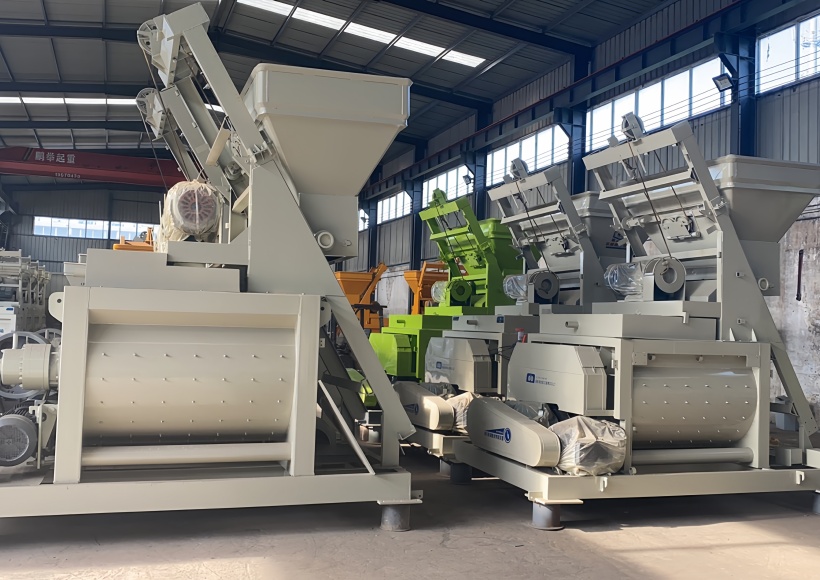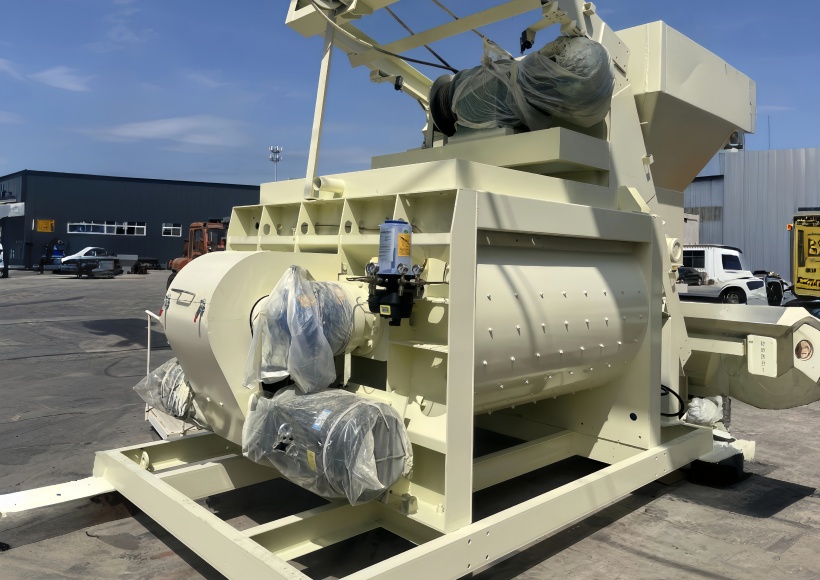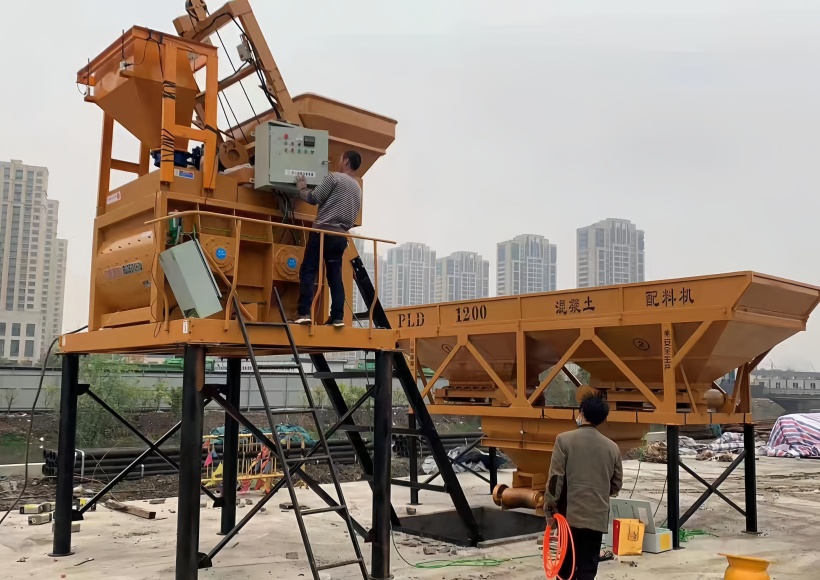









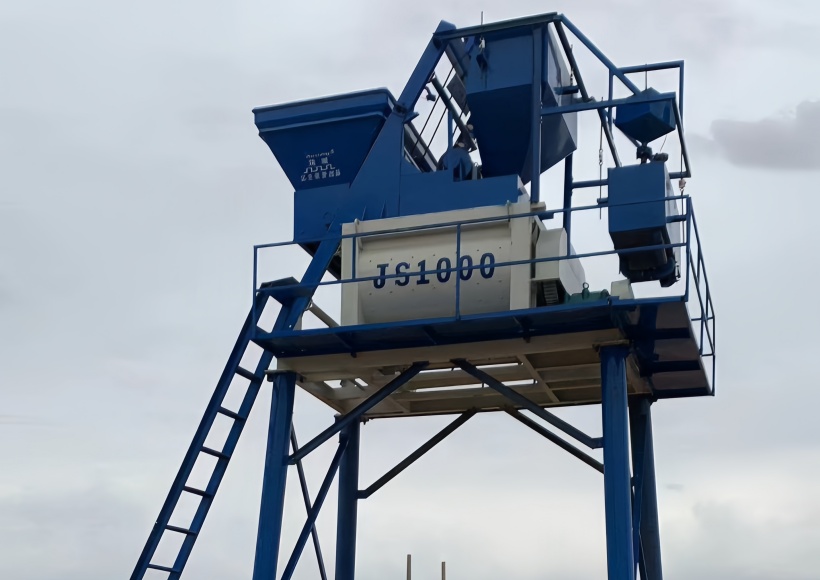
Look, if you are running a massive infrastructure site, your biggest headache isn’t usually the weather or the labor force. It’s the concrete mix. If your batching plant slows down or starts throwing out inconsistent batches, the entire construction project grinds to a halt. I’ve spent over fifteen years dealing with heavy concrete machinery out in the dirt. People always ask me what the “secret” is to maintaining a continuous concrete supply without driving yourself crazy.
There is no secret. You just need the right mixing equipment. And for large-scale construction, that usually points straight to a heavy-duty twin-shaft setup.
Stop Wasting Time: Why Concrete Mixers Are Essential Machines for Huge Sites
Let’s get the obvious reality out of the way: concrete mixers are essential. But not all mixers are created equal, and bringing the wrong gear to a massive job is a rookie mistake. When you are pouring foundations for commercial high-rises or tackling miles of road construction, a standard electric mixer or a fleet of small mobile mixers just won’t cut it. You need massive volume, and you absolutely need quality concrete. Every single batch has to be identical to the last one.
In modern construction, concrete batching is a high-stakes, high-pressure environment. A single rejected batch can cost thousands of dollars in delays, wasted materials, and testing disputes. That’s exactly why the stationary mixers sitting at the heart of your concrete batching plant are so heavily scrutinized by engineers. The mixing process must be violent and aggressive enough to handle tough, dry aggregate, but fast enough to keep the transit mixers rolling out the yard gates.
What Actually Happens Inside a Twin Shaft Concrete Mixer?
So, what exactly is a twin shaft concrete mixer, and why does the industry rely on it so heavily?
It’s pretty much exactly what it sounds like. Instead of a single spinning drum, you have a heavy-duty, horizontal steel trough. Inside that trough, two massive shafts rotate in opposite directions. These shafts are lined with heavy cast paddles. As they spin, they violently throw the materials such as cement, water, and aggregate into the center of the trough, creating a highly intense mixing action.
This specific design forces the materials to cross paths repeatedly in mid-air. It cuts down the mixing time drastically. You aren’t just waiting for gravity to fold the concrete mix over itself like you do in a traditional drum mixer. You are actively, mechanically forcing the mix together. This is why a twin-shaft design guarantees a completely uniform mix so quickly, eliminating dry pockets or cement balls.
Drum Mixer vs. Planetary vs. Twin-Shaft Mixer: A Field Comparison
I see a lot of site managers get confused about the different types of mixers available. Let’s break it down based on actual, practical project needs.
The Drum Mixer: Good for the Small Stuff
Drum mixers are everywhere. They are highly reliable for small-scale construction, residential pours, or short-term projects where you only need to mix concrete on-site in limited quantities. But they have severe mechanical limits. The concrete quality is fine for basic footings, but the cycle time is notoriously slow. You are relying on blades fixed to the inside of a spinning drum to slowly lift and drop the material. If you are trying to supply a continuous pour for a massive slab, or feed a fleet of concrete mixer trucks, a drum mixer will create an immediate, unforgiving bottleneck. They just cannot process the volume required for heavy civil work.
Planetary Mixers: The Precision Instruments
If you are making precast architectural items, block paving, or highly specialized concrete (like colored concrete or ultra-high-performance mixes), planetary mixers are fantastic. The mixing stars and scrapers rotate around the pan while also spinning on their own axes, scraping the walls clean every few seconds. It’s a very intense mixing action that leaves zero dead zones. But there is a trade-off. They usually handle smaller batch sizes compared to twin-shafts. They aren’t the go-to machinery for rapid, continuous concrete production needed for a highway slip-form paver.
The Heavyweight: Twin Shaft Mixers in Batching Plants
This is where the Twin Shaft Concrete Mixer shines. If you are running large-scale projects, you need to produce durable concrete fast, without a second thought. These mixers excel at handling large aggregates and stiff, low-slump concrete efficiently. When we talk about large-scale construction projects like hydroelectric dams, airport runways, or massive industrial projects, twin shaft mixers are widely used because they just pump out volume without sacrificing consistency. The shearing action between the paddles breaks up cement clumps instantly.
Real Talk: Selecting Concrete Machinery That Won’t Break Down
Durability is everything in this business. Concrete is basically liquid sandpaper. It destroys equipment from the inside out. When evaluating a concrete batching plant supplier, don’t just look at the shiny paint job or the sticker price. Look at the wear liners and the shaft seals.
A lot of cheap mixers are available on the market, but they will cost you double in maintenance within the first year. Reducing downtime is how you keep a construction site profitable. You need machines built with high-grade chromium alloy blades and thick wear plates.
I usually point buyers toward established manufacturers like ตงซิน แมชชีนเนอรี่ who actually understand heavy wear and tear. Their approach to engineering concrete machinery focuses on heavy-duty components that don’t need replacing every three months. Whether you are buying a dedicated Twin Shaft Concrete Mixer or an entire modular station, the thickness of the steel and the quality of the bearings matter more than anything else.
The Hidden Costs: Maintenance and Wear in the Mixing Process
Let’s talk about the ugly side of concrete production: maintenance. A lot of project managers only look at the initial cost of the mixing equipment. They completely ignore what happens six months down the line when the abrasive concrete mix has ground down the internal components.
Inside any twin shaft concrete system, the shaft seals are your biggest vulnerability. If cement paste pushes past those seals into the main bearings, the entire machine seizes. It’s a catastrophic failure. You are looking at days of downtime on your construction site. High-quality mixers use multiple layers of protection—labyrinth seals, high-pressure grease pumping systems, and floating seal rings. When evaluating a supplier, ask them exactly how their shaft seals are engineered. If they dodge the question, walk away.
Then there are the wear plates. Mixing sharp sand and crushed rock creates a brutal environment. If your machine uses standard steel liners, you will be replacing them constantly. Reducing downtime means investing in high-chromium cast iron liners. Yes, they cost a bit more upfront, but they extend the life of your equipment in the construction industry dramatically.
Control Systems: The Brains Behind the Concrete Machinery
In modern construction, operators aren’t just pulling manual levers anymore. The best concrete mixers are tied into highly sophisticated control systems. Project needs now dictate absolute precision. If a structural engineer specifies a strict water-to-cement ratio for a bridge pier, you cannot be guessing the water weight.
A modern plant uses automated load cells to weigh the aggregate, cement, and water before they even enter the mixer. During the mixing process, sensors monitor the motor amperage. When the amperage stabilizes, the system knows the batch has achieved a uniform mix and is ready to discharge. This takes the human error entirely out of concrete batching. It ensures every single batch meets the specific requirements of the strictest government contracts.
Transport and Integration: Keeping the Concrete Mixer Truck Fleet Moving
You can have the fastest twin-shaft mixer in the world, but if your discharge system is flawed, you still lose money. The transition from the stationary mixers to the concrete mixer truck has to be flawless.
Think about a busy ready-mix supplier. They might have twenty transit mixers lined up during the morning rush. The mixer’s discharge gate needs to open quickly, dump the concrete efficiently without segregation, and close tightly so there is no leakage. Mixers are available with pneumatic or hydraulic discharge gates. Always go hydraulic for large-scale projects. They offer far better control and don’t freeze up in cold weather like pneumatic air lines can.
This integration is why choosing the right concrete machinery matters so much. The mixer doesn’t operate in a vacuum; it is the beating heart of the batching plants. If the heart skips a beat, the trucks stop, the pumps stop, and the concrete on-site starts curing in the sun before it’s even placed.
Power Consumption and Efficiency on the Construction Site
Let’s get into the weeds on operational costs. Running a twin-shaft setup requires serious electricity. You are spinning heavy steel shafts through dense, wet aggregate. The electric mixer motors driving these systems are massive.
However, the efficiency of the counter-rotating shafts actually saves power in the long run compared to a massive drum mixer trying to do the exact same volume. Because the shafts rotate in opposite directions, they create a boiling effect in the center of the trough. This intense mixing action means you achieve a high-quality concrete mix in 30 to 45 seconds per batch, rather than 2 to 3 minutes.
Shorter cycle times mean those giant motors run for a fraction of the time per cubic meter produced. Over the lifespan of large-scale construction projects or mining equipment operations, that electricity saving adds up to thousands of dollars.
Matching Equipment to Specific Requirements
Different projects demand different setups. If you are a ready-mix supplier, your entire business model relies on the stationary mixers at your plant feeding the truck fleet fast enough. Fast mixers ensure that the transit mixers aren’t sitting idle in the yard burning diesel.
For massive infrastructure projects, you might set up a temporary batching plant right on the dirt. Here, you need equipment that can be assembled quickly but still deliver high-quality concrete day in and day out. Sometimes, site managers ask me about renting a concrete mixer. If it’s a highly specific, short-term job, renting absolutely makes sense. But if you are winning multi-year contracts, owning your own ตงซิน แมชชีนเนอรี่ plant gives you total control over your concrete production schedule and quality.
You also have to think about what else you might need to mix. Is it just standard structural concrete, or do you need a mortar mixer setup as well? Some twin-shaft designs are versatile enough to handle different materials, acting almost like specialized processing equipment when dealing with heavily abrasive, dry mixtures.
Final Advice on Mixing Equipment
Don’t overcomplicate your procurement process. Look hard at your specific requirements. If you are doing small projects, stick to mobile or drum units. But if your project needs dictate hundreds of cubic meters a day, don’t try to save pennies on the core mixing equipment.
Invest in a robust Twin Shaft Concrete Mixer. Pair it with reliable cement silos and heavy-duty aggregate conveyors. Concrete mixers are essential machines. Treat the purchase like the critical, profit-generating investment it is.
คำถามที่พบบ่อย (FAQ)
Why is a twin-shaft mixer faster than a drum mixer?
It comes down to brute force. A drum mixer just drops the concrete mix over itself using gravity. Twin shafts actively smash and fold the materials together with counter-rotating blades. It’s aggressive, forced mixing that cuts the cycle time in half.
Do I really need a twin-shaft setup for a ready-mix plant?
Honestly, yes. If you supply ready-mix, speed is money. You can’t have concrete mixer trucks waiting an extra minute per load. A twin-shaft guarantees a high-volume, uniform mix fast enough to keep your fleet moving constantly.
Are the wear parts on these mixers expensive to replace?
They aren’t cheap, but they last much longer if you buy quality. Good machines use high-chrome alloy liners. The upfront cost is higher, but replacing cheap blades every month while shutting down your batching plant costs way more.
Can a planetary mixer do the exact same job?
Not really. Planetary mixers are amazing for precast or highly specialized concrete because of their intense mixing action. But for churning out massive volumes for a road foundation, they are usually too slow. Use twin-shaft for heavy volume.
Should we buy or consider renting a concrete mixer for a 6-month job?
For just six months? Rent it. Unless you have another large-scale construction project lined up immediately after, buying a full stationary plant ties up too much capital. Rent the equipment, finish the job, and send it back.