

Every plant we ship ends up on a site that cannot afford downtime: a highway base course that has to hold under frost and thaw, a rail tunnel that needs self-compacting concrete at C40 and above, a cross-sea bridge pouring 250,000 m³ over 40 months. The cases below are the ones our engineers and after-sales team reference most often, because each of them forced a real configuration decision rather than a catalogue answer.
Highway and Road Base Projects
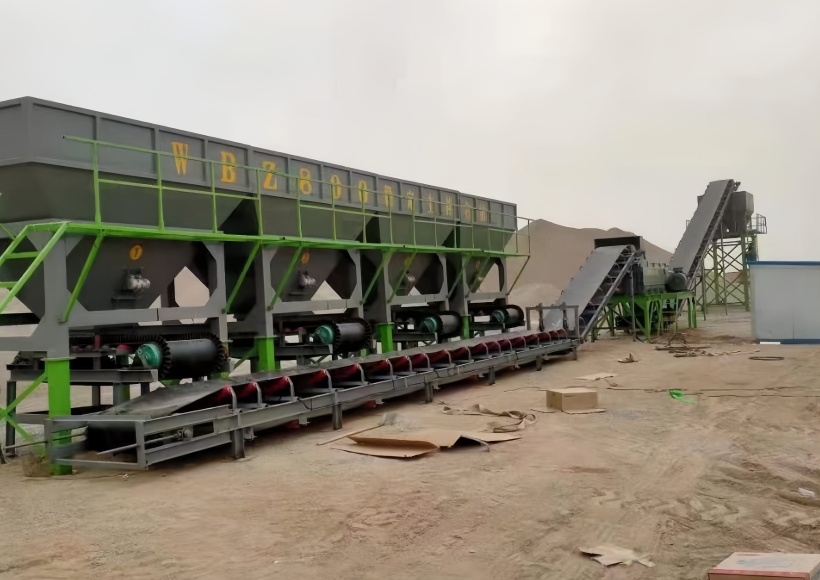
G70 Highway Expansion: 120 km of Stabilized Base
A 120-kilometre widening section with broken terrain and soil that changed from cut to cut. The base and sub-base needed a continuous supply of cement-stabilized aggregate whose gradation did not drift between batches.
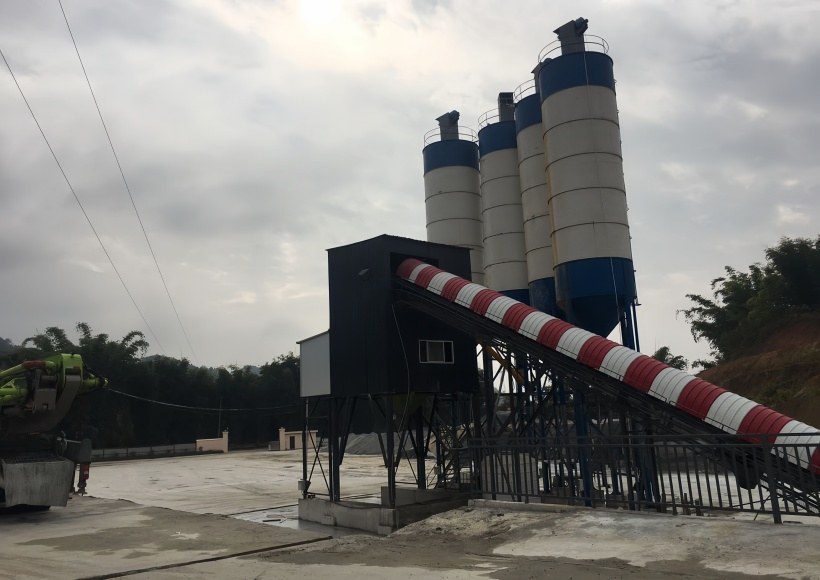
Trans-Sumatra Rainforest Highway: Corrosion-Resistant Setup
Year-round humidity, heavy rainfall and an aggressive coastal atmosphere. Standard equipment fails here on electricals and paint long before it fails mechanically, so the configuration was rebuilt around corrosion and access.
Rail, Tunnel and Bridge Projects
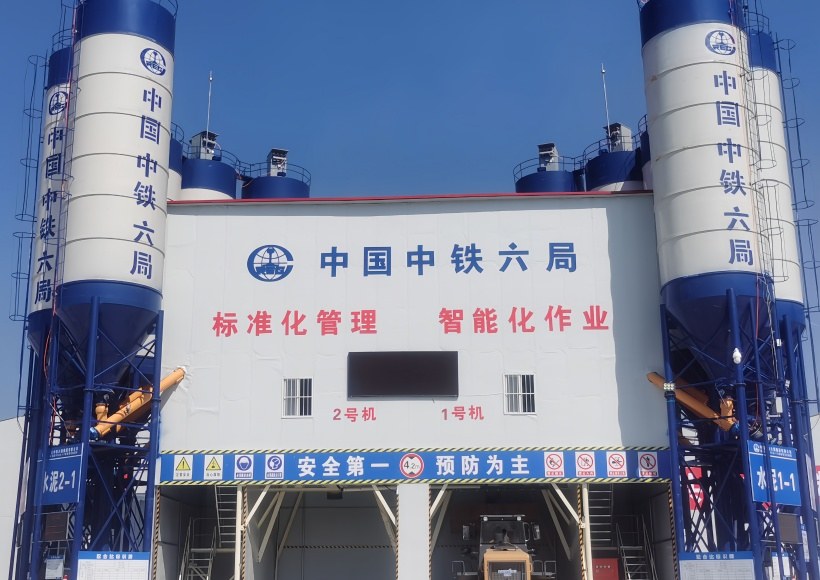
High-Speed Rail Tunnel: Self-Compacting Concrete for Shield Work
Shield tunnelling leaves no room for a mix that will not fill the void behind the lining. Aggregate error has to stay inside a tolerance far tighter than a standard plant holds, which is why every scale works independently here.
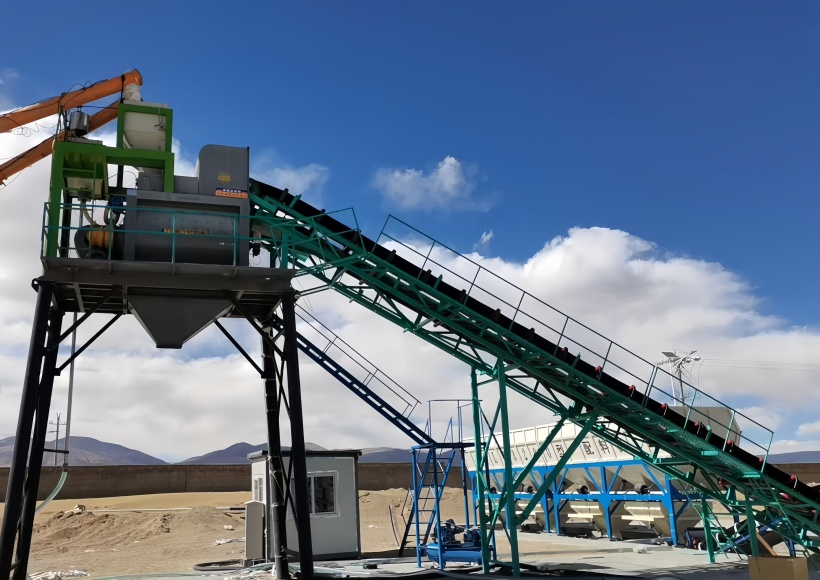
Cross-Sea Bridge: 250,000 m³ over 40 Months with HZS120
Forty months, one plant, and a pour schedule that could not be allowed to slip. The sizing question was not the headline 120 m³/h figure but how much of it survives truck waiting, cleaning and material changeover.
Cold-Climate Deployments
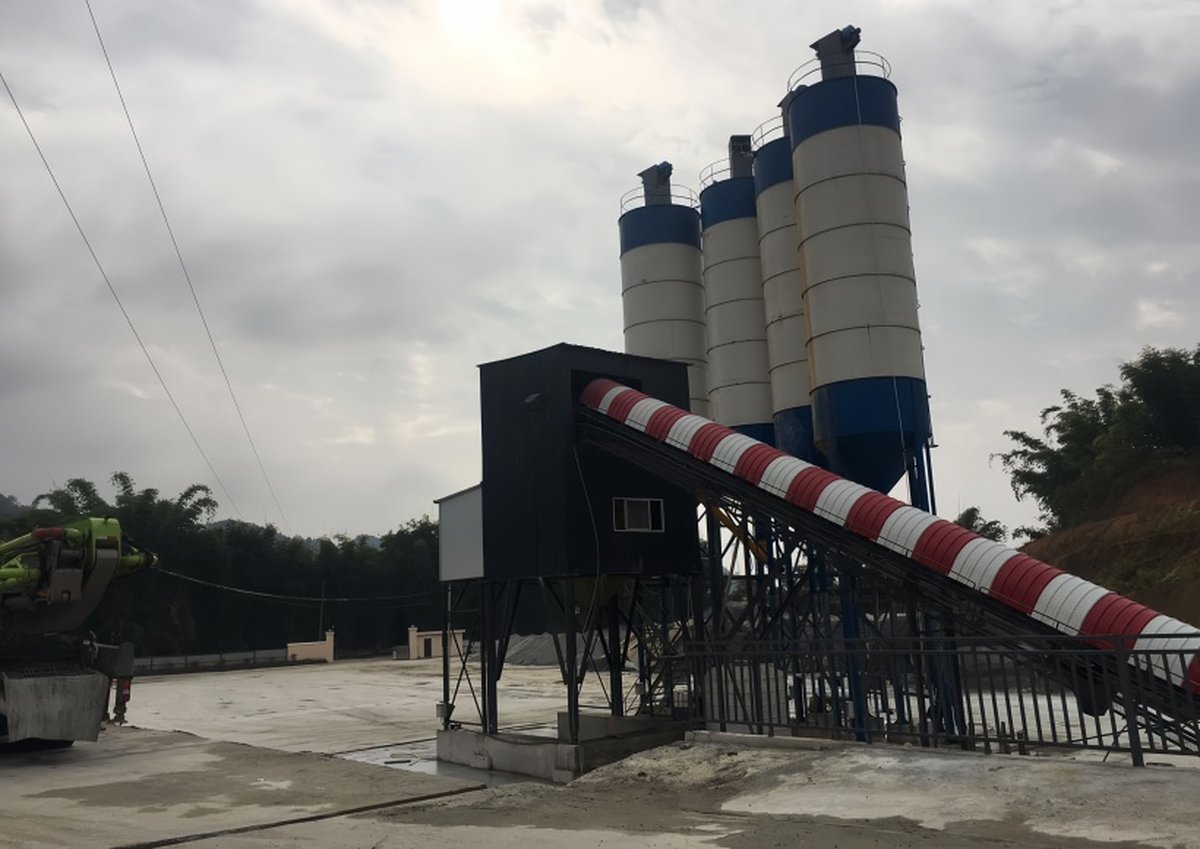
−35°C Operation: A Plant That Does Not Stop in Winter
Central Asian winters shorten the construction window to a few months. Heat tracing, insulated piping and a control cabinet that stays warm enough to start are the difference between a plant that runs through January and one that sits idle.
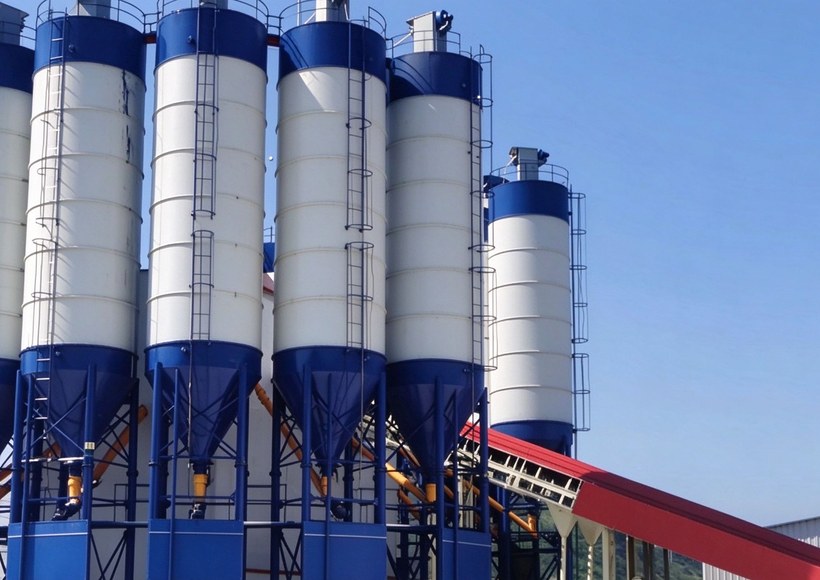
Almaty Highway: From Buying Ready-Mix to Owning a Plant
A contractor near Almaty was losing schedule every week to unreliable ready-mix deliveries. Buying its own plant turned an external dependency into an in-house process it could plan around.
Export, Shipping and Installation
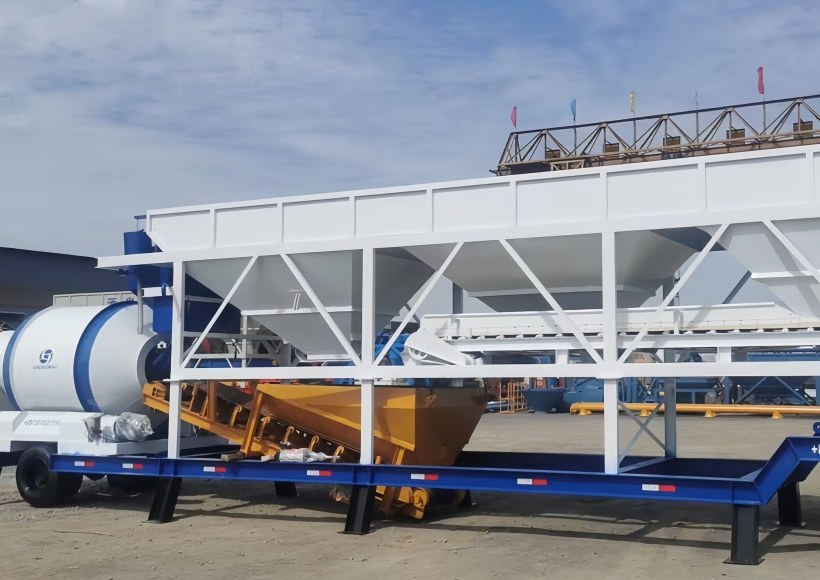
Indonesia Import: Modular Shipping and On-Site Reassembly
A batching plant is not one machine. Whether it moves as 20-ft container units, open-top modules or roll-on cargo decides the freight bill, the port of entry and how many days the site spends reassembling.
Two things are deliberately absent from these cases: customer names we do not have permission to publish, and output figures we have not measured on site. Where a number appears, it is the number the project itself reported.
Where Our Plants Are Running
Start Your Project With Us
If your project resembles any of the above, the useful first step is not a price list but three numbers: required output per shift, the concrete grade, and how many months the plant has to stay on site. Send those and we will tell you which configuration actually fits — including the cases where a smaller plant plus a second shift beats a larger one.