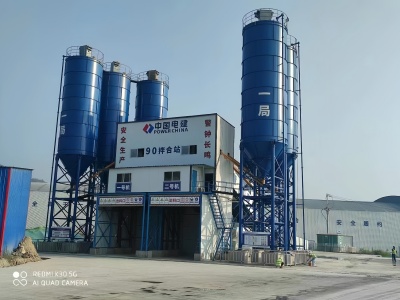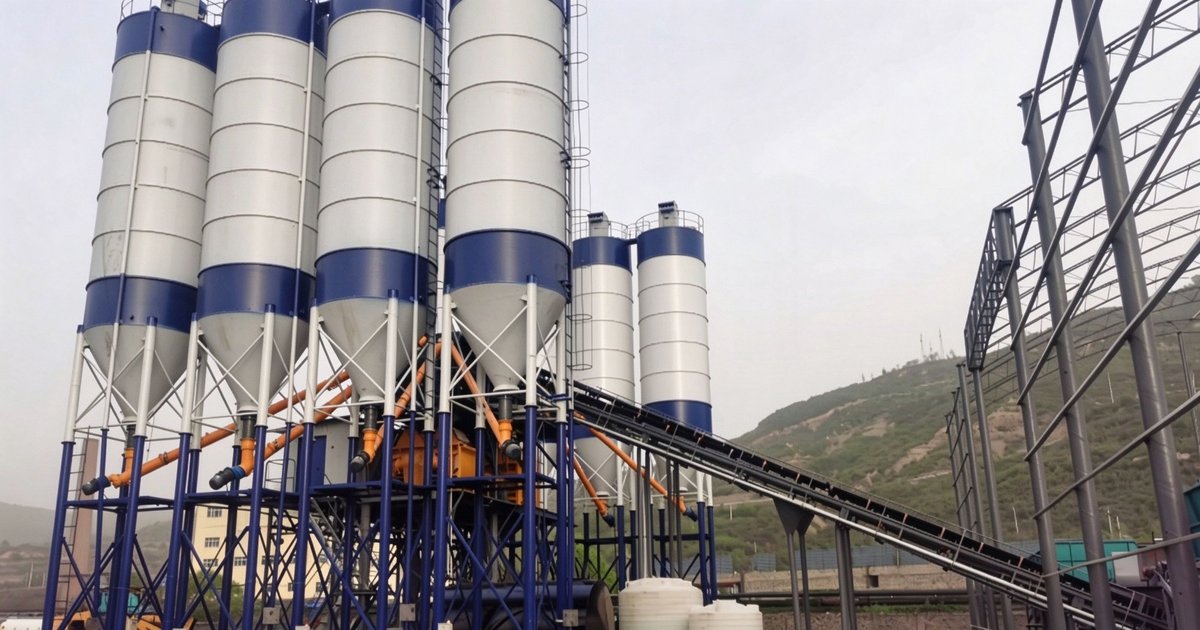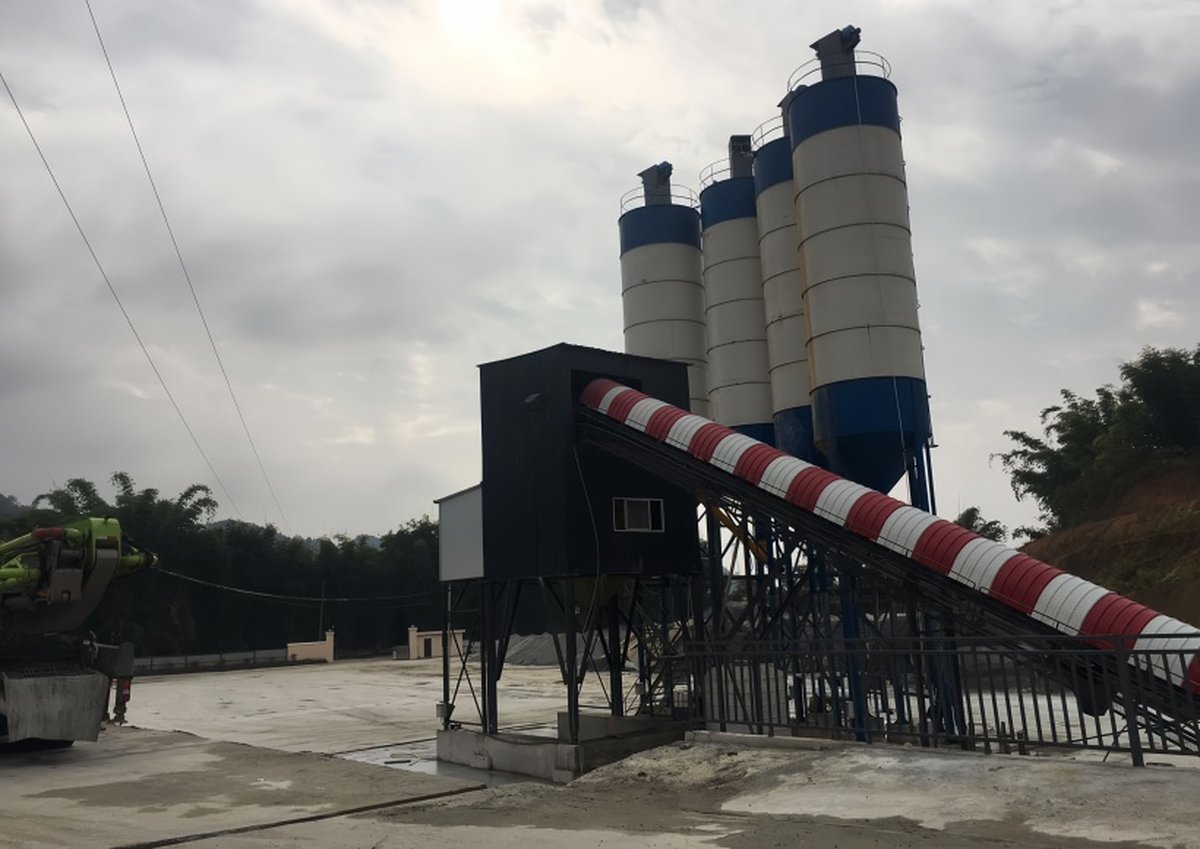

Indonesia is building faster than its local equipment industry can supply. The new capital city Nusantara, the Trans-Sumatra and Trans-Java toll roads, nickel smelter clusters in Sulawesi, and the Jakarta mass rapid transit extension are all creating steady demand for ready-mix and precast concrete. For a contractor or investor importing equipment from China, the cost of a concrete batching plant shipping to Indonesia is only half the story: how the machine is packed, declared, cleared, and installed decides whether the project starts on time.
This guide walks through the full import chain for a concrete batching plant shipping to Indonesia — shipping method, port choice, customs clearance, duty and tax, packing plan, installation permits, and the common mistakes that delay a shipment for weeks. The figures are indicative ranges for planning; the exact tariff and clearance requirements are set by the authorities at the time of import.
Indonesia’s cement consumption has grown steadily with infrastructure spending, and imported equipment fills the gap between local assembly capacity and project demand. Chinese-made HZS plants are a common sight on Indonesian sites because delivery time, price, and technical support fit project budgets better than European alternatives, and the modular design keeps the total cost of a concrete batching plant shipping to Indonesia predictable.
Three Shipping Methods Compared
A concrete batching plant is not one machine but a family of modules: mixing unit, aggregate batching station, cement silos, screw conveyors, and control room. The shipping method depends on whether the plant ships as a fully dismantled package or in pre-assembled modules, and on the balance between cost and schedule. Three options dominate for a concrete batching plant shipping to Indonesia:
| Method | How It Works | Transit Cost (Indicative) | Lead Time | Main Risk |
|---|---|---|---|---|
| FCL container (dismantled parts) | Plant dismantled into small units and packed into 20-ft / 40-ft containers | Lowest per ton for full containers | 35–55 days door to port | Disassembly and re-assembly labor; container stuffing errors |
| Flat-rack / open-top container | Oversized modules (silo sections, hopper frames) shipped on open containers | Medium; per-cubic-meter surcharges | 40–60 days | Over-height surcharges; weather exposure |
| RoRo / breakbulk | Modules rolled or lifted onto a vessel; suitable for large complete stations | Competitive for very heavy cargo | 50–70 days | Port equipment availability; roll-on damage |
Most Tongxin HZS series plants ship as FCL with a few flat-rack units for the silo sections. If the project schedule allows, splitting the plant into two or three container batches can reduce cash tied up in freight and lets customs clearance start on the first batch while the rest is still at sea.
Ocean marine cargo insurance is a separate line item worth taking seriously. An all-risk policy with warehouse-to-warehouse cover typically costs 0.3–0.5% of the CIF value, and for a plant shipped in several containers the policy should name every bill of lading. Claims after rough weather in the Malacca Strait are not rare, so keep the packing photos and the survey report together.
Indonesia’s Main Ports and Customs Clearance
Three ports handle the majority of imported construction machinery in Indonesia, and the choice of discharge port changes both freight cost and clearance speed for a concrete batching plant shipping to Indonesia:
- Tanjung Priok (Jakarta): the busiest container port in the country, with direct sailings from Shanghai, Ningbo, and Qingdao. Most ready-mix and precast projects in Java discharge here. Expect the fastest feeder frequency but the heaviest congestion.
- Tanjung Perak (Surabaya): the main gateway for East Java and the nickel and cement clusters, with regular direct services and lighter traffic than Jakarta.
- Belawan (Medan): serves North Sumatra and the palm oil belt; useful when the project site sits on Sumatra and the cargo arrives from Malaysia or Singapore.
Customs clearance in Indonesia runs through the Directorate General of Customs and Excise (Bea Cukai). The importer needs a valid Business Identification Number (NIB) issued through the Online Single Submission system, and, for general machinery imports, an Importer Identification Number (API-U). The customs declaration uses the Indonesia National Single Window (INSW), and the plant is classified under HS 8474.31.10 (concrete and mortar mixers) with related subheadings for silos, conveyors, and control systems. A freight forwarder with an approved surveyor license can prepare the PIB (import declaration) and arrange the inspection.
Once the PIB is filed, clearance time at Tanjung Priok is typically two to five working days for machinery routed through the green channel, and longer if the surveyor inspection is triggered. The document set should be ready before the vessel arrives: the bill of lading is released only after the freight payment, and the PIB cannot be submitted without it. A forwarder that files the provisional data before discharge can usually clear the cargo within a week of berthing.
Import Duty and Tax Structure
The landed cost of a concrete batching plant shipping to Indonesia is made up of the FOB price, ocean freight, insurance, import duty, and value added tax. Duty and tax are calculated on the CIF value declared to customs:
| Component | Rate (Indicative) | Calculated On |
|---|---|---|
| Import duty (bea masuk) | 0–5% for most mixer and batching machinery under MFN | CIF value |
| VAT (PPN) | 11% standard rate | CIF + import duty |
| Income tax (PPh 22) | 2.5% for API-U holders (less for some exempt entities) | CIF + import duty |
For a typical HZS90 plant with a CIF value around USD 120,000–160,000, the duty and tax package usually lands between 14% and 19% of CIF, before inland transport. Two relief mechanisms can cut this: plants imported by a company under an investment approval can apply for import duty exemption on machinery not yet produced domestically (the BKPM investment facilitation route), and a Certificate of Origin under an Indonesia FTA with China (ACFTA, Form E) can reduce or eliminate the duty component, leaving mainly PPN and PPh 22.
Packing and Disassembly Plan
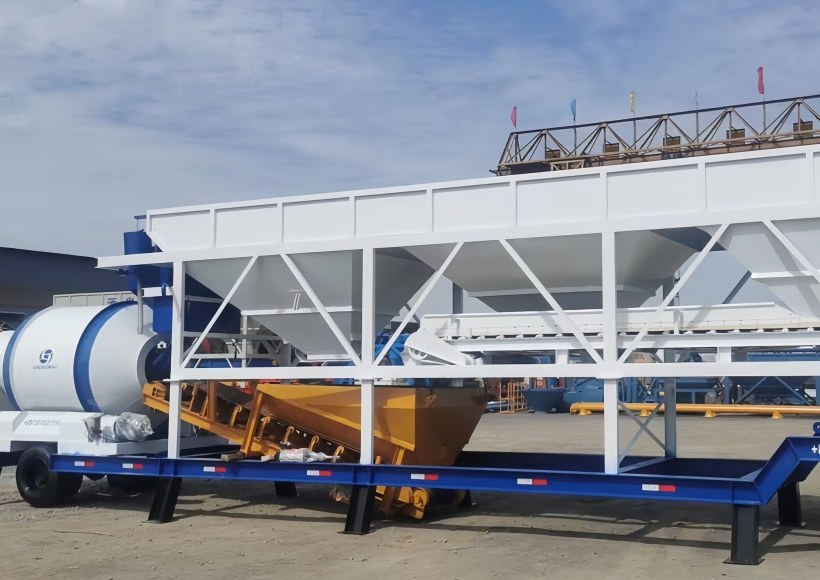
How a concrete batching plant shipping to Indonesia is packed determines both the freight bill and the re-assembly time at site. Tongxin plants are designed for modular disassembly, and the standard packing list follows the plant structure:
- Mixing unit (twin-shaft mixer): shipped as the heaviest single module; protected with steel brackets, desiccant, and shrink wrap; mounted on a wooden or steel skid for crane lifting.
- Aggregate batching station: hoppers and weigh frames split into two or three parts; load cells removed, boxed, and shipped with calibration certificates.
- Cement silos: shipped in 3–4 bolted sections on flat-rack units; flanges greased and capped to avoid seawater corrosion.
- Screw conveyors and belts: fixed to pallets with the drive motors boxed separately; belt rollers wrapped against condensation.
- Control room and electrical cabinet: shrink-wrapped with silica gel packs, electrical terminals sealed, and the cabinet braced against vibration.
- Spare parts and tools: consolidated into one crate with a dedicated packing list so customs inspection does not hold up the main cargo.
Every module should carry a durable shipping mark matching the packing list: plant project name, module code, gross weight, and lifting points. Photograph each module before stuffing; the photos are useful for both insurance claims and the re-assembly team.
On-site Installation and Permits
Once the plant clears customs, the local picture changes from shipping to permitting. For a concrete batching plant shipping to Indonesia, three approvals matter before installation starts:
- Site permit: the land must carry a location permit and the zoning must allow industrial or quarry use. Municipal and provincial spatial plans are checked before the environmental permit is issued.
- Environmental assessment: larger plants need an AMDAL (full environmental impact assessment); medium plants use the UKL-UPL (environmental management and monitoring effort) route. Dust, noise, and water discharge from the plant are the main review points.
- Construction and operation permits: the regional building authority issues the construction permit for foundations and the operation permit covers the plant and its weighing equipment, which must be verified by the metrology office.
Installation itself typically takes 7–14 days for a modular plant once the foundation is ready. The sequence is foundation survey, anchoring and leveling of the batching station, assembly of the mixing unit, erection of the silos, connection of conveyors and electrical systems, then calibration and trial runs. Ordering the modules in the installation sequence inside the containers can shorten this window by several days.
Common Pitfalls That Delay a Shipment
Most delays in a concrete batching plant shipping to Indonesia happen before the vessel sails or at the first customs inspection, not during the voyage. The recurring problems:
- Over-limit dimensions: a silo section or mixer skid exceeding container or road height limits triggers over-dimension surcharges at the port and inland transport restrictions. Check the dimension limits of both the discharge port and the inland route before packing.
- Missing or mismatched documents: the packing list, commercial invoice, bill of lading, and certificate of origin must all carry the same description and weights. A single mismatch stalls the PIB filing.
- Port congestion: Tanjung Priok regularly sees vessel waiting time of several days during peak seasons. Schedule the discharge to avoid the pre-holiday peaks and confirm the berth status with the agent.
- Under-declared valuation: declaring an unrealistically low CIF value to reduce duty invites a valuation audit and penalties, and usually ends up costing more than the tax saved.
- No spare parts consolidation: shipping a few loose spare parts with the wrong HS code attracts the highest scrutiny rate in the green line channel selection.
Working with a freight forwarder who has handled construction machinery into Indonesia is the single most effective risk control. They verify the tariff, prepare the PIB, and arrange the surveyor inspection before the vessel berths.
FAQ
How much does it cost to ship a concrete batching plant to Indonesia?
Ocean freight for a 40-ft container from China to Tanjung Priok typically runs USD 1,200–2,500 depending on the season, plus surcharges for flat-rack units. The full landed cost for a standard HZS90 plant usually lands between 14% and 19% of the CIF value in duty and tax, with inland transport quoted separately.
Do I need an Indonesian company to import the plant?
Practically yes. The NIB and API-U import numbers are issued to a local entity, so a foreign investor typically imports through a local subsidiary or an appointed importer with an API-U license.
Can I get the import duty reduced?
Yes, through two routes: a Form E certificate of origin under ACFTA can reduce the duty on machinery of Chinese origin, and an investment-approved project can apply for duty exemption on machinery not yet produced domestically through the BKPM facilitation mechanism.
How long does the whole import and installation take?
From factory handover to production, plan for 8–12 weeks: about 5–7 weeks of ocean transit and port handling, 2–5 days of customs clearance, and 1–2 weeks of installation and commissioning, depending on the plant size and the permit schedule.
Get a Logistics Plan for Your Indonesia Project
Planning a concrete batching plant shipping to Indonesia is easier when the equipment supplier and the freight team work from one packing list. Tongxin Machinery provides the modular plant layout, the disassembly and packing drawings, and the installation support, and coordinates with forwarding partners for China–Indonesia sailings. For a ready-mix or precast project in Indonesia, our engineers prepare the foundation drawing, the shipping mark scheme, and a schedule that ties production, transit, and commissioning together.
Relevant guides: Tongxin Machinery concrete production solutions for Indonesia · HZS90 power requirements and transformer selection · HZS90 manufacturer guide · HZS120 price and buying guide
Official references: Indonesian Customs and Excise (Bea Cukai) · Online Single Submission (OSS) for import permits