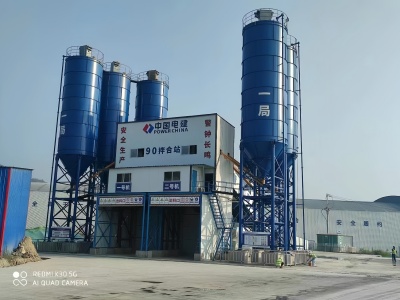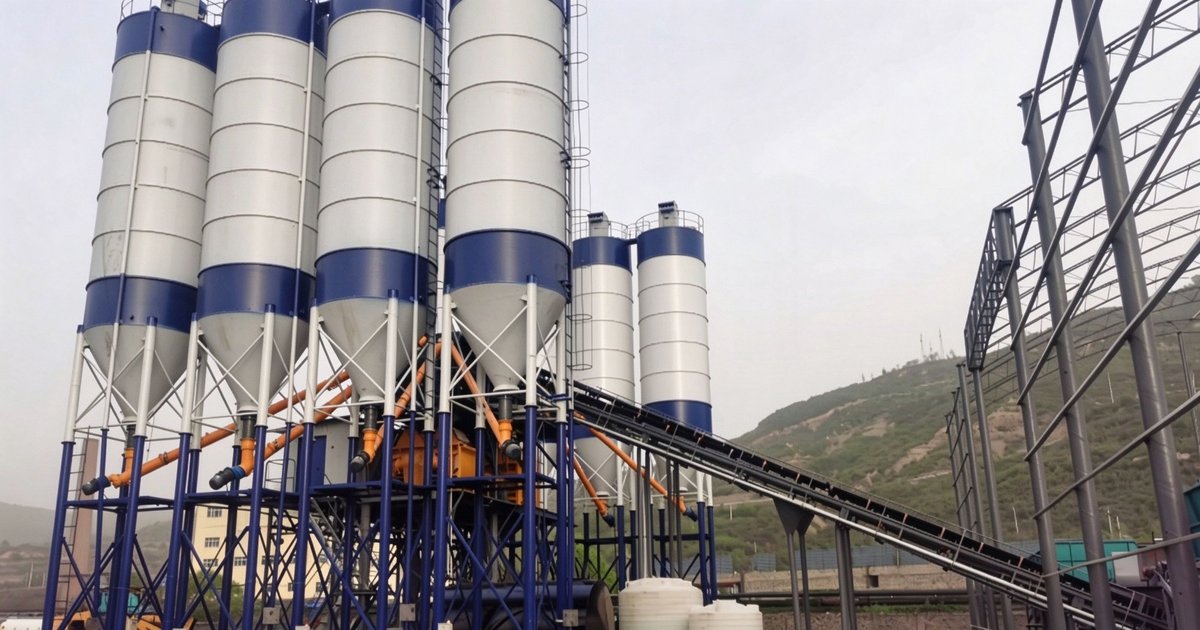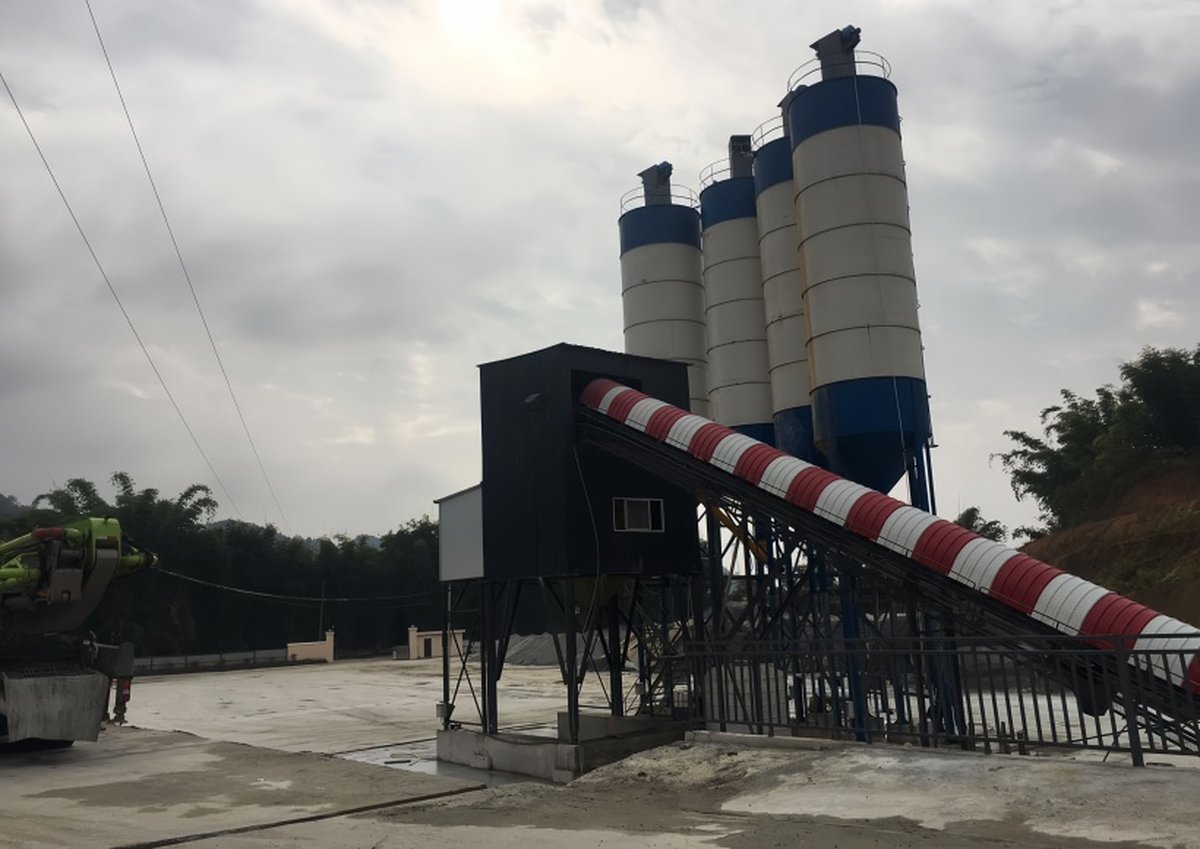


As a representative model of medium-sized concrete production equipment, the JS1000 concrete batching plant has a total power rating ranging from 90 to 110 kW; its technical specifications directly influence performance, production efficiency, and operating costs. An optimal power configuration and appropriate transformer selection not only ensure stable equipment operation but also significantly reduce energy consumption and enhance the return on investment. This article provides an in-depth analysis of the technical specifications of the JS1000 concrete mixer, alongside professional recommendations for model selection and configuration.

Detailed Core Parameters of JS1000 Mixing Plant
Basic Technical Parameters
Production Capacity Indicators:
- Theoretical Productivity: 50-60 m³/h
- Discharge Capacity: 1000 L/batch
- Feeding Capacity: 1600 L
- Work Cycle Time: 72 s
- Annual Average Productivity: 45-50 m³/h
Structural Parameters:
- Mixer Host Model: JS1000 Dual Horizontal Shaft Forced Type
- Hopper Lifting Speed: 18-20 m/min
- Discharge Height: 3.8-4.2 m
- Total Plant Footprint: Length × Width = 25 × 20 m (Basic Model)
Detailed Power Configuration Analysis
Total Power Composition
The total power of the JS1000 mixing plant typically ranges between 90-110 kW, distributed as follows:
Power Configuration of Main Electrical Equipment:
Mixer Host: 2 × 18.5 kW = 37 kW
- Drive Type: Dual Motor Drive
- Starting Method: Star-Delta Reduced Voltage Start
- Protection Level: IP55
Hoist Motor: 7.5 kW
- Lifting Speed: 18 m/min
- Safety Factor: 1.5x Overload Protection
Water Pump Motor: 3 kW
- Flow Rate: 80 L/min
- Pressure: 0.6 MPa
Screw Conveyor: 11 kW × 2 = 22 kW
- Conveying Capacity: 80 t/h
- Conveying Distance: 8-12 m
Other Auxiliary Power:
- Pneumatic System: 5.5 kW
- Control System: 3 kW
- Lighting System: 2 kW
Power Calculation and Selection Suggestions
Simultaneity Factor Considerations:
- Maximum Simultaneous Operating Power: 95 kW
- Recommended Total Power Configuration: 120 kW
- Power Factor: 0.85
- Demand Factor: 0.8
Cable Selection Suggestions:
- Main Cable: 3 × 70 + 1 × 35 mm² Copper Cable
- Control Cable: Shielded Twisted Pair
- Grounding System: Independent Grounding Electrode, Ground Resistance ≤ 4 Ω
Transformer Selection Guide
Transformer Capacity Calculation
Basic Calculation Formula:
Total Apparent Power = Total Active Power / Power Factor
= 120 kW / 0.85 = 141 kVA
Considerations:
- Starting Current Impact: 2.5-3x Rated Current
- Future Expansion Needs: Reserve 20% Margin
- Ambient Temperature Correction: Derating for High-Temperature Environments
Recommended Transformer Capacity:
- Minimum Configuration: 160 kVA
- Recommended Configuration: 200 kVA
- Optimal Configuration: 250 kVA
Transformer Type Selection
Oil-Immersed Transformer Features:
- Capacity Range: 30-2500 kVA
- Advantages: Low Cost, Simple Maintenance
- Disadvantages: Requires Oil Pit Protection
Dry-Type Transformer Features:
- Capacity Range: 30-2500 kVA
- Advantages: Good Fire Resistance, Easy Installation
- Disadvantages: Higher Price, Sensitive to Environment
Selection Suggestions:
- General Conditions: Choose S11 Series Oil-Immersed Transformers
- High Environmental Requirements: Choose SCB10 Series Dry-Type Transformers
- Special Environments: Choose Products with Protection Level IP54 or Higher
Electrical Control System Configuration
Main Components:
- Main Circuit Breaker: 250 A Molded Case Circuit Breaker
- Contactor: LC1 Series AC Contactor
- Thermal Relay: LRD Series Overload Protection
- PLC Controller: Siemens S7-1200 Series
- Human-Machine Interface: 10-inch Color Touchscreen
Basic Control Functions:
- Automatic Batching Control
- Measurement Accuracy Compensation
- Fault Self-Diagnosis
- Production Data Recording

Energy-Saving Configuration Suggestions
Motor Energy-Saving Solutions
High-Efficiency Motor Applications:
- Energy Efficiency Level: IE3 or Higher
- Efficiency Improvement: 3-5%
- Investment Payback Period: 1-2 Years
Power Factor Compensation
Compensation Capacity Calculation:
- Compensation Capacity: 50 kvar
- Control Method: Automatic Switching
Configuration Solution:
- Compensation Cabinet: GGJ Series
- Capacitors: BSMJ Series
- Reactors: Matched Reactance Rate 7%
Installation and Debugging Key Points ,Electrical Installation Requirements
Power Supply Connection:
- Supply Voltage: 380 V ± 5%
- Frequency: 50 Hz ± 0.5 Hz
- Voltage Fluctuation: ≤ ±5%
Grounding System:
- System Grounding: TN-S System
- Ground Resistance: ≤ 4 Ω
- Lightning Protection: Secondary Lightning Protection
Debugging and Testing Items
Electrical Testing:
- Insulation Resistance Test: ≥ 1 MΩ
- Ground Resistance Test: ≤ 4 Ω
- Voltage Balance: ≤ 2%
- Protection Device Test: Reliable Operation
Operation and Maintenance Management
Electrical System Inspection:
- Cable Connection Temperature
- Circuit Breaker Status
- Contactor Contacts
- Protection Device Settings
Mechanical System Inspection:
- Motor Operating Sound
- Bearing Temperature
- Belt Tension
- Lubrication System Working Status
Regular Maintenance Plan
Monthly Maintenance:
- Clean Electrical Cabinet Dust
- Check Cable Insulation
- Test Protection Functions
- Record Operating Data
Annual Maintenance:
- Comprehensive Electrical Connection Check
- Replace Worn Components
- Calibrate Measuring Instruments
- System Performance Test
Common Issues and Solutions
Insufficient Power Handling
Symptoms:
- Difficulty Starting Motors
- Excessive Voltage Drop During Operation
- Frequent Tripping of Protection Devices
Solutions:
- Check Power Supply Capacity
- Optimize Startup Sequence
- Increase Reactive Power Compensation
- Consider Transformer Capacity Expansion
Power Quality Optimization
Common Issues:
- Excessive Voltage Fluctuation
- Excessive Harmonic Content
- Low Power Factor
Improvement Measures:
- Install Voltage Stabilizers
- Install Filtering Equipment
- Optimize Compensation System
- Improve Grounding Quality
Conclusion: Scientific Configuration Ensures Efficient Operation
The parameter configuration and power selection for the JS1000 concrete batching plant is a systematic project that requires comprehensive consideration of equipment performance, power supply, environmental conditions, and other factors. We recommend:
- Professional Design: Engage professional electrical engineers for system design.
- Quality Priority: Choose high-quality electrical equipment and components.
- Reasonable Redundancy: Reserve appropriate power margin.
- Regular Maintenance: Establish a sound maintenance system.
Through scientific configuration and standardized management, your JS1000 mixing plant will operate stably and efficiently, creating greater economic benefits.
If you need detailed technical solutions or personalized configuration suggestions, please contact Tongxin Machinery’s technical team and we will provide professional technical support and services.