








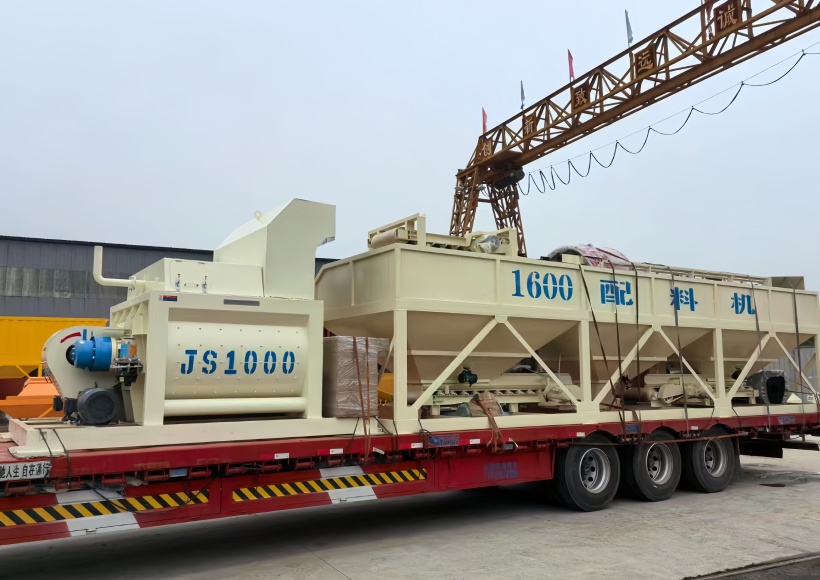
Relying on a third-party ready-mix schedule is a fantastic way to blow a construction deadline. We have all been in that exact situation on a job site. Your finishing crew is clocked in. The rebar is tied. The forms are absolutely perfect. And you are just standing there, staring down the access road, waiting for a truck that is stuck in city traffic. It is beyond frustrating. Owning a batch plant means you cut that cord completely. You stop bleeding cash on waiting time. You take full control of your timeline, your mix quality, and your daily margins.
But let’s be honest. Making the jump to internal production requires careful consideration. This isn’t like buying a new skid steer. It is a massive capital expense. Choosing the right setup isn’t just about picking a catalog number from a glossy PDF brochure. It is about matching heavy steel, software, and logistics to your specific site realities. You need to make an informed decision based on hard numbers, not sales pitches. You must choose the right concrete setup to avoid creating a massive operational bottleneck.
Evaluate Your Mixer and Plant Type for On-Site Concrete
Before you start calling a supplier, you need to strip away the marketing noise. What are concrete batch plants, really? Stripped down to the bare metal, batch plants are basically just heavily automated recipe systems. They exist to combine cement, coarse and fine aggregate, water, and chemical admixtures with surgical precision. The end goal is simple: produce high-quality concrete that consistently passes strict engineering slump and break tests.
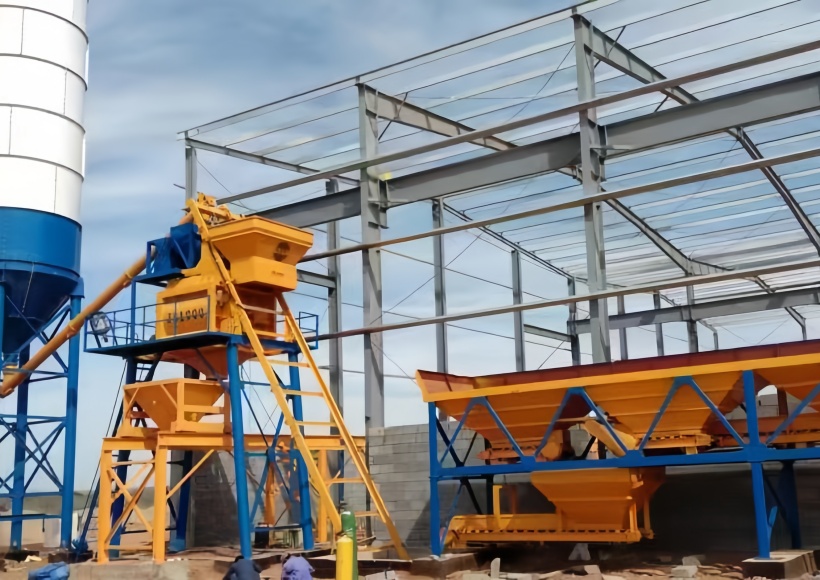
The beating heart of this entire operation is the concrete mixer. The plant type you select entirely dictates the mixing technology you will deploy. In the commercial heavy construction industry, you will mostly see twin-shaft mixers or planetary setups. Twin-shaft systems are absolute beasts. They use an aggressive, high-shear folding action that forces the materials together quickly. Planetary mixers use rotating stars inside a fixed pan, which is excellent for specialty precast work but often overkill for standard foundations.
Then you have to look at the operational models. Batch plants come in two primary configurations: wet mix and dry mix. A dry mix facility is incredibly basic. You weigh the raw materials and dump them dry directly into a transit truck. The driver adds water and spins the drum on the way to the site. It is cheap to set up. But a wet mix plant is a completely different animal. It uses a central concrete mixer bolted to the ground. You produce concrete inside the plant, completely mixed, and then dump it into the truck. This setup ensures consistent quality from the first yard to the last. For structural highway work, wet mix is usually non-negotiable.
Why a Mobile Concrete Batching Plant Makes Sense
Ten years ago, mobile setups were viewed as toy plants for small residential pours. Not anymore. The technology has caught up. The rise of modern mobile concrete batching has fundamentally changed how mid-sized contractors bid on remote work.
If you are chasing temporary projects, erecting wind farm bases out in the desert, or handling infrastructure projects spanning miles of rough terrain, a trailer-mounted mobile plant is often the only efficient solution. You simply cannot afford to pay for transit trucks to drive two hours each way. By bringing the source of your material directly to the job site, you are immediately lowering hauling costs.
Mobility no longer means sacrificing your mix quality. A modern compact mobile unit possesses the exact same load cell technology, automated pneumatic gates, and rugged twin-shaft mixers as the massive permanent setups. You still get strict structural-grade consistency. The key advantage is rapid deployment. A well-engineered mobile concrete batching plant can be hauled to a site, jacked up, and fully operational within a few days. You bypass the agonizing wait for massive, poured-in-place concrete foundations, relying instead on heavy steel frame supports and leveled, compacted ground.
When you choose the right concrete batching plant for geographically dispersed jobs, it pays for itself by eliminating third-party delivery fees. You shrink the distance between the mixer and the formwork, drastically reducing material costs across the board.
Stationary Concrete Batching Plants for Large-Scale Jobs
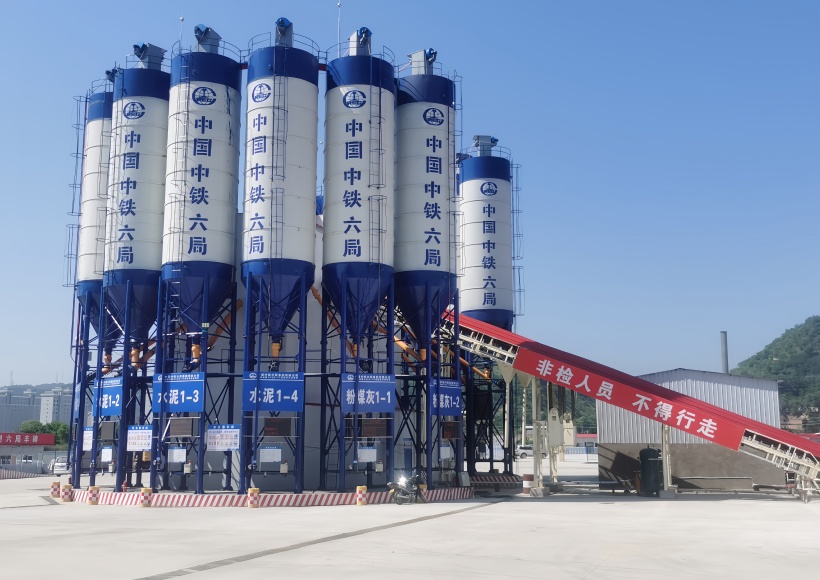
Despite the incredible appeal of mobility, stationary concrete batching plants remain the absolute backbone of the heavy construction world. When you are looking at dedicated long-term production—think multi-year dam construction, massive precast yards, or a permanent commercial ready-mix concrete operation—stationary is the undisputed king.
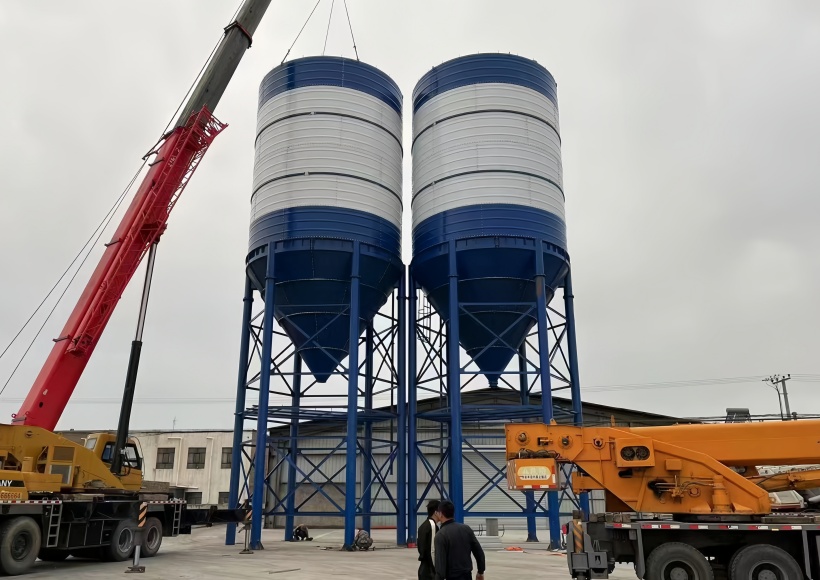
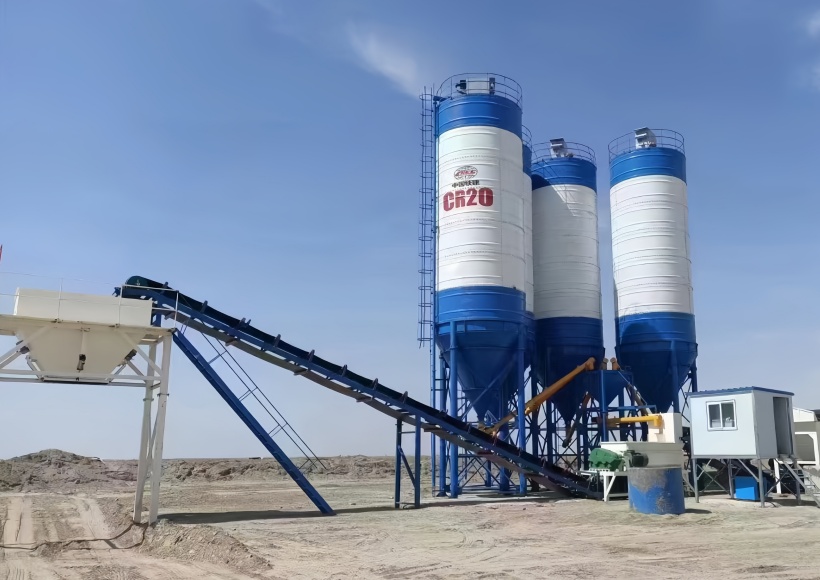
These facilities are over-engineered for unyielding durability and continuous, high-volume output. Because they are permanent installations, they can support massive cement silos holding hundreds of tons of powder. They utilize expansive, multiple aggregate ground bins fed seamlessly by heavy wheel loaders. Owning a concrete facility of this scale allows you to leverage serious bulk purchasing power. You buy your cement by the railcar rather than the truckload.
For major regional contractors, investing in a heavy-duty Concrete Batching Plant designed for stationary use provides unmatched production stability. You can heavily customize the environmental enclosures. You can add robust dust collection systems to keep the EPA happy, install boiler systems for winter pouring, and integrate chilled water plants for mass mass-concrete pours in the blazing summer. They offer an environment of total control. You sacrifice relocation speed, but you gain absolute maximum efficiency and massive economies of scale for projects that require relentless output capacity.
How to Choose the Right Concrete Setup: Mobile Concrete vs. Stationary Concrete
So, how do you actually find the perfect fit? Selecting the right equipment boils down to a brutal, honest assessment of your project requirements and your business model. You have to evaluate your output capacity realistically.
Grab your site blueprints. What is your absolute peak demand in cubic yards per hour? Don’t look at a brochure’s maximum theoretical output. That number is tested in perfect factory conditions with bone-dry sand. In the real world, you lose 15% efficiency to operator delays and sticky material. If your construction project demands 100 yards an hour, you need to buy a 120-yard plant. If you are slip-forming a highway barrier, your concrete production needs are continuous. A minor delay shuts down the entire paving train.
You also need to look closely at your mix design complexity. Standard structural concrete requires standard bins. However, if you are bidding on contracts that demand complex mixes—incorporating fly ash, silica fume, or three different rock sizes—you need a plant configuration that supports multiple additive scales and at least four separate aggregate compartments. Do not buy a basic three-bin setup if you know you will be mixing complex specs.
Never underestimate the total cost of ownership. It is a rookie mistake to choose a plant based solely on the initial purchase price. Look deeply at the wear parts. The interior of a mixer is a highly abrasive, violent environment. Ni-Hard cast iron liners and heavy-duty mixing blades cost real money to replace. If you buy a cheap plant with substandard metallurgy, your maintenance downtime will quickly wipe out any upfront savings. Evaluate the automation software, too. Modern PLC systems handle the entire batching sequence automatically, continuously adjusting water ratios based on the sand’s moisture probe readings. This automation ensures a consistent yield and saves thousands of dollars in rejected loads.
Working with a highly reputable manufacturer makes a massive difference. When you partner with seasoned experts, like the engineering teams at ماكينات تونغشين, you are securing a reliable supply chain for critical spare parts and expert technical support. Downtime on a pour costs thousands of dollars an hour. You need a supplier who picks up the phone when a pneumatic valve fails at 4:00 AM. Sourcing from a proven manufacturer like ماكينات تونغشين ensures you are acquiring a tailored, high-performance solution.
Finally, do not forget the logistics of on-site concrete production. You need to map out your physical footprint. A mobile plant has a tight, linear footprint, perfect for cramped highway shoulders. Stationary setups require sprawling acreage to accommodate the aggregate stockpiles, loading ramps, and truck turning radiuses. You must also plan for water management. Washing out transit mixers generates a massive amount of highly alkaline slurry. Modern regulations require strict containment, meaning your plant design must incorporate water recycling basins and filter presses.
When you decide to scale your operations, implementing a reliable, high-output Concrete Batching Plant transforms your business from a dependent contractor into a self-sufficient powerhouse. By utilizing comprehensive roi calculators, accurately forecasting your yards of concrete requirements, and seeking equipment that guarantees durability, you ensure the financial sense of your investment. It is not just about pouring mud; it is about engineering a predictable, highly profitable material supply chain. Take your time, run the numbers, and help you make a decision that builds your capability on a solid foundation. You must choose the right one to survive in this industry. Equipment like this plays a massive role in construction success. Plants come with various features, but only a few deliver consistent results under pressure. Contractors who need reliable large volumes know that finding the right equipment requires careful analysis. Key factors and factors to ensure success all point back to picking the right iron for the job.
الأسئلة الشائعة (FAQ)
Can a mobile plant actually handle structural bridge specs?
Yes. The technology inside is exactly the same as stationary setups. You still get an aggressive twin-shaft mixer and highly accurate load-cell weighing systems. The only difference is it sits on a wheeled chassis instead of a poured foundation. It easily meets state highway department standards.
How long does a stationary setup realistically take to install?
Bank on three to four weeks minimum. You need adequate time for the concrete foundation pad to cure properly before erecting the heavy steel structures, hoisting the bulk cement silos, and running the complex electrical and pneumatic calibrations. Don’t rush the foundation.
Should I invest in a dry mix or a wet mix operation?
If you own a massive fleet of transit trucks and transport material across a wide area, dry mix is cost-effective. But if you demand perfectly homogeneous, tightly controlled concrete for immediate structural pouring on-site, wet mix is absolutely the only way to go.
What is the most overlooked cost when buying this equipment?
Material logistics and storage space. If your aggregate bin and silos are too small for your daily output, you end up paying a massive premium for constant, small-batch material deliveries. Always size up your storage capacity to leverage bulk purchasing discounts from suppliers.
Do fully automated plants still require a dedicated operator?
Yes. While the PLC software handles the micro-adjustments and the repetitive batching cycle, you need a sharp, experienced operator in the booth. They need to monitor aggregate moisture fluctuations, adjust specific mix designs on the fly, and manage immediate emergency mechanical overrides.