

Bolted Cement Silo


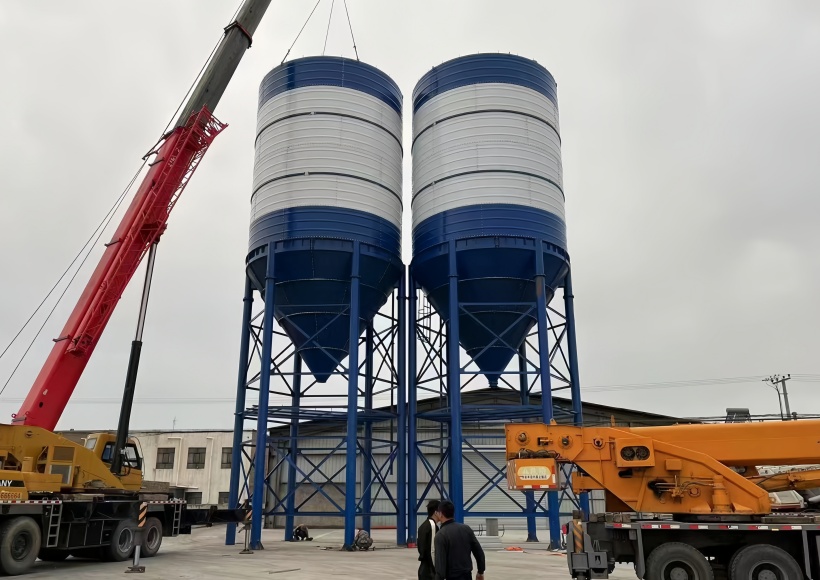


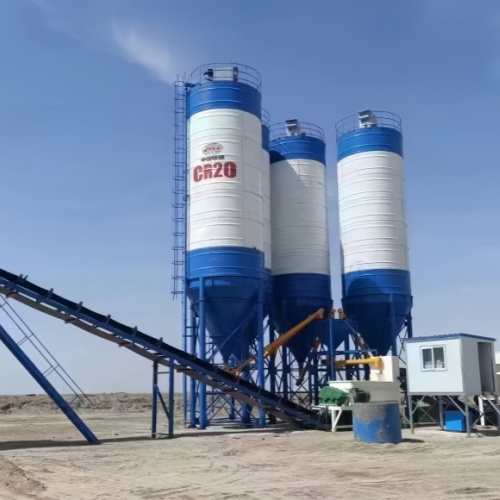
The TXMixing bolted cement silo is a modular storage solution for bulk cement, fly ash and other compatible dry powders. Its sectional steel construction allows the silo body to be transported in individual panels and assembled on site using high-strength bolts. Designed for concrete batching plants, dry-mix mortar production and industrial powder storage, it offers a flexible approach to bulk material storage where transport access, installation space and future relocation need to be considered.
How the Bolted Cement Silo Is Built
Bolted Cement Silo for Concrete Batching Plants
The TXMixing bolted cement silo is designed for bulk storage of cement and other compatible powder materials used in concrete production and industrial processing. Unlike a conventional silo delivered as a complete structure, its modular body is made from individual steel panels that are transported separately and assembled at the installation site.
This sectional design is particularly useful for export projects, construction sites with restricted transport access and mixing plants where on-site assembly offers a more practical solution.
Why Choose a Bolted Cement Silo?
Modular Steel Panel Construction
The silo body is manufactured from curved steel plate sections, which are connected using high-strength bolts. Individual sections can be packed and transported separately rather than shipping the entire silo as one assembled structure.
This arrangement helps simplify transportation planning, particularly for projects where road access, container loading or delivery dimensions are important considerations.
On-Site Assembly and Flexible Installation
The sectional design allows the silo to be assembled at the destination according to the approved installation drawings. The panels are fitted layer by layer, with supporting structures and accessories installed as part of the assembly process.
It is a practical option for projects where transporting a fully assembled silo would be difficult. It can also be considered for rental plants and mixing facilities that may need to be relocated, subject to the dismantling and reinstallation requirements.
Sealed Storage for Bulk Powder Materials
Keeping stored powder dry is important for reliable material handling. The bolted panel connections use sealing components to help protect stored materials against moisture ingress and dust leakage.
The silo can be configured for bulk cement, fly ash and other compatible mineral powders. Material characteristics should be confirmed before selecting the sealing, filtration and discharge arrangements.
Dust Collection and Material Flow Assistance
Filling and discharging a cement silo requires suitable dust-control and material-flow equipment.
The configuration can include a pulse-type bag dust collector, material level monitoring and an arch-breaking arrangement. Depending on the selected setup, air-blowing or vibration devices can be used to assist powder discharge.
These supporting systems should be considered together with the material being stored and the operating conditions of the batching plant.
Applications of Flaked Cement Silos
Bolted cement silos are used wherever bulk powder storage needs to be integrated into a production or material supply process.
- Concrete batching plants: Storing cement and fly ash for use in concrete production, with discharge connected to the plant’s weighing and conveying systems.
- Dry-mix mortar plants: Providing enclosed storage for cement and other compatible powder ingredients used in dry mortar production.
- Power plants: Supporting the collection and storage of fly ash, subject to the material handling requirements.
- Industrial powder handling: Providing bulk storage for suitable mineral and other dry powdered materials.
For concrete production facilities, the silo should be planned as part of the complete material supply system rather than as an isolated storage structure.
How a Bolted Cement Silo Fits into a Concrete Batching Plant
A cement silo needs to work with the equipment responsible for transferring, weighing and feeding powder materials into the production process.
Powder Storage
Bulk cement is delivered and stored in the silo. If the production line uses different powder materials, separate storage arrangements may be required to prevent cross-contamination and maintain the correct material supply.
Dust Collection and Level Monitoring
Dust collection equipment supports cleaner filling operations, while a material level indicator helps operators monitor available storage and plan replenishment.
Powder Discharge and Conveying
Stored cement is discharged through the silo outlet and transferred by a screw conveyor to the weighing or feeding system.
Explore the TXMixing screw conveyor for a supporting powder conveying solution.
Integration with Batching Equipment
The screw conveyor connects the storage system with the downstream weighing and batching equipment. Its outlet position, conveying capacity and installation angle should match the actual plant layout.
For a complete concrete production solution, explore the PLD Concrete Batching Machine and concrete batching plant range.
What to Consider Before Choosing a Cement Silo
Selecting a cement silo involves more than comparing storage capacity. The material, delivery schedule, installation site and downstream equipment all affect the final configuration.
Material Type and Storage Requirements
Identify whether the silo will store cement, fly ash or another powder. Bulk density, moisture sensitivity and flow characteristics influence the storage and discharge design.
Daily Consumption and Delivery Schedule
Estimate the plant’s daily powder consumption and the frequency of bulk tanker deliveries. Allow for an appropriate reserve between deliveries without creating unnecessary storage or foundation requirements.
Transport and Site Access
Review the transport route, unloading area and available space for assembling the silo. One of the main advantages of a sectional design is that the panels can be transported separately, but lifting access and assembly space are still required at the destination.
Foundation and Installation Conditions
Check the ground conditions and foundation drawings before installation. The supporting structure must be installed and aligned according to the approved engineering design.
Allow sufficient room for crane operations, panel assembly, joint sealing, ladder installation and final inspection.
Supporting Equipment and Supply Scope
Confirm whether the quotation includes the dust collector, level indicator, arch-breaking device, discharge valve, screw conveyor and other accessories.
It is also important to distinguish between standard supply, optional equipment and components that need to be provided locally.
Bolted Cement Silo Installation Process
Proper site preparation helps keep the assembly process organised and reduces avoidable installation issues.
- Foundation inspection: Check the prepared concrete foundation against the approved drawings.
- Support installation: Position and align the bottom supporting structure.
- Panel assembly: Install the curved steel panels layer by layer, following the specified bolt connections and sealing requirements.
- Top structure installation: Assemble the upper structure, dust collector platform and safety railings.
- Accessory installation: Fit the ladder, material level indicator and other supporting components.
- Final inspection: Check structural connections, sealing and the operation of supporting systems.
- Load test: Carry out the specified commissioning checks before normal operation.
The actual installation schedule depends on silo design, foundation readiness, lifting equipment and the available assembly team. Follow the manufacturer’s installation drawings and safety instructions throughout the process.
For a more detailed explanation, read our Flaked Cement Silo Structure, Installation and Pricing Guide.
Frequently Asked Questions
What is a bolted cement silo?
A bolted cement silo is a bulk powder storage structure assembled from individual steel panels connected with high-strength bolts. It is also known as a sectional or modular cement silo because its components can be transported separately and assembled at the destination.
What is the difference between a bolted and a welded cement silo?
A bolted silo is supplied in sections and assembled on site, while a welded silo may be delivered as an assembled structure or fabricated at the installation location. The practical choice depends on transport restrictions, project location, lifting access and installation resources.
Can a bolted cement silo store fly ash?
Yes, it can be configured for fly ash storage. However, fly ash and cement may have different bulk densities and flow characteristics, so the filtration, sealing and discharge arrangements should be confirmed for the intended material.
Does the silo include a dust collection system?
A pulse-type dust collector can be included in the configuration. Confirm the filter specification, installation arrangement and supply scope when requesting a quotation.
Does a cement silo need a screw conveyor?
For a typical concrete batching plant, a screw conveyor transfers cement from the silo outlet to the weighing hopper or feeding system. Its capacity, length and installation angle should match the plant layout and material demand.
How do I select the right cement silo capacity?
Consider daily cement consumption, bulk delivery frequency, reserve stock requirements and available installation space. The intended powder material and its bulk density should also be provided when confirming the storage capacity.
Can a bolted cement silo be relocated?
Its modular construction can make dismantling and transportation more practical than moving a complete welded structure. Relocation still requires suitable lifting equipment, a new foundation and reassembly according to the manufacturer’s instructions.
Bolted Cement Silo Technical Specifications
| Model | Storage Capacity | Silo Diameter |
|---|---|---|
| FBS-100 | 100 T | 3 m |
| FBS-150 | 150 T | 3.2 m |
| FBS-200 | 200 T | 4.2 m |
| FBS-300 | 300 T | 5 m |
| FBS-500 | 500 T | 6 m |
| FBS-1000 | 1,000 T | 8 m |
| FBS-2000 | 2,000 T | 12 m |
Reference model configurations. Actual dimensions and capacity can be customised according to project requirements.
| Technical Specifications | Configuration |
|---|---|
| Silo Structure | Modular Curved Steel Panels |
| Panel Connection | High-Strength Bolted Connections |
| Support Structure | Welded Steel Pipe Legs |
| Main Material | Q235B Carbon Steel |
| Optional Material | Stainless Steel |
| Dust Collection System | Pulse-Type Bag Dust Collector |
| Arch-Breaking System | Air-Blowing / Vibration Type |
| Material Level Monitoring | Material Level Indicator |
| Sealing | Sealing Strips at Panel Connections |
News and Field Notes on the Bolted Cement Silo


Is the Bolted Cement Silo Right for Your Project?
Tell us what you need to produce, your target output and where the plant will operate. Our team can help you explore equipment configurations, layout options and pricing.
Built Around Your Project
Equipment and plant layouts tailored to your materials, output requirements and available space.
Precision Manufacturing
Laser cutting and robotic welding support component accuracy and consistent fabrication quality.
Proven Project Applications
Equipment supplied for railway tunnels, mountain expressways and overseas infrastructure projects.
Support Beyond Delivery
Installation, commissioning and maintenance support to help you set up and operate your plant.
Discuss Your Plant Requirements
Whether you have a model in mind or are still comparing options, share a few project details to start the conversation.
Not sure which model to choose? Describe your application, and we can discuss the options with you.
Do You Have Any Questions!
- +86 135 9266 6878
- info@txmixing.com
- Room 401, Building 9, No. 1187 Kexue Avenue, Shangjie District, Zhengzhou, Henan 450041, China


