








A lot of guys jump into the construction industry thinking that pouring mud is easy money. They lease a gravel lot, buy some used hoppers, and expect to dominate the local market. Nine times out of ten? They bleed capital and go under within eighteen months.
Setting up a ready mix concrete plant isn’t about throwing rock and water into a spinning drum. It is a highly volatile manufacturing process disguised as a heavy industrial gig. You are dealing with ticking clocks, aggressive chemistry, and ruthless environmental zoning laws.
If you are serious about becoming a dominant supplier who actually delivers high-quality results, you need a blueprint that cuts through the noise. This step-by-step guide is built from the ground up to show you exactly what it takes to survive and scale as a local ready-mix concrete supplier.
The Core DNA of a Ready Mix Concrete Plant
Let’s get one thing straight before we talk about trucks and silos. The entire design process of your facility dictates your ceiling for success. A modern concrete plant is basically a massive, automated weigh-scale that blends highly specific raw materials.
You generally have two paths: stationary or mobile.
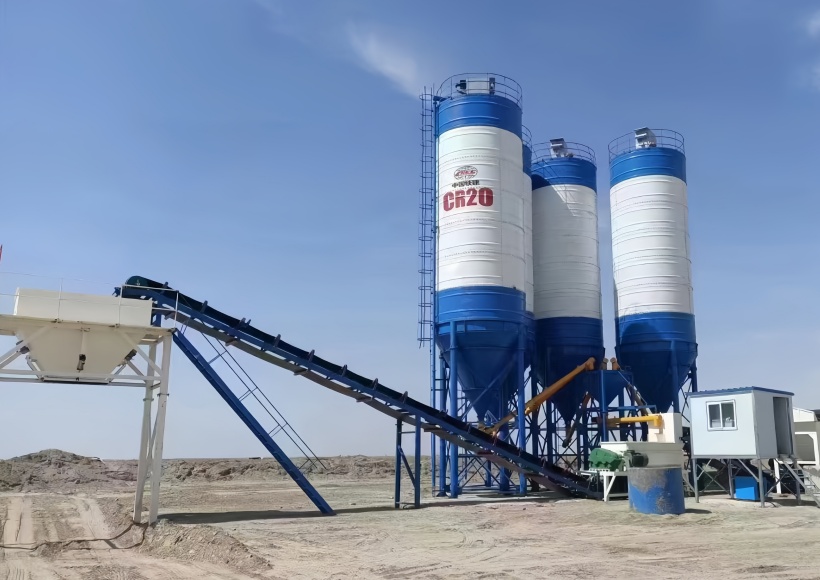
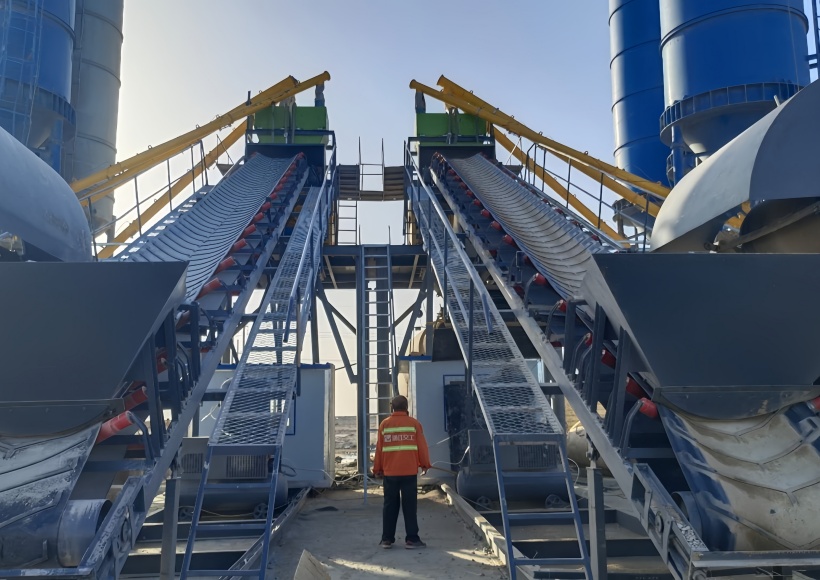
Mobile plants are great for specific, massive construction companies that land isolated highway contracts and need to produce concrete on-site for a few years. But if you want to build a generational, localized business? You go stationary. A permanent, heavy-duty stationary concrete batching plant gives you the immense output capacity required to handle peak demand when the summer building season hits hard. Stationary batching plants require a massive total investment upfront, but the return on investment is what builds empires.
Site Preparation: Where Profit Margins Are Won or Lost
Do not even look at equipment catalogs until you have secured the right land. Finding the right plant location is brutal.
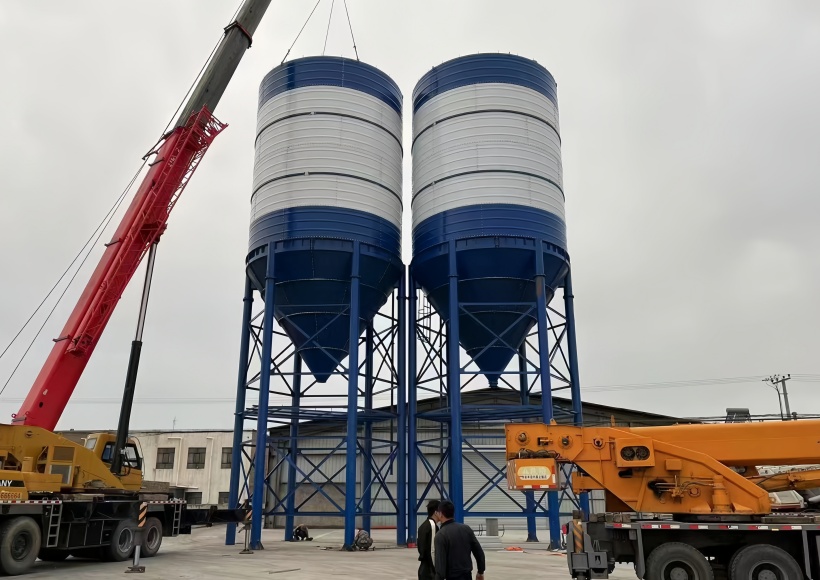
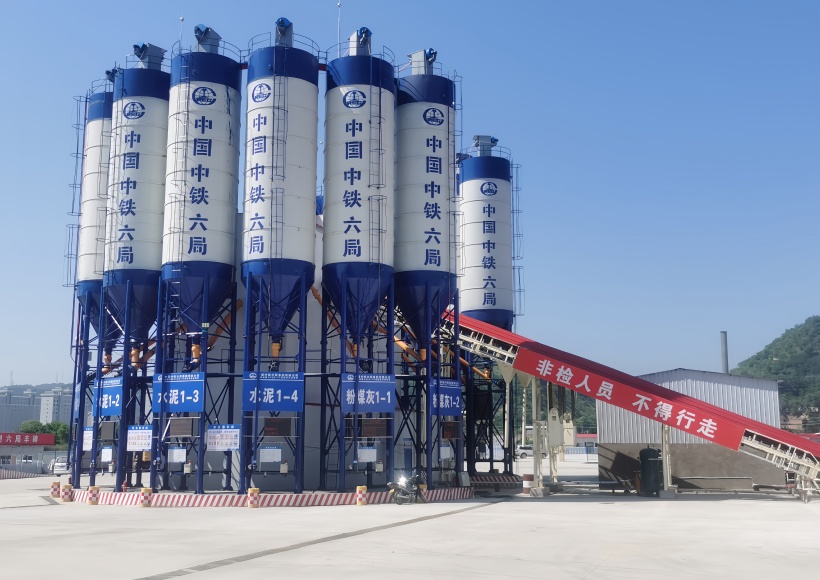
You need acreage. A cramped local batch plant is a logistical nightmare. Mixer truck drivers need massive turning radiuses. You have to accommodate multi-story silos, sprawling aggregate bunkers, and a dedicated dispatch office.
Zoning, Neighbors, and the City Council
Here is the ugly truth about site preparation. Nobody wants an rmc plant in their backyard.
Concrete production is loud. It kicks up abrasive dust. It brings a constant parade of heavy diesel traffic. You will fight local zoning boards. You must prove that your operation won’t destroy the local infrastructure.
Beyond the noise, you have to engineer a serious washout zone. When a mixer returns from a job site, the driver has to clean the drum. That highly alkaline waste disposal process is strictly monitored by the EPA. You need specialized settling ponds to capture that grey water. You might even invest in reclaimers to separate the usable sand back out, drastically reducing waste over the year. Careful planning here saves you from devastating fines later.
Procuring the Right Equipment Without Going Broke
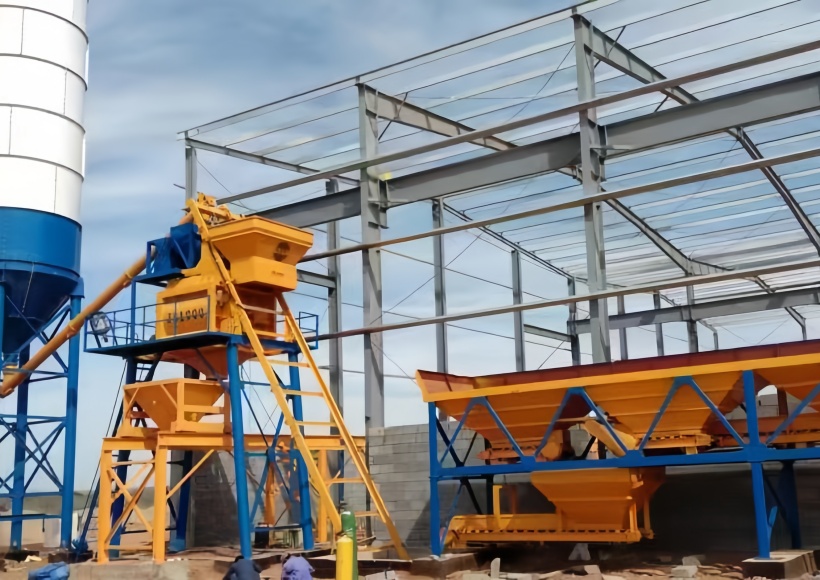
This is where your bank account takes the biggest hit. The mechanical heart of your operation—the concrete mixer itself—has to be bulletproof.
When a facility breaks down mid-morning, contractors are left standing around empty forms. They will drop you as a supplier by noon. You cannot afford cheap hardware. This is why seasoned concrete producers constantly rely on heavy-duty Ready Mix Concrete Equipment engineered by industry veterans like Tongxin Inji to keep the drums spinning. You need thick steel, oversized gearboxes, and motors that don’t overheat when pushing stiff, low-slump mixes.
The Power of Automated Systems
Manual batching is dead. If you have a guy pulling levers and guessing the moisture content of the sand, your concrete quality will be entirely unpredictable.
Today’s high-performance concrete demands precision. Modern automated systems use microwave sensors inside the aggregate bins to detect exactly how wet the sand is after a rainstorm. The computer then instantly recalculates the amount of water added to the main mixer. Upgrading your yard with top-tier Ready Mix Concrete Equipment from Tongxin Inji isn’t just a luxury; it removes human error entirely. When structural engineers demand specific concrete mixes for a high-rise foundation, your automated software ensures you hit those exact weights, every single batch.
The Raw Materials Game: It’s All Chemistry
You aren’t just selling grey sludge. You are manufacturing liquid stone. The raw materials you stockpile dictate your reputation on the street.
Cement and Aggregate Logistics
Cement is the most expensive thing on your lot. It’s the binder. You will store it in massive, airtight silos. Even a tiny pinhole leak that lets morning dew inside can ruin thousands of dollars of inventory.
Then you have your aggregate. This is the sand, the crushed stone, the gravel. These need to be separated by strict physical barriers. If your loader operator accidentally dumps an oversized rock into your fine sand bin, the mix cement ratio gets thrown off, and the slab will crack a month later. Feeding these materials accurately is essential equipment management.
The Magic of Additives
Sometimes, contractors need the material to cure incredibly fast because a winter storm is rolling in. Other times, they need it to stay wet for three hours while sitting in traffic.
This is where the chemical additive comes into play. Accelerators, retarders, and water-reducers change the fundamental behavior of the ready mix. Air-entraining chemicals create microscopic bubbles inside the paste, allowing a driveway to freeze and thaw without shattering in the winter. Mastering these chemicals separates the amateurs from the pros.
Quality Control Standards That Actually Matter
If you want long-term success, your quality control has to be ruthless.
The guidelines set by the National Ready Mixed Concrete Association aren’t just polite suggestions. They are the legal baseline for keeping your doors open. Every reputable ready mix concrete plant has a dedicated technician pulling samples all day long.
They run slump tests on the wet material to measure how well it flows. They check the air content. Then, they cast sample cylinders, cure them in water baths, and literally crush them in hydraulic presses weeks later to prove the mix hit the required PSI. Consistent concrete isn’t an accident. It’s the result of militant testing. If you deliver weak ready-mixed product to a commercial job site, the inspector will reject the load, and you eat the cost of the materials and the trucking.
Dispatch Operations and Truck Fleets
Your plant can produce the best material in the state, but if it sits in the yard, it’s useless.
A high-quality concrete plant lives and dies by its dispatch room. Coordinating large batches to arrive precisely when the contractor’s pump truck is ready is a wildly stressful job. Timely delivery is everything.
Mixer truck fleets are incredibly expensive to buy, insure, and maintain. GPS tracking software is mandatory. You need to know if a truck is stuck in traffic or if it’s pouring out its cubic yards smoothly at the site. A good dispatcher anticipates traffic patterns, adjusts the batch schedule, and keeps the fleet moving like clockwork.
The Brutal Reality of Regular Maintenance
Concrete dust is abrasive, corrosive, and gets into absolutely everything. It will destroy your sensors, clog your pneumatic lines, and eat through conveyor belts.
You need experienced professionals dedicated solely to maintaining the facility. Crews have to constantly grease bearings and chip away hardened buildup inside the mixing drums with jackhammers. It is nasty, difficult work.
This is exactly why smart operators choose to source their core Ready Mix Concrete Equipment directly through Tongxin Inji. When you buy machinery built specifically to withstand abrasive environments, you spend less time replacing broken parts and more time loading trucks. Consistent quality is directly tied to how well you maintain your iron.
Running a batch plant is tough. It requires massive capital, thick skin, and a total obsession with logistics. But if you lock down your site, invest in the right gear, and refuse to compromise on quality, you will build an unstoppable business in the construction sector.
Tambayoyi da ake yawan yi (FAQ)
What is the absolute minimum land required for a new setup?
I wouldn’t touch a piece of land under two acres. You desperately need room for separate material stockpiles, towering silos, the environmental washout ponds, and enough paved space for heavy trucks to maneuver safely. Tight spaces cause accidents.
Where do new operators usually bleed the most cash?
The delivery fleet, hands down. Guys focus all their money on the stationary plant itself and forget that buying, fueling, insuring, and constantly repairing heavy-duty mixer trucks will absolutely drain your startup capital if you don’t budget for it.
Can I run the whole operation with just two or three guys?
No chance. While the computers handle the actual batching, you still need a loader operator to feed the bins, a highly organized dispatcher, a quality control tester, and maintenance staff. Running lean usually leads to catastrophic equipment failures.
How do you keep producing material when winter hits and things freeze?
You have to spend heavy on winterizing. That means installing massive industrial water boilers and running steam pipes directly through your aggregate hoppers. If you try to mix frozen chunks of sand into a batch, the concrete will fail on the job.
Can we actually recycle the leftover mud when trucks come back?
Yes. You buy a mechanical reclaimer. It washes the returning trucks and separates the clean sand and gravel from the grey slurry water. You can actually reuse that specific water for tomorrow’s batches, which completely slashes your environmental waste fees.