
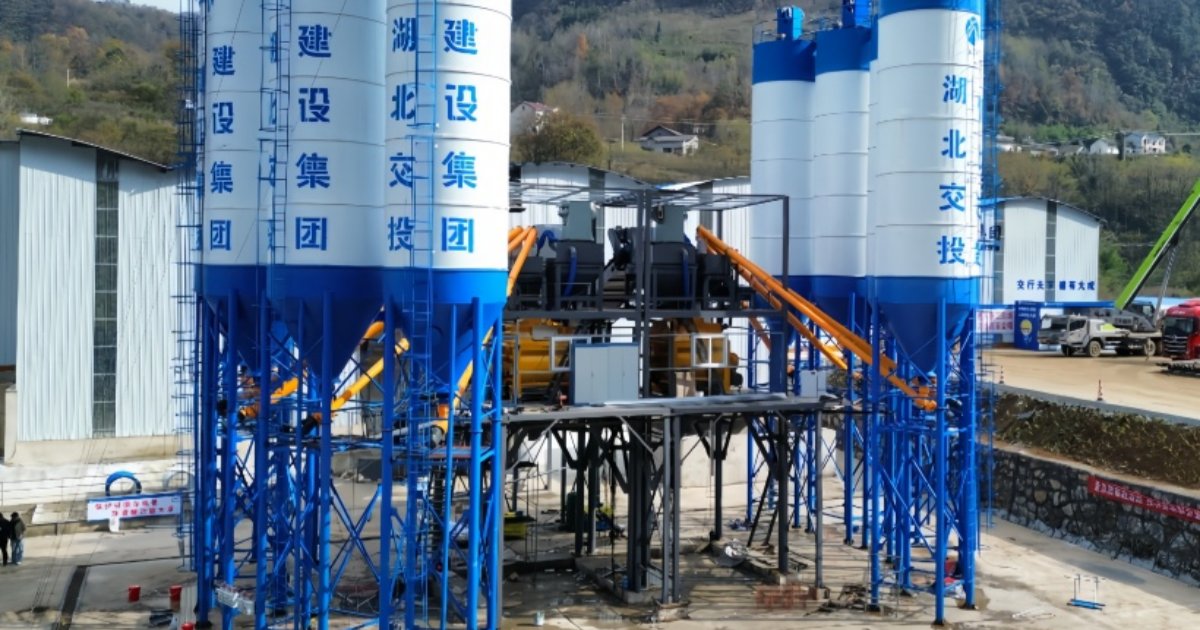
Overview of Core Parameters
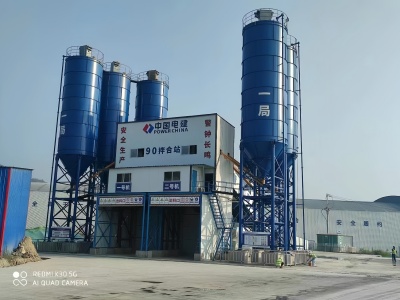
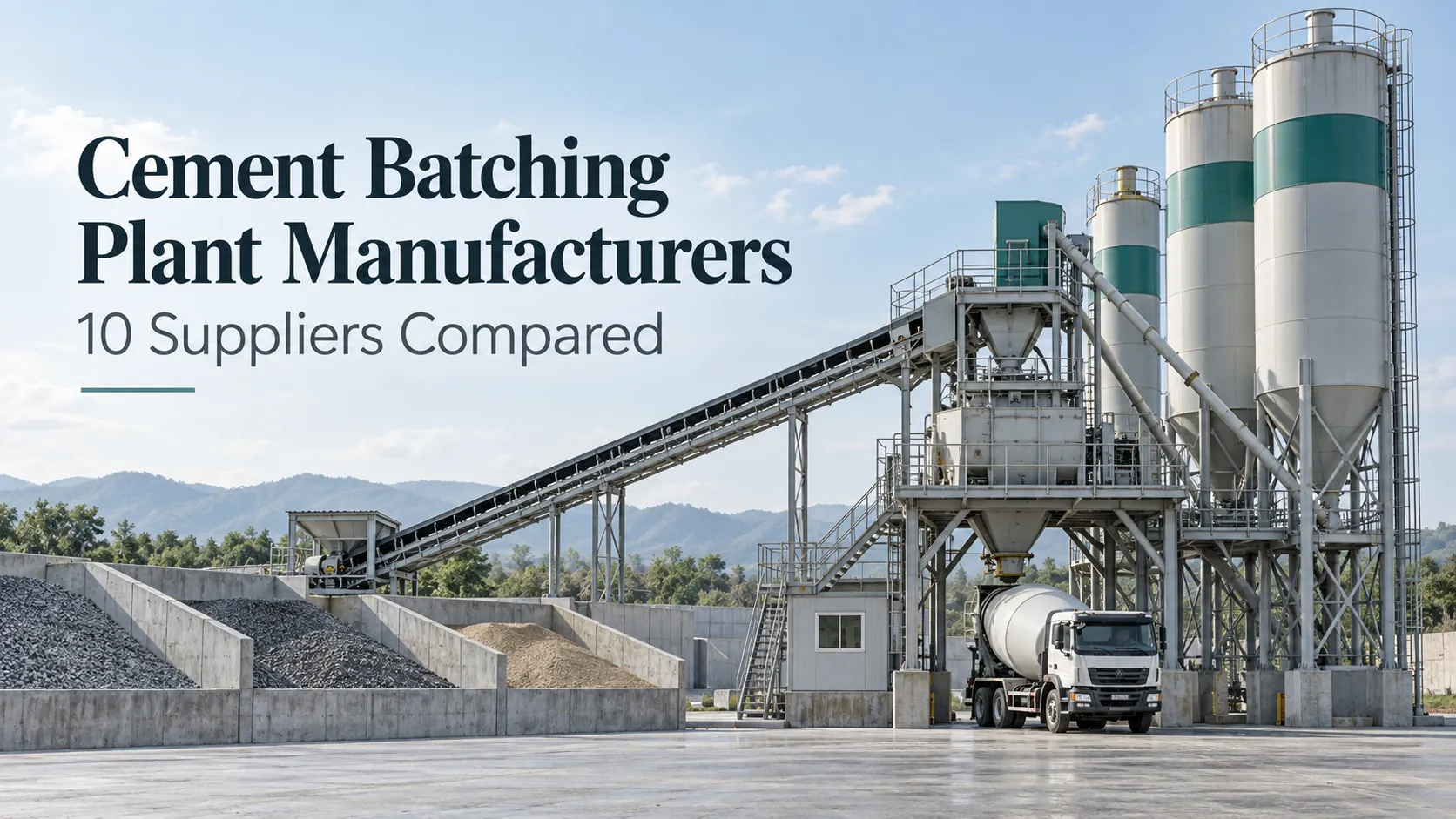
HZS120 concrete batching plant configuration consists of PLD2400 aggregate batching machine, JS2000 twin-shaft forced mixer, cement supply system and central PLC control system. This complete stationary mixing station provides a theoretical production capacity of 120m³/h for commercial ready-mix concrete, highway, bridge and precast component construction projects.
The HZS120 concrete batching plant parameters and configuration from Tongxin Machinery meet the needs of medium and large concrete production projects.This page covers the complete HZS120 concrete batching plant parameters and configuration.The HZS120 concrete batching plant is a highly efficient and automated production unit with a theoretical output of 120 m³/h. It is suitable for medium-to-large commercial concrete plants, construction projects, and precast component production. Below are its core technical parameters:
Core Parameters and Configuration of HZS120 Concrete Batching Plant
The HZS120 concrete batching plant is a highly‑efficient and fully‑automatic concrete production equipment, with a theoretical production capacity of 120 m³ per hour. It is widely applied in medium‑and‑large commercial concrete batching stations, building construction projects and precast component manufacturing.
Every technical indicator listed in the table below belongs to the standard HZS120 concrete batching plant configuration, complying with GB/T 9142 industry standard for concrete mixing machinery.
Basic Performance Indicators
| Item | Specification | Remarks |
|---|---|---|
| Theoretical Output | 120 m³/h | 2 m³ per batch, 60‑second mixing cycle |
| Mixing Host | JS2000 Twin‑shaft Forced Mixer | Power: 2×37 kW |
| Batcher Model | PLD3200 | Four‑bin independent weighing, aggregate total accuracy ±2% |
| Discharge Height | 4.2 m | Compatible with various concrete transit mixers |
| Total Installed Power | Approx. 230 kW | Including belt conveyor, screw conveyors and auxiliary units |
Weighing System (Compliant with GB/T 9142)
| Material | Weighing Range | Weighing Accuracy |
|---|---|---|
| Aggregate | 0‑3000 kg | ±2% |
| Cement | 0‑3000 kg | ±1% |
| Fly Ash | 0‑3000 kg | ±1% |
| Water | 0‑1500 kg | ±1% |
| Admixture | 0‑50 kg | ±1% |
Accurate multi‑material weighing lays the foundation for stable concrete quality. Independent metering for aggregates, powder, water and admixtures ensures each batch meets design mix requirements, supporting long‑time continuous automatic production of the HZS120 batching plant.
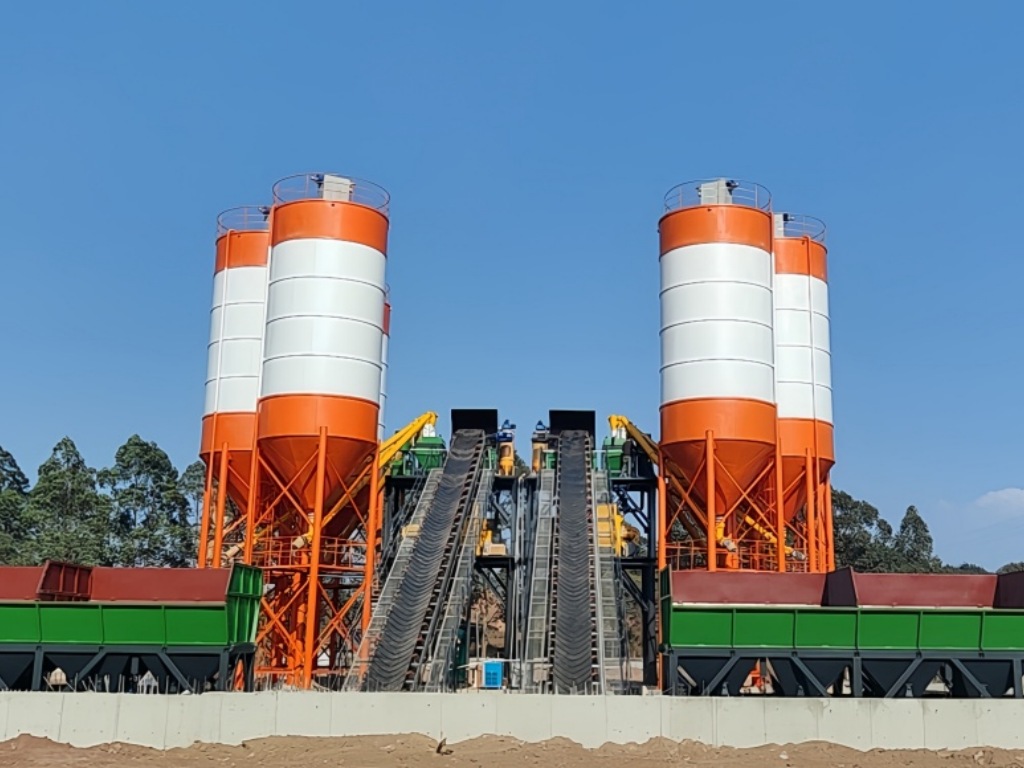
HZS120 Concrete Batching Plant Configuration: Main Components Introduction
This HZS120 concrete batching plant configuration adopts PLD2400 aggregate batching machine and JS2000 twin-shaft mixer to realize stable 120m³/h concrete production.This HZS120 concrete batching plant configuration is designed for stable continuous concrete production.
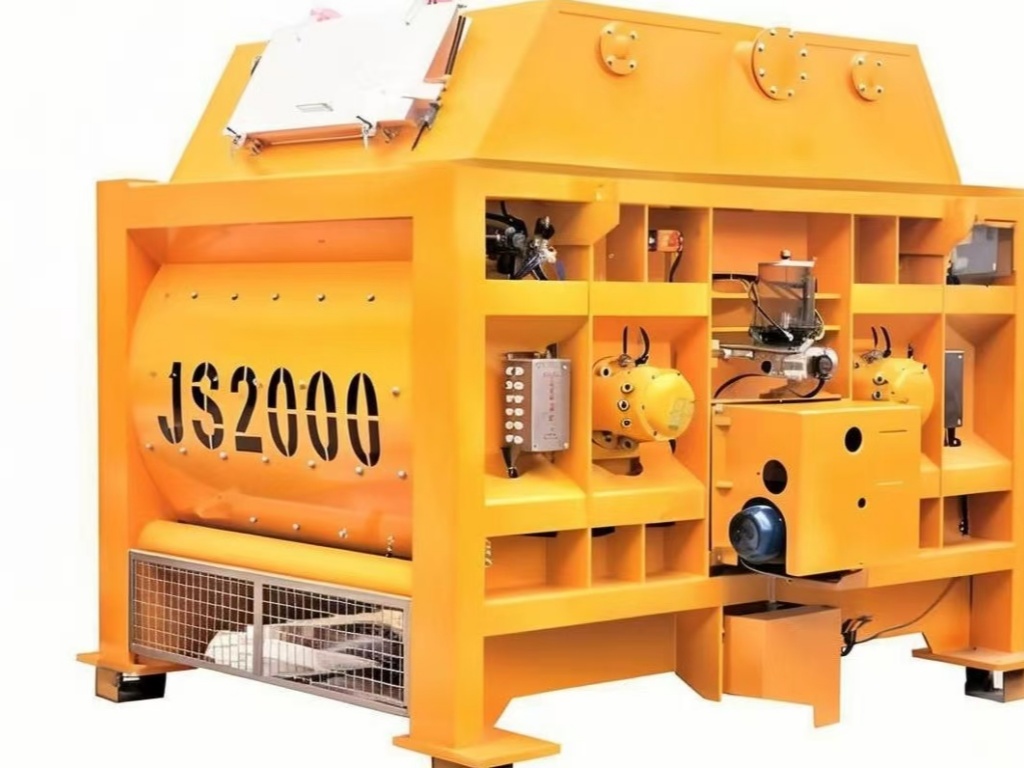
Mixing Unit: JS2000 Forced Twin‑shaft Concrete Mixer
As the heart of the whole station, the JS2000 concrete mixer is the standard host for the HZS120 batching plant.
- Batch Capacity: 2 m³ (approx. 4.8 tons of C30 concrete) per mixing cycle
- Mixing Time: 25–35 seconds (adjustable based on concrete mix ratio), realizing thorough homogenization for high‑strength, dry‑hard or road‑grade concrete
- Liner Service Life: 150,000–200,000 m³ of produced concrete. Wear‑resistant alloy liners cut maintenance frequency and extend the equipment’s service cycle.
Powered by dual‑rotor forced shearing action, this mixer keeps consistent concrete quality under continuous heavy‑load production, avoiding uneven mixing risks for large‑volume jobsites.
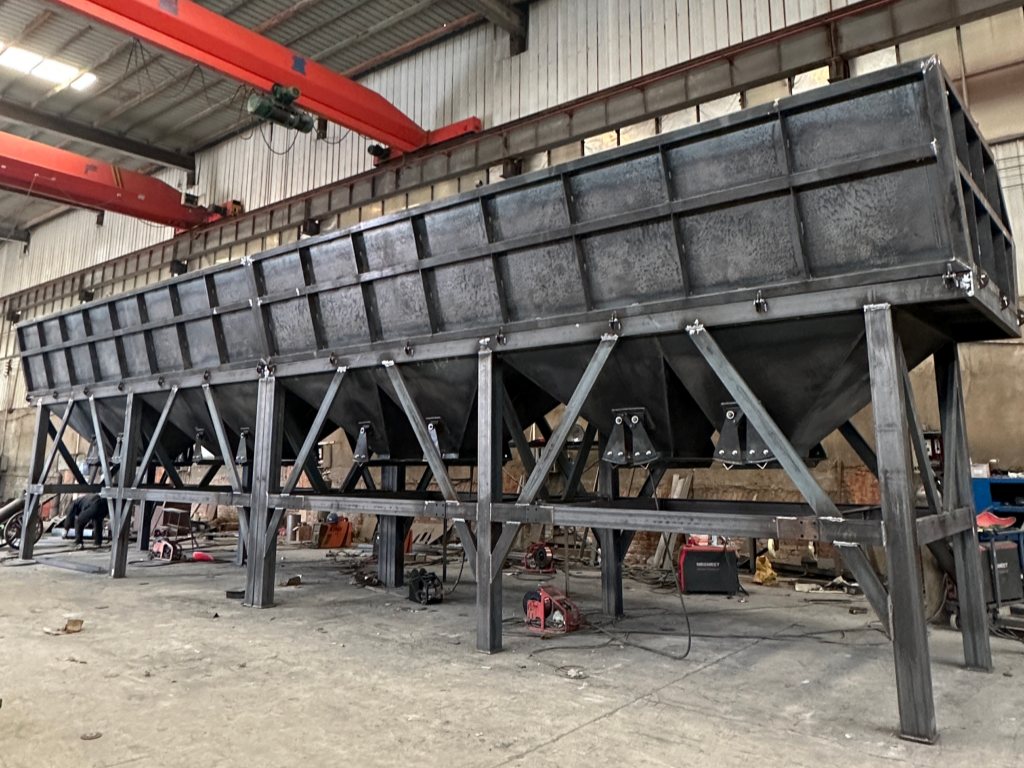
PLD3200 Concrete Batching Machine | Aggregate Feeding System
The aggregate feeding system adopts the PLD3200 concrete batching machine, which is responsible for the storage, weighing and conveying of sand, gravel and crushed stone, laying a solid foundation for accurate concrete proportioning. It generally consists of multi-compartment aggregate bins, independent weighing hoppers and belt conveyor units.
Raw aggregates of different particle sizes are stored separately in different bins. High-precision automatic metering is realized by load cells. After weighing by the PLD2400 batching machine, qualified aggregates are delivered through the sealed belt conveyor into the mixing chamber of the JS2000 mixer for mixing. The entire workflow is automatically controlled by the central PLC control system.
The well-matched bin capacity and conveyor speed of the PLD2400 batching machine ensure continuous raw material supply and prevent production shutdowns caused by material shortage. Reliable aggregate supply effectively reduces batching deviation and stabilizes the compressive strength of finished concrete.
Working in coordination with the JS2000 mixer, the PLD2400 concrete batching machine enables the HZS120 concrete batching plant to deliver consistent, high-efficiency concrete output. It is widely applied in highway, bridge construction and commercial ready-mix concrete batching plants.One core advantage of the HZS120 concrete batching plant configuration lies in good coordination between the JS2000 mixer and aggregate feeding subsystem to realize consistent batch‑to‑batch concrete quality.
Powder Storage and Conveying for HZS120 Concrete Batching Plant
The powder storage and conveying module handles bulk cement, fly ash and other powdered raw materials, playing a vital role in stable, continuous production for the HZS120 batching plant. This subsystem consists of modular cement silos, matched screw conveyors and integrated dust‑removal facilities.
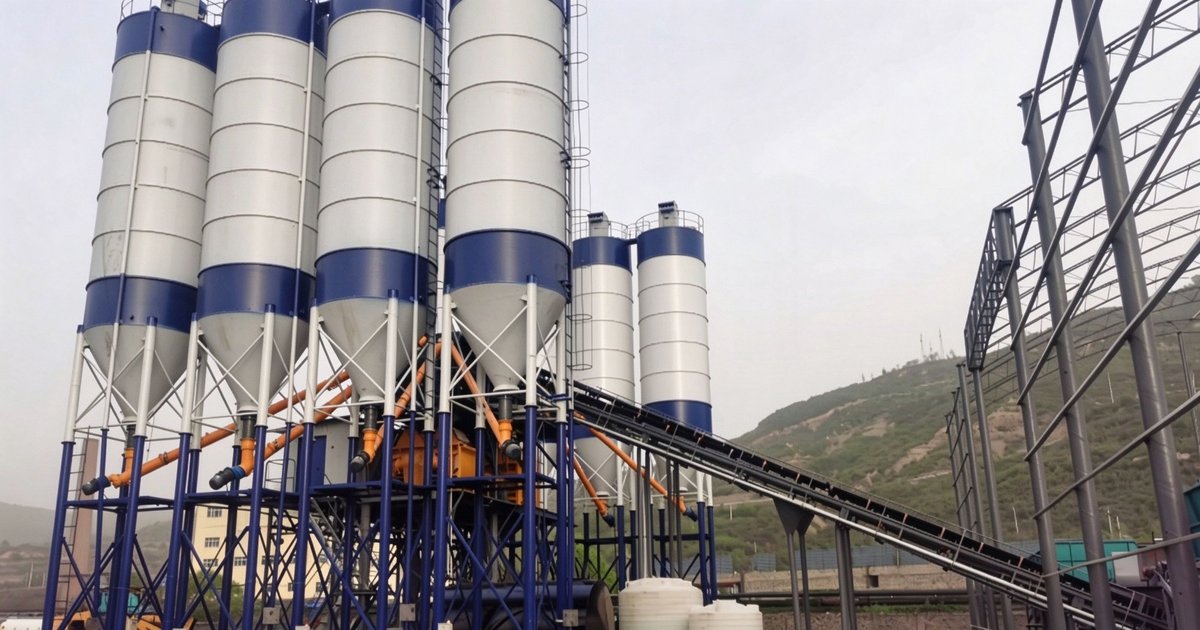
Cement Silo Configuration The standard setup adopts 4 × 100 t bolted flake‑type cement silos. For projects with higher raw‑material consumption, 150 t or 200 t silos are available as optional upgrades. These modular silos deliver reliable sealed storage for cement and fly ash, fitted with level meters and arch‑breaking devices to avoid material bridging inside the bins.
Screw Conveyor Matching Two sizes of LSY tubular screw conveyors are deployed for differentiated powder transportation. The Φ273 mm screw conveyor is dedicated for cement feeding, while the Φ219 mm unit transports fly ash. Featuring fully‑enclosed tubular structures, they prevent material leakage and guarantee steady, precise powder delivery from silos to the weighing hopper.
Dust‑Removal Performance A pulse‑jet dust‑removal system is equipped for the whole powder processing section. It keeps dust concentration below 20 mg/m³ at emission points, satisfying strict environmental‑protection requirements for jobsites.
Well‑coordinated silo storage, screw transportation and pulse‑jet dust collection ensure accurate powder batching, reduce material waste, and support long‑hour stable operation of the full HZS120 batching plant.
Belt Conveyor System of the HZS120 Concrete Batching Plant
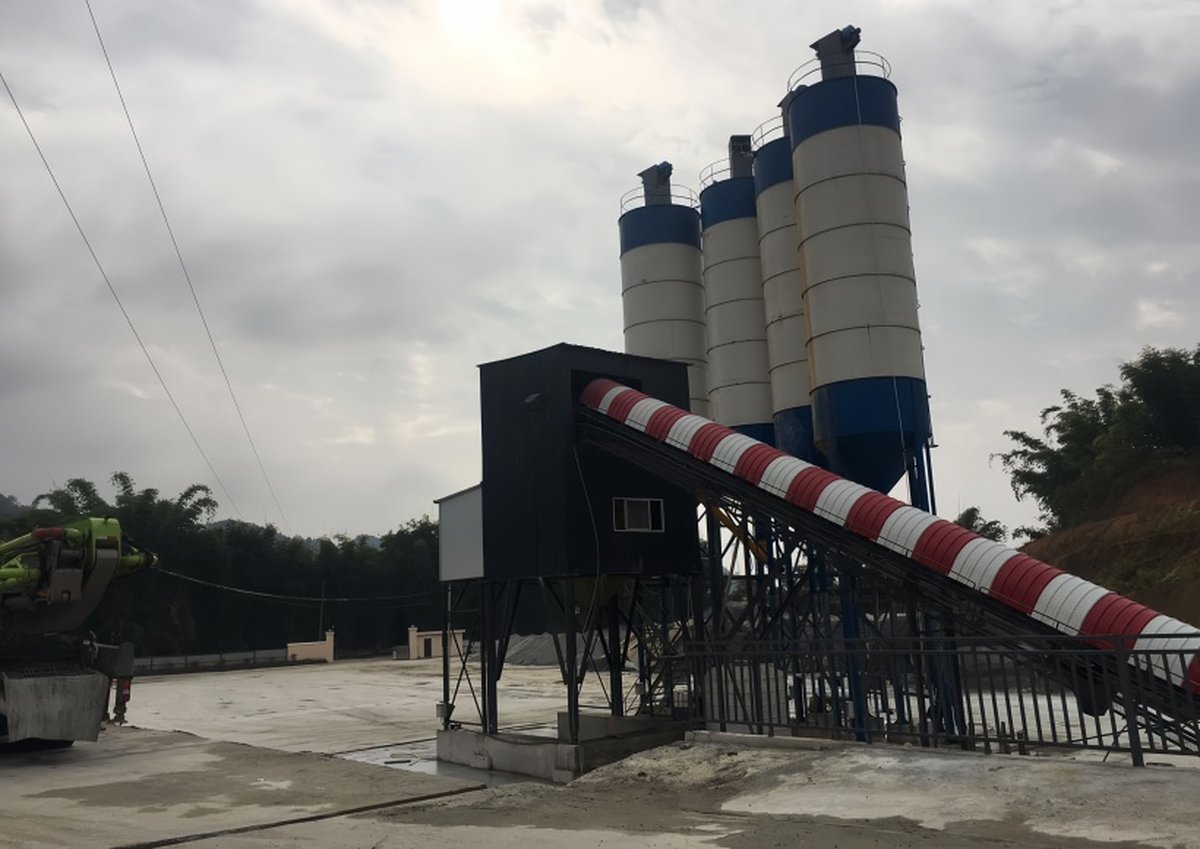
The belt conveyor system serves as the main raw material delivery channel for the HZS120 concrete batching plant, responsible for transporting measured aggregates including sand, gravel and crushed stone from the aggregate batching bin to the JS2000 twin-shaft mixer. It is an indispensable part to guarantee continuous high-volume production of the whole batching plant.
Designed for heavy-duty continuous operation, the belt conveyor adopts a sealed frame structure to reduce material spillage and dust emission during transportation. The high-strength rubber belt runs on wear-resistant rollers, ensuring stable running and low noise even under long-hour working conditions. The driving unit is equipped with overload protection to stop operation automatically in case of blockage or overloading, protecting the conveyor and other connected equipment.
In the automatic production workflow, once the aggregate weighing procedure finishes, the belt conveyor starts to feed materials at a matched speed. Its feeding rate synchronizes with the mixing cycle of the JS2000 mixer, avoiding material accumulation or supply interruption.
The whole conveyor system features easy maintenance. Replaceable rollers and belt sections help cut downtime on construction sites. With reliable feeding performance, the belt conveyor supports the HZS120 batching plant to reach its theoretical hourly output of 120 cubic meters of concrete, suitable for large infrastructure, commercial concrete and precast construction projects.
Pneumatic System Components for HZS120 Concrete Batching Plant
The pneumatic system provides power for all pneumatic actuators across the HZS120 concrete batching plant, controlling opening and closing of discharge gates, butterfly valves and dust cleaning mechanisms. It is an essential auxiliary subsystem to guarantee smooth and automatic plant operation.
The system is equipped with a screw air compressor as the core air source unit. Compared with piston compressors, the screw type delivers stable continuous air flow, low vibration and low noise, which perfectly meets the long-hour working requirement of concrete batching operations.
Dual air storage tanks are configured to stabilize air pressure. The double-tank design buffers pressure fluctuations, stores standby compressed air and removes partial water and oil impurities. This ensures steady air pressure output even when multiple pneumatic valves act simultaneously, preventing delayed valve action caused by insufficient air supply.
Matching air treatment components such as air filters and pressure regulators are fitted to clean compressed air and maintain rated working pressure. Clean dry air protects pneumatic cylinders and valves from wear and blockage, reducing maintenance frequency and extending service life of pneumatic parts.
With screw air compressor and dual air storage tanks, the pneumatic system offers dependable power for all pneumatic actions of the HZS120 batching plant. It supports fast and accurate valve movements, coordinates with the control system and keeps the whole batching process running reliably.
Control System for the HZS120 Concrete Batching Plant
The control system acts as the brain of the HZS120 concrete batching plant, governing the whole automatic batching, weighing, feeding and mixing workflow. It adopts electrical components from internationally renowned brands, paired with advanced control software developed in China, to deliver stable, precise and intelligent operation.
The core hardware uses world-class electrical parts to ensure strong anti-interference ability and long service life under harsh construction-site environments. These premium components reduce electrical failures and guarantee continuous operation for round-the-clock concrete production.
Powered by advanced domestic control software, the system supports fully automatic, semi-automatic and manual operation modes to adapt to different site demands. One standout feature is automatic drop compensation. During aggregate and powder weighing, the software can continuously calculate and correct the material fall value in real time. This function minimizes weighing errors caused by material free fall, greatly improving batching accuracy and stabilizing the quality of finished concrete.
The human-machine interface displays real-time production data, including formula parameters, material consumption, running status and fault alerts. Operators can quickly adjust concrete formulas, check production logs and locate equipment faults directly on the screen.
Combining reliable international electrical hardware and intelligent Chinese control software, this control system simplifies operation, lowers reliance on skilled workers, and maintains the high-efficiency production capacity of the HZS120 batching plant for commercial concrete, highway, bridge and large infrastructure projects.
Actual production capacity of the HZS120 concrete Batching plant
The real‑site output you can achieve depends heavily on how well your HZS120 concrete batching plant configuration matches on‑site transport vehicles, loader efficiency and working conditions.
Theoretical vs. Actual Output
| Indicator | Value |
| Theoretical Output | 120m³/h(60batches×2m³) |
| Actual Output | 84-96m³/h(70%-80%efficiency) |
Factors Affecting Output
The HZS120 concrete batching plant is named after its theoretical output: it produces 2 cubic meters of concrete per batch and can complete up to 60 mixing cycles per hour under ideal laboratory conditions. This gives a theoretical hourly capacity of 120 m³. However, the actual on-site production capacity is always lower than this figure due to multiple practical limiting factors.
The mixer can hardly run at full continuous load in real construction scenarios. One major factor is the waiting time for concrete transit vehicles. Trucks need to drive into the loading position, position accurately, receive concrete and then depart. These vehicle entry and exit intervals interrupt the continuous mixing cycle and create idle time for the mixer.
Other influencing factors include the operator’s proficiency level. Skilled workers can complete formula adjustment, equipment inspection and fault handling faster, while inexperienced operators may extend preparation time. In addition, the efficiency of wheel loader feeding also affects the overall rhythm. Delays in aggregate supply from the loader will hold up weighing and batching steps and slow down the whole production sequence.
Under normal and stable site conditions, the actual output typically ranges from 90 to 100 cubic meters per hour. By upgrading the configuration of the HZS120 concrete batching plant, optimizing site layout, employing well-trained operators, and ensuring that the capacity of loading and transport vehicles is well-matched, the gap between actual output and theoretical capacity can be narrowed, thereby maximizing the operational efficiency of the batching plant.
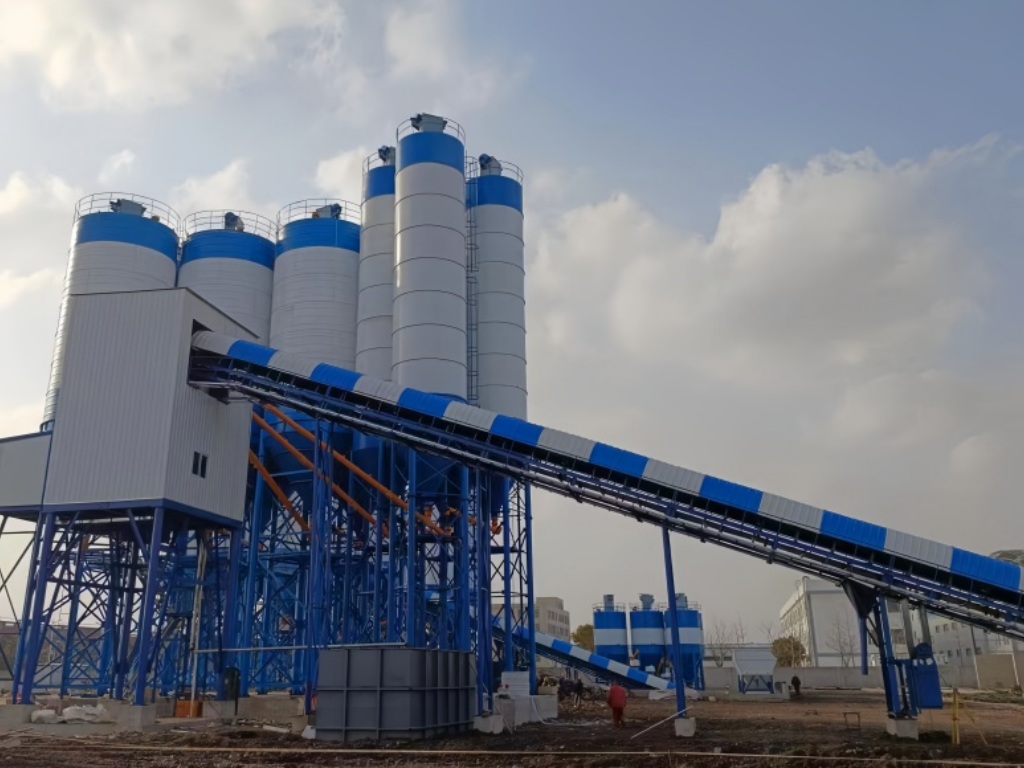
Comparison of the HZS120 Concrete Batching Plant with HZS90 and HZS180 Models
| Model | Batch Capacity | Theoretical Output | Applicable Scale |
| HZS90 | 1.5m³ | 90m³/h | Small to medium projects |
| HZS120 | 2m³ | 120m³/h | Medium commercial plants (large projects) |
| HZS180 | 3m³ | 180m³/h | Medium commercial plants (large projects) |
Frequently Asked Questions
What is the footprint of the HZS120 plant?
– Linear layout: ≈55 m × 20 m (includes aggregate storage, host, control room)
– Compact design: Reducible to 45 m × 20 m (elevated batching storage, shorter conveyor)
Customers can customize the HZS120 concrete batching plant configuration according to site conditions.
What is the service life of the JS2000 mixer?
- Key component lifespan:
- Liners/blades: 150,000–200,000 m³
- Reducer: 5–8 years (regular oil changes)
- Motor: 10+ years (IP54 protection)
How to increase the output of HZS120?
- Install waiting hopper (reduces cycle time by 5–8 seconds)
- Use high-capacity transport vehicles to reduce frequency
- Add screening for regions with inconsistent aggregate size
Maintenance of the HZS120 Concrete Batching Plant
Regular maintenance is critical to extend the service life of the HZS120 concrete batching plant, reduce unexpected breakdowns and keep stable concrete batching accuracy. A tiered maintenance schedule including daily checks, weekly maintenance and quarterly servicing is recommended for on-site operation.
Daily Checks
Daily inspection must be carried out before starting each shift. Operators need to examine the wear condition of mixing blades. Adjustment is required once the gap between blades and the liner exceeds 5 mm to avoid incomplete mixing and excessive liner abrasion. Check the belt conveyor alignment to prevent belt deviation, material spillage and premature belt damage. In addition, inspect the electric oil pump for clogging, which may lead to poor lubrication and damage to moving components.
Weekly Maintenance
Weekly maintenance focuses on precision and wearing parts. Calibrate weighing sensors to guarantee batching accuracy, which directly decides the consistency of concrete strength. Carry out comprehensive inspection on rollers and conveyor belts, checking for cracks, surface abrasion and loose fasteners. Timely replacement of severely worn parts can avoid sudden shutdown during continuous production.
Quarterly Servicing
Quarterly deep servicing targets transmission and electrical systems. Replace gear oil inside reducers to maintain good lubrication of gear sets and reduce friction heat and wear. Check wiring inside the electrical cabinet for aging, looseness or dust accumulation. Clean dusty terminals and replace aging cables to lower risks of short circuit and electrical failure.
Following this standard maintenance routine helps keep the HZS120 plant running reliably, cuts long-term repair costs and ensures stable production performance on construction jobsites.
Conclusion
The HZS120 concrete batching plant configuration delivers a comprehensive and high‑efficiency concrete production solution built from multiple coordinated subsystems, including the JS2000 twin‑shaft mixer, aggregate supply system, powder storage and conveying unit, belt conveyor, control system and pneumatic system.
As a professional manufacturer, Tongxin Machinery designs and manufactures the HZS120 concrete batching plant with mature structural design and reliable configuration. While its theoretical capacity reaches 120 cubic meters per hour, actual site output is affected by truck turnover, operator skill and feeding efficiency. Reasonable understanding of real production performance helps customers arrange transport fleets and construction schedules properly.
Routine layered maintenance, covering daily checks, weekly upkeep and quarterly servicing, is essential to preserve stable operation, maintain weighing precision and extend equipment service life. With international-grade electrical components, intelligent automatic drop compensation and reliable pneumatic power, the HZS120 plant from Tongxin Machinery delivers consistent concrete quality for highways, bridge projects and commercial concrete factories.
When configured, operated and maintained correctly, this batching plant serves as a dependable workhorse for medium-to-large construction projects, balancing high productivity, stable performance and environmental compliance.
Related reading: HZS120 batching plant equipment list · HZS120 vs HZS180 comparison