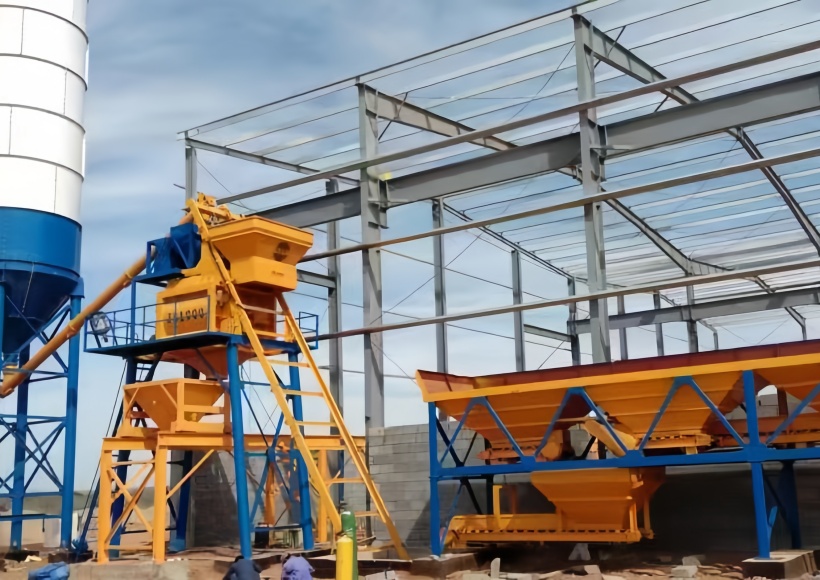









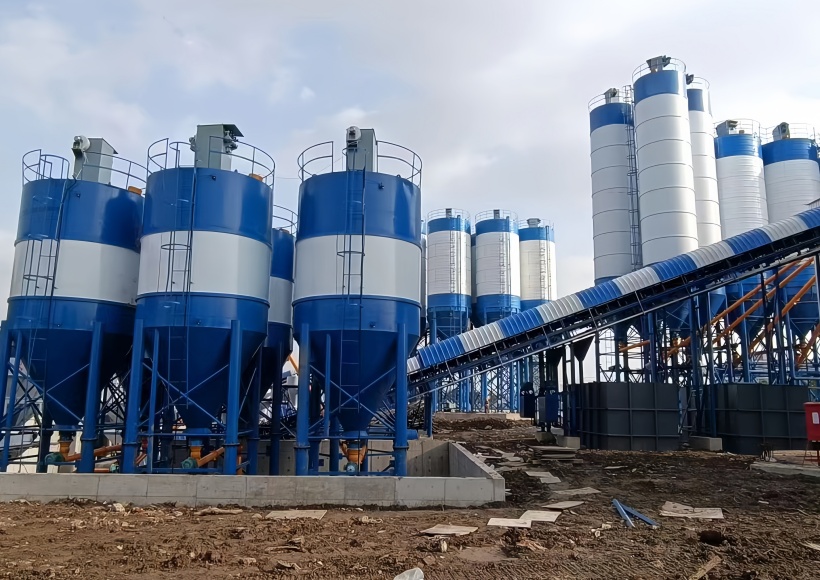
Getting your cement storage wrong is an expensive nightmare on any job site. I have seen massive paving operations grind to a complete halt just because a project manager miscalculated their daily consumption and ran out of material mid-pour. They bought a storage tank based on preference or price alone, completely ignoring bulk density and project scale. Don’t make that mistake. You need a solid, engineered plan. Whether you are outfitting large cement grinding stations or setting up a temporary concrete batching plant for a bridge build, this guide will walk you through exactly how to select the right setup. No textbook fluff here. Just real-world field advice on sizing, safety, and operational flow.
Understanding Your Core Storage Needs
Before you even glance at a spec sheet or call a supplier, you have to nail down exactly what you are storing and where. Powders do not all behave the same way. Fly ash flows differently than finished cement. Slag behaves differently than lime. If you plan to store different materials, you cannot just throw them into any generic bin. You need a main silo that is engineered to match the specific material properties.
Think hard about your local storage conditions. Are you operating in a humid coastal city or a dry, high-altitude mountain pass? This entirely dictates your need for anti-condensation systems and absolute good airtightness. If ambient moisture penetrates the shell, you no longer have a flowing powder. You have a massive, solid concrete block hardening inside your steel silo. That leads to catastrophic downtime and requires workers to physically chip out the blockage. In cold regions, temperature drops cause interior sweating. Here, you must prioritize exterior insulation and active dehumidification to avoid what will inevitably lead to material waste.
Sizing it Up: Determining the Correct Silo Capacity
How do you actually calculate the right numbers? This is the step where inexperienced buyers usually mess up. They guess.
Do not guess. Look strictly at your production data. Let’s say your batch plant runs hard for twelve hours a day. Calculate the exact tons per silo you burn through in that shift. Then, factor in the realities of supply chain delivery schedules. If your pneumatic bulk trucks are delayed by two days due to weather or traffic, do you have enough buffer to keep pouring? Your storage capacity needs to hold at least three to four days of working material to keep project efficiency high.
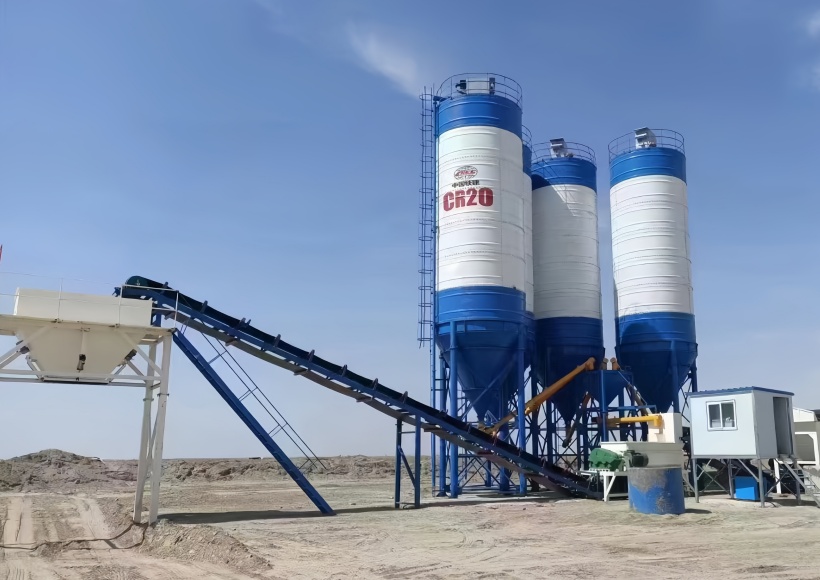
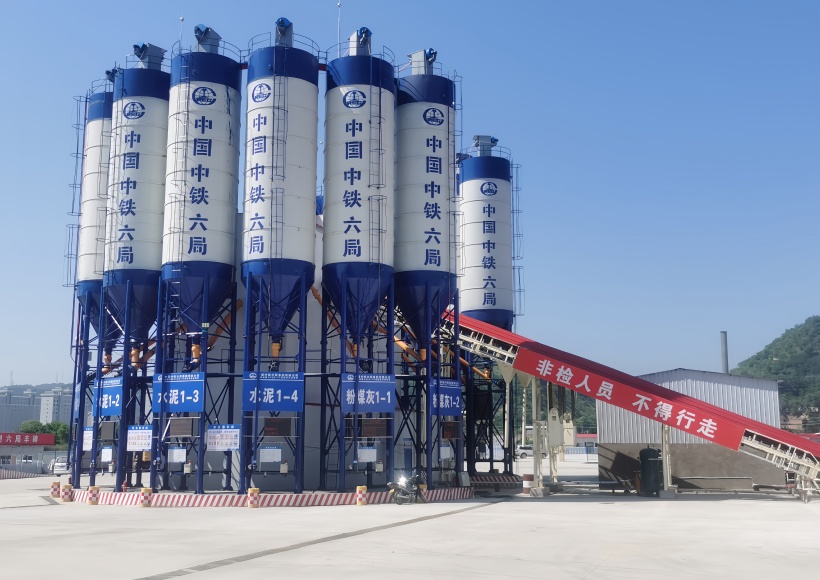
You also have to learn how to choose based on volume, not just weight. This is critical. Fly ash has a lower bulk density than standard portland cement. It takes up more physical space per ton. Squeezing 100 tons of fly ash into a vessel designed for 100 tons of cement simply will not work; it will overflow. You have to size the physical dimensions accordingly. For large jobs, a single silo is rarely enough. A better storage solution often involves multiple silos. Having dedicated fly ash silos parked right next to your main storage gives the batch plant operator the flexibility they need for complex, high-performance mix designs.
Silo Type Breakdown: Bolted, Welded, and Spiral Seam
Let’s dig into the hardware. When comparing silo systems, you are generally looking at three major categories.
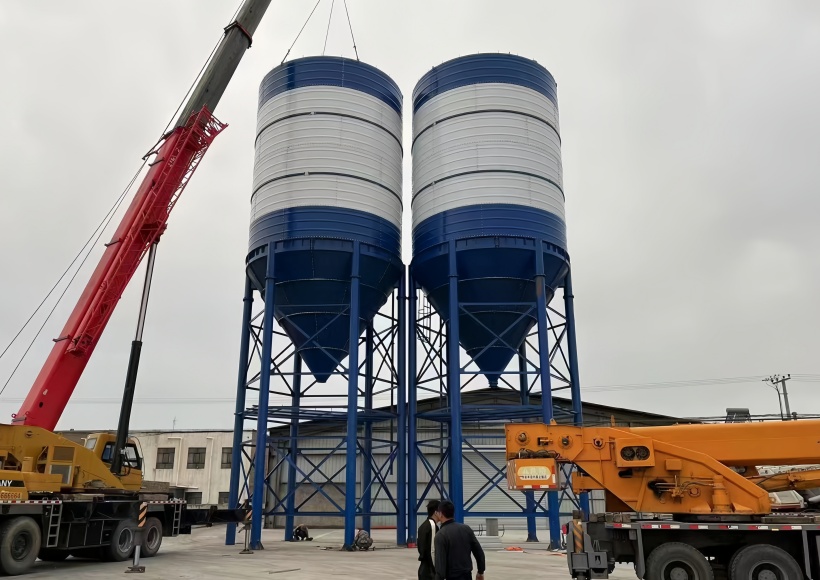
First up is the bolted silo. This is my absolute go-to for remote or temporary sites. They pack flat. You ship the steel plates in standard shipping containers and bolt them together on-site. They use thick steel plates and require a meticulous installation crew to apply industrial mastic between every seam to prevent leakage. If you need a flexible setup for a longer construction period that you will eventually tear down, this is the way to go.
Then you have factory-welded units. These are the tanks you typically see at permanent cement plants. They offer outstanding sealing. Zero leaks, assuming the welds pass inspection. However, transporting a massive welded cylinder down a highway is a massive logistical and permitting headache.
Finally, we are seeing a lot of spiral seam structures on modern sites. These are constructed on the foundation using specialized roll-forming machines that fold the metal edges together. They offer a great balance of speed and durability.
When I consult on facility upgrades, I highly recommend sourcing from manufacturers who actually understand the harsh realities of the field. For example, Tongxin Jentera builds some heavily reinforced structures that can take a beating. A well-engineered cement silo is not just a passive bucket; it is a critical, highly stressed component of your supply chain. You make your silo selection based on whether you need temporary agility or decades-long permanence.
Foundation Bearing Capacity and Structural Safety
Never underestimate the dead weight of these structures. A fully loaded storage tank is incredibly heavy. The foundation bearing capacity of your concrete pad must heavily exceed the maximum loaded weight of the vessel plus all external environmental loads.
Have you calculated the wind and snow loads for your specific county? In some northern areas, heavy snow accumulation on the roof can add tons of downward pressure. High crosswinds exert massive lateral forces on the upright structure. Your silo design must incorporate a heavy-duty stiffener arrangement to handle those dynamic stresses. You might look at welded silos or reinforced spiral designs if you are in a hurricane or typhoon zone. Never cut corners on structural engineering. A collapse is lethal.
Mastering Discharge, Aeration, and Material Flowability
Getting the powder loaded into the top is the easy part. Getting it to flow predictably out of the bottom cone is the real engineering challenge.
When you evaluate a system, look closely at the discharge mechanics. Powders naturally bridge and rat-hole. To fight this, your equipment choices must include a serious look at aeration. An internal aeration pad or nozzle system injects dry, compressed air into the lower cone. This fluidizes the compact powder so it flows out almost like water.
If you skimp on the aeration setup, your operators will be out there banging on the side of the cone with sledgehammers to force the material out. I hate seeing that on a job site. It destroys the exterior coating and fatigues the metal over time. Ensure the discharge valve is an industrial-grade butterfly or rotary unit. It has to seal perfectly to stop moisture creep.
The Total Cost of Ownership
Do not just look at the upfront invoice price. The real financial impact is the total cost of ownership over a decade. A cheap unit will rust fast. Superior corrosion resistance is a non-negotiable requirement. The exterior paint or galvanized coating needs to withstand highly abrasive industrial environments. If it starts rusting at the bolted seams, moisture gets inside.
I always advise buyers to evaluate the true design life. A properly maintained unit should easily operate for fifteen to twenty years. Routine maintenance costs are part of the game. Regular inspections of the bolted connections, replacing the dust collector filter bags on the roof, and testing the pressure relief valves will save you thousands in avoided blowouts. When you partner with an established supplier like Tongxin Jentera, you are paying for peace of mind. They understand exactly how a heavy-duty Cement Silo should be fabricated to withstand thousands of continuous loading and unloading cycles without structural failure.
Optimizing for High-Demand Grinding Stations
When you step up to large-scale industrial operations, the entire game changes. You are no longer just feeding a small mixer. You are managing massive, continuous material flow. Selecting the right cement silo in this scenario usually means specifying a massive welded structure suitable for long-term storage.
These setups require advanced monitoring tech. I am talking about radar level indicators and continuous load cells on the legs. This ensures the control room knows exactly how many tons per silo are sitting on the pad at any given second. This data allows you to completely optimize purchasing and dispatch. It is a highly cost-effective strategy that reduces operational delays to near zero. I have audited high-volume facilities running equipment from Tongxin Jentera that manage this seamlessly. When you configure a modern cement silo with accurate telemetry, it becomes a powerful, active management tool that drives your overall project efficiency. Take the time to evaluate every variable, from capacity to coating, and you will build a facility that runs efficiently for decades.
Soalan Lazim (FAQ)
How do I calculate the exact capacity I need?
Track your daily concrete output volume. Multiply your required daily powder usage by three to four days to create a safe buffer against truck delivery delays. Always calculate your requirements by volume using the specific bulk density of the material, not just its raw weight.
Are bolted or factory-welded structures better?
It depends on your site logistics. Welded units offer zero assembly time and perfect sealing upon arrival. Bolted versions are much cheaper to transport on flatbeds and are ideal for remote locations where you plan to eventually tear down and move the equipment.
Why does powder get stuck in the bottom cone?
You are likely dealing with moisture contamination or insufficient aeration. Powders naturally compact under their own weight. If the internal aeration pads are clogged or your compressor isn’t supplying enough dry air, the material bridges. Always check your incoming air pressure first.
Do I need a custom concrete foundation?
Yes. The concentrated dead weight is massive. A licensed structural engineer must assess your local soil conditions and design a custom reinforced concrete pad. It has to handle the fully loaded weight plus any lateral forces from heavy wind or seismic activity.
What is the realistic lifespan of these storage units?
A well-maintained steel unit can easily operate for twenty years or more. The secret is protecting the exterior coating from rust and religiously servicing the roof-mounted dust collector and pressure relief valves to prevent structural stress during pneumatic filling.