








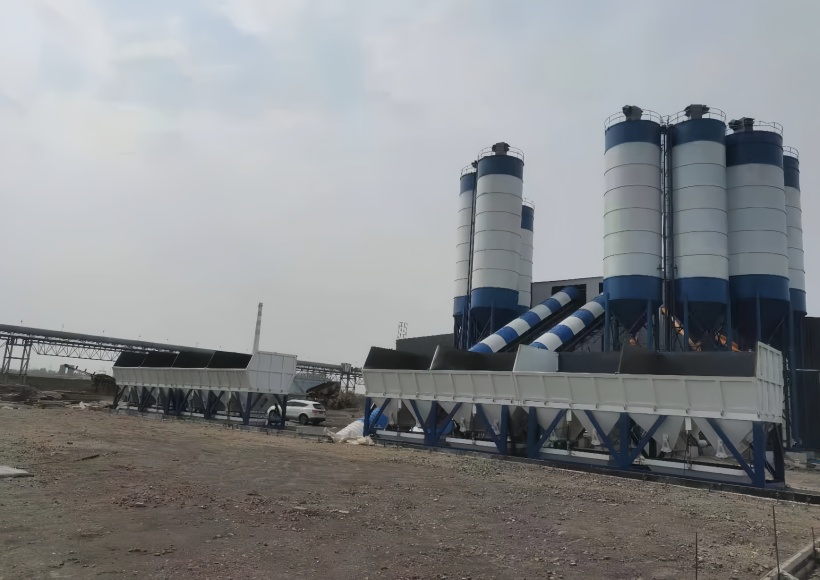
Mud. That’s what this whole industry boils down to at the end of the day. You run out of it? Your construction site dies. The pumps stop, the crews stand around smoking, and you bleed money. Get a bad mix? You’re jackhammering out a week’s worth of labor. Buy a batch plant that’s vastly underpowered, and your mixer trucks just sit there burning diesel waiting for a load. Go too big, and the operational costs bleed your margin dry before the foundation is even poured.
This is the reality of the dirt world. So, how do you choose the right one without getting taken for a ride by equipment salesmen?
This comprehensive guide strips away the shiny brochure jargon. We are looking strictly at the iron, the output, and the bottom line. Whether you are bidding on massive infrastructure projects or setting up a local yard to sell ready-mix concrete, getting the right concrete batch plant is a make-or-break decision. Consider this your complete guide to selecting a concrete batching plant that actually works for a living.
How Does a Batch Plant Work? The Gritty Basics
Let’s skip the academic fluff. What is a concrete plant? Think of it as a massive, hyper-accurate, incredibly violent kitchen.
A plant combines raw material—specifically water, cement, sand, and aggregate like crushed rock or gravel—to produce concrete. The batch plant work cycle relies on a highly sensitive batching system. It weighs everything out according to the specific project needs. A conveyor moves the dry, abrasive stuff up the line. Then, the mixing unit takes over.
Here is the brutal truth: producing high-quality concrete depends entirely on the precision of those load cells and water meters. If your sensors drift by just a few percentage points, your concrete quality tanks. Slump is wrong. Loads get rejected by the site inspector. This beginner’s guide to concrete batching isn’t about theory; it’s about keeping the mix perfectly consistent, batch after batch.
Concrete Batching Plant Types: Match the Iron to the Dirt
You have to match the machinery to the job. Buying blindly guarantees a massive headache. Let’s look at the primary types of concrete batching plants so you can figure out what your site actually needs.
Stationary Concrete Batching Plants
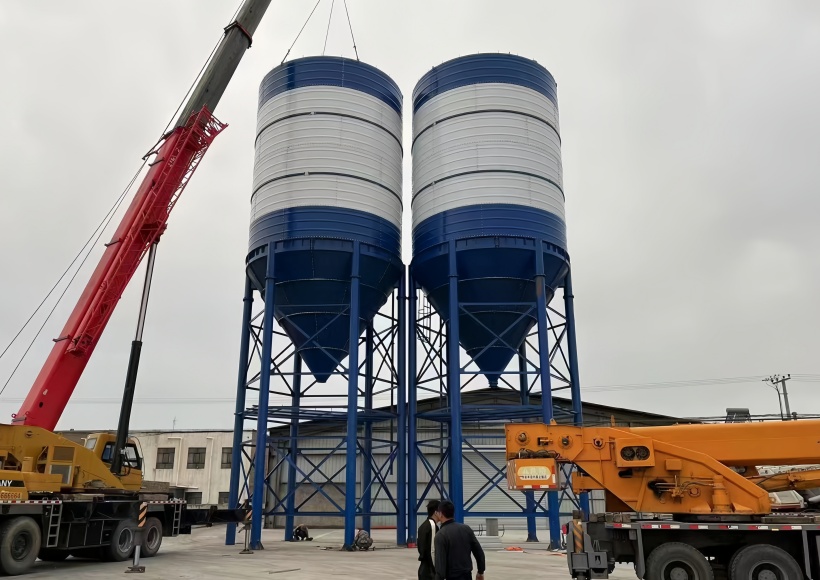
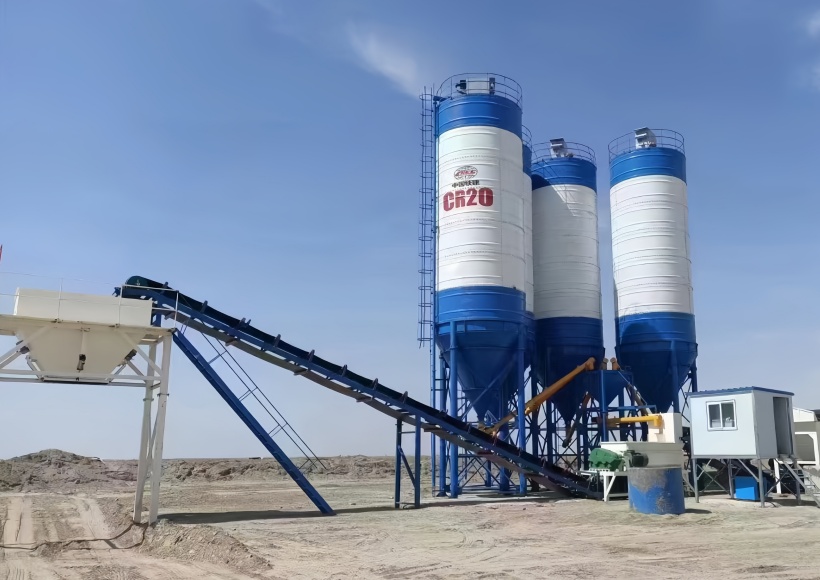
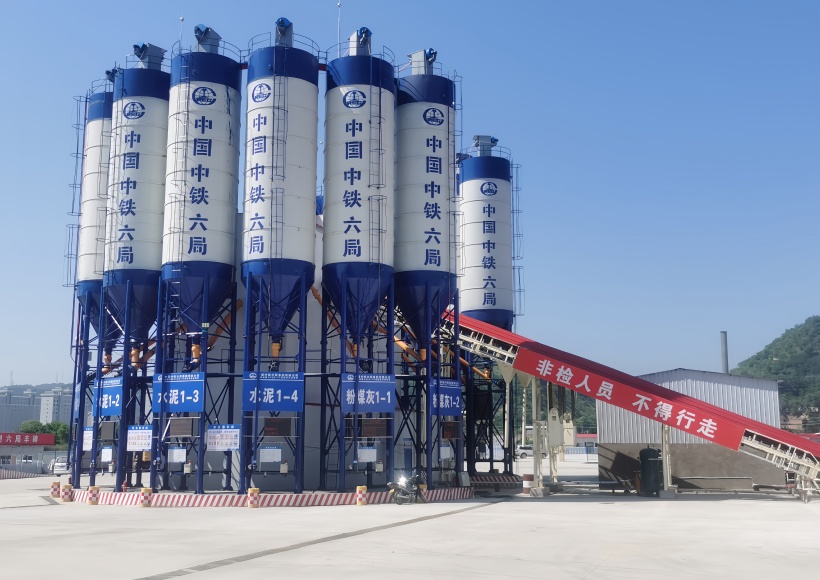
These are the heavyweights. The absolute monsters of the industry. Built purely for large-scale concrete production. If you are setting up a commercial concrete batching plant to supply a sprawling metro area, or you secured a five-year dam project, stationary is your only real move.
- The Good: High efficiency. Insane productivity. They handle massive storage silos and provide a non-stop supply of concrete.
- The Bad: A massive footprint. You need serious, deep concrete foundation work just to erect the thing. Once it’s planted, it stays there. Moving it costs a fortune.
Mobile Concrete Batching Plant
Bouncing between remote locations? Need to set up right next to a highway paving job? Mobile is your best friend. You tow the chassis in, drop it on compacted dirt, mix concrete, and pull out when the contract is done.
- The Good: Fast setup. You can be running in days, not weeks. Perfect for small and medium-sized projects or bridge repairs where hauling ready-mix from a town two hours away is financial suicide.
- The Bad: Lower hourly output compared to stationary rigs. You simply can’t hoard as much raw material on-site without auxiliary bins.
Wet Mix vs. Dry: Types of Batching
There is another way plants are designed and categorized: how you handle the water.
- Wet Mix: The plant has a massive central concrete mixer. Everything, including the water, mixes violently inside the plant itself. It drops wet, fully finished, high-quality concrete into the mixer truck. You control the exact type of concrete before it ever leaves the yard.
- Dry Mix: The plant weighs the dry raw material and dumps it straight into the truck’s drum. Water gets added later. The truck itself does the actual concrete mixing on the way to the construction site. It’s a cheaper plant setup, sure. But it offers way less control over the quality of concrete production.
Choosing a Concrete Batching Plant: The Real-World Criteria
Don’t just look at the purchase price. That’s a rookie mistake. Investing in a concrete plant requires looking at the total lifecycle and the daily grind. Here is how you evaluate the equipment and ensure you select the plant for your project.
1. Match Capacity to the Actual Pour
How many cubic meters an hour do your specific project needs dictate? Don’t guess. Do the math on your peak pour days. If large-scale infrastructure demands 120m³/hr continuous pouring, buying a 60m³/hr rig to save a few bucks upfront will absolutely ruin your project efficiency. Conversely, a massive setup for a tiny commercial buildings development? A total waste of capital. Choose the right concrete setup based on realistic peak demand.
2. The Mixer is the Beating Heart
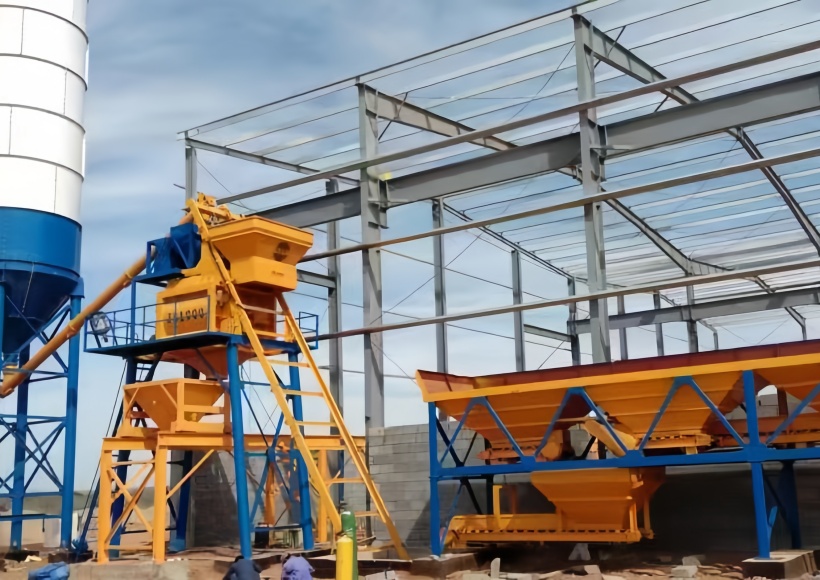
Everything else just feeds the mixer. Twin-shaft mixers are basically the global standard for producing high-quality stuff. They handle a massive range of concrete, from fluid wet mix to the incredibly stiff, zero-slump material used in airport runways. Planetary mixers? Those are another option, but they are usually reserved for precast plants where you need aggressive, rapid mixing for smaller batches.
3. Moving the Rocks (Aggregate Handling)
How are you getting thousands of tons of sand and gravel up into the mixing unit? You generally have two choices: a belt conveyor or a skip hoist.
A skip hoist drags a loaded steel bucket straight up a rail. It saves a ton of yard space. A belt conveyor runs a constant, high-volume stream of material up a long incline. If you need a relentless, high-volume supply of concrete, the belt conveyor is the way to go, even though the plant requires a much larger piece of land.
4. The Plant Control System and Automation
Do not even think about manual batching. It’s dead. Modern construction demands a heavily automated batch plant control system. A top-tier automated batching setup tracks every single drop of water, adjusts automatically for wet sand after a rainstorm, and guarantees the specific type of concrete is produced perfectly. Good automation cuts human error, reduces cement waste, and prints out the exact batch tickets the local inspectors demand.
Hidden Operational Costs Concrete Producers Ignore
When concrete producers choose equipment, amateurs look at the sticker price; veterans look at operational costs, wear parts, and downtime.
- Installation: Stationary setups need cranes, concrete pads, and weeks of heavy electrical wiring. Mobile concrete batching bypasses a lot of that headache.
- Maintenance: Batch plants beat themselves to pieces. Literally. Abrasive rock, sticky cement, constant vibration. Buy a plant configuration with cheap wear plates, and your crew will be welding inside the drum every weekend. High-quality liners cost more upfront but save you weeks of downtime later.
- Environmental Regs: Dust collection and noise reduction aren’t optional anymore. Enclosed mixing structures and advanced filter systems on your silo are mandatory if you want to produce concrete anywhere near civilization or residential zones.
Partnering Up: Heavy-Duty Gear for a Heavy-Duty Job
At the end of the day, concrete is the backbone of the job. You cannot afford equipment that quits when the pressure is on and the trucks are lined up. You need a mix plant that actually works.
When you are ready to stop guessing and start building, you need to look at proven manufacturers who understand the dirt world. For instance, digging into the Concrete Batching Plant lineups from Tongxin Jentera is a solid move. They build gear for the brutal realities of a job site. Tongxin Jentera focuses heavily on ultra-thick wear parts, seamless automation integration, and high efficiency.
Whether you need an agile mobile unit to bounce between highway jobs or a massive stationary setup to feed large volumes of concrete to a mega-project, having reliable equipment is the only way to protect your profit margin.
Take your time. Run the numbers. Get the foundation right, choose the right concrete batching plant, and the job practically runs itself.
Soalan Lazim (FAQ)
Q1: How long does it actually take to set up a mobile batch plant?
Usually a couple of days. They come pre-wired on a chassis. You just need firm, compacted ground and a solid power source. Calibration takes a minute, but you’ll be pumping mud way faster than pouring a foundation for a stationary rig.
Q2: Can I use a dry mix plant for major highway projects?
You can, but state inspectors usually hate it. Highways require strict slump control. Wet mix plants handle that significantly better because the central mixer forces absolute consistency before the material ever drops into the truck.
Q3: What’s the number one cause of batch plant downtime?
Poor daily maintenance. No contest. It’s always jammed aggregate gates, worn-out mixer blades, or blown load cells. Wash your mixer out every single day and keep spare limit switches on the shelf. Don’t be lazy.
Q4: Is a fully automated control system really worth the money?
Yes. Manual batching is begging for rejected loads. A good automated system tweaks water ratios for wet sand on the fly. It tracks everything. It pays for itself in six months just by stopping your operators from wasting cement.
Q5: How big of a cement silo do I actually need on site?
Depends on your daily burn rate and how much you trust your supplier. The golden rule? Keep at least three full days’ worth of cement storage sitting on your site. Delivery trucks break down. Don’t let their problem shut down your pour.