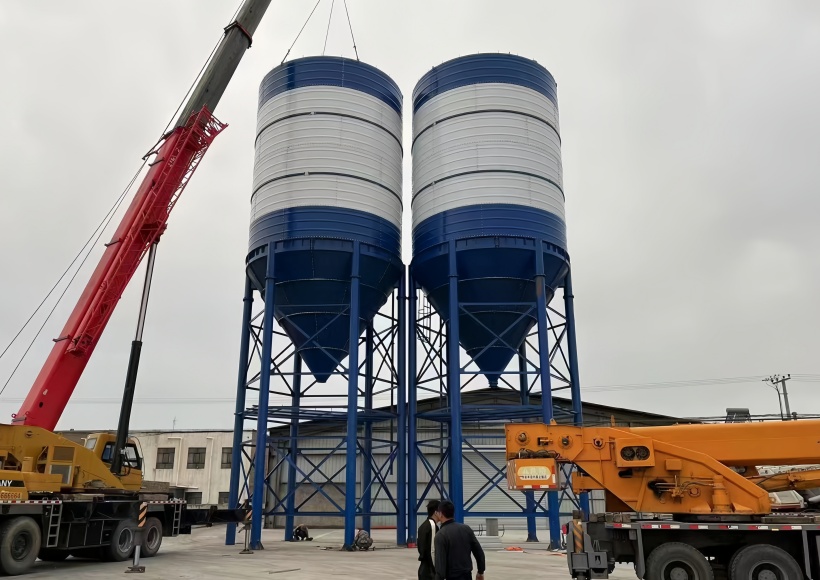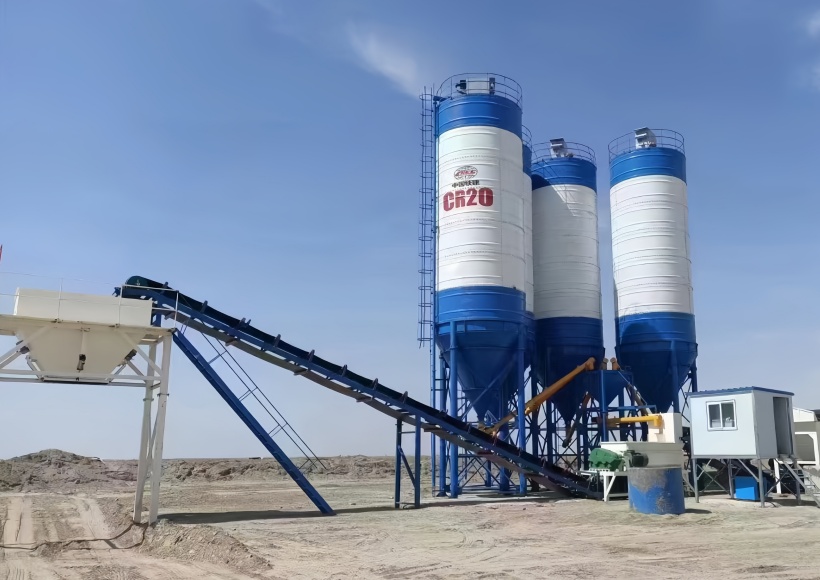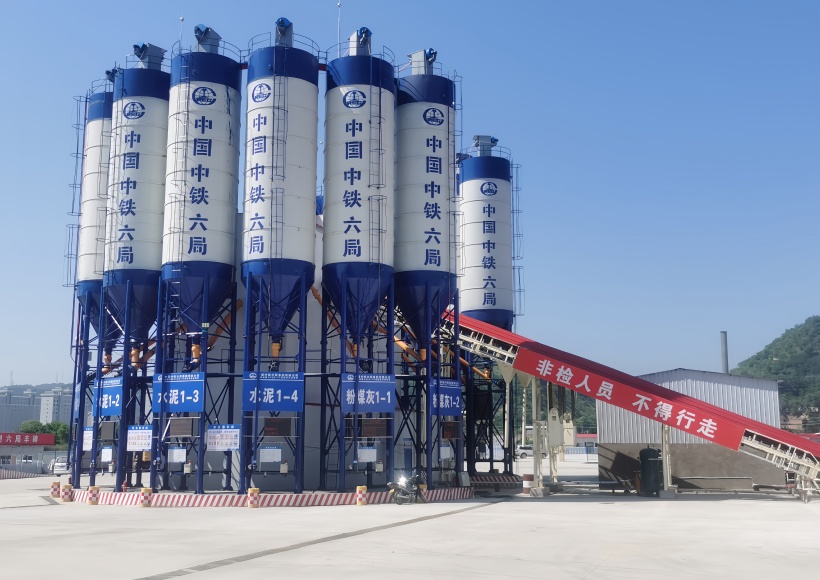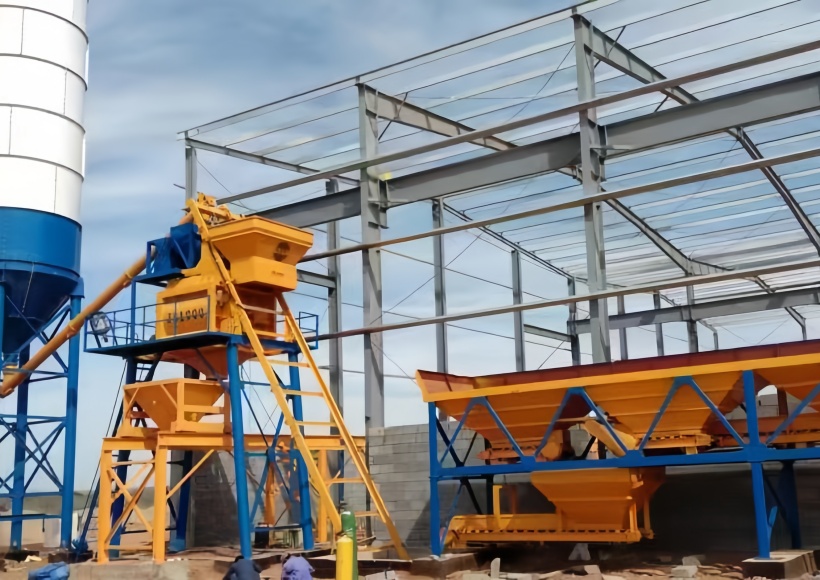









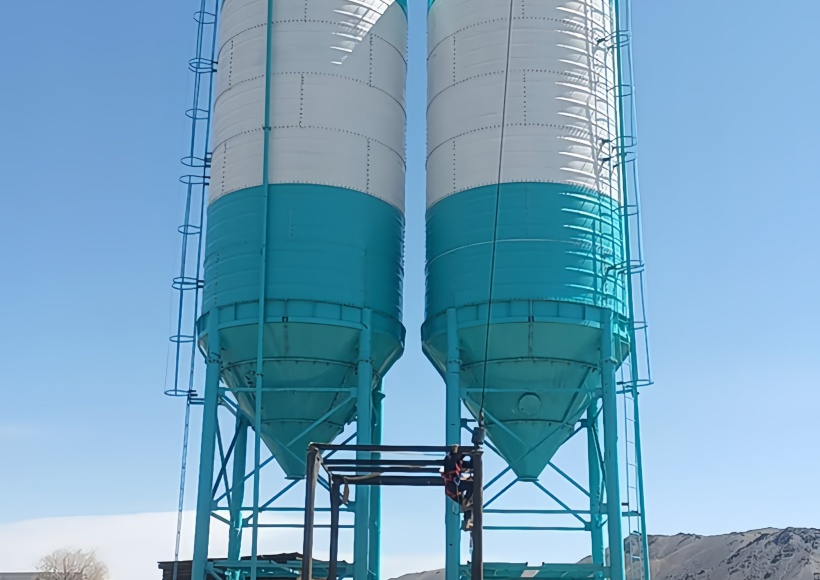
Stop bleeding capital on bad material handling. It happens on job sites every day. A faulty loading valve here. Moisture seeping through thin steel there. Suddenly, your entire concrete production operation hits a wall.
You aren’t just buying a steel container. You are securing the lifeline of your ready mix concrete plant.
When sourcing equipment, buyers routinely get gouged by regional dealers. Direct factory pricing cuts through that noise. You speak directly to the engineers building the gear. As a leading manufacturer, Tongxin Machinery watches plant managers waste thousands on third-party markups. That money should go into heavier steel thickness and better automation.
Let’s break down the actual mechanics of bulk material storage and what you need to look for before signing a purchase order.
The Hidden Mechanics of Bulk Material Storage
Dry powder is aggressively difficult to handle. Fly ash and cement behave totally differently depending on ambient humidity and compaction rates.
If your storage silo lacks proper aeration or vibration, you get bridging. The powder locks up. Production stops. Guys grab sledgehammers and start beating the side of the steel silo. We’ve all seen it. It ruins the paint. It invites rust. It damages the structural integrity.
A high-capacity solution must maintain continuous flowability. Whether you operate a massive 450 ton capacity unit for a precast factory or a smaller batching setup, internal mechanics dictate your daily output. Segregation is another brutal bottleneck. When loading, heavy particles separate from fine dust if the configuration is poorly designed. A poorly mixed batch ruins your mix concrete spec.
Stationary and Portable Silos: Making the Right Call
Don’t buy a stationary unit if you move sites every eight months. It sounds obvious. People still make this mistake.
The Mobile Cement Silo Advantage
Portability means speed. A portable silo usually arrives prefabricate and ready to stand up. Some feature an integrated chassis, heavy-duty axle system, and hydraulic lifting legs. You tow it to the site, raise it, and start batching. No cranes.
For temporary on-site projects, portable is king. You bypass expensive concrete foundation work. When the job wraps, you relocate. Minimal downtime. They usually max out around 100 ton capacity, but their cost-effectiveness on short-term highway or remote infrastructure gigs is unmatched.
High-Volume Stationary Setups
For permanent concrete batch plants, you go big. Stationary setups are the backbone of high-volume facilities. We are talking 100 ton, 200t, or massive 450 ton silos.
These demand serious civil engineering. They don’t move. But they offer unparalleled per unit storage. That drives down the frequency of pneumatic truck deliveries. Less traffic in your yard means less chaos. Lower delivery fees. Maximum automation.
The Engineering Behind the Bolted Cement Silo
Shipping a fully welded 200t cylinder across the ocean is a logistical nightmare. You are essentially paying massive freight rates to ship empty air.
Enter the bolted type cement silo. This single design shift changed the global equipment supply chain.
Engineers manufacture these in modular steel panels. They stack perfectly flat inside a standard 40HQ shipping container. A single container can transport multiple bolted silos depending on the specific ton capacity. This slashes shipping costs drastically.
Installation and Sealing
Once the container drops on your site, the real work begins. Your crew bolts the panels together using high-strength hardware and specialized marine-grade sealing strips.
This sealant is the most critical part of the build. Get it wrong, and moisture ruins 200 tons of cement overnight. Get it right, and a silo bolted correctly performs exactly like a factory-welded unit. It holds pressure. It keeps weather out.
If you are ordering a high-quality Cement Silo internationally, bolted is the only sane choice. Tongxin Machinery specializes in precise modular configurations. We ensure global clients aren’t crushed by ocean freight fees while guaranteeing absolute weather-tight integrity.
Component Breakdown: What You Are Actually Buying
A tank is just a tank. The ancillary equipment turns it into an automated silo system.
The Dust Collector: Environmental regulations are getting tighter globally. When a pneumatic truck pumps bulk material into your silo, it displaces air. If your roof-mounted dust filter is undersized, dust blows everywhere. You need sufficient filter area and an automated pulse-jet cleaning system.
Pressure Relief Valve: If the filter clogs, the internal pressure spikes. Without a heavy-duty pressure relief valve, the roof can literally blow off. It is a non-negotiable safety spec.
The Screw Auger: This is your delivery mechanism. Tubular augers pull the powder from the cone and feed it to the weigh hopper. If the gearbox is cheap or the hangar bearings fail, your entire concrete plant shuts down.
Material Level Indicators: Guessing how much inventory you have is a fool’s game. Rotary paddle switches tell you when it’s full or empty. Continuous radar sensors give you real-time tonnage data on a screen.
Specs That Actually Matter: Steel Thickness and Rust
Forget the marketing brochures. Look at the raw steel specs.
Most manufacturers use Q235B carbon steel. But what is the actual plate thickness? If a supplier quotes a suspiciously low price for silos for sale, check the engineering drawings. They likely shaved millimeters off the lower cone or cylinder walls to save money. Thin steel warps under the intense pressure of bulk material. It wears out rapidly from abrasive friction.
Rust is the enemy. Concrete production environments are wet, abrasive, and unforgiving.
Galvanize or Paint?
A cheap spray paint job flakes off in eight months. We insist on aggressive surface preparation. Shot blasting to SA2.5 bare metal. Then, multiple layers of industrial anti-corrosion epoxy paint.
For extreme environments, going fully galvanized is an option. A galvanized horizontal or vertical unit withstands punishing coastal weather, extending its lifespan by decades. Durable equipment isn’t cheap upfront. It pays heavy dividends when it doesn’t fail mid-pour.
Manufacturer Direct Pricing: The ROI Equation
Why pay a middleman a 30% premium just to forward an email to a factory?
Pricing is highly variable based on your exact specification. A bare-bones 50-ton used for cement storage is cheap. A fully equipped 200t custom setup with radar levels, automated collectors, pneumatic butterfly valves, and heavy-duty augers costs more.
But when you buy direct, every dollar goes into the steel. You get customizable solutions. Need a wider discharge clearance for a specific mixer? Need a specific footprint because your yard is tight? A factory engineers that easily. A dealer just tries to force you into buying whatever sits in their lot.
Whether you need a silo for concrete batching plant expansion or are breaking ground on a new facility, Tongxin Machinery builds the Cement Silo to your exact operational reality. No retrofitting headaches. No compromised specs.
We occasionally see operators gamble on used cement silos. Sometimes you get lucky. Usually, the internal wear, rusted cones, and outdated automation make buying new, factory-direct equipment the much smarter financial play in the long run. Control your storage. Control your mix. Protect your margins.
Frequently Asked Questions (FAQ)
Why is my cement clumping inside the tank?
Moisture ingress or failed aeration. Check the roof seal and the pressure relief valve. If water enters, cement hydrates instantly. Ensure your cone aeration pads are firing at the correct PSI to keep the powder fluidized. Stop hitting the cone with a hammer.
How much foundation do I need for a 200t unit?
A massive amount. You are dealing with extreme point loads. A 200t stationary setup requires a reinforced concrete pad heavily engineered for local soil bearing capacity and wind loads. Never guess this. Hire a structural engineer to spec the rebar.
Can I tow a mobile silo fully loaded?
Absolutely not. The axles and tires handle the tare weight of the steel structure only. Towing it with 50 tons of bulk material will snap the chassis and cause a severe highway accident. Empty the tank completely before you relocate.
Bolted vs Welded: Which seals better?
A factory-welded seam is naturally leak-proof. However, a bolted configuration uses high-grade marine sealants between the steel panels. If your assembly crew torques the bolts to spec and applies the sealant flawlessly, it is completely weather-tight and performs identically.
What causes the roof dust collector to fail?
Operator neglect. Filter cartridges clog with fine dust during loading. If the pneumatic pulse-jet cleaning system breaks, or if your crew ignores the maintenance schedule, the filters blind over. This causes dangerous over-pressurization inside the tank. Clean them routinely.