








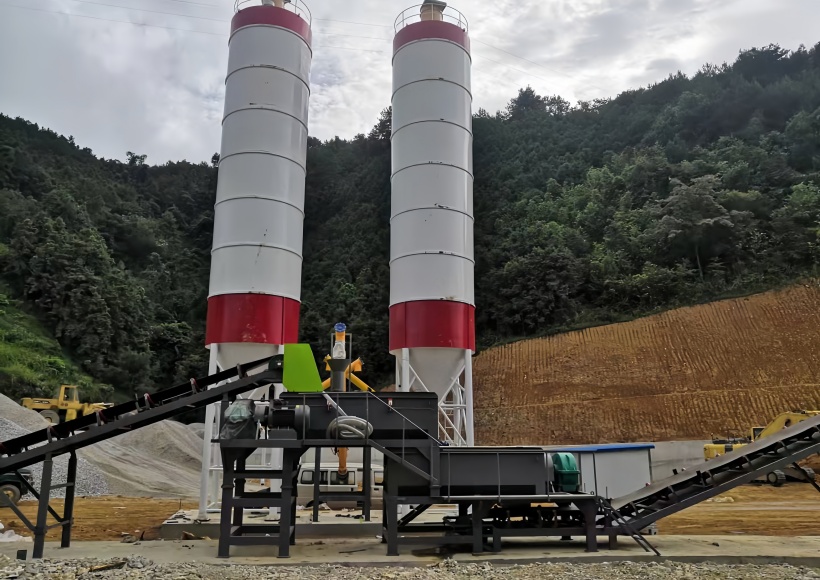
Let’s get straight to the bottom line. If your subgrade fails, the entire paved surface above it fails. Whether you are dealing with a municipal urban road or laying down massive airport runways, the base construction dictates the lifespan of the project. Paving contractors often waste time looking for shortcuts, but you cannot fake a solid foundation. You need equipment that produces a homogeneous mixture of aggregate, cement, lime, and water at a continuous, high volume.
A lot of buyers get distracted by the raw ton-per-hour rating on a sales brochure. The reality on a construction site is much harsher. If your aggregate feed jams, or your cement weighing system is off by just a few percentage points, that theoretical “high output” means absolutely nothing. You end up with weak spots in your roadbed. Choosing the right Stabilized Soil Mixing Plant requires looking past the surface-level specs and digging into the mechanical realities of material handling, continuous mixing, and precise control.
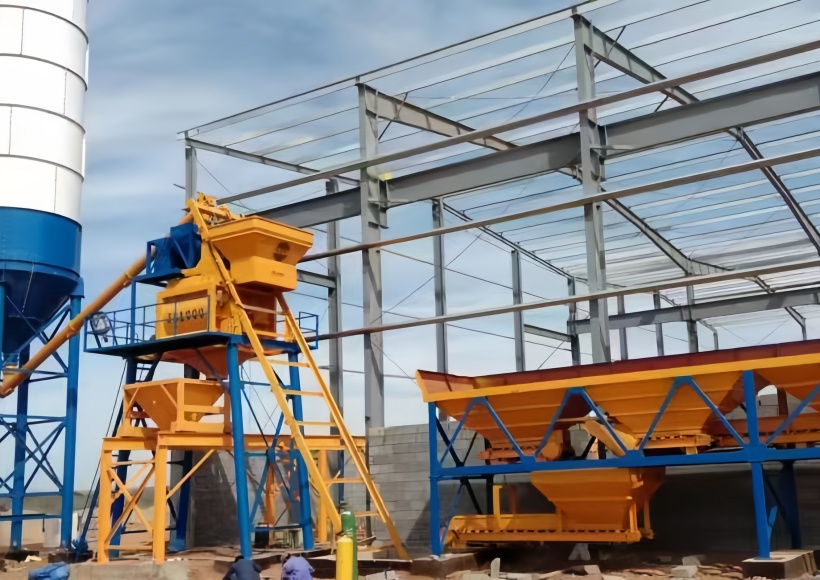
The Core Mechanics: How a Soil Cement Mixing Plant Actually Operates
Don’t confuse these setups with standard concrete equipment. A concrete batching plant operates on a batch cycle—weighing, dropping, mixing, and discharging one specific load at a time. A soil stabilization mixing plant is fundamentally different. It operates on a continuous mixing principle.
Materials constantly flow into the twin-shaft mixer, and the finished stabilized soil constantly flows out into waiting trucks. This continuous flow is what allows these mixing plants to hit massive production efficiency numbers, often ranging from 300 to 800 tons per hour.
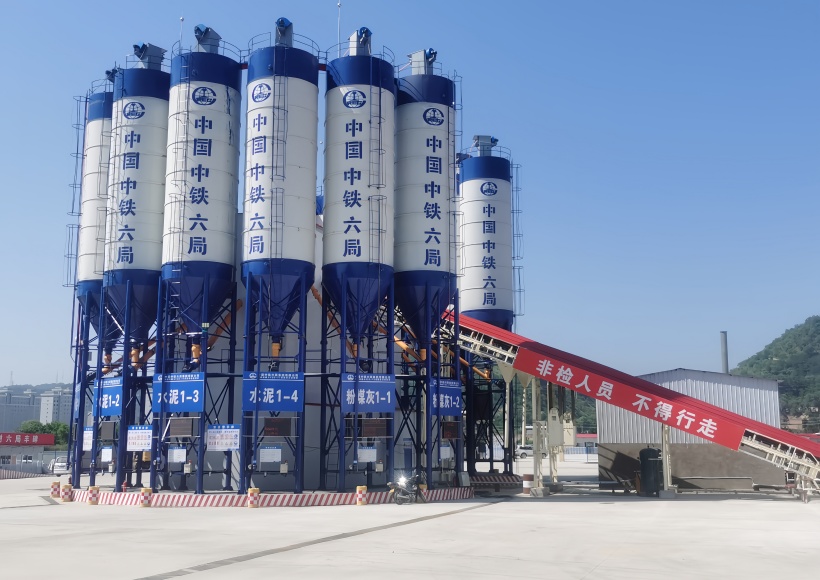
You are usually dealing with a variety of materials. Your hoppers might be loaded with crushed stone, river sand, or local soil. Binders usually include cement or fly ash, stored in a dedicated cement silo. The trick is getting all these distinct materials into the mixing chamber at the exact right ratios. If the feed rate of your belt conveyor fluctuates, your mix gradation is ruined.
Stationary Stabilized Soil vs. Mobile Configurations
Site layout dictates your equipment choice. You have three primary plant configurations to look at: stationary, mobile, and modular design.
Stationary Stabilized Soil Mixing Plant for Large-Scale Projects
For multi-year contracts like a major highway expansion or a commercial airport, stationary setups make the most sense. A stationary stabilized soil mixing plant offers the highest possible production efficiency. Because it sits on a permanent concrete foundation, you can scale up the aggregate bins and attach multiple 100-ton cement silos without worrying about weight distribution.
Manufacturers like Tongxin Mashine design these fixed plants with heavy-duty frameworks that reduce vibration during continuous mixing. Less vibration means less wear on your load cells and weighing sensors, which translates to consistent quality over millions of tons of material.
Mobile Stabilized Soil Mixing Plant for Urban Road Jobs
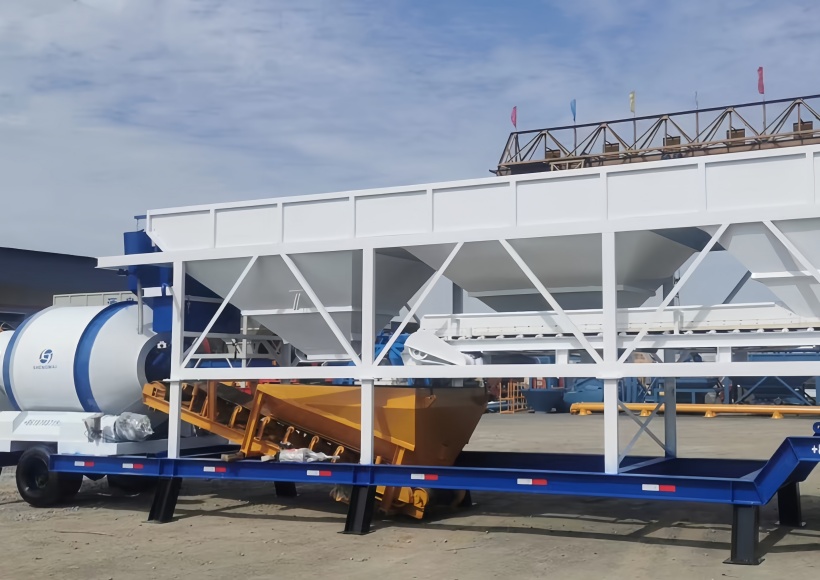
Sometimes you need to pave a long stretch of rural roadbed or jump between different urban road repairs in a single month. Tearing down and rebuilding a stationary plant takes weeks and eats into your profit margins. A mobile stabilized soil mixing plant solves this by mounting the aggregate batcher, conveyor, mixer, and control cabin onto a single towable chassis.
You pull it to the site with a tractor, drop the outriggers, hook up a mobile cement silo, and you can start producing cement stabilized soil within a few days. The trade-off is usually a lower maximum output compared to fixed plants, but the flexibility and easy operation often offset the capacity drop.
Modular Stabilized Soil Mixing: The Middle Ground
Modular stabilized soil mixing stations offer a hybrid approach. The plant is built in pre-wired, pre-plumbed containerized sections. You drop the modules into place with a crane and bolt them together.
This modular design is highly favored by contractors who want the high output of a stationary plant but know they will need to relocate the equipment to a new province next year. It drastically cuts down on the installation time and the cost of the concrete foundation.
Critical Specifications: Beyond the Stabilized Soil Mixing Plant Price
Pricing is deceptive. A suspiciously cheap mixing plant for sale usually hides major compromises in the metallurgy or the electronics. When evaluating stabilized soil mixing plant specifications, you need to tear down the component list.
Achieving Even Mixing and Consistent Quality
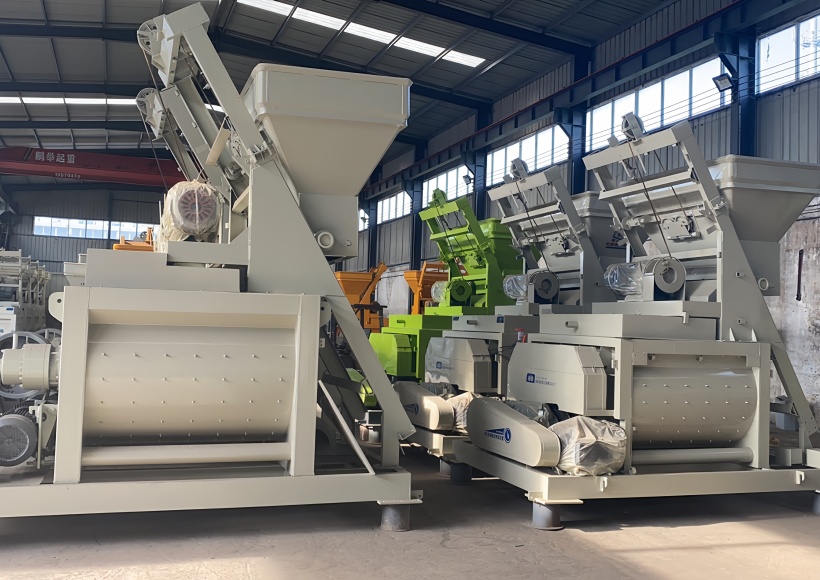
The heart of the operation is the continuous mixer. Look for a twin-shaft forced mixing design. The paddles inside this mixer take an absolute beating from crushed stone and abrasive fly ash. If the plant manufacturer uses cheap steel, you will be replacing those paddles every few weeks, halting your entire road construction schedule.
You need high-grade, wear-resistant cast iron (like Ni-Hard) for the liner plates and mixing arms. The geometry of the blades also matters. They need to create a boiling action inside the chamber to ensure uniform mixing of the water and dry materials. A poorly designed mixer will leave dry pockets of lime stabilized soil, causing structural failures in the subbase.
Precise Control Systems and Soil Batching
You can have the best mixer in the world, but if your feed rates are wrong, you are producing garbage. Modern plants must be equipped with advanced control systems.
Avoid volumetric feeding if your local highway department has strict tolerances. Volumetric systems guess the material weight based on the speed of the belt conveyor. If the sand is wet, it weighs more, and the volumetric guess is completely wrong.
Instead, insist on computerized gravimetric weighing. These systems use electronic load cells under the belts to weigh the material in real-time. If the aggregate flow drops, the frequency converter on the belt motor automatically speeds up to compensate. This precise control is non-negotiable for high-spec base construction. Reputable suppliers like Tongxin Mashine integrate these computerized interfaces so the operator can adjust the mix recipe on the fly without shutting down the plant.
Comparing Mixing Plant Equipment: Asphalt, Concrete, and Soil
A common mistake new contractors make is trying to use existing yard equipment for the wrong job.
Can you make soil cement in a concrete batching plant? Technically yes, but it is a terrible idea. Concrete mixers are designed for wet, fluid batches. Forcing semi-dry, sticky earth and heavy aggregate through a batching machine will rapidly burn out the motors and destroy the gearboxes.
Similarly, asphalt mixing plants are entirely different beasts. A mobile asphalt setup requires massive drying drums and burner systems to heat the aggregate before coating it in liquid bitumen.
A dedicated Stabilized Soil Mixing Plant skips the heating process entirely. It focuses purely on cold material handling and high-speed mechanical agitation. If your contract calls for stabilized mixing plant soil, buy the specific machine built for that exact task. Do not try to retrofit a block making machine or a concrete setup.
Material Handling and High Efficiency Operation
The logistics of feeding the plant often cause more headaches than the plant itself. A 600-ton-per-hour machine requires a massive, uninterrupted supply of raw materials.
Your front-end loaders must be able to keep the aggregate bins full. If the bins run empty, the continuous mixing process breaks down. Look for plants with steep-angled hopper walls and vibrators attached to the sand bins to prevent damp material from bridging or clogging.
The cement and fly ash delivery is just as critical. The screw conveyors that pull the powder from the cement silo to the weighing scale must be perfectly sized. If the screw is too small, the cement stabilized mixture will be starved of binder.
Water management is another frequent failure point. Pumping water from a nearby pond sounds easy, but mud and algae will quickly destroy the flow meters. Always use a clean water source and a high-capacity pump to ensure the moisture content of the finished stabilized soil remains perfectly consistent.
Long-Term Investment and Maintenance Reality
Construction equipment breaks. It is a harsh environment filled with dust, heavy vibrations, and abrasive materials. When you are looking at a soil mixing plant for sale, your purchasing decision must factor in the availability of spare parts.
Buying an off-brand, uncertified machine might save you 20% upfront on the stabilized soil mixing plant price. But when a proprietary gearbox shatters in the middle of a paving season, and you have to wait six weeks for a replacement part to be shipped overseas, you will lose hundreds of thousands of dollars in project penalties.
Stick with certified factories that have a documented track record. Established brands like Tongxin Mashine understand that a Stabilized Soil Mixing Plant is an industrial asset that needs to run 12 hours a day, 6 days a week. Ask the manufacturer for references. Go look at a plant they sold three years ago. If the paint is gone but the motors and load cells are still performing exactly to spec, you know you are looking at reliable performance.
In the end, base construction is a volume game. You need high output, you need precise control, and you need ironclad reliability. Build a good subgrade, and the rest of the road takes care of itself.
Maswali Yanayoulizwa Mara kwa Mara (FAQ)
Why not just use my old concrete plant for stabilized soil?
You’ll wreck your mixer. Concrete batching plants use batch mixing; stabilized soil needs continuous mixing for high volume. Plus, forcing heavy, semi-dry dirt or large aggregate through a standard concrete mixer burns out the motors fast. Buy the right tool for the job.
Is a mobile plant really worth the extra cost?
Depends on your contract. If you’re paving a single 100km stretch of highway, yes. You drag it along as the site moves. For a fixed quarry or a massive multi-year airport job, save your money and build a high-capacity stationary setup.
How do I control the dust from the cement silo?
Don’t cheap out on the dust collector at the top of the silo. Most factory defaults are weak. Upgrade to a heavy-duty pulse-jet filter. Also, ensure your aggregate moisture is dialed in correctly before the dry cement hits the main mixing chamber.
Volumetric or gravimetric batching—which is better?
Gravimetric, no contest. Volumetric guesses the weight based on belt speed. If your sand is wet one day and dry the next, your mix is ruined. Gravimetric actually weighs the material on load cells. It’s the only way to consistently pass strict highway inspections.
What’s a realistic production rate I should expect?
Deduct 20% from whatever the sales brochure claims. A “600 t/h” plant usually runs comfortably at 480 to 500 t/h in the real world once you factor in loader delays, truck switching, and minor material jams. Plan your truck fleet around that lower number.