








![788bcf3525e1c90[1]](https://txmixing.com/wp-content/uploads/2026/02/788bcf3525e1c901.jpg)
ภาพรวมของโครงการ
ในกรณีศึกษา WBZ800 นี้ เราจะสำรวจโครงการขยายทางหลวง G70 ซึ่งเป็นโครงการโครงสร้างพื้นฐานที่สำคัญในภาคตะวันตกเฉียงเหนือของจีน โดยเกี่ยวข้องกับการขยายเส้นทางระยะทาง 120 กิโลเมตรผ่านภูมิประเทศที่ท้าทายและมีคุณภาพดินที่หลากหลายมากความท้าทายหลักคือการก่อสร้างฐานถนนที่มีความมั่นคง ทนทาน และคุ้มค่า ซึ่งสามารถทนต่อการจราจรหนาแน่นและการเปลี่ยนแปลงของสภาพอากาศตามฤดูกาลที่รุนแรงได้ โครงการนี้ต้องการปริมาณสูงและสม่ำเสมอของวัสดุผสมที่มีคุณภาพสูงซึ่งได้รับการเสถียรด้วยซีเมนต์สำหรับชั้นรองพื้นและชั้นฐาน.
ความท้าทาย
วิธีการดั้งเดิมในการทำให้ดินมีเสถียรภาพ โดยใช้โรงงานผสมหลายแห่งที่กระจายอยู่ทั่วไป ก่อให้เกิดปัญหาด้านโลจิสติกส์และการควบคุมคุณภาพอย่างมีนัยสำคัญ โครงการต้องเผชิญกับกำหนดเวลาที่เข้มงวด สถานที่ห่างไกล และข้อกำหนดทางวิศวกรรมที่เข้มงวดซึ่งต้องการความแม่นยำในการผสมที่ ±1.5% ในปริมาณน้ำ และ ±0.5% ในปริมาณปูนซีเมนต์ การผสมที่ไม่สม่ำเสมอจะนำไปสู่ส่วนที่อ่อนแอ การทรุดตัวที่อาจเกิดขึ้น และการซ่อมแซมในอนาคตที่มีค่าใช้จ่ายสูง ซึ่งอาจทำให้โครงการล่าช้าและเกินงบประมาณ.
ทางแก้ไข: สถานีผสมดินเสถียร WBZ800
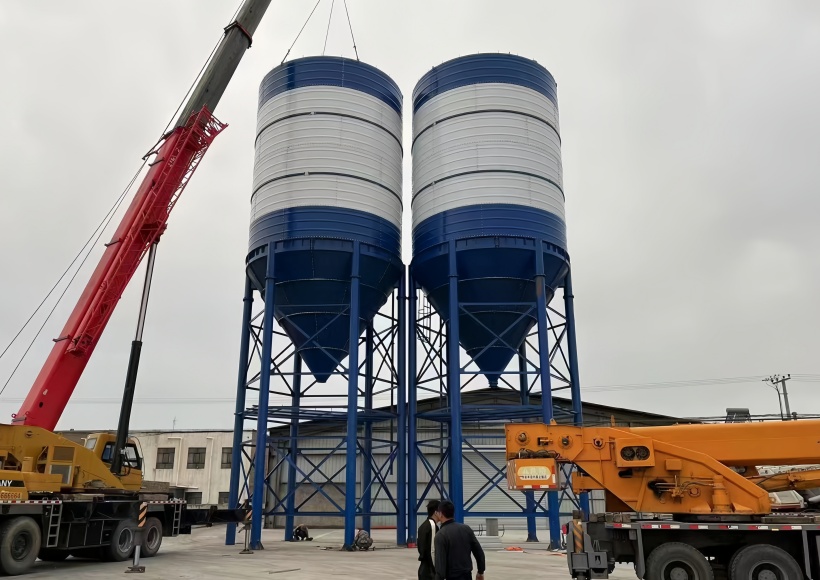
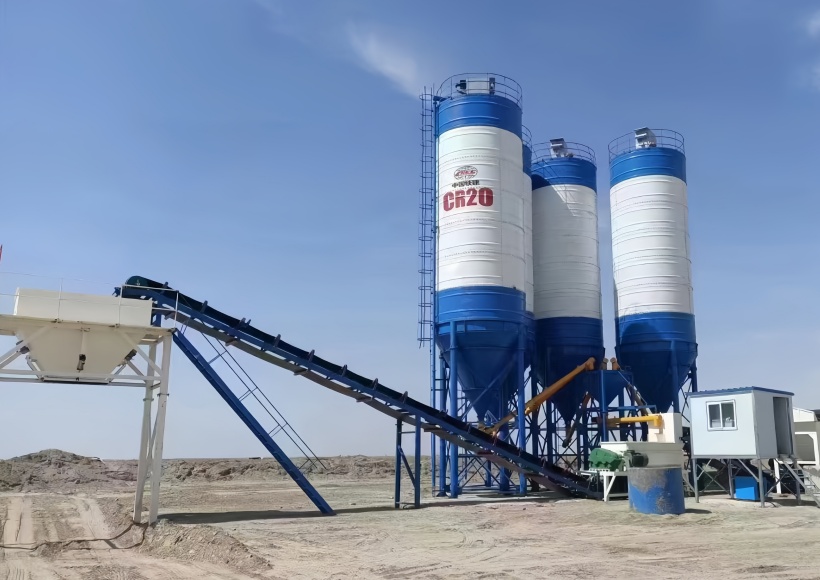
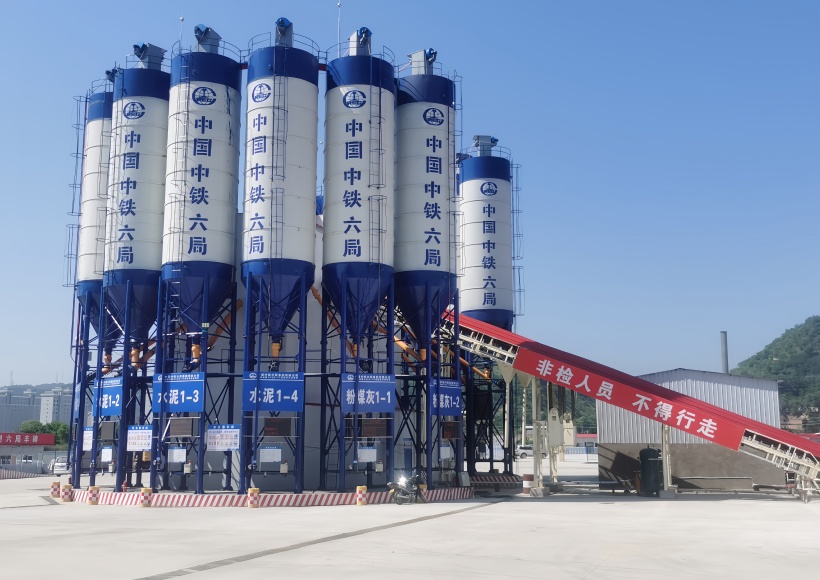
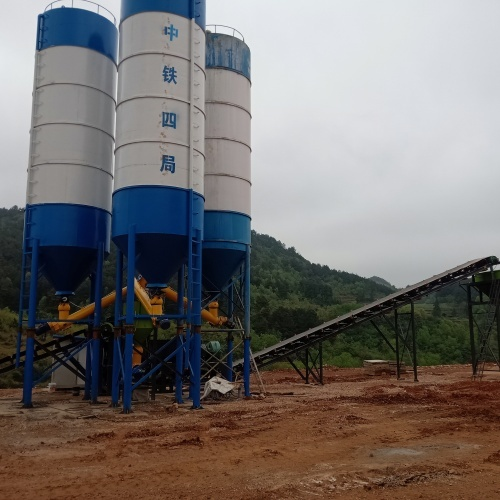
ตามที่ระบุไว้อย่างละเอียดในนี้ กรณีศึกษา WBZ800, ผู้รับเหมาหลักของโครงการได้เลือกอุปกรณ์นี้เป็นโรงงานผสมหลักสำหรับการดำเนินงานทั้งหมด โรงงานผสมแบบติดตั้งอยู่กับที่และทำงานต่อเนื่องนี้ได้รับการคัดเลือกเนื่องจากชื่อเสียงด้านความน่าเชื่อถือ ผลผลิตมหาศาล และความแม่นยำ.
การนำไปใช้และข้อได้เปรียบทางเทคนิคในการปฏิบัติ:
- ประสิทธิภาพสูง & ผลผลิต: เทคโนโลยีการผสมต่อเนื่องของ WBZ800 ให้ผลผลิตทฤษฎีถึง 800 ตันต่อชั่วโมง ความสามารถมหาศาลนี้ทำให้โครงการสามารถเสร็จสิ้นขั้นตอนการทำให้ดินเสถียรได้ก่อนกำหนดหลายสัปดาห์ เนื่องจากสถานีเดียวสามารถตามทันความก้าวหน้าอย่างรวดเร็วของทีมปูพื้นได้.
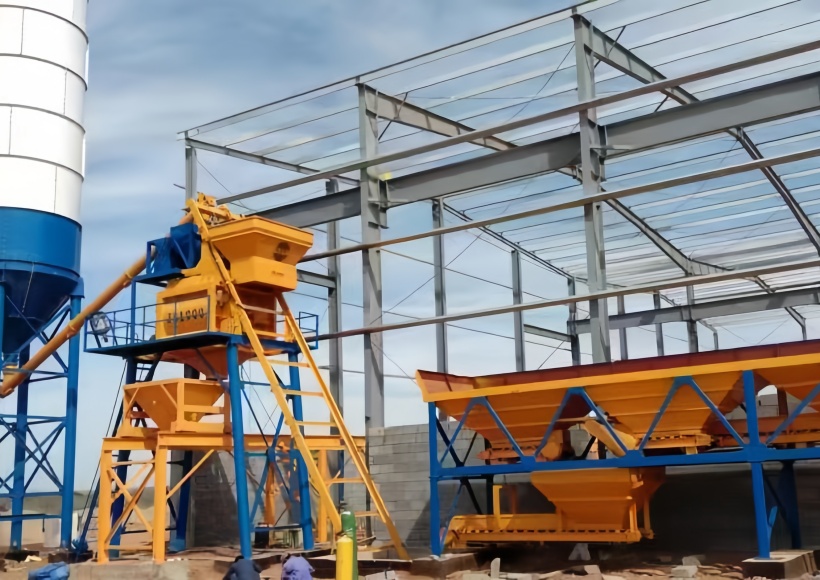
- ความสม่ำเสมอในการผสมที่ไม่มีใครเทียบได้: การออกแบบใบกวนแบบก้านคู่ของโรงงานช่วยให้มั่นใจได้ว่าดิน ปูนซีเมนต์ และน้ำจะถูกผสมอย่างทั่วถึงและสม่ำเสมอ ส่งผลให้ได้วัสดุที่เสถียรคุณภาพสูงอย่างสม่ำเสมอพร้อมคุณสมบัติทางกลที่ยอดเยี่ยม การทดสอบตัวอย่างแกนในภายหลังยืนยันว่าทุกชุดตรงตามมาตรฐานที่เข้มงวดของโครงการ ข้อกำหนดความแข็งแรงในการรับแรงอัด.
- ระบบผสมวัสดุแบบแม่นยำ: ระบบผสมวัสดุแบบควบคุมด้วยคอมพิวเตอร์ที่ผสานรวมอย่างสมบูรณ์เป็นหัวใจสำคัญ ระบบนี้ใช้เซ็นเซอร์และแอคชูเอเตอร์ที่มีความแม่นยำสูงในการวัดและจ่ายวัสดุแต่ละชนิดในสัดส่วนที่ถูกต้องแม่นยำ ช่วยขจัดความสูญเสียของสารประสานราคาแพง เช่น ปูนซีเมนต์ และรับประกันอัตราส่วนน้ำต่อปูนซีเมนต์ตามที่กำหนด ซึ่งส่งผลโดยตรงต่อความแข็งแรงของโครงสร้างฐานถนน.
- ความทนทานในสภาพแวดล้อมที่รุนแรง: บทเรียนสำคัญจากการศึกษาเคส WBZ800 นี้คืออุปกรณ์สามารถทำงานได้อย่างน่าเชื่อถือในสภาพแวดล้อมที่มีฝุ่นมากและมีความผันผวนของอุณหภูมิสูง โครงสร้างที่แข็งแรงและส่วนประกอบที่ปิดผนึกอย่างดีช่วยลดเวลาหยุดทำงานสำหรับการบำรุงรักษา ทำให้มั่นใจได้ถึงการจ่ายวัสดุอย่างต่อเนื่องไม่ขาดตอน.
ผลลัพธ์และประโยชน์ของโครงการ:
- ระยะเวลาที่เร่งรัด: ระยะการทำให้ดินมั่นคงของโครงการแล้วเสร็จเร็วกว่าแผนที่วางไว้ 25%.
- การประหยัดค่าใช้จ่ายอย่างมีนัยสำคัญ: การลดค่าใช้จ่ายด้านเชื้อเพลิงและการขนส่งจากการตั้งศูนย์กลาง รวมถึงการลดของเสียจากวัสดุเนื่องจากการผสมวัสดุอย่างแม่นยำ ส่งผลให้ต้นทุนโครงการโดยรวมลดลงโดยตรง.
- การรับประกันคุณภาพที่เหนือกว่า: คุณภาพที่สม่ำเสมอของดินผสมช่วยกำจัดจุดอ่อนในฐานถนน ทำให้มีความทนทานในระยะยาว และลดค่าใช้จ่ายในการบำรุงรักษาตลอดอายุการใช้งานสำหรับเจ้าของสินทรัพย์.
- การปฏิบัติตามข้อกำหนดด้านสิ่งแวดล้อมที่เพิ่มประสิทธิภาพ: กระบวนการผสมที่มีประสิทธิภาพและระบบเก็บฝุ่นของโรงงานช่วยลดอนุภาคในอากาศ ทำให้โครงการปฏิบัติตามข้อกำหนดด้านสิ่งแวดล้อมที่เข้มงวดได้.
สรุป
เพื่อสรุปกรณีศึกษา WBZ800 นี้ การใช้งานที่ประสบความสำเร็จในโครงการทางหลวง G70 แสดงให้เห็นถึงคุณค่าของอุปกรณ์ในฐานะรากฐานสำคัญสำหรับการก่อสร้างโครงสร้างพื้นฐานขนาดใหญ่ที่มีมาตรฐานสูง มันพิสูจน์แล้วว่าไม่ใช่แค่เพียงอุปกรณ์ผสมเท่านั้น แต่ยังเป็นสินทรัพย์เชิงกลยุทธ์ที่รับประกันคุณภาพ ประสิทธิภาพ และความคุ้มค่าในการลงทุน ซึ่งได้สร้างมาตรฐานใหม่สำหรับโครงการในอนาคต.