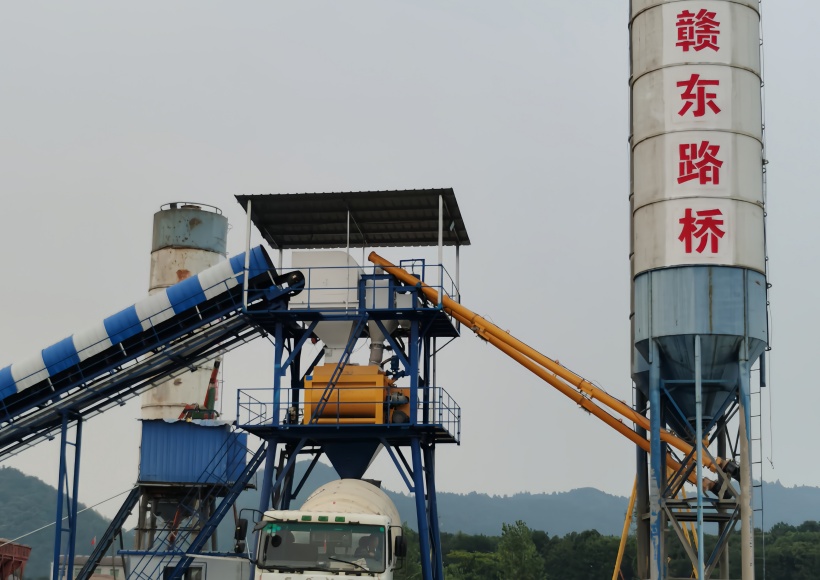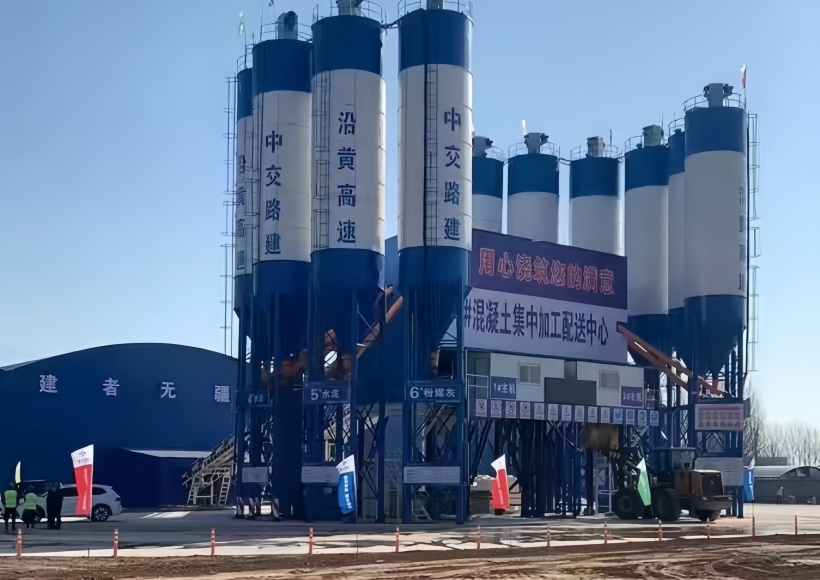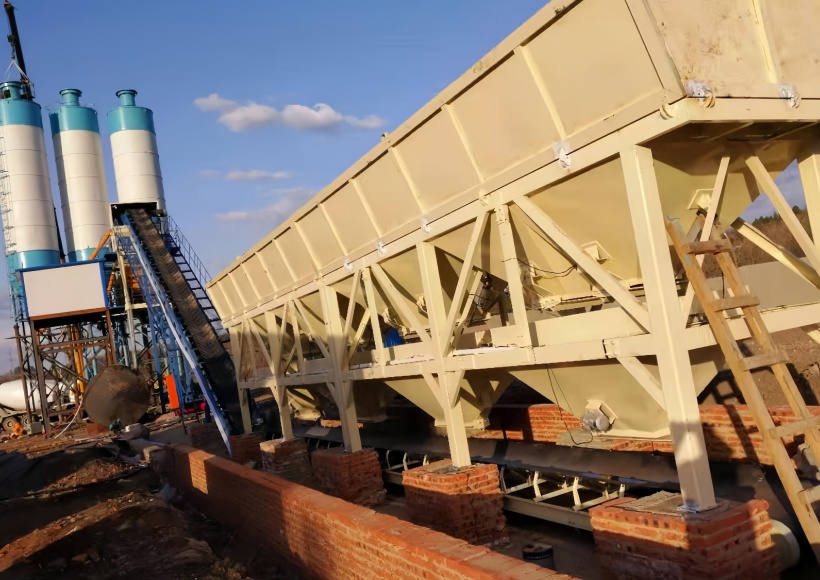









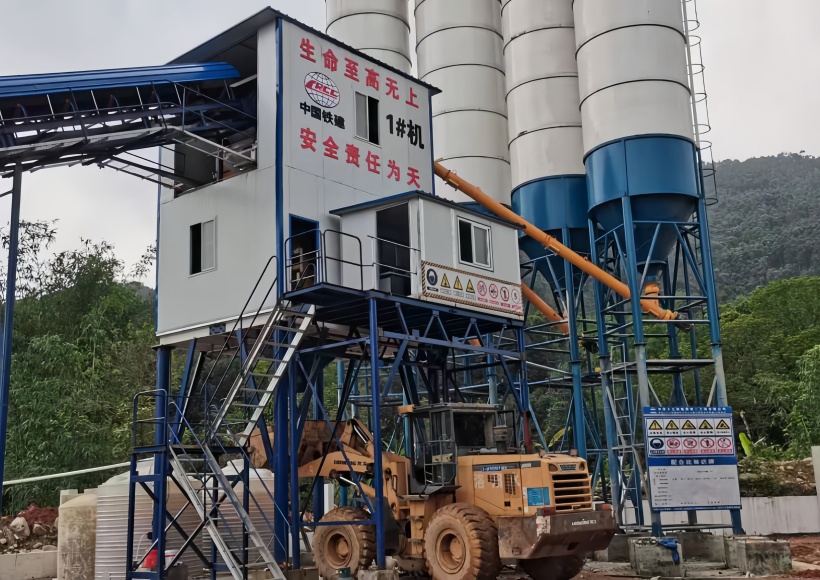
If you are signing off on a half-million-dollar purchase order for a batch plant based solely on the manufacturer’s spec sheet, you are already losing money. I have spent over a decade dealing with cross-border heavy equipment procurement and factory-level diagnostics, and I can tell you this: the brochure lies. Or rather, it omits the brutal realities of site logistics, equipment fatigue, and the true cost of yard-per-hour output.
Most project managers and procurement heads get bogged down in the endless loop of defining a concrete batch plant. Let’s skip the dictionary definition. A concrete plant is the beating heart of your job site. If it goes down, your pump trucks sit idle, your crew gets paid to smoke cigarettes, and your timeline bleeds cash. When it comes to making the foundational choice—the wet mix vs dry mix concrete batching plant debate—you cannot afford to look at initial capital investment alone. You need to look at what happens when the environmental conditions fight back.
The Illusion of “Cheaper”: The Dry Batching Plant Reality
Let’s tear down the first myth. A dry mix concrete batching plant (often referred to as a transit mix plant) is incredibly attractive to purchasing departments because the upfront CapEx is substantially lower. You are essentially buying a sophisticated weighing system. The batch plant aggregates the raw material—sand, gravel, cement—and drops them completely dry into the chute of a ready-mix truck. Water is added either at the plant just before the truck pulls away, or directly at the construction site.
Here is the industry secret nobody tells you: In a dry batch setup, your transit mixer truck becomes the actual concrete mixer.
Why is this a massive operational liability? Mixer trucks are designed to agitate and transport wet concrete, not to perform the aggressive, high-shear blending required to initiate proper cement hydration kinetics. When you force a mixer truck to do a dry plant’s dirty work, you are radically accelerating the wear and tear on the drum fins. The friction of mixing dry aggregate with cement and delayed water tears through the 5mm steel liners of a standard mixer truck. I’ve seen fleets where the drums had to be rebuilt or replaced 40% faster simply because they were chained to a dry concrete batch plant.
Furthermore, consider the cycle times. Dumping dry ingredients into a truck takes time. The truck then has to sit in the yard and spin its drum at mixing speed (typically 15-18 RPM) for at least 70 to 120 revolutions before it can even hit the highway. That is 5 to 10 minutes of dead time per load. When your construction needs demand 150 yards per hour, those lost minutes compound into lost days.
However, dry mix does have an undeniable survival trait: remote logistical flexibility. If your job site is 50 miles away through winding mountain roads, a wet mix will lose its slump and start setting before it arrives. A dry mix concrete plant allows you to transport the dry ingredients and inject the water on-site. For rural highway patching or isolated infrastructure development, it is often the only mathematically viable option.
The Central Mixer Supremacy: Inside the Wet Mix Concrete Plant
On the other side of the spectrum, we have the wet mix concrete plant (central mix plant). Here, all ingredients of concrete—including precisely metered water and liquid additives—are violently and thoroughly blended inside a central concrete mixer (usually a twin-shaft Sicoma-style mixer) before the product ever touches a truck.
When you are comparing a wet mix vs dry mix concrete batching plant, the wet mix wins the quality control war every single time.
By utilizing a stationary central mixer, you dictate the exact mix proportions and slump. The twin-shaft mixing process forces the aggregate and cement paste to homogenize in under 60 seconds. This rapid, high-intensity blending ensures that every single grain of sand is coated with cement paste. The result? Produced concrete that boasts higher compressive strength, better durability, and zero dry pockets.
When the wet concrete is finally discharged into the mixer truck, the truck only has to act as an agitator (spinning at 2-4 RPM). This preserves your fleet’s lifespan and cuts the truck’s loading time down to mere seconds. A truck pulls up, gets loaded with perfect ready-mixed concrete in one drop, and drives off. Your yard throughput skyrockets. For commercial concrete suppliers, high-rise construction projects, and large-scale airport paving where state inspectors are scrutinizing every pour, investing in a concrete plant with a central mixer is non-negotiable.
CapEx vs. OpEx: The Hidden Math of Concrete Production
The decision-making matrix for a batch concrete plant always comes down to the battle between CapEx (Capital Expenditure) and OpEx (Operational Expenditure).
A dry batch concrete batching plant will save you perhaps 30% to 40% on the initial purchase price. There is no massive mixing structure, no heavy-duty electric motors driving twin shafts, and generally less structural steel. However, your OpEx will slowly bleed you dry if you are doing high-volume production. Your fuel costs per yard will be higher because the transit trucks are revving their engines to mix the load. Your concrete quality coefficient of variation will be wider, potentially leading to rejected loads at the job site. A rejected 10-yard load doesn’t just cost you the materials; it costs you the trucking time, the disposal fee, and the wrath of the site superintendent.
Conversely, a wet mix concrete plant requires a serious upfront check. The central mixer alone is a high-ticket item, and you need a robust control system to manage the split-second timing of the weigh belts, water scales, and pneumatic discharge gates. But the ROI is found in the margins. You save on fleet fuel. You save on truck wear parts. You guarantee the quality of concrete, eliminating the risk of rejected loads.
This brings me to the equipment origin. A lot of North American buyers hesitate when looking at overseas equipment, fearing poor metal fatigue resistance or glitchy PLC software. But leading manufacturers like ตงซิน แมชชีนเนอรี่ have completely bridged this gap. They are engineering stationary and mobile concrete batching plants that utilize global standard components—think WAM dust collectors and Mettler Toledo load cells—at a fraction of the cost of domestic legacy brands. By integrating high-end pneumatic components and strictly calibrated load cells, they ensure the batching accuracy is bulletproof, whether it’s a dry or wet type.
Site Realities: Weather, Dust, and Sticky Aggregates
Let’s step out of the boardroom and into the dirt. What happens when your raw material sits in the rain?
In a dry mix batch plant, wet sand is a nightmare. It bridges in the hoppers. It sticks to the conveyor belts. Because the system relies on dropping everything into the truck to be mixed, clumpy, wet aggregates often fail to blend properly, resulting in “sand balls” in the final pour.
A wet mix concrete batching plant handles environmental variables much better. Moisture sensors in the sand bins feed real-time data back to the control system, automatically deducting the ambient moisture from the total water batch. The violent action of the central mixer obliterates any clumps.
Dust control is another massive factor. Environmental Protection Agency (EPA) fines can cripple a project. Dry batching plants are notoriously dusty because displacing the air inside the mixer truck drum while loading dry powder creates a massive cement cloud. You need heavy-duty suction boots to capture it. Wet mix plants contain the chaos inside a sealed central mixer, venting the displaced air through a dedicated silo baghouse.
The Ultimate Verdict: Aligning Equipment with Project Needs
You cannot make an isolated equipment decision. You must audit your logistics chain.
If you are a contractor bidding on scattered, low-volume road repairs or setting up a temporary camp in a region with no infrastructure, buy a dry mix plant. It is highly mobile, easy to tear down, and forgives long transport distances.
If you are setting up a permanent commercial ready-mix operation, supplying skyscrapers, or dealing with high-performance mix designs (like self-consolidating concrete), the debate is over. Choose the wet mix. The consistency, the truck turnaround time, and the quality assurance will pay off the central mixer in the first 18 months of operation.
When you sit down to finalize the procurement, focus on the control system and the wear liners. Partner with vendors who understand heavy-duty engineering, like ตงซิน แมชชีนเนอรี่, who build plants designed for the abuse of real-world production, not just perfect test conditions. The right wet mix vs dry mix concrete batching plant isn’t the one that looks best on paper; it’s the one that keeps your trucks moving when everything else goes wrong.
คำถามที่พบบ่อย
1. Can a dry mix concrete batching plant produce the same high-quality concrete as a wet mix plant?
Technically, yes, but it is heavily dependent on the truck driver. Since the transit truck acts as the mixer, the driver must ensure the drum spins at the correct RPM for the required number of revolutions before discharging. Human error and varied transit times often lead to inconsistent slump and lower quality control compared to the automated, locked-in parameters of a wet mix plant’s central mixer.
2. What is the actual difference in truck loading time between the two systems?
A wet mix plant can discharge a fully mixed 10-yard load into a truck in about 60 to 90 seconds. The truck can immediately leave the yard. A dry plant takes about 3 to 4 minutes to ribbon-feed the dry materials into the truck, and then the truck must remain in the yard for an additional 5 to 8 minutes to mix the load before departing. This drastically reduces the number of trips a single truck can make in a day.
3. Are maintenance costs significantly higher for a central mix concrete plant?
The stationary plant itself has higher maintenance costs due to the central mixer. You have to replace mixing blades, arm guards, and shaft seals periodically. However, you must view this holistically. A dry plant shifts the maintenance burden onto your truck fleet (drum wear, fin replacement, transmission stress). Fleet maintenance is almost always more expensive and disruptive than scheduling downtime for a stationary plant mixer.
4. How does transit distance dictate the choice of the batch plant?
If your job site is more than 60-90 minutes away, wet concrete will begin its hydration process (setting up) in the drum, leading to slump loss and potential rejection. In these extreme distance scenarios, a dry batching plant is superior because you transport dry ingredients and only introduce water when the truck arrives at the job site, ensuring perfectly fresh concrete on-site.
5. Can I upgrade a dry batch plant to a wet mix plant later?
It is physically possible but rarely cost-effective. Upgrading requires structural modifications to support the immense weight and dynamic vibrations of a central mixer. You also need to overhaul the control system, rework the conveyor discharge, and upgrade the electrical switchgear. It is far better to accurately assess your long-term production needs and purchase the correct plant configuration from day one.