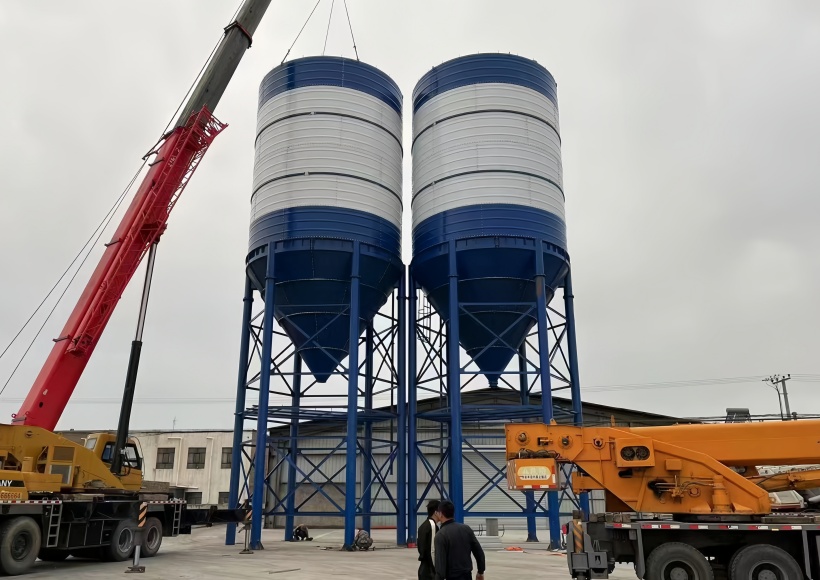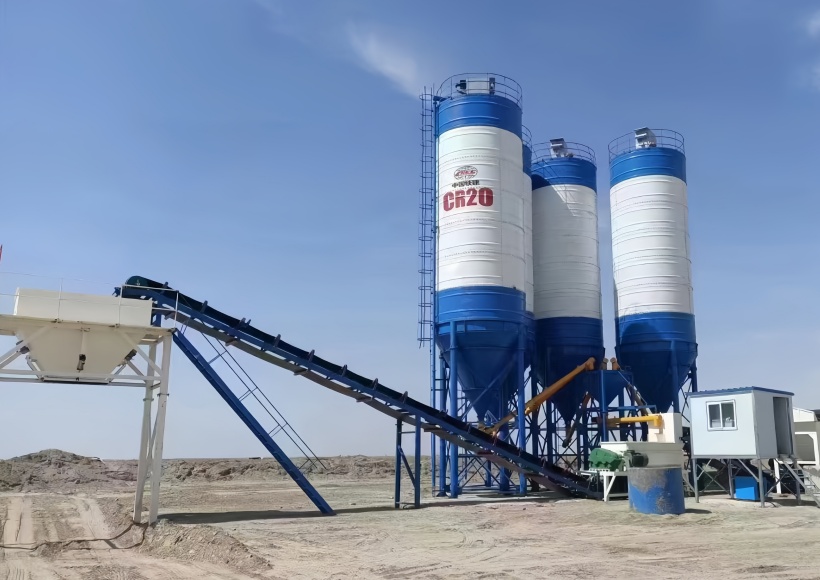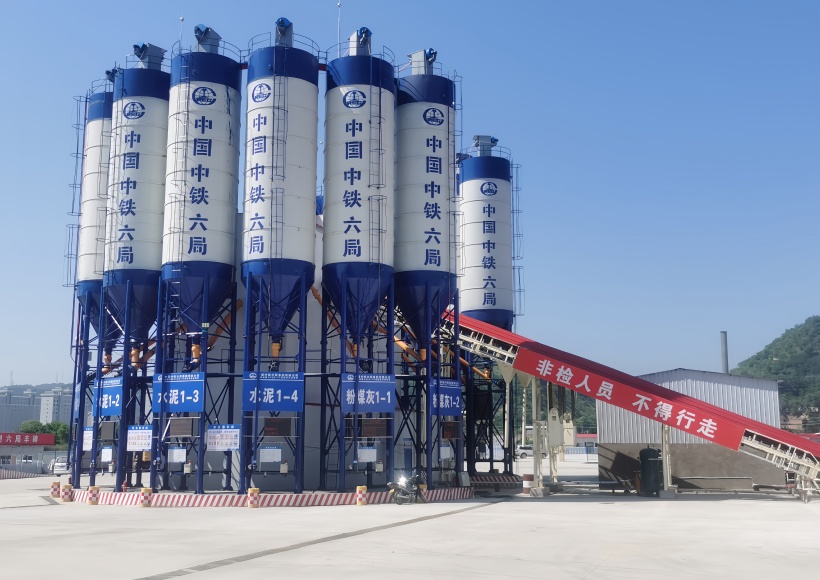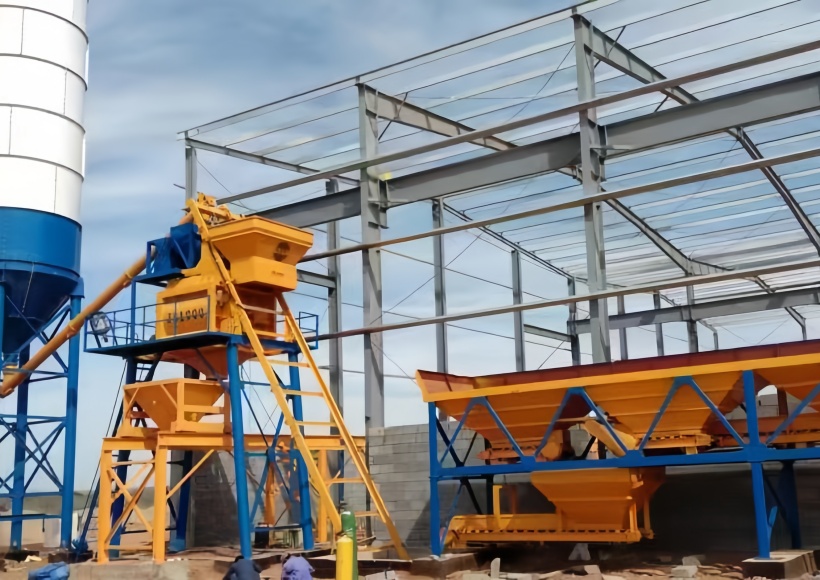









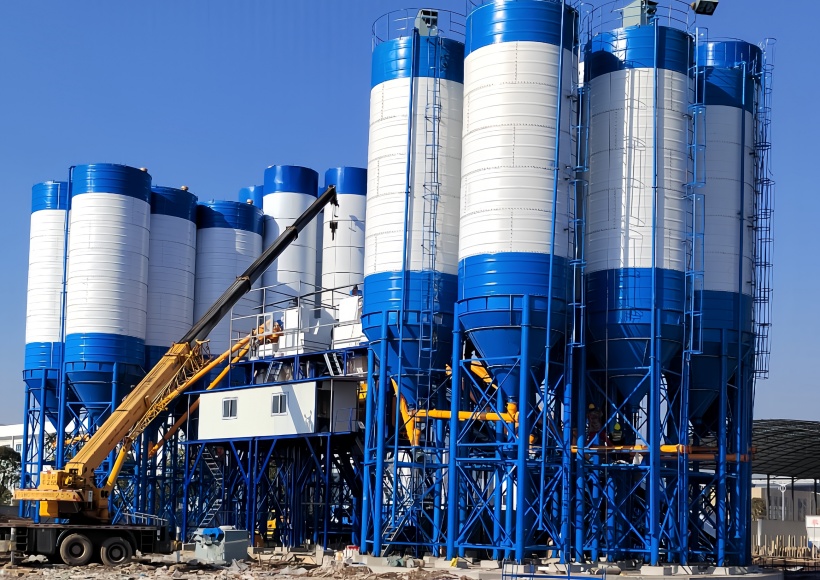
I have spent the better part of fifteen years staring at concrete batching plant setups across three different continents. Let me tell you something that most equipment brochures won’t admit: picking the wrong storage silo can derail your entire project timeline before the first foundation pad is even poured. We are talking about the classic site headache—the debate of bolted vs welded cement silos.
You might think it is just about holding grey dust. Wrong. It is about logistical nightmares, crane rental fees, and whether your assembly crew is going to spend three weeks tightening high-strength bolts in the freezing rain. This isn’t just about steel plates; it’s about survival on the construction site.
Why Your Bulk Material Storage Choice Actually Matters
If you run a concrete batching plant, your production lines live and die by your cement storage. A silo isn’t just a big steel bucket sitting in the dirt. It is a highly pressurized vessel constantly managing fly ash, slag, and bulk cement. Pick the wrong silo type for your environment, and your sealing performance immediately drops. Moisture sneaks in. Suddenly, you have a 100-ton block of solid rock instead of usable powder. Boom. Plant shut down.
When we need to source a reliable Cement Silo for a new fixed location, the argument in the site trailer always starts right away. The structural design needs to match the storage needs perfectly. You have to weigh the initial costs against the long-term maintenance costs. And trust me, the gap between those two numbers can be massive depending on whether you choose a welded structure or a modular design.
Welded Steel Silos: Bulletproof but a Nightmare to Move
Let’s talk about welded steel silos first. These things are absolute tanks. They are built in a controlled factory environment, featuring a continuous welded structure from top to bottom. If you want absolute, undisputed airtightness, this is your ticket. No flange leaks. No missing bolts. For long-term use at a permanent project site, large welded units are usually the go-to standard in the cement industry.
The structural strength of a welded silo is unmatched. Because there are no seams relying on rubber gaskets, the service life is generally longer, and it handles the internal pneumatic pressure from bulk trucks like a champion.
The Transport Reality Check for Large Welded Units
But here is the massive catch. Have you ever tried to move a 150-ton capacity welded steel silo up a winding, two-lane mountain road? It is completely brutal.
Transporting welded silos means hiring specialized heavy haulers. It means paying for oversized highway permits. It means police escorts stopping traffic. The physical steel silo itself might seem affordable at the factory gate, but the shipping logistics will bleed your equipment budget dry.
I remember a job back in late 2021. We ordered a massive welded unit for a remote hydroelectric dam project. It got stuck at a tight hairpin turn on a logging road for three whole days. The entire fleet of construction equipment just sat there idling, burning diesel and burning money, waiting for the rig to clear the pass. That is the hidden cost of welded structures. That is exactly why I frequently tell newer site managers to closely consult with equipment experts at a dedicated cement silo manufacturer like 砼信机械 when planning site logistics. You need someone to tell you when a welded silo is a terrible idea for your specific site conditions.
When On-Site Welding Makes Sense (And When It Doesn’t)
Sometimes, guys think they can cheat the shipping costs by bringing flat steel plates and doing on-site welding. Don’t do it. Unless you need an incredibly massive storage capacity that simply cannot be transported, avoid it. On-site welding requires highly skilled labor, and bad weather ruins weld quality instantly. A few days of heavy rain will drastically extend your construction period and overall construction costs.
The Bolted Cement Silo: The Modular Lifesaver
Enter the bolted cement silo. This is the modular savior for difficult job sites. Instead of a massive tube tying up traffic, the bolted cement silo shows up on standard flatbed trailers. It arrives as a neat stack of galvanized steel panels, flanges, and boxes of hardware. No oversized transport permits. No highway patrol escorts.
You simply offload the prefabricated cement silos at the construction site with a standard forklift and start assembling. For tight urban environments or remote sites with terrible road access, bolted silos are generally the only realistic option. We actually specified a modular Cement Silo for an underground subway station expansion last year simply because a heavy crane could not safely swing a fully welded one down into the excavated alleyway.
Assembly on the Construction Site
The modular design relies heavily on overlapping steel panels. You lay out the plates, apply the industrial sealant strips, and start driving in the high-strength bolts. It requires patience. Your crew is basically building a giant steel puzzle. Compared to welded units, bolted silos require more hands-on deck during the initial setup. The labor costs for assembly are undeniably higher.
The Sealing Performance Obsession
Here is the question everyone asks me: “Do bolted cement silos leak easily?”
My answer is always the same: Only if your crew cuts corners. A bolted steel setup relies entirely on the integrity of the seal and the torque of the bolts. If your guys are exhausted at 5 PM and miss a few bolts on a middle flange, moisture will ruin the cement and fly ash sitting inside.
If assembled strictly by the manual, the sealing performance of bolted units is fantastic. However, you will have slightly higher long-term maintenance costs because someone actually has to go up there and periodically check those bolts for tension. The continuous vibration from the concrete batching plant and the constant cycling of pressure relief valves can loosen things over time.
Site Conditions Dictate the Silo Type
Selecting a silo is never about personal preference. It is strictly about site conditions.
Do you have wide open highways leading right to your gate, a massive 200-ton crawler crane already on site, and a permanent, fixed location layout? Welded silos win that fight every single time. The minimal setup time and bulletproof nature make it worth the heavy haul freight bill.
Are you building a temporary bridge in a crowded city center? Do you plan to tear down the concrete batching in eighteen months and move the whole circus to another state? Bolted silos all day long. Transporting bolted silos to the next job is a breeze. Just unbolt the galvanized steel, stack the panels, and throw them on a regular truck. This flexibility is why various types of cement silos exist in the first place. Sometimes, for extremely height-restricted areas, we even completely abandon vertical setups and look at horizontal silos, though their storage capacity is usually far lower.
Breaking Down Construction Costs and Labor Costs
You have to run the math on the total installed cost, not just the invoice price. Welded and bolted silos trade blows constantly depending on how you structure your budget.
A bolted cement unit is much cheaper to ship. The freight savings are huge. But it requires heavy on-site labor costs. It typically takes a seasoned crew several days to bolt a 100-ton unit together properly, seal it, and stand it up.
On the flip side, large welded silos require almost zero assembly time. You lift it off the trailer, drop it onto the concrete foundation, bolt down the structural legs, hook up the aeration pads and pressure relief valves, and you are ready to pump bulk cement. The construction period is slashed to hours instead of days.
This is where the expertise of your supplier matters. A solid partner like 砼信机械 usually guides you through this exact cost matrix based on your specific construction projects. They don’t just sell steel; they solve logistical bottlenecks before they happen.
Final Verdict on Bulk Material Storage
Bottom line: evaluate your storage needs and site realities without wearing rose-colored glasses. Don’t buy a welded monster if your site entrance is a muddy dirt path through a forest. Don’t buy a bolted unit if you don’t have the patience or the crew to assemble it properly.
Whether you are storing bulk cement, fly ash, or specialized mineral powders, ensure the structural strength of your chosen silo type matches your operational intensity. If you are still on the fence, reach out to the engineering team over at 砼信机械 before pulling the trigger. Get expert input, double-check your freight routes, and secure a Cement Silo that actually fits your workflow instead of fighting against it.
常见问题(FAQ)
Q1: Do bolted cement silos leak easily during heavy rain?
Not if your crew built it right. But yeah, if the guys rush the sealant job or fail to torque the high-strength bolts properly, moisture gets in fast. Do it strictly by the book, and the sealing performance matches any welded unit out there.
Q2: Is a welded steel silo cheaper to buy than a bolted one?
The physical silo might cost less on the factory floor, but shipping will absolutely kill you. Oversized load highway permits and heavy haulers destroy any initial cost savings. You have to run the total freight math first.
Q3: How long does it actually take to assemble a bolted silo on-site?
It entirely depends on your crew’s experience. A solid team can erect a standard 100-ton modular silo in about three to four days. Dealing with bad weather or rookies? Add another two solid days to your construction period.
Q4: Can I move a welded silo to a new project site later?
Technically yes, but practically no. Unless it is a tiny 30-ton unit, moving large welded silos from old concrete batching plants usually costs more in freight and crane rentals than just buying a brand new bolted unit.
Q5: Why do some sites still do on-site welding for silos?
Usually, it is because they demand a massive storage capacity—like 1000 tons—that simply cannot be shipped bolted or fully welded. It is incredibly risky, though. Bad weather ruins the welds instantly, and specialized labor costs skyrocket.