Concrete Batching Plant Construction Plan: A Comprehensive Analysis from Planning to Commissioning
Nov 04,2025
The construction of a high-efficiency concrete batching plant is both a science and an art, from site selection and planning to formal commissioning.
As a crucial guarantee for infrastructure construction, the scientific and rational construction plan of a concrete batching plant has a decisive impact on project quality, cost, and schedule. A complete construction plan needs to consider not only site selection, planning, and concrete batching plant selection, but also the entire process including installation, commissioning, environmental protection measures, and acceptance and commissioning.
This article will systematically analyze the key elements of each stage of a concrete batching plant from planning to commissioning, providing a clear and practical technical roadmap for project construction.
---
Scientific Site Selection: The Foundation of Successful Batching Plant Construction
The site selection of a batching plant directly affects its later operational efficiency and cost, and must comprehensively consider multiple factors.
The primary principle of site selection is to facilitate material transportation. It should be close to the supply locations of raw materials such as aggregates and cement to reduce transportation costs and ensure the quality of raw materials. At the same time, the land use conditions must be fully considered, including land area, topography, geology, and climate, to ensure the stable operation of the batching plant after construction.
Environmental factors are equally important; pollution to the surrounding environment should be avoided, and the site should be located away from environmentally sensitive areas. The mixing plant should be as far away from residential areas as possible to prevent noise pollution.
Infrastructure conditions are another key factor in site selection. Water, electricity, and transportation infrastructure must be complete to ensure the normal operation of the mixing plant after construction.
Based on years of industry experience, a successful mixing plant site typically possesses the following characteristics: convenient transportation and a suitable distance from the supply location; elevated terrain for easy wastewater discharge; and the presence of nearby high-voltage power poles for easy access to construction power.
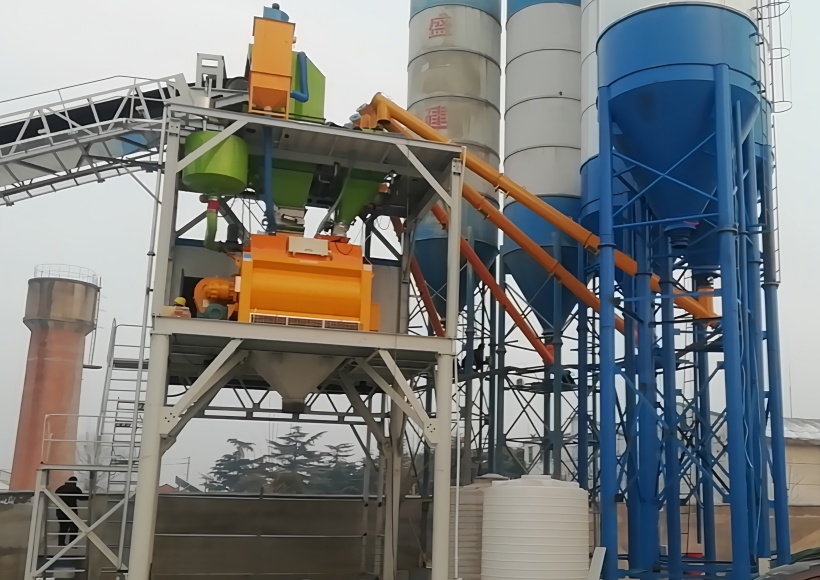
Rational Planning: Determining Layout and Scale
Scientific and rational planning is crucial for the efficient operation of a mixing plant.
Based on the total concrete production volume, number of pouring days, daily working hours, and utilization coefficient, the appropriate mixing plant specifications can be calculated.
In planning, the site layout should be based on the project's production process, market demand, and transportation requirements to ensure a rational layout of functional areas and smooth workflow.
The production line layout should be tailored to the characteristics of the concrete production line, selecting appropriate layout methods such as linear or clustered arrangements to improve production efficiency.
In terms of regional planning, it is necessary to rationally plan raw material storage areas, including aggregates, cement, and additives, to ensure the safe storage and supply of raw materials. Simultaneously, it is essential to plan concrete storage and transportation routes to ensure timely and efficient delivery of concrete to the construction site.
Concrete Batching Plant Selection and Configuration: Balancing Needs and Economy
Equipment selection directly affects the production capacity and concrete quality of the concrete batching plant, making it one of the most critical technical decisions in project construction.
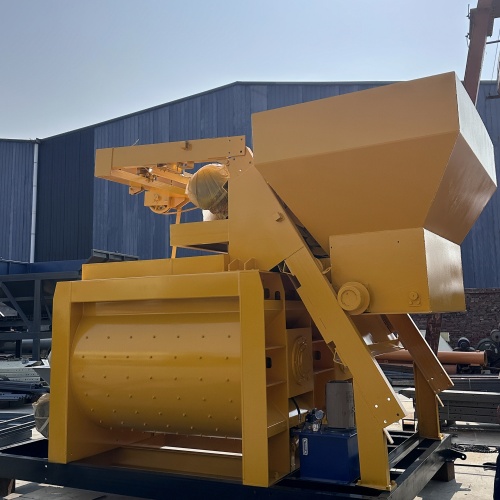
The primary consideration in equipment selection is the performance grade of the concrete to be used, thereby determining the appropriate mixing unit. For example, forced mixing units must be used in water conservancy projects. The specifications of the concrete batching plant should also be selected based on the workload and schedule, and the transportation method of the finished concrete should be considered.
The construction environment is also an important factor in equipment selection. When the construction site requires a large volume of concrete to be poured at once, with high quality requirements, and there are no nearby batching plants available for reinforcement, it is best to choose two smaller batching plants, or a dual-unit configuration of one main and one auxiliary unit.
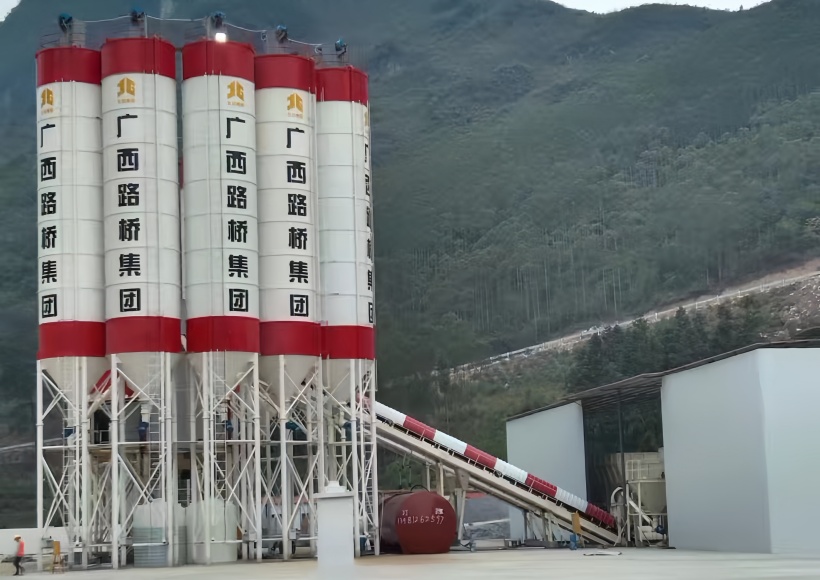
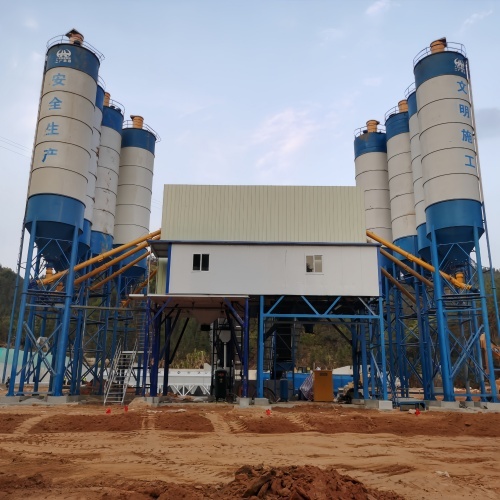
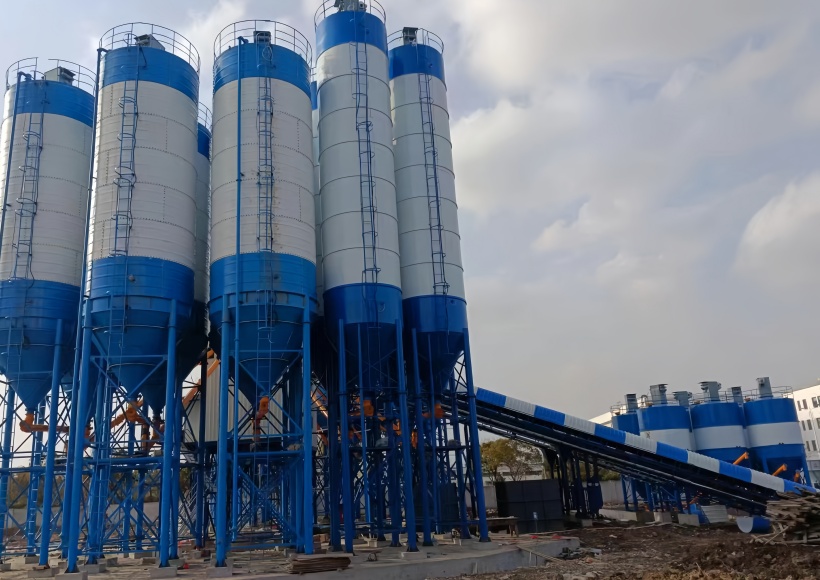
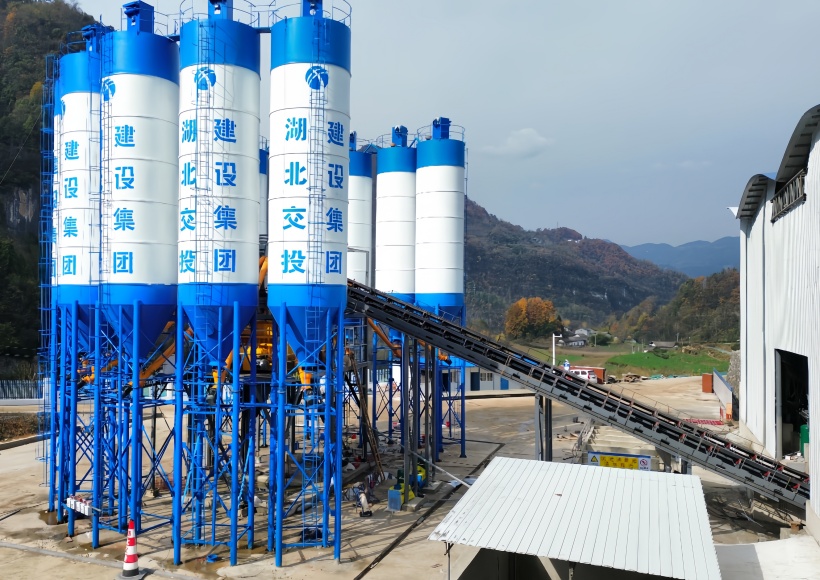
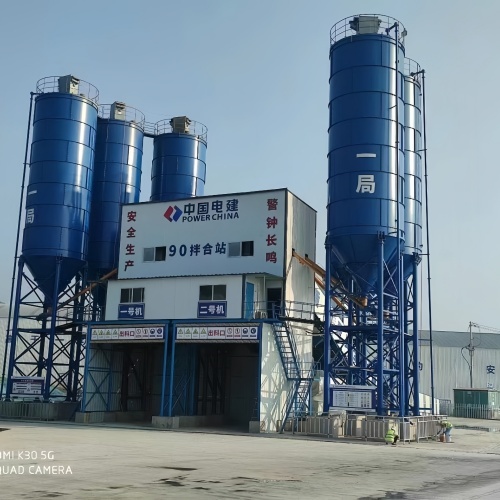
As a professional concrete batching plant manufacturer, Tongxin Machinery's batching plants feature a modular design, offering advantages such as convenient installation and relocation, small footprint, and strong site adaptability, making them highly suitable for high-speed rail, engineering construction, and other demanding applications.
The HZS series batching plants offer a variety of models, including HZS25, HZS35, HZS50, HZS60, HZS75, HZS90, HZS120, HZS150, HZS180, and HZS240. For example, HZS25 refers to a batching plant with a production capacity of 25 cubic meters per hour. Users can choose flexibly according to their actual needs.
Installation, Commissioning, and Acceptance: Ensuring Smooth Production
Installation and commissioning are the implementation phase of batching plant construction and directly affect the subsequent production quality.
Before installation, all components and connectors of the batching plant should be inventoried according to the packing list. The equipment should be checked for damage during transportation, and any damage should be repaired.
Professional concrete batching plant manufacturers like ConcreteXin Machinery typically provide comprehensive technical support. Their experience indicates that a thorough analysis of potential problems during the installation process should be conducted, addressing aspects such as site selection, personnel organization, and equipment and tooling preparation, with corresponding control measures implemented.
The acceptance phase is the final hurdle before the batching plant is put into operation. The acceptance team must focus on verifying the compliance of the batching plant construction with relevant standardized construction guidelines.
After comprehensive evaluation, the acceptance team must confirm that the batching plant has a reasonable layout, advanced equipment, stable system operation, and adequate safety and environmental protection measures, with all technical indicators meeting design and specification requirements.
Environmental Protection and Quality Control: Guarantee for Sustainable Development
Modern concrete batching plant construction must place high importance on the construction of environmental protection facilities and quality control systems.
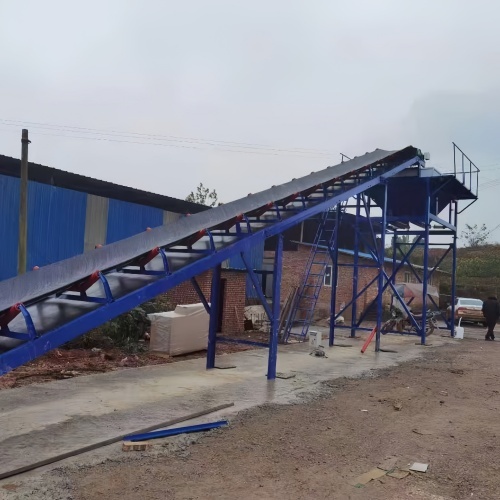
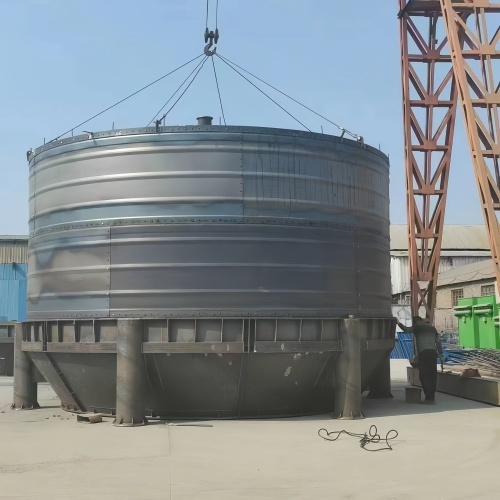
Regarding environmental protection facilities, it is necessary to construct wastewater treatment, dust treatment, and noise control facilities to ensure the project meets environmental standards and achieves green production. The layout of environmental protection facilities should be considered during the planning stage, such as the design of an integrated dust collector and aggregate transfer silo, which can efficiently store aggregates, increase production capacity, and achieve energy efficiency through advanced dust removal technology.
Quality control is fundamental to the survival of a concrete batching plant. A rigorous quality inspection system must be established to ensure that the concrete product quality pass rate meets set targets. Simultaneously, emergency response plans for ready-mixed concrete production and quality control should be established to address potential quality issues.
The introduction of an intelligent management system can significantly improve quality control. Through advanced information technology, an intelligent management system can be established to automate and intelligently manage the production process, improving production efficiency and product quality.
---
Every aspect of the construction of a concrete batching plant is crucial to its final operational efficiency. Strict adherence to standardized procedures in design, construction, and acceptance is key to ensuring the smooth commissioning and efficient operation of the plant.
As the construction industry continues to raise its requirements for concrete quality and environmental protection, future concrete batching plant construction will place greater emphasis on intelligent, environmentally friendly, and standardized development. As a professional concrete batching plant manufacturer, Tongxin Machinery is committed to technological innovation and product upgrades, providing customers with comprehensive and efficient concrete mixing solutions to help enterprises remain competitive in the market.