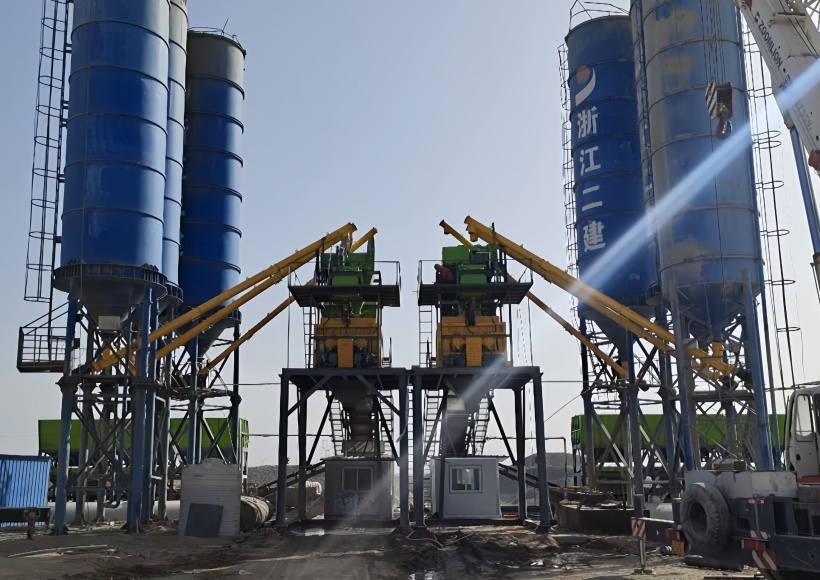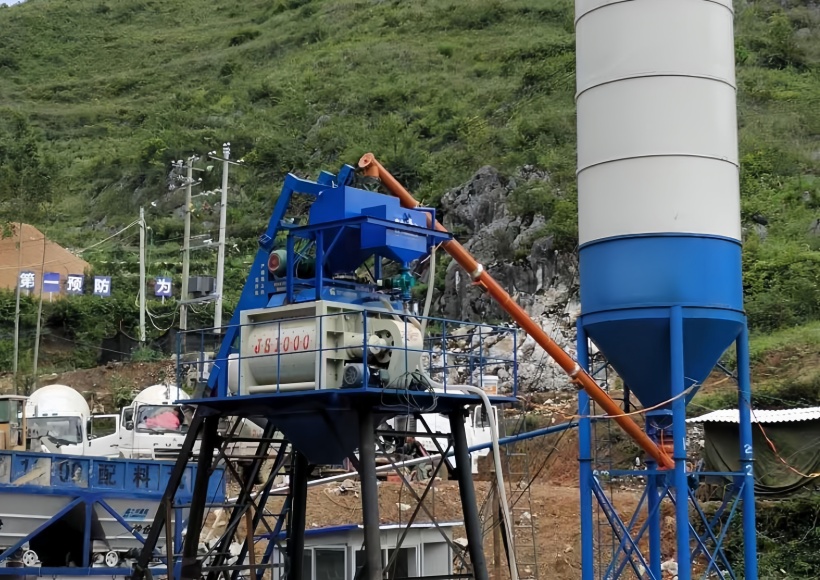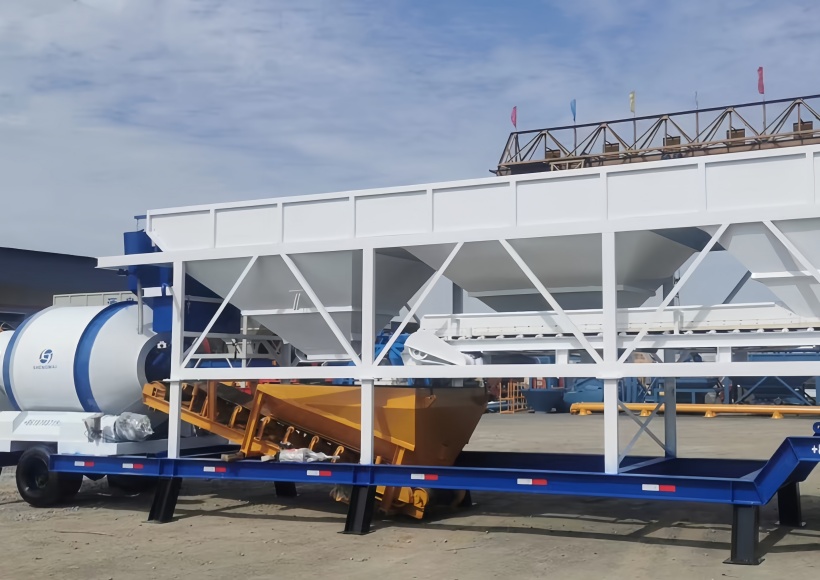









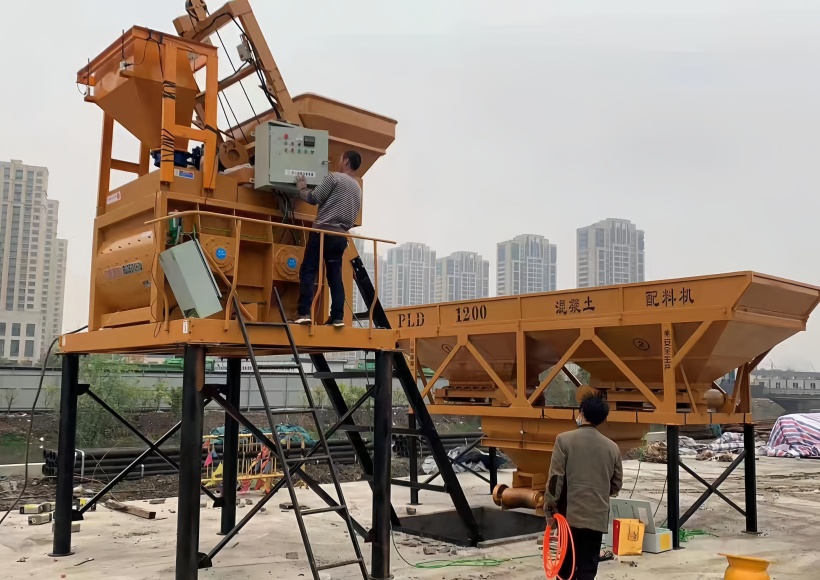
Walk into any high-volume batch plant or precast yard. The noise is deafening. The dust coats every surface. In this harsh environment, your equipment isn’t just welded steel; it is the absolute lifeblood of your entire operation. When you are pushing hundreds of yards of material out the gate daily, the margin for error drops to absolute zero. A bad mix design ruins the pour and angers the contractor. A stalled motor stops the entire fleet of trucks waiting in the yard. This is exactly why the twin shaft concrete mixer has completely taken over heavy-duty operations worldwide. It just works. It handles the abuse shift after shift.
The Core Issue: Defeating the Segregation of Materials
Segregation of materials keeps quality control managers awake at night. You pay top dollar for premium cementitious material. You source perfectly graded coarse aggregates from the local quarry. You carefully measure your water and chemical admixtures. But if your mixer for concrete lacks the physical violence required to blend these elements properly, none of that prep work matters. A weak mixing action leaves dry powder hidden inside wet clumps. It leaves aggregate particles completely uncoated by the cement paste. That leads directly to structural weakness and failed compressive cylinder tests.
Many older batch plants still rely on systems featuring low mixing shear. This is a massive operational flaw in today’s demanding market. Low shear mixing simply pushes the wet sludge around the perimeter of the drum. It severely lacks the aggressive kinetic energy required to force water into the microscopic pores of the sand and stone. To compensate for this weak action, operators are forced to extend the mixing cycle. They just let the machine spin longer, hoping the batch eventually evens out. That is wasted time. It kills the overall efficiency of the production process. A long mixing time means fewer trucks loaded per hour. You need a mixing machine that attacks the batch aggressively from the very first second.
Key Features of the Twin-Shaft Mixing System
This brings us directly to the core mixing technology. A true twin-shaft mixer is a completely different beast compared to basic tilt-drum or pan mixers. You have two massive horizontal shafts spanning the entire length of the mixing tank. These heavy-duty shafts rotate in opposite directions. This specific counter-current action is the secret behind the speed. It doesn’t just fold the concrete gently. It rips it apart, shreds the clumps, and smashes the materials back together under extreme force.
Look closely at the mixing blades inside the drum. They aren’t just flat paddles. They are geometrically arranged at precise angles to lift the heavy, wet material and literally throw it toward the center of the drum. Because the blades from the two mixing shafts overlap in the middle, they create a highly aggressive turbulent zone. Any fresh mix material to pass through this specific central area gets completely pulverized. The relative motion of the rocks grinding against each other forces the cement slurry into every tiny crack of the aggregate. This continuous, interrupted spiral motion ensures the entire batch is fully homogenized in record time. It is a violent amalgamation of raw materials.
When you source your heavy equipment from serious, established builders like Tongxin Machinery, you are buying a meticulously engineered flow path. The material inside behaves more like a boiling fluid than a pile of wet rocks. It is forced into a homogeneous mixture rapidly. This intense turbulent flow actively intensifies the mixing process, drastically slashing the rapid mixing time required to achieve the best possible result.
The Gearbox: Handling the Brutal Torque
You absolutely cannot generate that kind of brute force without a bulletproof drivetrain. The gearbox is the unsung hero of the entire system. It has to handle terrifying torque spikes when a two-ton load of wet gravel drops suddenly into the mixer tank. It maintains optimal intensity even when the mix is extremely stiff. It keeps the shaft mixing perfectly synchronized. If that synchronization ever fails, your steel blades collide at high speed. A top-tier, heavy-duty gearbox guarantees the reliable mixing results you desperately need for producing high-quality concrete day after day.
Planetary Mixer vs. Twin Shaft Concrete Mixer
Let’s address the common industry debate: choosing between a planetary mixer and a twin shaft setup. They are built for entirely different masters. A planetary concrete mixer features specialized mixing blades that orbit the center of the pan while simultaneously spinning on their own axes. It provides incredible, meticulous sweeping coverage of the floor. It is an amazing tool for highly specialized jobs. If you are doing colored concrete batches, delicate glass batch mixtures, or ultra-high-performance concrete where you need intense low mixing for specialty powders, a planetary setup is great.
But try feeding high volumes of three-inch crushed rock and stiff mud into a planetary mixer. The wear parts will disintegrate rapidly. The planetary arms will snap under the strain. The short mixing time vanishes entirely as the machine struggles to push the heavy mass. For sheer bulk concrete production, planetary designs simply cannot keep up.
This is exactly where the Twin Shaft Concrete Mixer completely dominates the field. The screw-like motion of the massive twin shafts moves large volumes of abrasive material effortlessly. The unique operational requirements of a commercial ready-mix plant demand raw speed. You need rapid mixing. You need an instant, clean discharge. The dual horizontal shafts physically push the mixed concrete down through the massive discharge doors in mere seconds. The mixer tank empties cleanly. You are immediately ready for the next mixing batch, maximizing your hourly yield.
Maximizing Output in Precast Concrete
The precast concrete sector is arguably the toughest physical test for any concrete mixer on the market. Precast work requires brutally stiff, extremely low-slump mixes so the molds can be stripped quickly. If the slump is off by even a fraction, the structural element fails. A standard mobile concrete mixer or a basic single-shaft drum will outright stall out trying to turn this dry, heavy mix.
The benefits of a twin shaft configuration shine incredibly bright in precast applications. The twin-shaft mixing system handles the massive torque loads of dry cast concrete easily. The aggressive shaft mixing achieves a homogenous state incredibly fast, even with minimal water content. You get top-performing, zero-slump concrete in under a minute of wet time. That short mixing time allows precast yards to turn their molds over significantly faster. It minimizes surface defects and bug holes. The overall quality of the concrete improves drastically.
Wear-Resistant Components and Energy Efficiency
We also have to talk about the ugly side of the concrete industry: daily maintenance. Concrete is basically liquid sandpaper. The inside of any mixing machine takes a horrific abrasive beating every single shift. Buying cheap, unproven equipment means your maintenance crew will spend every weekend climbing inside a dark, cramped drum to weld on temporary patch plates.
A properly spec’d, industrial-grade twin-shaft setup uses incredibly thick wear-resistant cast iron or high-chromium steel liner plates. Furthermore, the actual twin-shaft mixing action naturally helps protect the machine. Because the materials are constantly thrown inward into the center turbulent zone, the stones largely mix against themselves in the middle of the air space. This brilliant design significantly reduces the direct grinding wear on the steel walls of the mixer tank.
Investing in heavy-duty gear from reputable companies like Tongxin Machinery drastically cuts your emergency maintenance downtime. Less downtime directly translates to more concrete poured. It is a massive boost to your bottom line.
Power consumption in a large batch plant is astronomical. Starting up huge electric motors under a full wet load draws massive amperage spikes. Energy efficiency matters. Because the twin shaft concrete mixer achieves a perfect homogeneous mixture so quickly, you run those massive motors for a much shorter duration per individual mixing batch.
Despite the highly aggressive mixing action inside the drum, a finely tuned unit actually utilizes less power per batch than an older, wider pan mixer struggling with the same volume. The electric motors aren’t fighting the dead weight of the material; they are simply maintaining the momentum of the moving mass. This significantly improves the overall impact on the efficiency of your operation.
Final Thoughts on Upgrading Your Plant
Stop trying to save a few pennies on the most critical component of your entire plant. Your aggregate storage bins can be huge. Your automated batching software can be perfect. But if your main mixer fails to deliver a homogenous mix quickly, the yard grinds to a halt.
Take a hard look at your current production setup today. Monitor your peak power draw. Track exactly how many hours your guys spend inside the drum replacing worn-out wear parts. If your margins are slipping, it is time to upgrade. A heavy-duty Twin Shaft Concrete Mixer is the primary engine of your plant’s profitability. Partnering with seasoned industry pros like Tongxin Machinery ensures you get the exact right geometry and heavy-duty drivetrain custom-tailored for your specific output goals. Get a massive edge on the local competition by utilizing the absolute best mixer for concrete available on the market today.
Frequently Asked Questions (FAQ)
Why does a twin-shaft unit mix faster than a single-shaft mixer?
It is all about the overlapping blades. Two shafts spinning opposite ways throw rock and cement into a violent center collision zone. This smashes the materials together instantly, forcing water into the sand much faster than simply rolling it around a single drum.
Can this equipment handle really stiff, low-slump precast mixes?
Yes. They handle zero-slump mud all day long. The dual shafts deliver massive raw torque directly into the material bed. Unlike older pan designs that stall out, the heavy blades physically tear through dry slurry without destroying the main gearbox.
How often do I need to replace the internal liner plates?
That depends entirely on how abrasive your aggregate is. However, because the twin-shaft design forces the concrete to largely grind against itself in the middle of the tank, the high-chrome steel liners take way less direct friction and outlast traditional drum liners.
Is a planetary mixer ever a better choice for a batch plant?
Only for highly specific, small batches. If you run colored architectural concrete or glass batch mixtures requiring intense sweeping coverage of fine powders, buy planetary. But for high-volume, heavy crushed rock, the planetary arms will simply snap under the strain.
How does the discharge process work without leaving material behind?
The bottom features a massive hydraulic door spanning the drum length. While it opens, the horizontal shafts keep spinning. The strategically angled blades physically sweep and push the heavy mud straight down and out the bottom. It dumps fast and drops incredibly clean.