
Getting the right mix on a job site isn’t just about the chemical recipe. It’s about brutal logistics. If you’ve been in the construction game long enough, you know the absolute headache of watching mixer trucks stuck in highway traffic while your pouring crew stands around burning hourly wages. The concrete degrades, the slump changes, and your margins shrink with every passing minute.
That brings us directly to the age-old industry debate: choosing between a stationary setup and a mobile unit. Which one actually makes sense for your bottom line? Let’s cut through the standard sales pitches. We need to look closely at the operational realities of a batch plant. Deciding to pull the trigger and invest in a Concrete Batching Plant is one of the heaviest financial choices a project manager will make. It dictates your workflow, your daily overhead, and ultimately, the quality of your finished build.
You need to know the hard difference between mobile and stationary systems before pouring a single yard of foundation. Let’s break down the advantages and limitations of both, looking at real-world production capacity, footprint constraints, and exactly what kind of equipment suits your project.
The Heavyweight Champ: Stationary Batching Plants
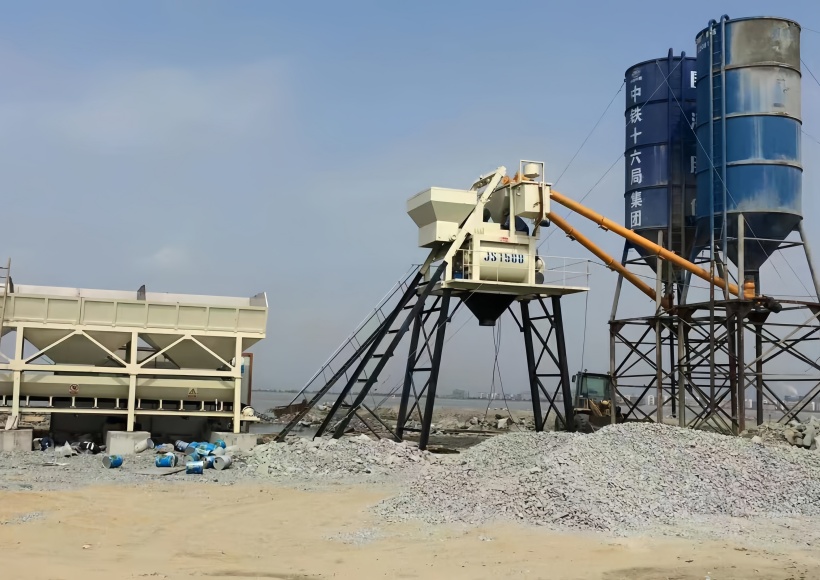
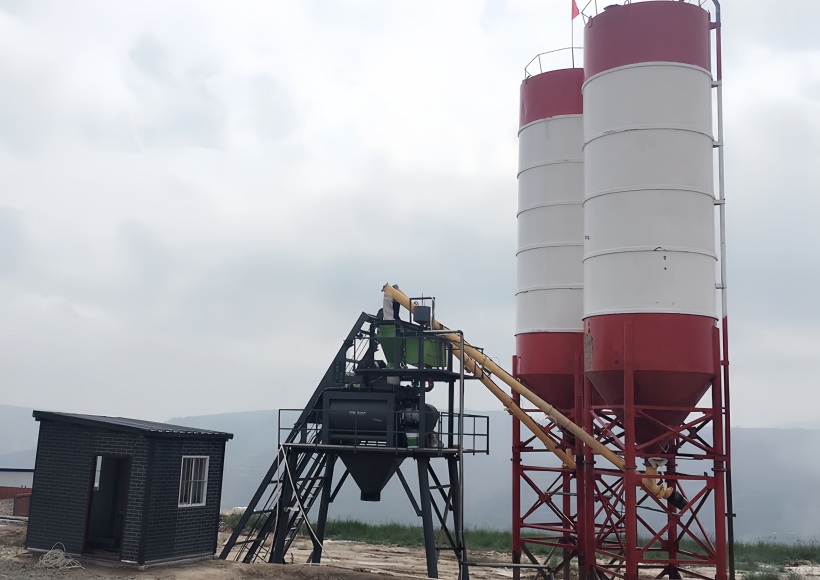
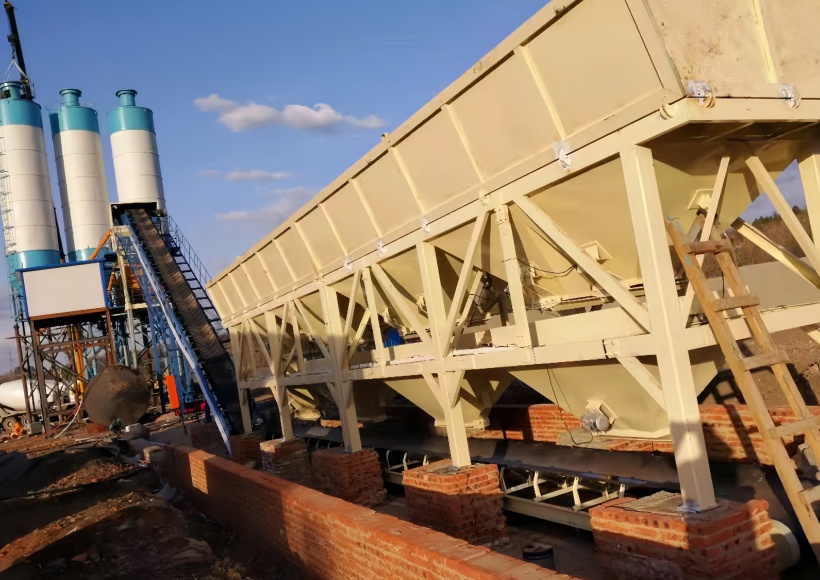
Let’s talk about the big guns first. Stationary batching plants are designed for one primary goal: sheer, unrelenting volume. When you secure a contract for a hydroelectric dam, a massive bridge substructure, or a sprawling high-rise commercial complex, you need continuous production. A stationary plant delivers exactly that without breaking a sweat. We are talking about high-volume concrete output that doesn’t stutter, shift, or fail when the demand spikes.
But let’s be realistic about the setup. It is not plug-and-play. You have to prep the site meticulously. Pouring concrete foundations for the massive cement silos, securing environmental permits, and setting up expansive aggregate storage takes serious time and capital. The initial investment is undeniably steep. You are essentially building a small factory from the ground up.
However, once a stationary concrete batching plant is operational, the financial dynamic flips. Your cost per cubic meter drops significantly. You get a higher production capacity and unmatched batch consistency. At Tongxin Machinery, we consistently see contractors realize that for multi-year, large-scale projects, the math heavily favors this fixed installation. You typically utilize a heavy-duty twin-shaft mixer capable of producing large volumes day in and day out. The machinery is robust, and with a spacious layout, you get easy maintenance access for your crews.
Stationary setups allow you to stockpile massive quantities of aggregate and cement. This means you aren’t completely dependent on daily raw material deliveries. If a gravel truck breaks down on the highway, your stationary concrete plant keeps churning out material because you have the buffer stock. For construction companies handling projects that require non-stop pouring for days on end, this level of security is non-negotiable.
The Nomad: Mobile Concrete Batching Plant Realities
Now, flip the script. What if your company handles extensive road construction, medium-sized construction sites, or a string of temporary projects scattered across a state? Building a massive concrete foundation for a batch plant every six months will completely destroy your profit margins. This is exactly where the mobile concrete plant completely changes the game.
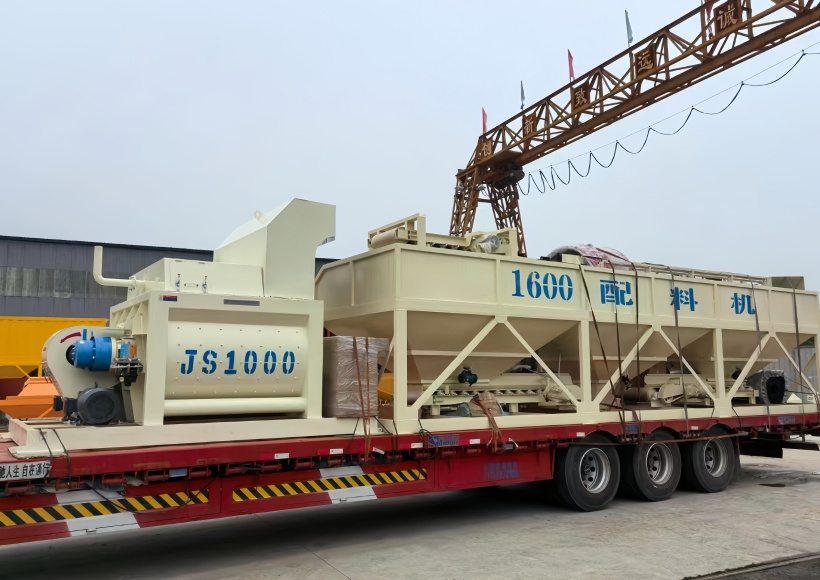
The absolute core advantage here is operational flexibility. A mobile batching plant features a highly engineered modular structure. Everything you need—the aggregate bins, the weighing scales, the control room, and the mobile concrete mixer itself—is built directly onto a heavy-duty transportable chassis. It is almost always pre-wired and quickly installed.
You literally hook it up to a semi-truck, tow it from one site to another, drop the heavy leveling jacks, and you can start to produce concrete directly on-site. Sometimes this transition happens within a matter of days, rather than the weeks required for a fixed plant. This easy to transport nature means you take the factory directly to the work.
Is there a trade-off? Absolutely, there always is. You face a limited production capacity compared to the stationary giants. A mobile batching unit simply won’t spit out 240 m³ an hour. But for projects requiring moderate quantities of concrete spread across wildly varying locations, the ability to mix and transport on the spot eliminates the massive risk of concrete degrading in transit.
Think about a remote highway paving job. If you rely on a distant commercial batch plant, you are paying exorbitant fees to transport concrete over long distances. The fuel costs alone will eat you alive. By utilizing a mobile plant, you achieve true on-site production. Your quality of concrete stays incredibly fresh, and you have total control over the mix timing.
Key Differences: Mobile vs Stationary Operations
When evaluating a stationary or mobile solution, you have to look past the sticker price. The true cost of any concrete mixing plant lies in its operational lifespan on your specific job site. Let’s look at the core clashes.
1. Production Capacity and Output Volumes
In terms of raw concrete production, stationary plants dominate. They are engineered to handle high volumes of concrete without extreme wear and tear on the components. If your construction project demands 150 to 200 m³ per hour, consistently, a stationary unit is the only logical choice.
A mobile concrete batching plant generally caps out around 90 to 120 m³ per hour, and pushing them to their maximum limit constantly will increase your maintenance downtime. They are fantastic for medium-volume requirements, but they cannot keep up with the insatiable appetite of a massive infrastructure pour.
2. Mixer vs Mixer: Equipment Under the Hood
Whether you are looking at a stationary or mobile setup, the heart of the operation is the concrete mixer. Most high-quality stationary plants utilize a massive, high-capacity twin-shaft mixer. These mixers aggressively churn the aggregate, cement, and water to ensure consistent, high-strength concrete.
Interestingly, top-tier mobile batching units also utilize twin-shaft technology now. The difference isn’t necessarily the mixing quality, but the physical size of the mixing chamber. A mobile mixer has to fit within legal highway transport dimensions. Therefore, while the quality of the mix concrete is identical, the batch size per cycle is smaller. You get the same strength, just less of it per minute.
3. Footprint and Site Prep
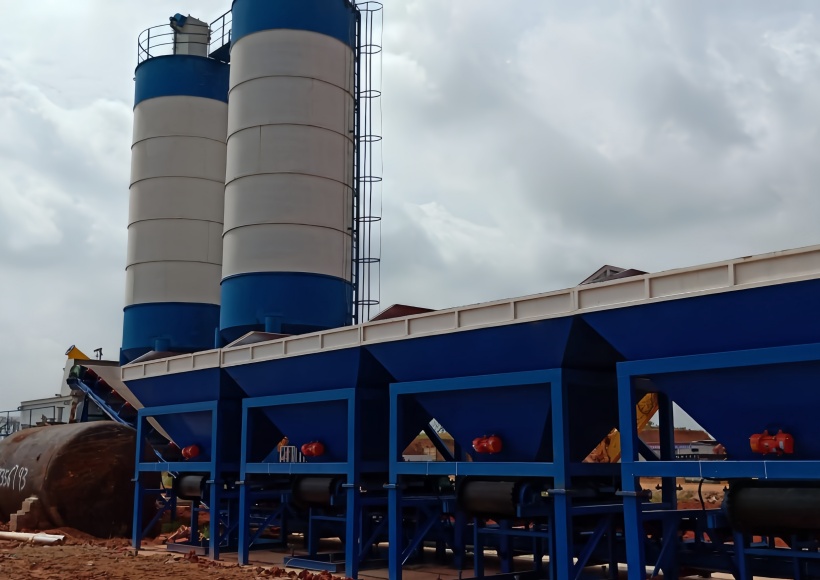
A stationary plant requires a massive footprint. You need space for an inclined belt conveyor, huge aggregate batchers, multiple towering cement silos, and a dedicated control room. You also need extensive foundational work to support the weight of the silos and the vibration of the mixer.
A mobile plant is compact. Because the aggregate storage and the mixer are often on the same chassis, you can squeeze a mobile unit into tight, urban job sites where space is at a premium. Furthermore, many mobile units don’t require poured foundations; they operate on compacted, level earth using heavy steel support legs. This low initial site prep cost is a massive advantage for temporary projects.
Choosing the Right Equipment: What Suits Your Project?
Making the final call between a mobile vs stationary setup requires a brutal assessment of your company’s pipeline. Don’t buy a plant for the job you have today; buy the plant that fits the jobs you plan to win over the next five years.
If your business model revolves around bidding on large-scale projects that last for several years in a single location, a stationary plant is the ideal solution. Yes, the upfront cost and foundation work will make your accountant sweat. But over a three-year dam project, the sheer efficiency, high-volume output, and lower per-yard production costs will pay for the plant twice over. It is the definitive choice for long-term stability.
Conversely, if you are a nimble contractor moving from one site to another every few months, tying your capital up in a fixed plant is a mistake. Evaluating your specific Concrete Batching Plant requirements means acknowledging your need for speed. A mobile plant allows you to chase contracts across different regions without worrying about how you will source material. It gives you incredible operational independence.
The choice depends entirely on your project needs. You have to weigh the low initial site-prep cost of a mobile unit against the higher production capacity of a fixed unit. Consult with experienced manufacturers. The engineering team at Tongxin Machinery often recommends doing a deep dive into your anticipated transit costs. If you are spending thousands a week just paying mixer trucks to haul concrete from a commercial plant to your remote site, a mobile batching setup will almost immediately put you in the black.
At the end of the day, producing concrete is about controlling your own destiny on the job site. Both stationary and mobile systems have their place. Your job is to accurately predict your volume, understand your mobility needs, and invest in the iron that will keep your crews pouring and your projects moving forward.
Frequently Asked Questions (FAQ)
1. How long does it actually take to set up a mobile plant?
If your ground is already compacted and level, a solid crew can have a standard mobile unit up and running in about 3 to 5 days. Because the systems are pre-wired on the chassis, you get to skip the nightmare of complex electrical installations.
2. Is the concrete quality worse from a mobile batching plant?
Not at all. Modern mobile setups use the exact same twin-shaft mixer technology as the massive stationary rigs. As long as your aggregate scales and water sensors are properly calibrated, the mix quality and structural strength are identical.
3. When is a stationary plant a terrible investment?
When you are forced to tear it down before it pays for itself. If your project timeline is shorter than 12 to 18 months, the hefty costs of pouring foundations, erecting silos, and eventually dismantling everything will completely eat your profit margins.
4. Do I need special permits to tow a mobile concrete plant?
Almost always, yes. Even though they are built on a transport chassis, these units are incredibly heavy and wide. You will definitely need oversize load permits and likely pilot vehicles depending on the specific highway regulations in your state.
5. Which system is harder for the crew to maintain?
Mobile units are generally tougher to wrench on. Because everything is tightly compacted onto a single frame to allow for transport, reaching wear parts like mixer liners or grease points takes more effort. Stationary plants offer plenty of catwalks and breathing room.