
What Is the HZS60 Concrete Batching Capacity?
If you are sizing a concrete production line for a medium-sized project, the HZS60 concrete batching capacity is one of the first numbers you should check. The HZS60 concrete batching plant is a compact, well-engineered station rated at 60 m³/h of theoretical output. In real production, the HZS60 concrete batching capacity typically lands between 40 and 50 m³/h — roughly 70% to 80% of the theoretical figure — and that real-world number is exactly what you need for planning.
This guide covers the full HZS60 concrete batching capacity story: core specifications, the gap between theoretical and actual output, daily and annual production, the key factors that affect output, practical ways to maximize it, and the investment return you can expect.
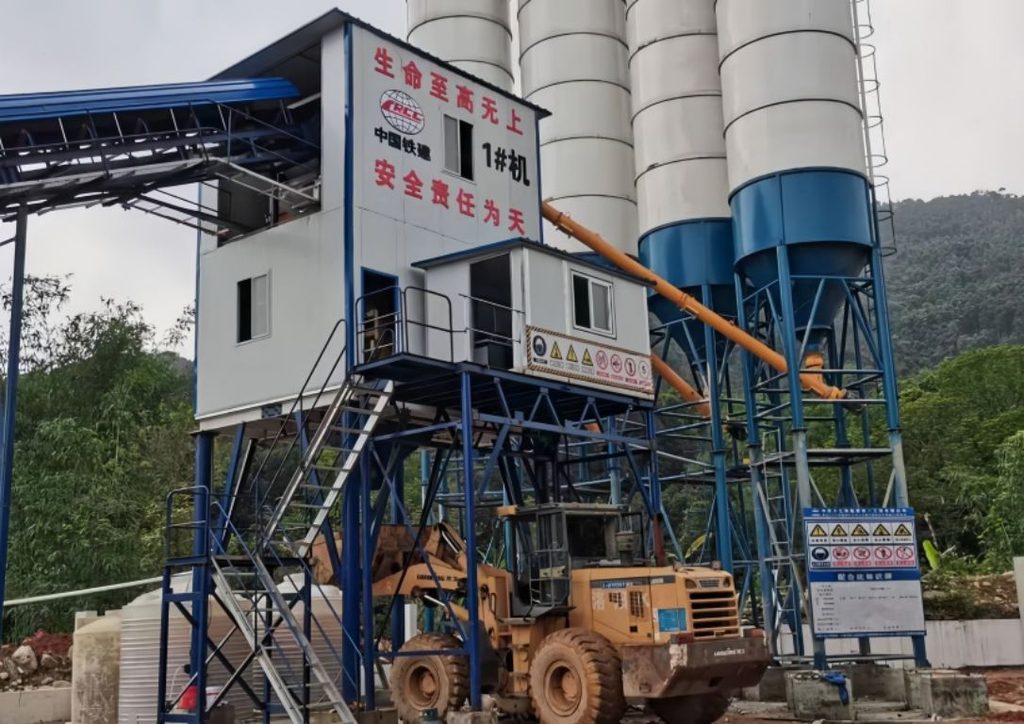
Core Specifications Table
| Parameter | Specification |
|---|---|
| Theoretical output | 60 m³/h |
| Actual output range | 40–50 m³/h |
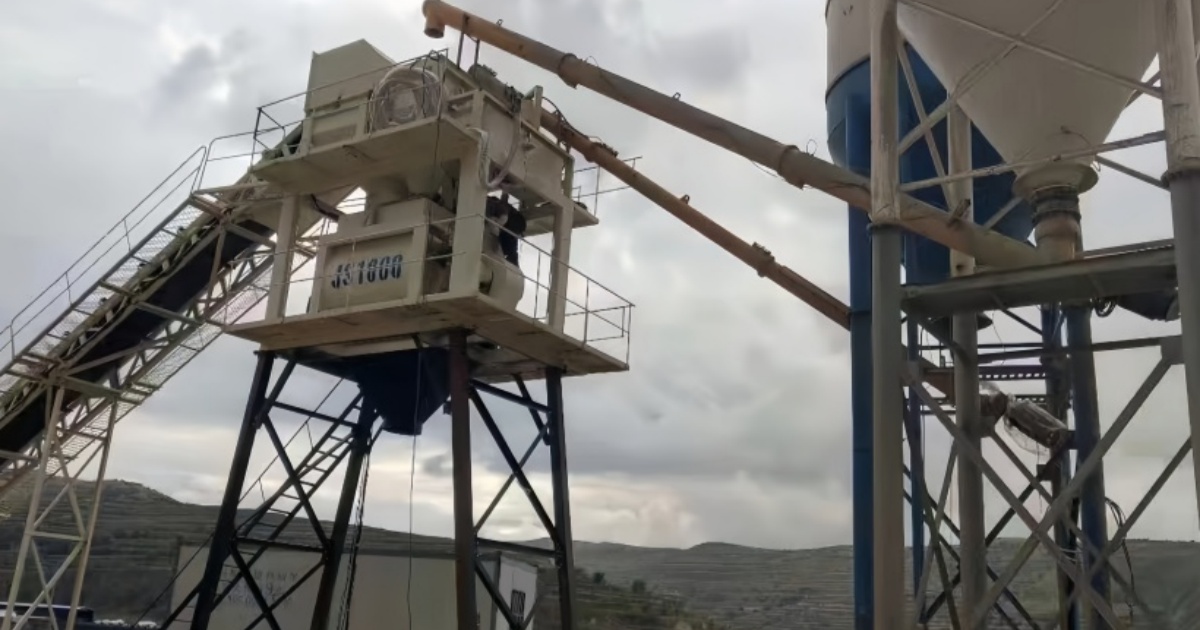
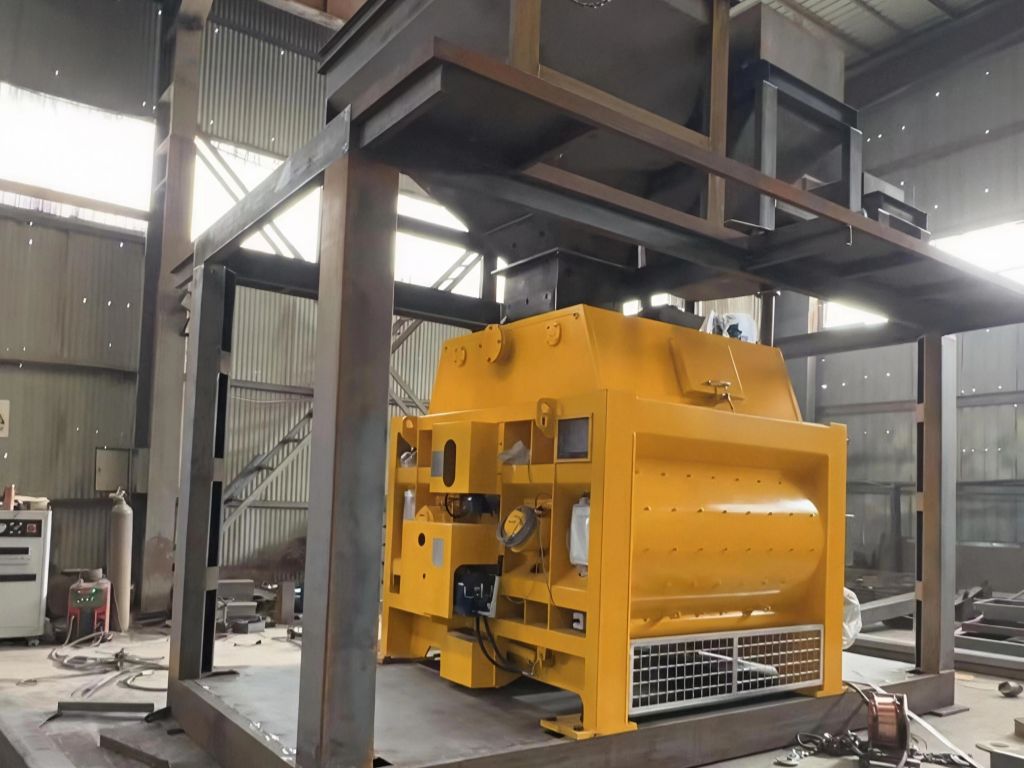
| Mixing unit | JS1000 forced mixer, 1,000 L |
| Mixing cycle time | 60 seconds |
| Batching system | PLD1600 batcher, 1,600 L |
| Maximum aggregate size | 80 mm |
| Daily output (8–10 h/day) | 400–500 m³ |
| Annual output (300 days) | 120,000–150,000 m³ |
The table above summarizes the HZS60 concrete batching capacity together with the supporting specifications that make it possible. The JS1000 forced mixer guarantees thorough, homogeneous mixing; the 60-second cycle keeps the plant’s rhythm tight; and the PLD1600 batcher matches the mixer’s pace so that weighing never becomes the bottleneck.
Theoretical vs. Actual Output: Understanding the Gap
Understanding the difference between theoretical and actual HZS60 concrete batching capacity is essential for realistic project planning. According to feedback from multiple equipment manufacturers and users, the actual output of the HZS60 typically ranges from 40 to 50 m³/h, meaning real-world production efficiency reaches approximately 70% to 80% of the theoretical output.
This gap is not a sign of equipment deficiency — it is a normal result of the constraints present in any production environment. The quality of mixing depends on many factors beyond the rated cycle time, just as concrete mixing in general is affected by the way materials are weighed, fed, and discharged.
Why Output Varies: Key Contributing Factors
| Factor | How It Affects Output |
|---|---|
| Batching time | Weighing and adding each material consumes time from every cycle |
| Discharging time | Concrete must be fully discharged before the next batch begins |
| Admixtures & water metering | Accurate liquid metering takes time and protects mix quality |
| Equipment maintenance | Worn or neglected equipment reduces efficiency and causes downtime |
| Operator proficiency | Experienced operators coordinate cycles better and reduce idle time |
Takeaway: plan around the actual output range, not the theoretical figure.
Daily and Annual Output Calculation
Based on real production performance, we can convert the HZS60 concrete batching capacity into daily and annual volumes — the numbers that matter most for scheduling and business planning.
| Period | Basis | Output |
|---|---|---|
| Daily output | 8–10 operating hours per day | 400–500 m³ |
| Annual output | 300 working days per year | 120,000–150,000 m³ |
A daily output of 400–500 m³ keeps a plant comfortably ahead of typical placement demand on a mid-sized site, while an annual output of 120,000–150,000 m³ supports full-year commercial and infrastructure work.
HZS60 in Context: Model-by-Model Output Comparison
To see where the HZS60 sits in the product family, compare theoretical and actual output across common models:
| Batch Plant Model | Theoretical Production (m³/h) | Actual Production Range (m³/h) |
|---|---|---|
| HZS50 | 50 | 30–40 |
| HZS60 | 60 | 40–50 |
| HZS75 | 75 | 50–60 |
| HZS90 | 90 | 60–70 |
| HZS120 | 120 | 80–90 |
A consistent pattern emerges: across the whole HZS family, actual production typically reaches 60% to 80% of theoretical output. When selecting a plant, always size around the actual range so your capacity assessment is accurate.
Key Factors Affecting Production Output
Output is not determined by the mixer alone. Three groups of factors decide how much concrete the plant can sustain over the long run:
| Category | Key Factors |
|---|---|
| Equipment configuration & quality | Mixer performance, metering system accuracy, advanced control system |
| Material supply & management | Aggregate silo capacity, powder storage & conveying |
| Operation & management level | Operator skills, maintenance, rational scheduling |
Equipment configuration and quality. The quality of the mixing unit directly affects production output. High-precision sensors in the metering system ensure accurate weighing, reducing error-adjustment time, while the microcomputer control system achieves fully automatic control and improves operational efficiency.
Material supply and management. Adequate aggregate silo capacity — typically four 8 m³ silos — ensures continuous production. The efficiency of the cement storage and transportation system, typically two 100-ton cement silos with screw conveyors, directly impacts production continuity.
Operation and management level. Skilled operators can better optimize production processes. Regular maintenance keeps equipment in good condition and reduces downtime, and scientifically arranged production and transportation reduce equipment idling and waiting time.
How to Maximize the Output of Your HZS60
Knowing the factors is one thing; acting on them is another. The following measures let you push the real HZS60 concrete batching capacity closer to its theoretical maximum:
1. Optimize equipment configuration
- Choose high-quality mixers and accessories to ensure stable operation
- Configure a suitable powder storage system, such as two or three 100-ton cement silos
- Use an efficient conveying system, such as an 800 mm-wide conveyor belt
2. Improve management
- Train professional operators to improve equipment efficiency
- Implement preventive maintenance to reduce equipment downtime
- Optimize production scheduling to reduce equipment idling and setup time
3. Refine production processes
- Optimize mix design to improve mixing efficiency
- Rationally arrange raw material supply to avoid production interruptions
- Use high-performance admixtures to shorten mixing time
Dual-Unit HZS60: Doubling the Capacity
For projects with large production volumes, a dual-unit HZS60 solution — operating two HZS60 systems simultaneously — may be the right choice, especially for large-scale engineering projects and ready-mix concrete production companies.
| Aspect | Dual-Unit HZS60 | Single HZS120 |
|---|---|---|
| Combined output | Up to 120 m³/h | 120 m³/h |
| Investment | More economical | Higher |
| Flexibility | Run one or both units to match demand | Single fixed capacity |
| Maintenance continuity | One unit keeps producing while the other is serviced | Full downtime during maintenance |
Configuration advantages: compared with a single HZS120 station, the dual-HZS60 configuration is more economical and offers greater flexibility — you can run both units at full speed for large orders, or just one unit for smaller demand.
HZS60 Investment Benefit Analysis
Beyond specifications and output, every buyer wants to know: will this investment pay off? Based on the production capacity established above, here is the investment picture for the HZS60 mixing plant:
| Item | Value |
|---|---|
| Annual output | 120,000–150,000 m³ |
| Reference sales volume | 60,000 m³ |
| Average selling price | $45.7 per m³ |
| Annual operating revenue | ≈ $2.74 million |
| Annual operating profit | ≈ $0.7 million |
Note: actual profit figures will be affected by region, raw material costs, management level, and market environment. For a deeper look at how model and configuration influence your purchase decision, read our concrete batching plant price analysis.
As a medium-sized concrete production plant, the HZS60 strikes a balance between investment cost and production capacity — a key reason for its widespread popularity. It meets the needs of most medium-sized engineering projects and ready-mix concrete production.
HZS60 FAQ
What is the HZS60 concrete batching capacity?
The HZS60 concrete batching plant has a theoretical capacity of 60 m³/h. In real production, actual output typically ranges from 40 to 50 m³/h — roughly 70% to 80% of the theoretical figure — depending on batching, discharging, metering, maintenance, and operator factors.
How much concrete can an HZS60 plant produce per day?
Based on 8–10 operating hours per day, the HZS60 can produce approximately 400 to 500 cubic meters of concrete per day.
What is the annual output of the HZS60 mixing plant?
Over 300 working days per year, the HZS60 can deliver 120,000 to 150,000 cubic meters of concrete annually.
Which mixer does the HZS60 batching plant use?
The HZS60 uses a JS1000 forced mixer with a rated capacity of 1,000 liters and a 60-second mixing cycle, paired with a PLD1600 batcher (1,600 L).
Why is actual output lower than theoretical output?
Actual output is reduced by batching time, discharging time, metering of admixtures and water, equipment condition, and operator proficiency. Together these factors lower efficiency to about 70%–80% of theoretical output — normal for any batching plant.
Is the HZS60 suitable for large projects?
For larger production volumes, two HZS60 units can be combined into a dual-unit setup with up to 120 m³/h of combined output — a more economical and flexible alternative to a single HZS120 station.
What return can I expect from an HZS60 investment?
Based on 60,000 m³ of annual sales at $45.7/m³, annual operating revenue is approximately $2.74 million, with an operating profit of roughly $0.7 million. Actual results vary by region, raw material costs, and management level.
Conclusion: Is the HZS60 Right for You?
By optimizing equipment configuration, improving management, and refining production processes, you can maximize the production potential of the HZS60 concrete batching plant and achieve a good return on investment. When selecting equipment, choose the configuration that matches your actual needs, and fully consider all the factors that affect production — not just the theoretical figure — so you can accurately assess the equipment’s real capacity.
With 40–50 m³/h of real-world output, 400–500 m³ of daily production, and a clear path to ROI, the HZS60 concrete batching capacity delivers exactly what medium-sized projects and ready-mix producers need.
Ready to get started? For more detailed information and technical specifications, contact our professional team — TX Mixing will provide you with personalized solutions and technical support. Learn more about how we build first-class concrete equipment with advanced technology.