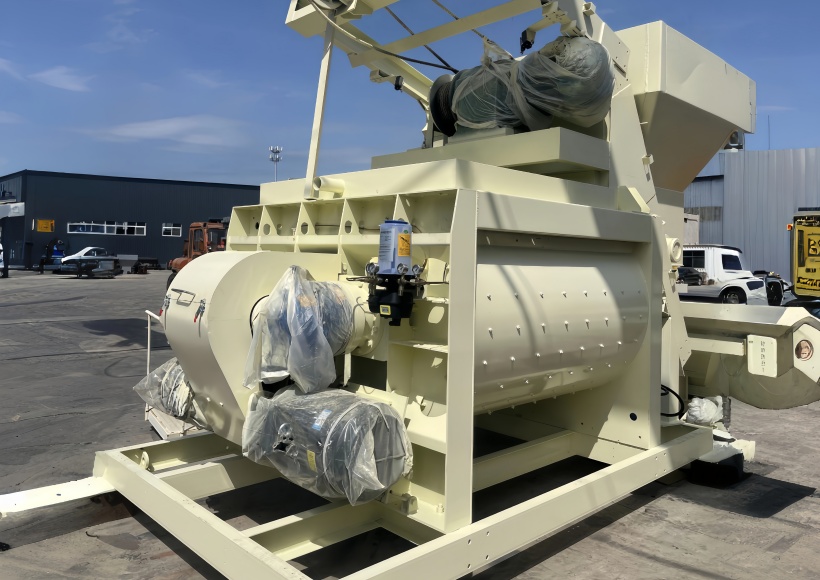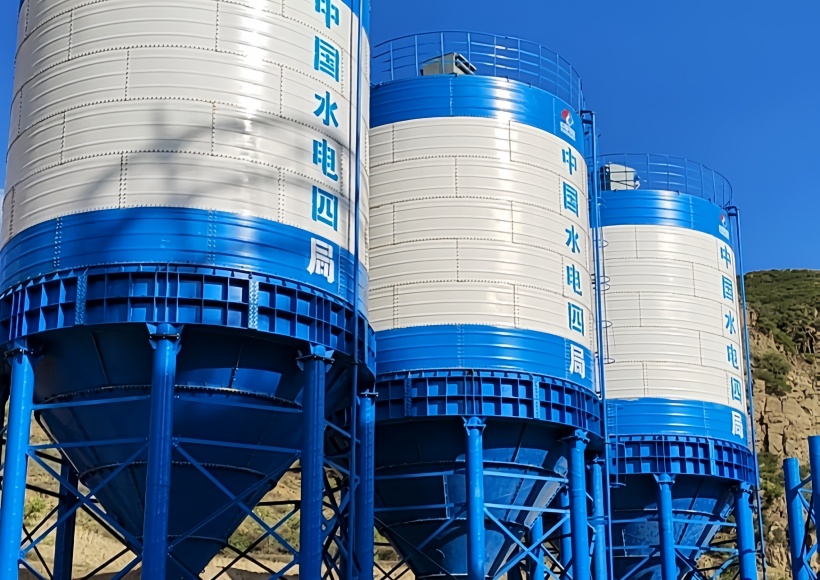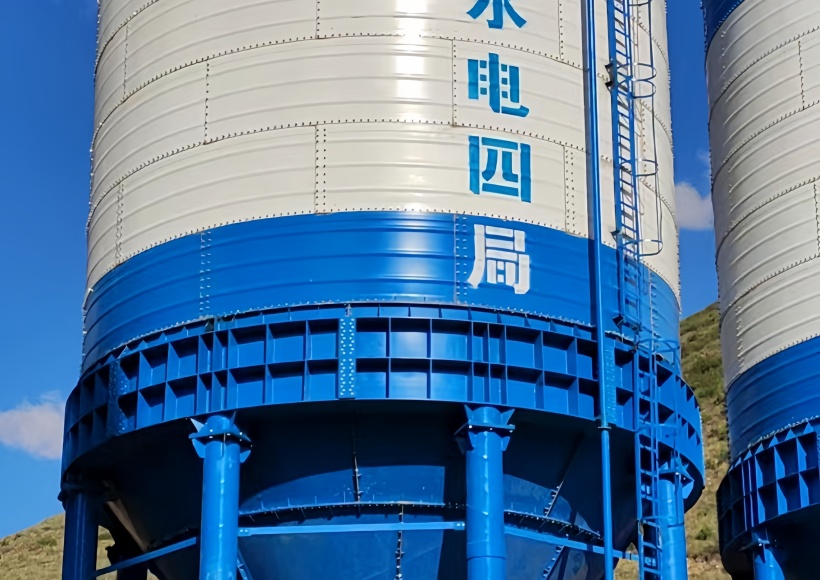









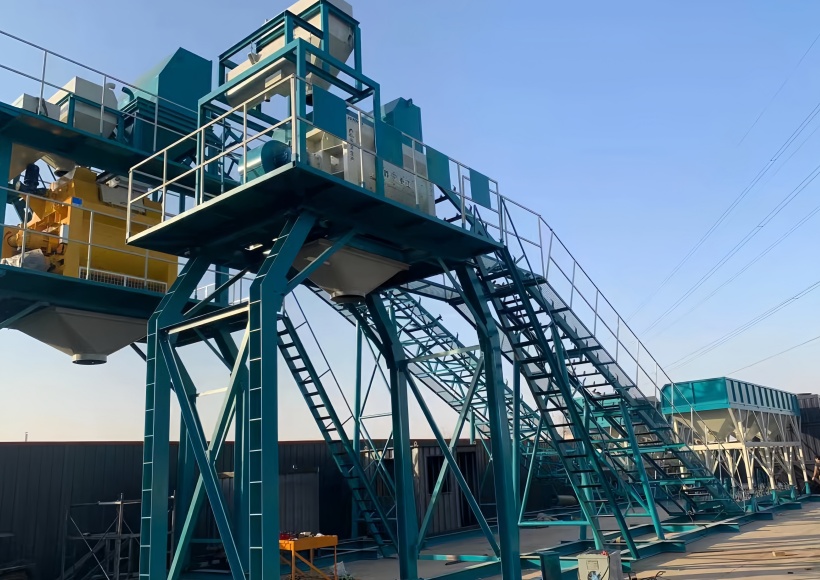
Last August I took a call at 2 a.m. from a ready-mix operation outside Sacramento. Their 120 m³/h skip-hoist plant had been down for six hours. The night foreman blamed the PLC. I drove out, climbed into the aggregate bin, and found the problem in four minutes – a 3 mm crack in the pneumatic line feeding the butterfly valve on the cement silo discharge. The PLC was fine. It had been asking for cement that couldn’t get there.
That call cost them 9,200 in rejected loads and a penalty on a DOT paving contract. The actual fix was a 14 hose clamp and twelve minutes.
Most batching plant common failures don’t live in the control cabinet – they live at the seams: cement silo to screw conveyor, aggregate bin to weigh batcher, load cell to batch PLC. This checklist is built from fifteen years of those seam failures.
Why the Manual’s Failure Ranking Is Wrong?
In a fixed concrete batch plant running 10-plus hours a day, the real failure hierarchy looks nothing like the OEM’s preventive maintenance schedule. Here is the ranking based on callouts I have personally handled:
- Pneumatic leaks on cement and fly-ash lines (most frequent, easiest to miss)
- Load cell drift on the cement weigh hopper (silent mix quality killer)
- Bin bridging / arching in aggregate storage (humid-season classic)
- PLC ladder logic corruption after a brown-out (rare but catastrophic)
- Conveyor belt tracking and splice failure (production halts)
The Silent Failure: Load Cell Drift
Load cells don’t fail loudly. They drift. A cement weigh hopper certified at ±0.25% accuracy in March can quietly degrade to ±1.8% by August if the plant sits in a humid coastal climate or next to a gypsum stockpile. You won’t see it on the HMI. You’ll see it in the slump test at the truck – and by then you’ve batched 40 cubic yards that are 4% off on cement, which on a 6-sack mix means either under-cementing (strength failure, structural rejection) or over-cementing (cost overrun, heat-of-hydration cracks on mass pours).
The fix is not “calibrate quarterly” – that’s the OEM schedule. Run a calibration check after any plant relocation, after any lightning event, and weekly in coastal or monsoon climates. I use a 20 kg certified test weight on each load cell, log the deviation, and flag anything above 0.4% for re-zero, 1% for replacement.
Bin Bridging and the Moisture Trap
Aggregate bin bridging – also called arching or rat-holing – is the number-one cause of unscheduled downtime in plants running damp aggregate, which is most plants east of the Rockies from April through October. Moisture migrates, fines compact, you get a stable arch above the feeder, and nothing comes.
Operators hit the bin with a hammer. That’s a tradition, not a solution – hammering fatigues the bin wall, cracks the weld, and creates a bin leak that lets moisture in continuously.
The real fix is aeration. Most Concrete Batching Plant aggregate bins have aeration pads plumbed in but not maintained. The porous stone clogs, the solenoid sticks closed. Pull the aeration pad, blow it out, verify the solenoid cycles – on a monthly preventive maintenance schedule, not when you’re chasing a bridge.
Pneumatic and Valve Failures: The $14 Hose Clamp Problem
Pneumatic systems are the plant’s circulatory system, and they leak silently. A cement silo discharge butterfly valve that has lost 30% of its actuator pressure won’t fully open – but it’ll open enough to fool you. The cement trickle-feeds, the batch takes 90 seconds instead of 30, and the cycle time stretches. No alarms.
Find the leak with soapy water and a stopwatch. If your cement batch is taking 2.5× the design time, you have a leak, a worn valve seat, or both.
Common air leak points, ranked:
- Hose-barb connections on solenoid outputs (vibration-fatigued)
- Fitting threads on the main air header
- Cracked nylon tubing near the batch cycle panel
Replace, don’t patch. Pneumatic tape fails during a 3 a.m. pour for a bridge deck.
Electrical and Control System Failures
PLC Brown-Outs and Ladder Logic Corruption
Modern concrete plants run on PLCs, and PLCs run on clean power. A brown-out – a voltage sag, not a full outage – can corrupt ladder logic in older controllers. The plant appears to boot normally, but a timer value has flipped from 30 seconds to 300, or a batch step has lost its handshake with the weigh module. Symptom: the plant hangs between steps, the HMI shows “waiting” but no error, operators reboot, it happens again, the OEM tech flies in. Two days down.
Fix: put the PLC on a UPS with active voltage regulation (battery backup rides through outages, not sags). Verify the PLC RAM backup battery annually – when it dies, you lose the program on the next outage, and that’s a Tongxin Machinery factory re-flash, not a field fix. Get another OEM program-backup USB before you need it.
Sensor Calibration and the Weighing System
The weighing system is where batching accuracy is won or lost. A concrete batch plant typically has load cells on the aggregate weigh hopper, the cement weigh hopper, the water meter, and the admixture dispenser. Each has a tolerance – violate it and you’ve changed the mix design without knowing it.
Common failure modes:
- Water meter drift after a hard freeze (cracked impeller housing)
- Admixture dispenser air lock (biocides and plasticizers won’t flow when air-blocked)
- Aggregate weigh hopper binding (a bolt walks out, the hopper rubs, the load cell reads 40 kg high)
The maintenance checklist is unforgivingly repetitive. Weekly: verify zero on all weigh hoppers. Monthly: run test weights. Quarterly: full calibration with certified weights. Annually: replace water meter seals.
Dust Collection, Conveyor, and the Things You Forget
Dust Collector Bag Failure
Dust collection systems fail in two modes: bags plug, or bags tear. Plugged bags spike the fan amps and trip the motor – plant stops. Torn bags cause the opposite – no back-pressure, the cement carries through to the fan, you lose cement (and money), and the exhaust vent blows gray.
Pulse-jet cleaning systems need the pulse air at spec pressure – usually 0.5 to 0.7 MPa. Below that, the bags don’t clean, the diaphragm valves stick, the bags pack. Check the pulse air pressure gauge weekly, replace the air-dryer desiccant quarterly, and inspect bags at every six-month shutdown with a flashlight inside the clean-air plenum – pinhole leaks show as cement streaks on the clean side.
Conveyor Belt Tracking and Splice Failure
A belt that tracks off-center wears the edge against the frame, the splice fails, and you’re down for a four-hour re-splice.
Root causes: idler alignment drift (vibration, frost heave, settling); material build-up on the snub pulley (cement dust + moisture = a crust that cambers the belt); worn lagging on the head pulley (belt slips under load).
Weekly: scrape the snub pulley clean. Monthly: verify idler alignment with a string line. Quarterly: check pulley lagging wear.
Cement Silo, Aggregate Supply, and Material Flow
Cement silo problems are almost always aeration failures. The aeration pads fluidize the cement so it flows; when they clog – and they will, because cement is alkaline and the air is humid – the cement bridges, the screw conveyor starves, and the batch hangs.
Fix: pull the aeration pads during the annual shutdown. Soak them in acid. Back-blow with compressed air. Replace the ones that don’t pass airflow. Fly-ash silos are worse – finer, more cohesive, higher aeration requirement. Budget for more silo aeration maintenance if you’re running supplementary cementitious materials.
The Mix Quality Connection
Every material flow failure ends up as a mix quality problem. A cement silo running lean because of aeration failure means the truck leaves with 5.5 sacks instead of 6. A load cell drifted high on the aggregate hopper means you’re batching 4% over on sand. None of these show up on the plant HMI – they show up at the job site as a slump test failure, a 7-day break 15% low, as inconsistent concrete a customer stops accepting.
Consistent concrete quality is not a function of the mixer – it’s a function of the weighing system, the material flow, and the maintenance discipline behind both. If the metering is wrong, no mixer on earth will save the mix. That’s where the real cost of downtime and quality issues hides.
Preventive Maintenance Schedule That Actually Works
The OEM schedule is built for warranty defense. Mine is built for keeping the plant running.
Weekly
- Zero-check all weigh hoppers
- Pulse air pressure on dust collectors
- Visual: hoses, valve actuators, belt tracking
- Cycle-test emergency stop buttons
Monthly
- Run 20 kg test weights through each load cell, log deviation
- Snub and head pulley cleaning
- Aeration pad airflow check on cement silo
- Conveyor belt splice visual
Quarterly
- Full load cell calibration with certified weights
- PLC battery check and program backup
- Dust collector bag inspection
- Pneumatic solenoid manifold leak test
Annually
- Replace water meter seals
- Acid-wash cement silo aeration pads
- Belt conveyor lagging inspection
- Inspect mixer liner, arms, tips – replace below 50% of original thickness
- Pull and re-flash PLC program backup
A second look at this Concrete Batching Plant checklist every six months – against your actual call-out log – is what separates a plant running at 92% availability from one stuck at 78%. Maintenance tracking beats the OEM template every time.
Mobile Concrete Batching Plants: Different Failures, Same Discipline
Mobile concrete batching plants fail differently because they’re relocated. Every relocation is a stress event – load cells get shocked, pneumatic lines kink, the PLC wiring harness gets vibrated, bin aeration pads get bumped out of position.
The maintenance checklist for a mobile plant is the same as for a fixed plant – plus one line item: full re-calibration and re-zero after every relocation. No exceptions. I have seen mobile plants come off a trailer and batch at ±3% on cement because nobody re-zeroed the hopper after transit. That’s human error, not equipment failure – and it’s the most expensive kind.
The Cost of Skipping the Checklist
Neglecting maintenance on a batch plant doesn’t show up tomorrow. It shows up in three months, when the truck queue is eight deep, the DOT inspector is on site, and your 7-day breaks come back at 2,800 psi instead of 4,000. A 14 hose clamp and a weekly weigh hopper zero-check would have saved you a 40,000 load rejection.
The math on maintenance costs is brutal in the right direction. A full preventive maintenance program costs a typical 100 m³/h plant roughly 18,000 to 24,000 per year in labor and consumables. A single rejected structural pour, with removal and re-pour, can run 50,000 to 250,000.
You do the math. Then you write the checklist.
Frequently Asked Questions
1. How often should I calibrate load cells on a concrete batch plant?
Weekly zero-check on every weigh hopper, monthly test-weight verification, full certified-weight calibration quarterly. Increase to weekly full calibration in coastal or monsoon climates where humidity drifts the cells faster.
2. What causes cement silo bridging and how do I prevent it?
Cement bridges when silo aeration pads clog or the solenoid sticks closed. Prevent it by back-blowing pads monthly, replacing the air-dryer desiccant quarterly, and acid-washing pads annually. Never hammer the silo wall – it fatigues the welds and creates moisture leaks.
3. What’s the acceptable batching accuracy tolerance for cement?
Cement weigh tolerance should be ±0.25% of batch weight or ±1 kg, whichever is greater. Flag any load cell drift above 0.4% for re-zero; above 1%, replace the cell.
4. Why does my PLC hang on “waiting” with no error code?
Usually a brown-out corrupted a timer or handshake value in ladder logic. Put the PLC on a UPS with active voltage regulation (not just battery backup), check the RAM backup battery annually, and keep the OEM program backup on a USB in the plant office.
5. How fast should a cement batch cycle complete from valve open to valve close?
Design cycle is typically 20 to 35 seconds depending on silo head pressure and valve size. If your cement batch is taking 2× or more the design time, you have a pneumatic leak, a worn valve seat, or a partial blockage in the screw conveyor – stop and diagnose.