








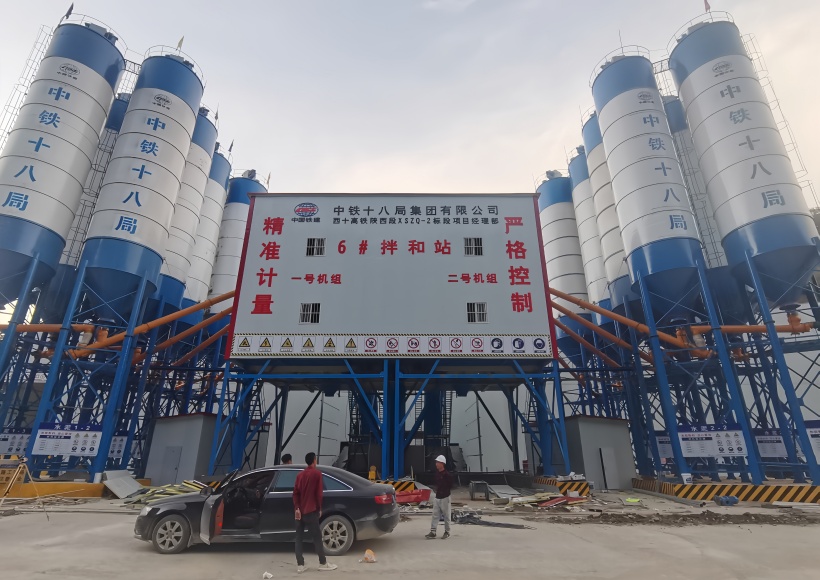
Running a profitable ready mix concrete operation today feels like walking a tightrope. On one side, you have the relentless demand of the construction industry for high-volume, durable materials. On the other, strict environmental regulation is squeezing traditional manufacturing processes. The pressure to adopt sustainable production practices isn’t just coming from ecological advocates anymore; it’s coming from the bottom line.
If you waste cement, you lose money. If you let wastewater runoff escape your site, you face massive fines. That is the reality. The good news? The concrete industry is currently seeing a massive trend where upgrading to an eco-friendly setup actually drives down your operational cost. We are finding out that sustainability and high production efficiency are not opposites. They actually balance each other perfectly when you use the right plant equipment.
Let’s break down how modern batching plants mix heavy-duty output with serious environmental responsibility.
The Push for a Sustainable Plant: How Technology Changes the Game
Traditionally, plants employ a highly manual, conventional approach to concrete production. An operator watches a dial, hits a button to discharge aggregate, and hopes the moisture content hasn’t changed since yesterday. That guesswork destroys efficiency.
Today, a much more sophisticate solution has emerge. We now integrate digital technology and automate the entire workflow. Why? Because precision is the ultimate form of reduction. When you optimize the use of resources through a smart control system, you instantly minimize waste.
Modern control panels allow an engineer to identify peak moisture in the sand bins in real-time. Instead of adding too much water and then overcompensating with extra cement to save the mixture, the system automatically adjusts the ratio. You dose the exact amount of water needed. You dose the chemical admixture with pinpoint accuracy. This digital advancement means every batch hits its target property without burning through excess natural resources.
Tackling the Cement Problem: Admixtures and Material Reduction
We have to talk about cement production. It is the single largest source of carbon emissions in our sector. If you want to talk about sustainable operations, you have to talk about using less traditional cement.
This doesn’t mean compromising the durability of the concrete. It means working smarter with your mixture. Efficient batching plants now rely heavily on blending alternative materials. By incorporating finely ground limestone, fly ash, or slag into the mix, you stretch your cement further.
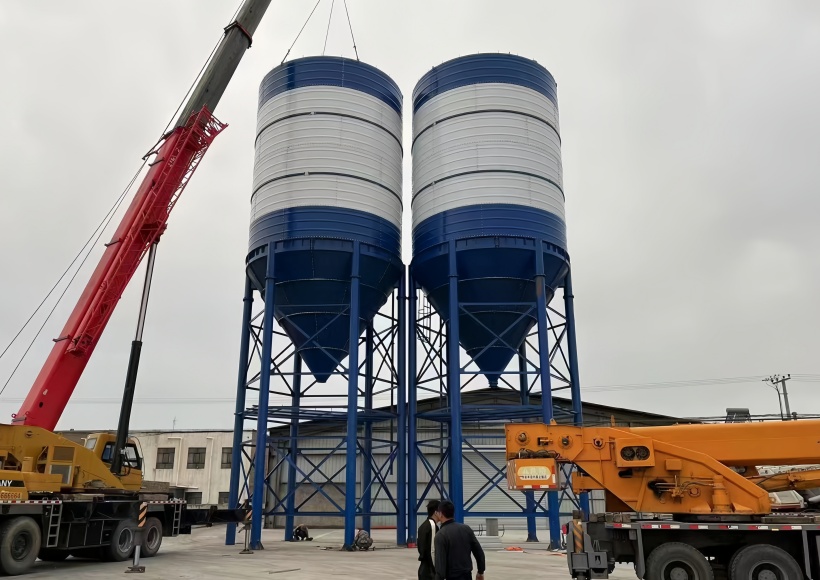
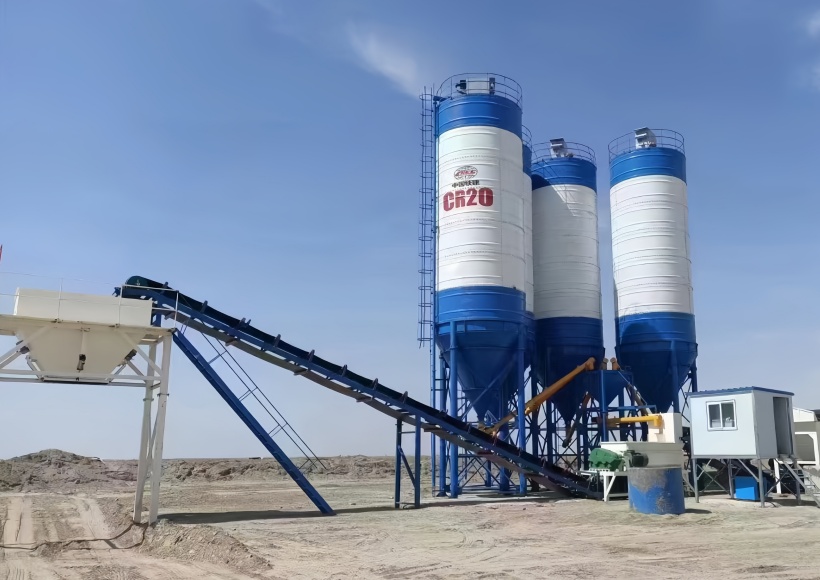
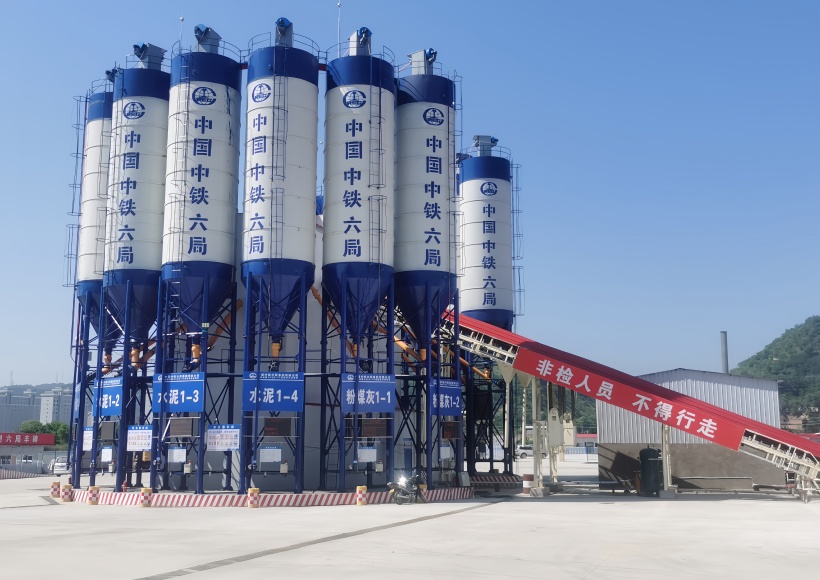
But dealing with these extra components requires highly capable silos and precise weighing hoppers. You can’t just eyeball a sustainable construction mix. Furthermore, the reliance on advanced chemical admixtures is increasingly common. These liquids can drastically reduce the water demand of a batch or accelerate the curing time. When a plant can accurately integrate these chemicals, it reduces the overall energy consumption required later in the construction practices. Lowering the carbon footprint of the concrete batching process starts right at the scale.
Dealing with Dust, Runoff, and Real-World Waste
Ask any plant manager what their biggest daily headache is. They won’t say “reducing global carbon emissions.” They will say dust and water.
Particulate dust is a nightmare for maintenance and community relations. It escapes during the loading of silos, the transfer of aggregate, and the mixing process itself. The only way to achieve true environmental responsibility here is to enclose the dust-generating zones. You have to capture it at the source. Modern eco-friendly plants use high-capacity dust collectors mounted directly on the silos and the main mixer. This pulls the airborne dust back into the production cycle before it ever hits the outside air.
Then there is the wastewater issue. Washing out trucks and cleaning the central mixer creates highly alkaline water. Pushing this discharge into a local drain or letting it seep into the soil violates almost every local regulation. Sustainable batching plants utilize closed-loop recycling systems. These setups take the dirty water, separate the heavy solids (which can sometimes be reused or safely sent to a landfill), and clarify the water so it can be pumped back into the plant to mix the next batch. You protect the environment and you stop paying for fresh water. It’s a massive win for cost reduction.
Energy Efficiency: Streamline Your Power Draw
We rarely think about the electricity bill until it spikes. A concrete plant uses a massive amount of power to turn those mixers and run those conveyors.
Optimizing energy consumption often comes down to smarter plant design and better components. For instance, using Variable Frequency Drives (VFDs) on the main mixer motors allows the system to draw only the power it needs based on the load, rather than running at 100% capacity constantly.
Thermal efficiency is another factor, especially in colder climates where heating water and aggregate is necessary. Capturing waste heat or using highly efficient boilers helps reduce the thermal footprint of the plant. A compact plant layout also means materials travel shorter distances on conveyors, which cuts down on both energy use and mechanical wear and tear. Less wear means less maintenance, and less downtime means higher output.
Making the Right Equipment Choices
Upgrading a facility or building a new one requires partnering with manufacturers who actually understand this balance. You need heavy-duty iron that incorporates these sustainable solutions natively, rather than as an afterthought.
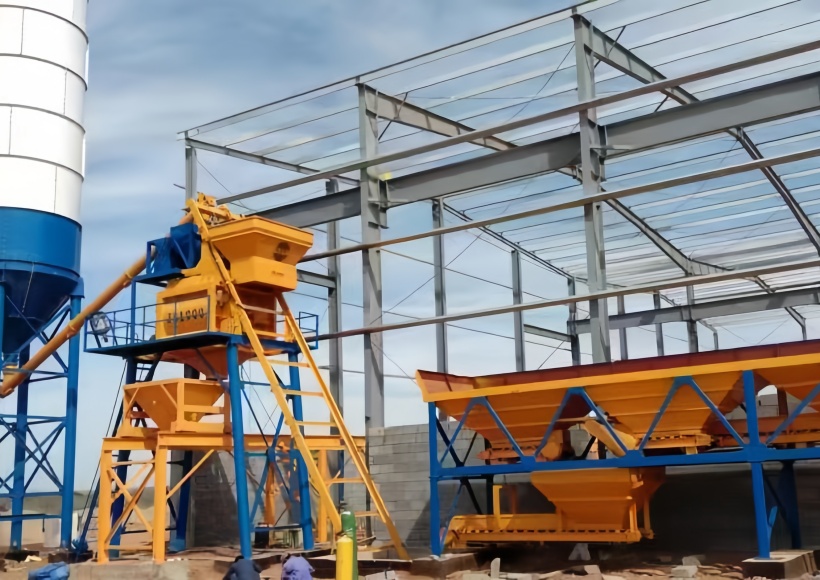
This is where specific brands make a difference. For example, upgrading to a system from Tongxin Machinery is a strategic move for many producers. When you look at a modern concrete batching plant designed by them, you see these eco-friendly principles built right into the architecture. They focus on tight dust capture integration, highly accurate automated dosing to save cement, and streamlined mechanical designs that lower energy consumption. Choosing the right hardware is the first step in transforming your operational footprint.
The Bottom Line for Ready Mix Concrete
The demand for durable infrastructure will continue to grow. But the era of the messy, wasteful, conventional batch plant is over.
By embracing digital controls, optimizing material ratios, recycling wastewater, and clamping down on dust, producers can significantly reduce their environmental impact. More importantly, these sustainable practices directly enhance production efficiency. You waste less material, you use less energy, and you produce a better product. That is how the modern concrete industry will survive and thrive in the years to come.
Frequently Asked Questions (FAQ)
Does reducing cement in the mix weaken the concrete?
Not when done correctly. We use digital scales to dose precise amounts of chemical admixtures and supplementary materials like limestone or fly ash. This maintains or even improves the strength and durability of the concrete while significantly lowering the carbon footprint.
How does an automated control system save money?
It eliminates human error. Manual batching leads to over-pouring water or cement. An automated system uses sensors to hit exact mix ratios every single time. You stop giving away free material, which instantly lowers your cost per yard.
Is dealing with wastewater recycling systems complicated?
Modern systems are fairly straightforward. They automatically separate the heavy solids from your washout water. Instead of paying fines for runoff or paying to haul sludge to a landfill, you simply reuse the clarified water for your next batch of concrete.
Will an eco-friendly plant slow down my daily output?
No, it actually speeds it up. Because the automation handles the dosing and moisture adjustments instantly, your batch cycle times become tighter and more consistent. You streamline the entire operation and push more trucks out the gate.
How effective are silo dust collectors really?
Extremely effective if maintained. They create a vacuum that pulls airborne particulate matter back into the silo before it escapes. This keeps your yard clean, protects your workers, and stops you from getting shut down by local environmental regulators.