








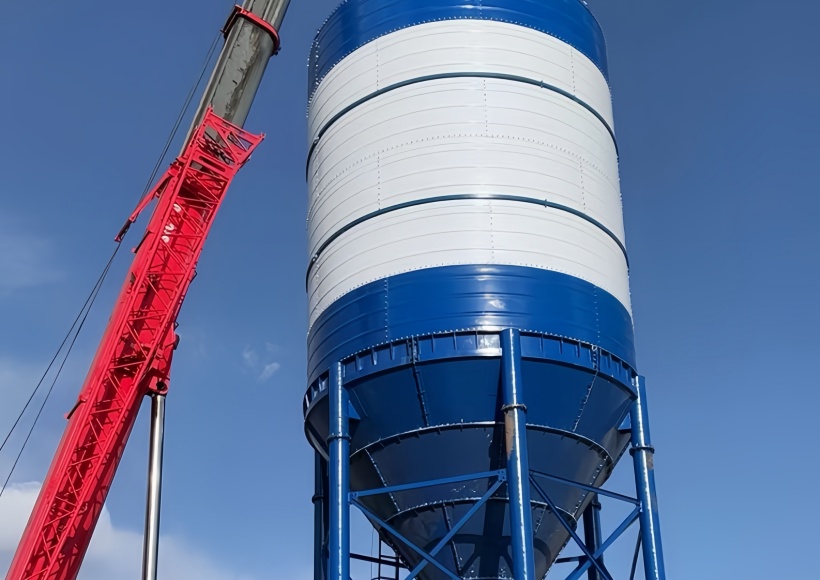
Ask any plant manager what keeps them awake at night, and unexpected stoppage on the production line is usually at the top of the list. When you are running a high-capacity batching plant or processing facility, your entire material handling process relies heavily on an uninterrupted feed of bulk solids. The moment a blockage occurs, everything grinds to a halt. Downtime isn’t just an inconvenience; it drains profitability by the minute.
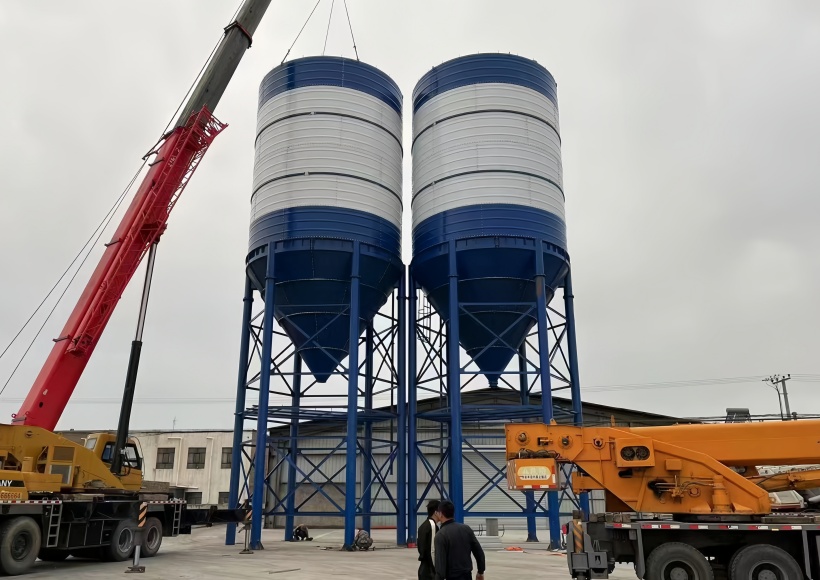
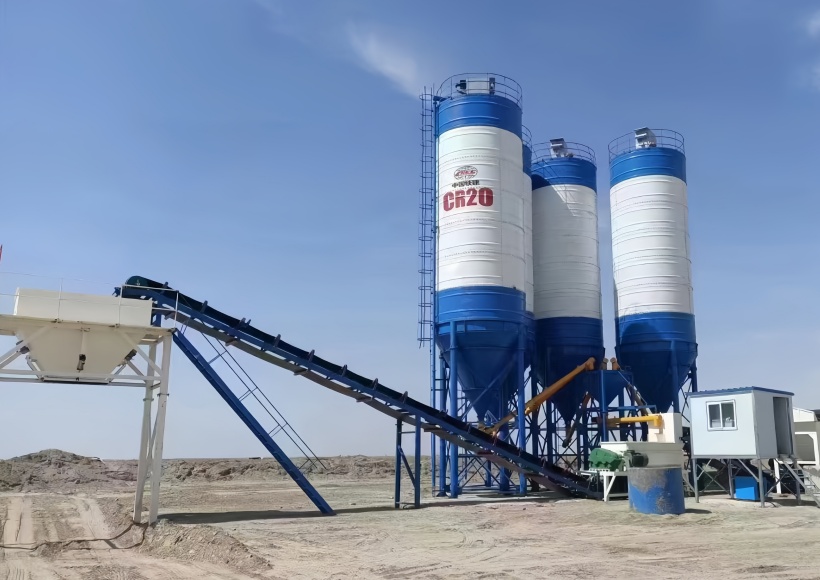
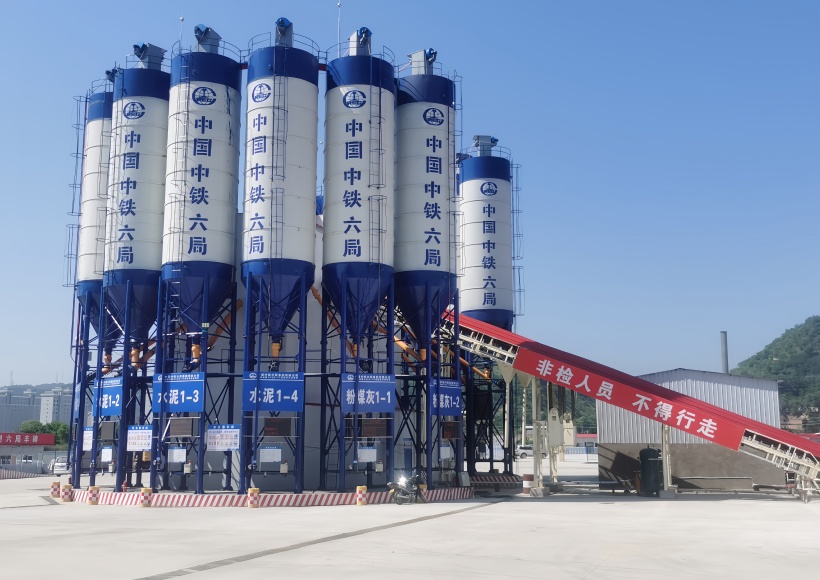
Dealing with bulk material handling is inherently tricky. Powders like Portland cement, fly ash, and silica don’t behave like liquids, nor do they act like solid blocks. Their material behavior changes drastically based on humidity, compaction, and how long they’ve been sitting idle. If you manage a high-volume cement silo, you already know that these towering concrete structures and steel silos are essentially living ecosystems. You have to actively manage the environment inside them to keep the material free-flowing.
Let’s break down exactly what goes wrong inside these storage tanks and, more importantly, how to fix the common issues before they result in catastrophic structural failure or massive maintenance costs.
Material Behavior: Understanding the Root of Flow Issues
Before you start dismantling a valve or ripping apart a screw conveyor, you need to understand exactly what the bulk material is doing inside the vessel.
Bulk Density and Segregation
One of the most misunderstood aspects of cement storage is how the material settles. When a pneumatic conveying system blasts powder into the top of the structure, the material doesn’t just fall perfectly flat. It segregates. Larger, denser particle sizes might roll to the outside edges, while the ultra-fine dust concentrates right in the middle.
This segregation creates massive inconsistencies in bulk density across the material bed. When you open the discharge valve at the bottom, the flow properties are erratic. The dense areas resist movement because their shear strength is higher. If the fines pack tightly together, they act almost like solid rock, severely limiting your flow rates and creating the perfect environment for a clog.
The Menace of Moisture Content
If I had to point a finger at the number one killer of mass flow, it’s moisture. Cement is incredibly hygroscopic. Even a minor increase in moisture content will ruin your day. How does water get in? Sometimes it’s obvious—like water entering through a poorly sealed roof hatch during a storm. But more often, it’s sneaky.
Condensation is a massive culprit. During the day, the air inside heats up. Then, nighttime temperatures drop sharply, causing the steel walls to cool down faster than the air inside. Moisture condenses directly on the interior walls. The cement touching that wall friction zone absorbs the water, hardens, and bonds to the steel. Over time, this material buildup shrinks your functional storage volume and chokes the hopper.
Identifying Blockage: Arching and Ratholing
When the flow stops, operators usually face one of two classic flow issues. You can’t see through a steel wall, but recognizing the symptoms will tell you exactly what kind of obstruction you are dealing with.
The Arch (or Bridge)
An arch happens when particles interlock right above the discharge outlet, forming a structural bridge that holds up the rest of the material above it. You’ll open the valve, and absolutely nothing comes out. The space below the bridge is entirely empty. This happens frequently in hoppers where the angle isn’t steep enough or the wall friction is too high.
The Rathole (Flow Channel)
Ratholing is deceptive. You open the valve, and material flows perfectly—for a few minutes. Then it stops, even though your inventory sensors say you have 40 tons left. What happened? A narrow vertical flow channel emptied out directly above the discharge point, but the stagnant material on the periphery stayed put. The material is clinging to the silo wall, compacted and refusing to slide down.
Equipment Design: Setting Up for Mass Flow
You can apply all the troubleshooting tricks in the book, but if your equipment design is fundamentally flawed, you are just treating symptoms. Mass flow—where all the material is in motion simultaneously when the valve opens—is the ultimate goal. Achieving it requires precise engineering.
Hopper Angles and Interior Walls
The cone at the bottom of the structure dictates everything. If the angle isn’t steep enough for the specific shear strength of your bulk solids, you will never get true mass flow. Friction is the enemy here. Over time, wear and tear can roughen the interior walls, or rust can corrode steel, increasing friction and causing material buildup.
When you specify new equipment or plan upgrades, looking at industry standards set by Tongxin Machinery gives you a solid benchmark for correct hopper geometry. They engineer their angles based on real-world material testing rather than guesswork.
The Role of the Screw Conveyor
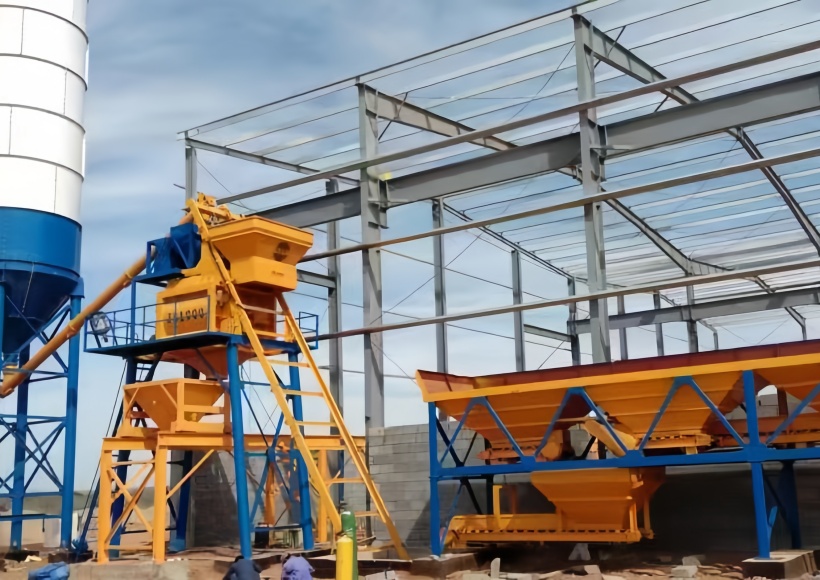
Don’t ignore the equipment pulling the material out. A poorly sized screw conveyor can actually cause a clog. If the pitch of the screw is uniform across the entire opening of the hopper, it will only pull material from the very back of the opening. This forces the material above it to channel down unevenly, instantly creating a rathole. The feeder needs to be designed to draw evenly across the entire interface.
Practical Material Handling Solutions and Troubleshooting
When you are staring at a completely jammed system, you need actionable material handling solutions. Hitting the side of the cone with a sledgehammer is a rookie mistake. It flexes the metal, creates permanent dents, and actually gives future material a perfect ledge to hang onto.
Fixing the Aeration System
Most flow problems boil down to aeration. Cement needs to be fluidized to behave like a liquid.
- Check the low-pressure air supply: Is your blower actually working? Ensure the air pressure is correct. Too much pressure blows holes through the material (creating ratholes); too little won’t fluidize the bed.
- Inspect the aeration pads: Over time, fine dust works its way backward into the porous pads. If moisture hits that dust, you get concrete inside your air lines. Pull the pads during routine maintenance and blow them out or replace them.
- Ensure dry air: If your air compressor doesn’t have an effective dryer, you are literally pumping water vapor into your cement. This is a fast track to costly problems.
Deploying Air Cannons
For stubborn material that tends to bridge, air cannons are your best friend. They store high-pressure air and release it instantly through a specialized nozzle mounted on the silo wall. This sudden blast shatters the interlocking particles of the arch and gets the mass moving again.
If you are upgrading an older, problematic cement silo, installing a strategically placed ring of air cannons around the lower hopper section is often the most cost-effective fix. Just ensure they are sequenced properly—firing the bottom ones first to clear the outlet, then working your way up.
Safe Silo Cleaning Practices
Sometimes the buildup on the interior walls gets so thick that mechanical intervention is the only way out. Silo clogs that have hardened over months of humid conditions won’t respond to a little air.
At this stage, you need specialized equipment. Bin whips—which are lowered from the roof and use spinning chains or flails to safely knock down compacted material—are highly effective. Never send a worker into a confined space from the bottom to break a bridge. If that bridge collapses, it is an instant fatality. Always contract professional cleaning services if the blockage requires manual clearing.
Long-Term Routine Maintenance to Prevent Downtime
Reactive troubleshooting eats up your budget. Controlling moisture and maintaining your mechanical components prevents 90% of flow issues.
Make it a habit to check the pressure relief valves on the roof. If a pneumatic conveying system is pumping material in, the displaced air inside needs somewhere to go. If the relief valve is stuck shut because of dust buildup, the internal pressure will spike, which can literally pop the roof off the structure or severely compromise the structural integrity.
Regularly check the seals around the discharge valve and the connection points of the screw conveyor. A tiny vacuum leak here can draw in damp outside air right at the worst possible choke point.
Working with experienced manufacturers like Tongxin Machinery when replacing valves, aeration nozzles, or dust collectors ensures you are putting industrial-grade, tight-tolerance components back into the system. Quality parts resist the highly abrasive nature of fly ash and gypsum far better than cheap alternatives.
By keeping your air dry, your hoppers clean, and your discharge equipment appropriately sized, you can keep your bulk material handling predictable and keep your batching plant running at full capacity without unexpected stoppages.
Frequently Asked Questions (FAQ)
Why does my cement stop flowing even when the silo is half full?
You are likely dealing with a rathole. The material directly above the discharge valve emptied out, leaving a vertical tunnel. The cement stuck to the walls won’t budge. You need to check your aeration pads—they are probably clogged with dust or running on insufficient air pressure.
Can I just hit the hopper with a hammer to break a clog?
Please don’t do this. I see it constantly on sites. Hammering bends the steel, creating permanent dents on the interior walls. Those tiny dents create ledges that actually cause more material buildup and friction later. Install air cannons instead; it saves the metal and works way better.
How often should we check the aeration system?
Inspect the moisture traps on your air lines weekly. If water gets past the traps, it mixes with the cement dust and essentially forms concrete inside your pipes and aeration pads. Doing a full system check every quarter keeps your long-term maintenance costs from exploding.
What causes the powder to clump up inside the walls?
It’s almost always condensation. When nighttime temperatures drop rapidly, the steel shell cools down. Any humid air trapped inside forms water droplets directly on the interior walls. That moisture immediately reacts with the dry powder, creating hard clumps that eventually fall and block the screw conveyor.
Does the way we load the material affect the flow rates later?
Absolutely. When you pump material in quickly, finer particles separate from the coarser ones. This segregation means the fines pack together incredibly hard, drastically increasing their shear strength. This erratic bulk density kills your mass flow and leads straight to unpredictable blockages at the valve.