








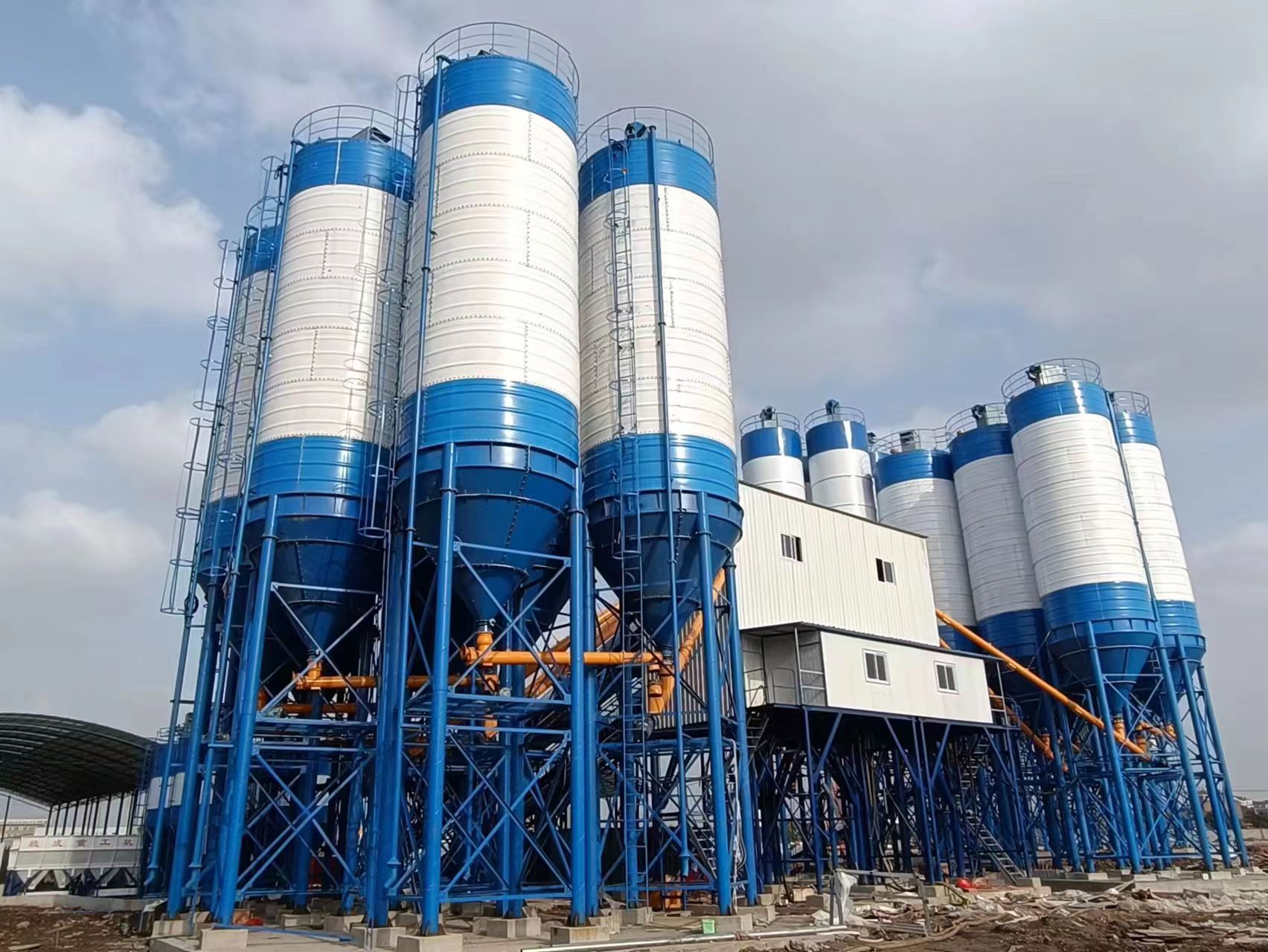
Running a ready-mix concrete business is not for the faint of heart. You deal with tight deadlines, aggressive contractors, strict specification demands, and heavy equipment that takes a beating every single day. If your concrete batching plant goes down, your mixer trucks stop moving. Your site grinds to a halt. Your profits dry up immediately.
At the very center of your operation sits the cement silo.
It sounds like a basic piece of equipment. A giant steel cylinder designed to hold powder. But ask any experienced plant operator. When a silo fails, the entire plant fails. Moisture gets in. The powder clumps into rocks. Screw conveyors jam violently. Suddenly, your ability to mix concrete is completely dead.
You need reliable concrete production. That means you need equipment that actually works in the real world, not just on a blueprint. Let’s talk about the harsh realities of the construction industry and why Txmixing Cement Silos, built by Tongxin Machinery, make sense for your bottom line.
The Real Role of Cement in Concrete Production
Let’s get back to basics for a minute. The role of cement in any concrete batching plant is the binder. It is the absolute glue of the operation. You mix it with water, sand, and coarse aggregate. If the cement is compromised, the whole batch is ruined. It is that simple.
Bulk cement is a highly sensitive material. It hates moisture. Even a tiny, invisible leak in a cheap steel silo roof can compromise hundreds of tons of cement. When cement hydrates prematurely inside the storage tank due to morning dew or heavy rain, you lose money twice. First, you suffer the raw materials loss. Second, you pay massive labor costs to send a crew with jackhammers to chip out hardened blocks from the hopper. It is a nightmare scenario.
When you lose powder quality, concrete strength drops instantly. Durability suffers over the long term. You miss your quality standards on the test cylinders.
Txmixing silos are ideal because they are heavily engineered to hold material safely. They lock moisture out completely. This helps you maintain cement quality, ensuring that every batch meets the strict demands required by commercial construction companies. When you use silos built correctly, you control the water-cement ratios perfectly. No surprises. No human error. Just reliable concrete.
Types of Cement Silos for Concrete Plants
Job sites vary wildly. Space is money. In the heavy construction industry, you need flexibility. Not all concrete plants look the same, and your storage needs will dictate your setup.
Vertical Silos
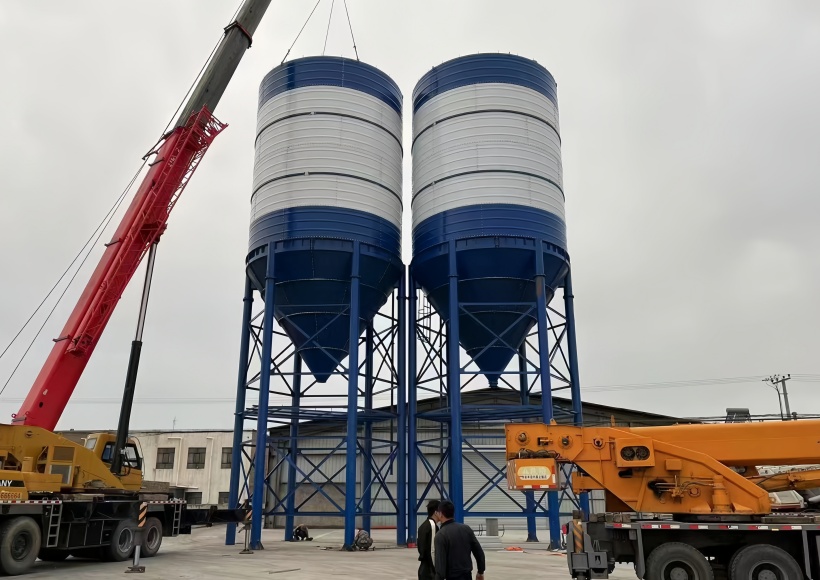
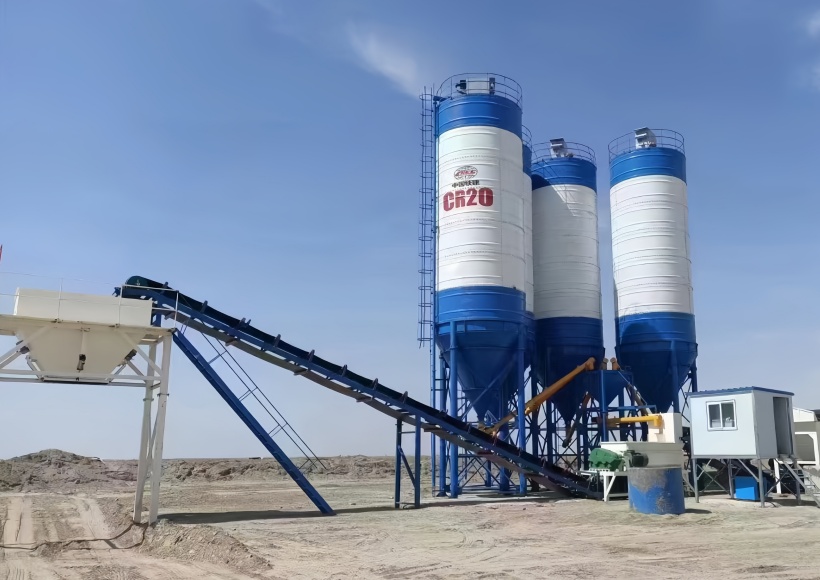
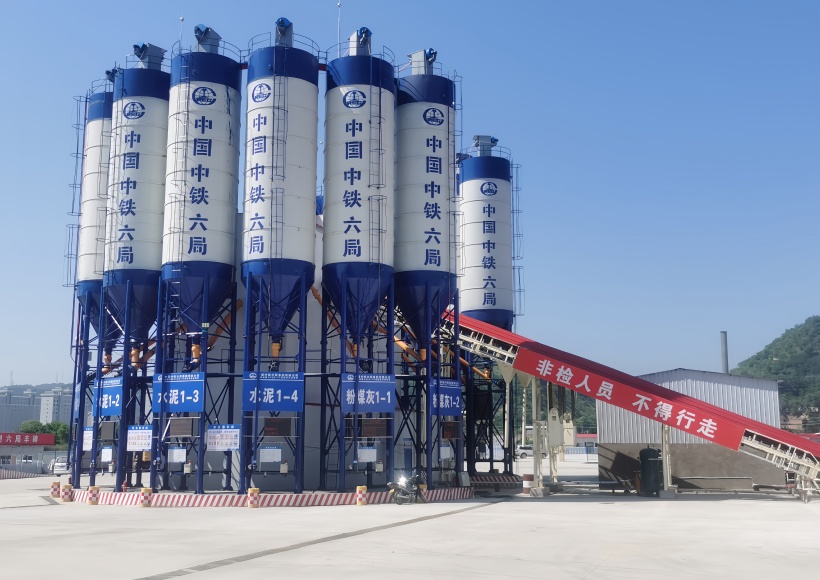
These are the heavy-duty industry standard for stationary setups. If you run a large-scale ready mix concrete plant, you want vertical silos. They offer massive storage capacity within a small footprint. Gravity does most of the heavy lifting during discharge, which saves energy. But they require a massive, heavily engineered concrete foundation. You need large cranes for the initial setup. Once they are bolted down, they stay put.
Horizontal Silos
What if you need to relocate fast? Horizontal silos are your answer. They are ideal for temporary commercial sites or remote highway jobs. They sit low to the ground. You don’t need extensive foundation work. Moving them on a flatbed trailer is vastly easier. If your business model involves chasing large construction projects and setting up on-site, a horizontal silo keeps your relocation downtime incredibly low.
Tongxin Machinery manufactures both. We understand that a massive precast concrete facility needs totally different equipment than a mobile road-building crew.
Key Components of a Modern Cement Silo
A modern silo is a complex machine. It is not just a dumb storage tank. To operate continuously, you rely on several moving parts working together perfectly. Let’s look at the key components.
Dust Collectors
Pumping powder from a tanker truck creates immense air pressure and dust. You need to vent that air, but keep the powder inside. A top-tier dust filter keeps you compliant with environmental regulations. It stops product waste. If your filter is clogged due to poor maintenance, the pressure builds dangerously fast.
Relief Valves
Safety first. If pressure builds up during a heavy pneumatic fill, the silo may rupture. It happens more often than people admit. Relief valves pop open mechanically. They save the structure from blowing apart.
Screw Conveyors or Pneumatic Systems
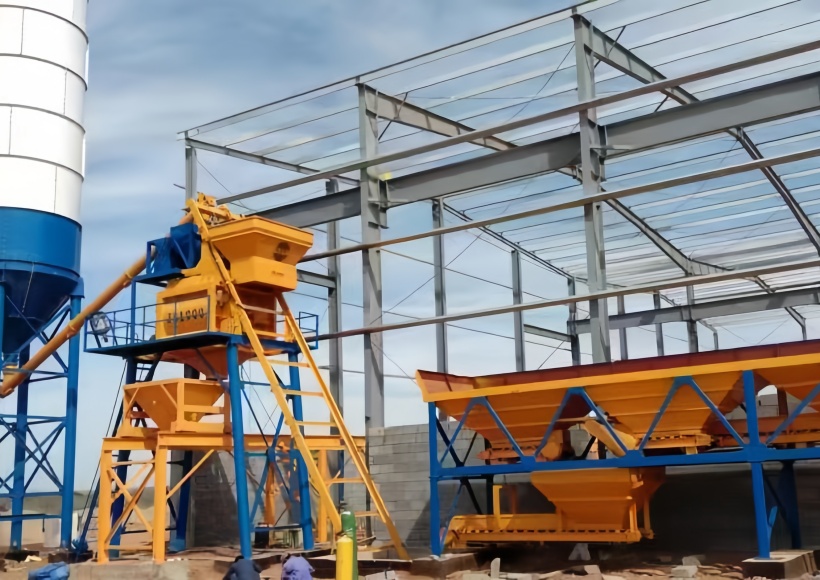
How do you get the powder out? Screw conveyors or pneumatic systems do the heavy lifting here. Txmixing designs these to integrate perfectly with the hopper bottom. They pull high-quality cement out fast and dump it precisely into the weighing bucket.
Level Sensors
Operators need to know exactly when to refill. Running empty means a dead plant and trucks waiting in the yard. Overfilling blows the roof filter. High and low-level sensors tell your plant’s weighing systems exactly what is going on inside the dark tank.
Aeration Systems
Material compaction happens naturally under heavy weight. Aeration pads shoot dry, compressed air into the lower cone. This fluidizes the powder. It flows like water into the batching plant instead of bridging or ratholing.
Quality Control: Moisture, Contamination, and Batching
Your plant operator has a brutally tough job. They watch screens, manage angry truck drivers, and monitor expensive raw materials all day. The last thing they need is a manual workaround because a poorly built silo won’t discharge properly.
Quality control in ready-mix concrete starts with absolute consistency. To produce top-tier ready-mix concrete, you must measure materials accurately. Every single time, without exception.
Our Txmixing Cement Silos integrate directly into your plant’s brain. The high level of automation we support means much less guesswork for the operator. Highly accurate weighing systems pull exactly what is needed for the specific mix design. This reduces the risk of weak concrete products making it to the job site.
Higher automation equals higher productivity. The plant operates faster. You can run batch after batch without stopping to bang on the side of a cone with a sledgehammer. That is what true reliability looks like in this business.
Furthermore, preventing cross-contamination is non-negotiable. If you run a high-volume operation, you might have different types of cement. You might have Type I/II in one tank and Type III high-early in another. If the silos share poorly designed venting or filling pipes, you get cross-contamination. Suddenly, your standard mix sets up in the mixer truck halfway to the job site because it got a dose of high-early cement. Txmixing designs ensure complete isolation of your materials.
Handling Fly Ash and Modern Concrete Products
Modern methods of concrete production demand much more than just standard portland cement. You are likely handling fly ash, slag, silica fume, and other supplementary cementitious materials. The advancement in concrete technology requires better storage.
These materials act very differently than standard cement. Fly ash is notoriously sticky. It bridges in the hopper. It ratholes. It packs tight.
While silos serve the same basic function for all these powders, the internal discharge mechanics need serious tweaking. Tongxin Machinery builds storage tailored for specific, difficult materials. If you need a secondary silo specifically for fly ash, we angle the discharge cone differently. We drastically increase the aeration pad count. This ensures smooth, predictable flow, maintaining the high workability of your final wet mix. Dealing with a large volume of fly ash doesn’t have to be a daily headache if the equipment is built for it.
The Financial Reality of Equipment Choice
Let’s talk money and return on investment. Buying a cheap, poorly manufactured silo is a terrible business decision.
Why? Because operational downtime eats your initial savings in a single week.
If a poorly welded steel seam rusts out after one hard winter, water gets in. You spend days cleaning dead, hardened cement. Your labor costs spike. Your trucks sit empty in the yard, burning diesel while drivers wait. Your clients call your competitors.
When you invest in equipment from Tongxin Machinery, you are buying operational peace of mind. Our steel silos are manufactured, welded, and sealed to exact engineering tolerances. We use heavy, high-quality steel plates. The exterior coating withstands harsh, corrosive job site weather.
Yes, you spend money upfront to buy quality. But your total cost of ownership plummets over a ten-year span. You completely avoid the hidden taxes of cheap equipment: constant emergency repairs, ruined batches, replacing jammed screw conveyors, and losing commercial contracts because you couldn’t deliver on time.
Upgrading Your Concrete Plants for Scale
Eventually, your business will grow. You will land bigger contracts. You will need more storage capacity to handle the volume.
Scaling a concrete batching plant is stressful. You have to integrate new equipment into an existing footprint. Whether you are adding a third tank to a tight urban yard or setting up a massive new precast concrete facility in the suburbs, we have the engineering background to make it work.
Our team looks at your specific site layout, your daily production goals, and your logistical constraints. We design the steel structures, the ladders, the guardrails, and the pneumatic fill pipes to fit your reality.
If you are tired of fighting your equipment and want to upgrade to a system that actually supports your business growth, look at what we offer. You can explore our full range of heavy-duty storage options, review the technical specifications, and find the exact fit for your next plant upgrade by visiting our product page here: Cement Silo.
From the initial foundation setup to long-term daily operation, we back our equipment heavily. We provide the heavy structural strength and the mechanical reliability required to keep your concrete production moving forward, batch after batch, year after year. Choose equipment that works as hard as your crew does.
Frequently Asked Questions (FAQ)
1. How often should I inspect the dust collector?
Check it weekly. Look for heavy cake buildup on the filters. Pulse the bags according to the manufacturer’s schedule. If you see dust blowing out the roof during a pneumatic fill, your filter is clogged or torn. Fix it immediately before pressure damages the structure.
2. Why is my cement bridging in the cone?
Usually, it is moisture or severe material compaction. If bulk cement sits too long, it settles hard. Use aeration pads to shoot dry, compressed air into the hopper to fluidize the powder. Never hit the steel cone with a sledgehammer; you will dent it and make the bridging permanently worse.
3. Can I use the same silo for cement and fly ash?
Yes, but only if you clean it out completely first. Mixing them unintentionally ruins your batch chemistry. Be aware that fly ash flows differently. If you plan to store fly ash long-term, ensure the hopper angle and aeration setup are actually optimized for sticky materials.
4. How long does it take to assemble a bolted silo?
It depends heavily on the capacity and your crew’s experience. A standard 100-ton bolted silo takes a trained crew of four about two to three days. You need a crane for the final lift. Applying proper sealant between the bolted plates is the most critical and time-consuming part.
5. What causes the pressure relief valve to open suddenly?
Excessive air pressure during the filling process. If the pneumatic truck blows powder in way too fast, or if your roof dust collector is completely plugged, the air cannot escape. The mechanical valve pops open to prevent the entire tank from structurally failing or exploding.