








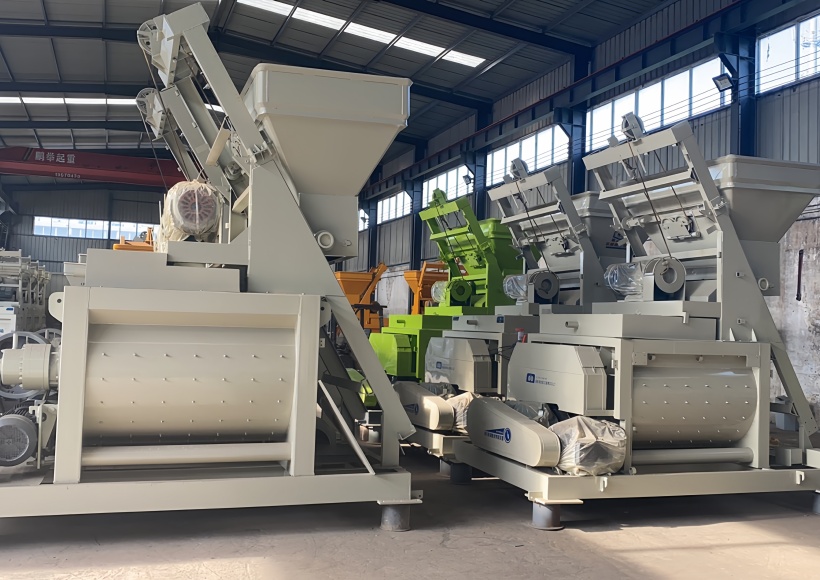
I’ve spent over a decade walking construction sites and dealing with equipment failures. You know what kills a project timeline faster than bad weather? A jammed main shaft on your mixing station. Most operators buy a massive rig, run it into the ground with heavy loads, and treat the washout phase like an annoying chore at the end of the shift. That’s exactly how you turn a massive capital investment into expensive scrap metal.
Every time you fire up a Twin Shaft Concrete Mixer, you are asking cold steel to fight against rock, sand, and chemical heat. It is a highly abrasive, brutal environment. If you want site-ready performance day in and day out, you need a bulletproof system. Throughout my time working with various industrial setups, including heavy-duty rigs from Машины Tongxin, I’ve seen machines run flawlessly for ten years, and I’ve seen identical models practically destroyed in six months purely due to operator neglect.
This guide isn’t about dusting off the manufacturer’s manual and quoting it back to you. It’s about ground-level, practical mixer maintenance tips that actually work to extend the life of your concrete mixer.
Why Simple Maintenance Beats Costly Downtime
Let’s get one thing straight: fix-on-failure is not a maintenance strategy. It’s a gamble, and the house always wins.
When you neglect routine care, you aren’t just saving a few minutes at the end of your shift; you are actively accelerating the destruction of moving parts. Friction and wear are the silent killers of heavy machinery. If a bearing starts grinding because it was starved of lubrication, it doesn’t just damage the bearing. It throws the main shaft out of alignment, puts asymmetrical torque on the gearbox, and suddenly a ten-dollar grease issue becomes a five-figure repair job.
Consistent, straightforward maintenance ensures that the twin shaft setup can rotate smoothly. It prevents the kind of catastrophic breakdown that halts a pour mid-batch. Avoiding costly downtime is the single biggest factor in your project’s profitability, which directly correlates to the service life of the equipment.
Building a Real-World Maintenance Schedule
You can’t just tell your crew to “keep an eye on it.” You need a strict, printed maintenance schedule taped to the control room wall. It needs to cover the daily grinds, the weekly inspections, and the deep monthly checks.
Daily Tasks: Don’t Let Hardened Concrete Ruin Your Day
The end of the day is when your crew is tired, but it’s also the most critical window for the life of your mixer. After the final batch is discharged, a thorough washout is non-negotiable.
I’ve seen guys skip this. The next morning, they have hardened concrete clinging to the paddle arms. Cement dust binds with moisture and turns into a rock-solid cast overnight. When you fire up the engine the next day, those hardened chunks act exactly like sandpaper against the drum liners. Worse, it changes the geometry of the mixing action, forcing the motors to work twice as hard to push the mix.
Get in there with the high-pressure hose. The interior needs to be thoroughly cleaned. Pay special attention to the corners and the spaces behind the mixing blades where build-up loves to hide.
Weekly Checks: Oil Level and Hydraulic Systems
Once a week, usually on a Friday afternoon or a Saturday morning before the site shuts down, someone needs to do a mechanical sweep.
Check the oil level in the gearbox. Don’t just look at it; look at the condition of the oil. If it’s starting to look milky, you have water leakage from a compromised seal, and you need to drain and replace it immediately. Check the hydraulic lines for any signs of loosening or weeping. A small leak today is a blown hose tomorrow. A machine that can run smoothly is one where the fluids are clean, topped up, and contained.
Lubrication: The Lifeblood of Your Mixer
If there is a holy grail to extending the longevity and performance of industrial equipment, it is proper lubrication. The operation of these machines relies entirely on keeping metal from grinding against metal.
Greasing the Bearings and Seals
The shaft mechanism is the heart of the twin-shaft setup. The seals protecting the main bearings are constantly bombarded by abrasive cement slurry. If that slurry breaches the seal, the bearing is done for.
Greasing the bearings isn’t just about making things slip; it’s about creating a pressurized protective layer. When you pump fresh grease into the seal housing, it physically pushes the dirt and moisture out. A proper lubrication routine on a Twin Shaft Concrete Mixer requires daily attention, especially during high-volume pours. Top-tier equipment from brands like Машины Tongxin will often feature automated greasing systems, but you still need to physically check that the lines aren’t blocked and the grease gun is actually delivering pressure to the end points.
Selecting the Right Grease for Heavy Loads
Don’t cheap out on your lubricants. Using whatever generic automotive grease you have laying around the shop will shorten the life of the mixer.
You need an industrial-grade lithium-complex grease. Why? Because it handles heat exceptionally well and resists water washout. When you are blasting the drum with high-pressure water at the end of the shift, standard grease just washes away, leaving the metal exposed to corrosion. A high-quality lithium grease stays put, ensuring that the heavy loads and immense torque don’t shear the protective film. Always pump until you see a tiny bit of clean grease purging from the relief valve—that tells you the old grease and contaminants have been flushed out.
Inspecting the Drum and Shaft Mechanism
The interior of the drum takes a massive beating. The aggregate inside acts as an abrasive grinding compound every single time a batch is mixed.
Catching Signs of Wear Early
Before you pack up for the weekend, do a visual, tactile walk-around. Get inside the drum (with the power locked out, obviously) and look at the mixing blades. If you are running a Twin Shaft Concrete Mixer, you need to measure the clearance gap between the edge of the paddle and the drum liner.
Many site managers trust Машины Tongxin for their heavy steel construction, but even the hardest alloy wears down over time. When that gap gets too wide, larger stones from the mix will wedge between the blade and the liner. This creates a terrifying squealing noise and will carve deep grooves into your liner plates. Catching these signs of wear early allows you to adjust the blades closer to the wall or swap out worn parts before they destroy the expensive structural components.
Monitoring the Torque and Smooth Movement
Listen to your machine. I always tell my operators that you can diagnose 80% of mechanical problems just by standing near the gearbox during a full load.
Does the twin shaft mixer sound like it’s struggling? Are there rhythmic clunks or vibrations translating through the frame? A sudden drop in the efficiency of the mixing action or a spike in power draw usually means increased friction. It could be a bent main shaft, a failing bearing, or an obstruction in the drum. Never ignore a new noise. Shut it down and investigate. By addressing these minor deviations immediately, you prolong the equipment’s lifespan and avoid catastrophic failure.
Troubleshooting Common Winter and Summer Issues
Extreme weather drastically affects the mixer’s performance. You can’t run the same maintenance playbook in January that you do in July.
Winter Hazards
In freezing temperatures, any residual water left in the drum or the water lines will freeze and expand. Ice can crack a water pump casing in a matter of hours. Furthermore, cold temperatures cause gear oil to thicken dramatically. If you fire up the motors while the oil is like molasses, the gearbox isn’t getting properly lubricated during those first crucial minutes of operation, leading to severe premature wear. Always use a winter-grade lubricant if you are operating in freezing zones, and ensure the entire water system is purged with compressed air at the end of the shift.
Summer Heat Stress
Conversely, in dead summer heat, thermal breakdown of your grease and oil is your biggest enemy. High ambient temperatures combined with the friction heat of continuous operation thin out the lubricants. You might find that you need to increase the frequency of your greasing schedule to maintain that protective layer. Keep an eye on the hydraulic fluid cooling system; if the radiator fins are clogged with cement dust, the system will overheat, blow the seals, and cause immediate downtime.
The Bottom Line on Extending Equipment Life
Selecting the right mixer is only the first step. The real test of an operation is how long you can keep that machine running at peak efficiency.
You need to shift your crew’s mindset. Maintenance isn’t a penalty; it’s a core operational task. Keeping the main shaft clean, ensuring the drum is free of hardened concrete, and religiously hitting every zerk fitting with the grease gun—these are the simple maintenance habits that pay massive dividends. Neglect them, and you’ll be writing checks for replacement parts faster than you can pour a foundation. Respect the machinery, follow a strict schedule, and your twin-shaft setup will be the most reliable asset on your job site.
Часто задаваемые вопросы (FAQ)
How often do I actually need to grease the main seals?
Twice a day during continuous pouring. Don’t push it to weekly. If you hear a squeak, you’re already grinding metal. Give it a few solid pumps with the grease gun at lunch and at the end of your shift to flush out the abrasive dust.
What’s the fastest way to handle hardened concrete on the paddles?
Stop it before it starts. A heavy washout immediately after the final batch is absolute. If it’s already rock-hard, you’ll have to chip it manually with air tools. Don’t swing heavy sledgehammers in there; you’ll knock the shaft totally out of alignment.
Can I use standard truck grease on the mixer bearings?
Bad idea. Truck grease just can’t handle the aggressive washout water or the massive torque inside a mixing drum. Buy heavy-duty lithium-complex grease. It stays thick when things get hot and won’t wash away when you blast the drum with the hose.
Why is my main gearbox running so hot to the touch?
Usually, it comes down to low oil or old, broken-down gear oil causing internal friction. Shut the rig down and check the sight glass. If the oil looks cloudy or milky, you’ve got a blown water seal. Drain and replace it immediately.
How do I know exactly when to swap out the mixing blades?
Get inside and look at the gap between the blade edge and the drum liner. When that gap gets wider than the stones in your mix, aggregate will wedge in there and destroy the liner plates. Swap them out before that gap gets out of spec.