








Look, if you run a construction project that shifts locations every few weeks or months, you already know the logistical headaches involved. Bidding on highway paving, canal lining, or remote infrastructure projects means you cannot afford to wait on third-party concrete supply trucks stuck in traffic. You need to produce concrete on-site. But choosing the perfect solution for your project isn’t just about comparing spec sheets; it is about surviving the brutal reality of constant relocation.
Every time you move equipment, you bleed money in labor, transport costs, and downtime. If you buy the wrong setup, you will spend weeks pouring foundations, waiting on cranes, and fighting with road permits. We need to cut through the marketing noise. This guide breaks down exactly how to evaluate and choose the right mobile concrete batching plant so you can keep pouring and keep moving.
Types of Concrete Plants: Stationary vs. Mobile
When you look at types of concrete batching plants, the market essentially offers two routes. You have your standard stationary concrete plants, and you have mobile units.
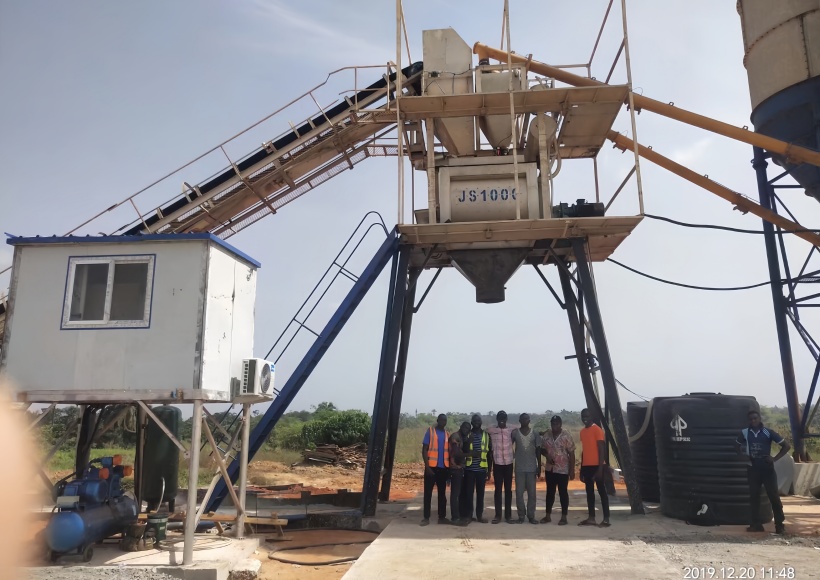
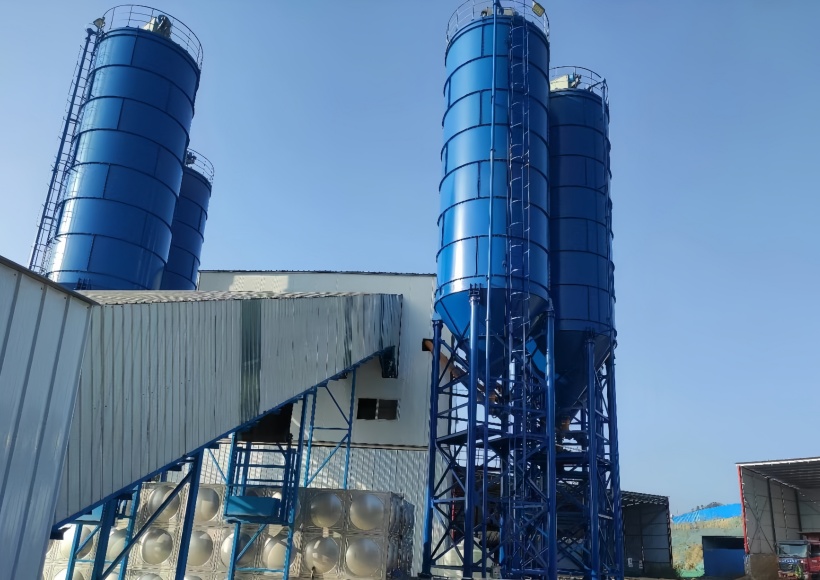
If you are running a permanent concrete business selling ready-mix concrete to the local city market, a stationary plant is exactly what you need. They are built for long-term production in one yard. However, for a contractor who moves frequently, stationary concrete batching plants are a financial trap. You have to pour concrete foundations, hire heavy cranes for the cement silos, and spend weeks wiring the batching systems.
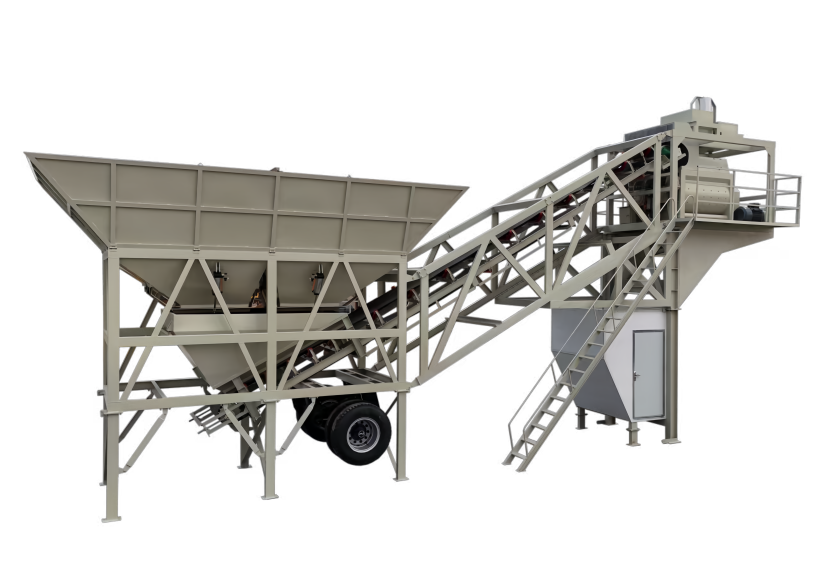
This is why you need a mobile concrete batching plant. A true mobile plant is built entirely on a heavy-duty towable chassis. It is designed to be easily transported behind a truck, pulled onto a flat piece of compacted ground, and set up without digging a single hole. You get the same high-quality concrete production without the permanent real estate commitment. Making the right choice between the two dictates your profit margins on jobs that require multiple sites.
Choose the Right Capacity for the Job Site
It is incredibly tempting to just buy the biggest mobile batching plant you can get financing for. Do not do that. You have to balance your production needs with the reality of towing it down a highway.
You need to evaluate the cubic meters per hour you actually plan to pour. If you handle large-scale construction, you obviously need large volumes of concrete. But remember that higher-capacity plants mean larger aggregate bins, heavier twin-shaft mixers, and more axles on the chassis.
If you buy a massive 120 cubic meter per hour plant, you might need special heavy-haul permits, escort vehicles, and specific route planning every single time you change sites. For most contractors moving constantly, a mid-range capacity (like 60 to 90 cubic meters per hour) is the sweet spot. It provides a steady amount of concrete to keep your crews busy while remaining legal to tow under standard road regulations. Choosing the right concrete plant capacity is a strict balancing act between hitting your daily targets and maintaining actual mobility.
The Towing Reality: Axles, Weights, and Chassis Strength
A plant is not truly a mobile concrete plant if you have to dismantle it into ten different pieces and load it onto flatbed trailers to move it. You want a towed batch plant.
Pay very close attention to the towing mechanism and the chassis frame. Does it use a standard kingpin that any heavy truck in your fleet can hook up to? Check the axle weight distribution. When you drag this equipment across rutted, unpaved access roads, the frame takes a beating. If the manufacturer used thin steel to save weight, the chassis will crack under the vibration of constant towing.
Selecting the right chassis design is what separates a machine that lasts ten years from one that falls apart after three jobs. Ensure the axles have proper braking systems and air-ride suspension if you plan on doing a lot of highway travel.
Rapid Setup: Time is Money
When your contract mandates shifting to a new job site on a Friday and pouring concrete by Monday morning, your setup time is everything. The best plant for frequent relocation requires absolutely zero concrete foundations.
You want a design where the plant simply backs into position, drops its hydraulic or mechanical landing legs, and is ready to level out. The aggregate bins and conveyors should fold out manually or via hydraulics.
Look closely at the wiring and pneumatics. You should not have to hire a local electrician to hardwire the control system every time you move. A proper mobile batching plant uses pre-wired, quick-connect aviation plugs. You literally just plug the cables into the main panel, hook up your air compressor, and you are ready to calibrate. Rapid setup is how you actually end up saving time and money on a mobile operation.
Evaluating the Mixer and Batching Systems
Just because the plant sits on tires doesn’t mean you should compromise on the concrete quality. The mixer is the beating heart of the operation. Most high-quality mobile units use a twin-shaft mixer. They handle rough, low-slump mixes easily and ensure consistent concrete quality batch after batch.
Next, look at the material handling. How does the aggregate get from the bins to the mixer? Some use an incline conveyor, while others use a skip hoist. A skip hoist saves space and keeps the footprint small, which is great for tight sites. A conveyor belt takes up more room but generally provides smoother, faster loading for large-scale projects.
Do not forget the automation. The control system must be intuitive. Your operators need to be able to input mix designs quickly, track material usage, and print tickets. Good batching systems prevent human error and ensure every load meets the engineer’s specifications.
Red Flags When Selecting the Right Batch Plant
There is a lot of junk equipment out there. You have to know what to avoid. The biggest red flag is a manufacturer selling a “mobile” plant that still requires a 50-ton crane to erect the main mixer platform. That completely defeats the purpose of buying mobile equipment.
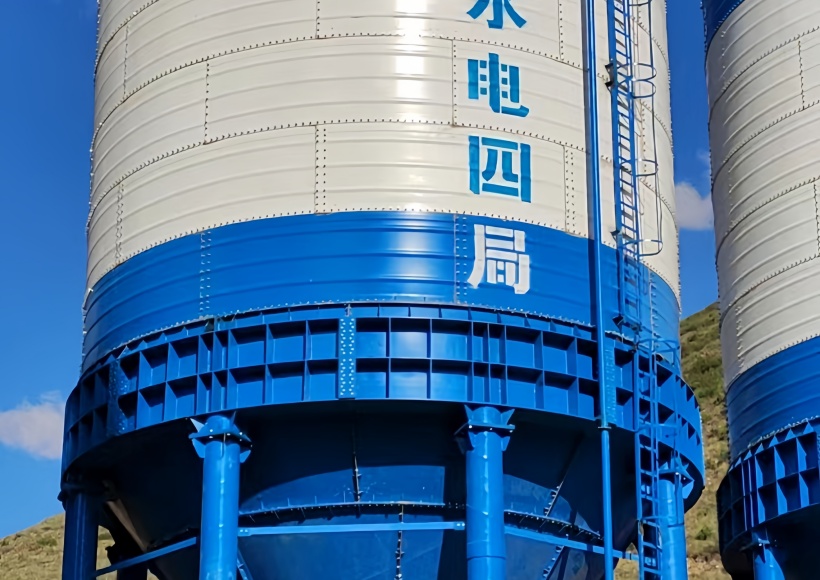
Another issue is the cement storage. Traditional vertical cement silos require cranes and foundations. If you want true mobility, you need low-profile horizontal silos that can be towed just like the plant itself.
Watch out for cheap pneumatic valves, thin wear liners inside the mixer, and proprietary software that locks you out if you miss a service payment. This is exactly why you need to partner with a manufacturer that actually understands the dirt and grind of construction work. For example, Tongxin Machinery builds rock-solid, road-ready units engineered specifically for contractors who cannot afford downtime. If you want to see how a heavy-duty chassis and a true rapid-deployment system should be put together, look at their Concrete Batching Plant options. They build equipment that survives the field, not just looks good in a catalog.
Making the Right Call for Large-Scale Projects
What if you are handling massive infrastructure projects like airport runways or dams? You might assume you have to buy a massive stationary setup. Not necessarily.
Many smart contractors use a multiple-plant strategy. Bringing two mobile units to a site instead of building one giant stationary plant offers incredible flexibility. It guarantees a constant concrete supply; if one mixer needs maintenance, the other keeps producing. As the project size scales down near the end of the job, you can pack up one plant and move it to the next site while the second finishes the remaining work.
Ultimately, choosing the right concrete batching plant requires careful consideration of how you actually operate day-to-day. Do not just look at the maximum production numbers. Look at the transport dimensions, the setup labor required, and the durability of the components. A mobile batching plant is a major investment, and making the right choice ensures you stay profitable, mobile, and ahead of schedule.
Frequently Asked Questions (FAQ)
1. How long does it actually take to set up a mobile plant?
A well-designed mobile plant takes 4 to 8 hours to set up. You just need a flat, compacted surface. If the dealer says you need a crane or to pour a concrete pad first, walk away. It isn’t truly mobile.
2. Can towed plants meet state highway concrete specs?
Yes. The core components are exactly the same as stationary setups. They use the same heavy-duty twin-shaft mixers and automated batching systems. You will easily meet strict engineer specifications and ensure consistent concrete quality for any government job.
3. Do I need special road permits to tow these plants?
It depends on the specific model’s axle weight and transport width. Mid-range plants usually tow legally without special escorts. Always check the transport dimensions against your local DOT regulations before buying to avoid expensive wide-load permits every move.
4. How do I handle cement storage without a crane?
Skip the traditional vertical silos. Buy a horizontal cement silo. They sit low to the ground, are built on their own towable axles, and use augers to feed the plant. No cranes, no foundations, and you hook them right up to a truck.
5. Is a mobile plant durable enough for a multi-year project?
Absolutely. While built for rapid relocation, they can sit and run on one site for years. The heavy-duty frames and thick wear parts handle long-term continuous pouring. When the job finally ends, you just hitch it up and drive away.