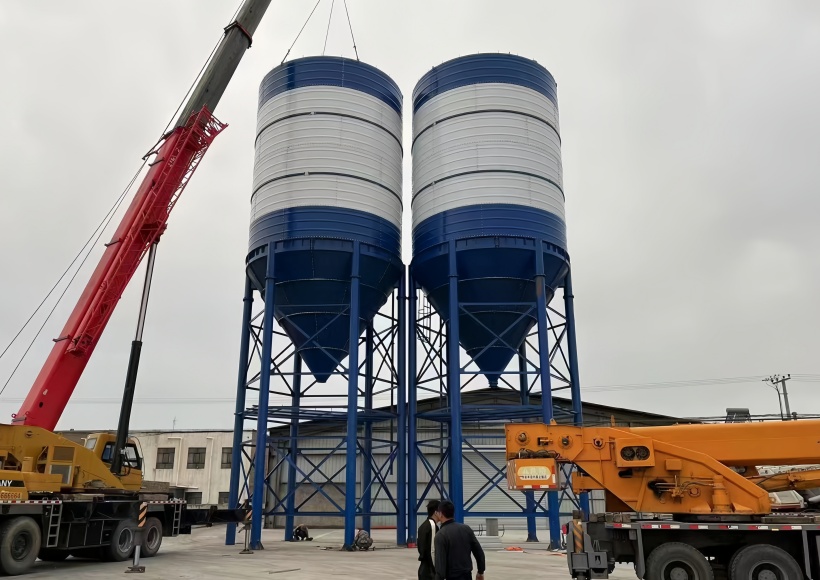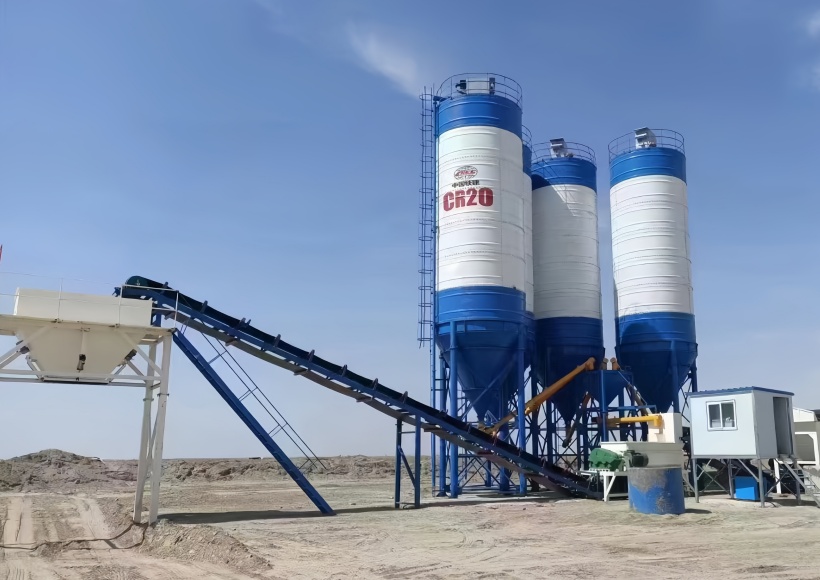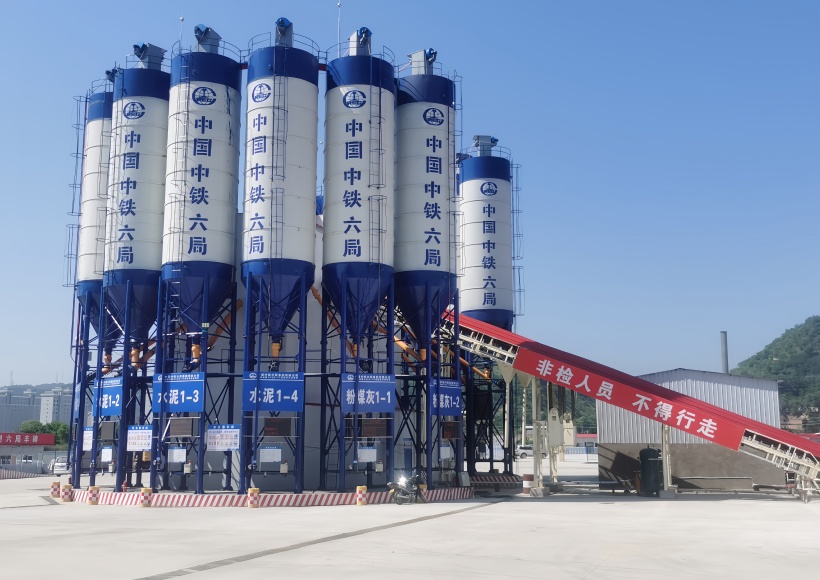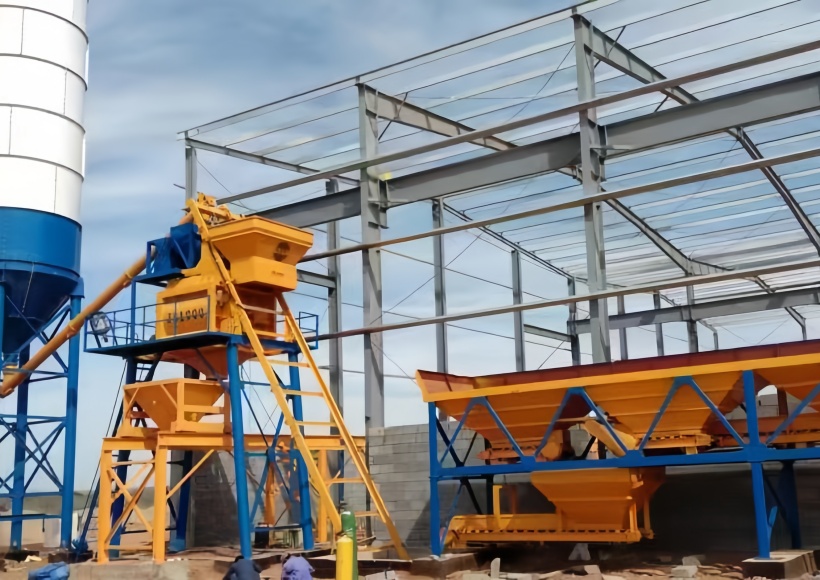









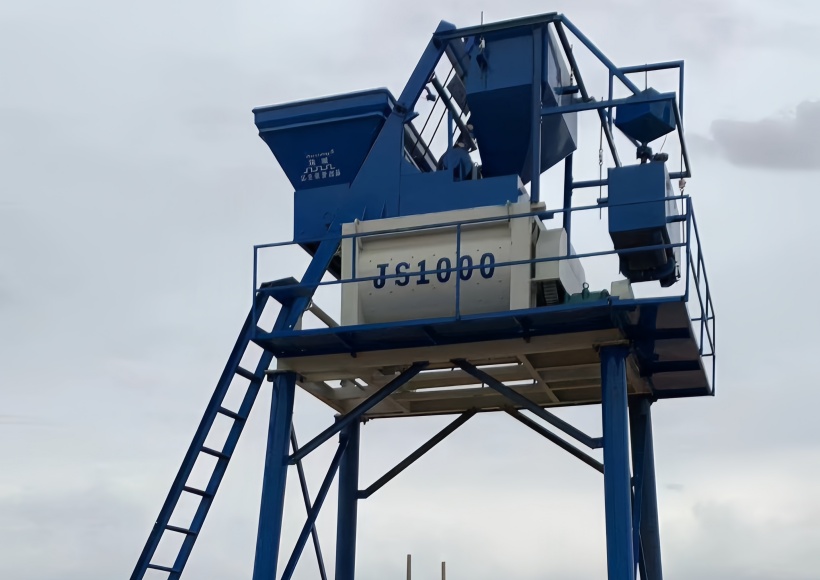
At construction sites, concrete mixing equipment is like the heart of the project. Once it experiences abnormal stoppage, it not only affects construction progress but may also pose safety hazards. Mastering the correct emergency handling methods can minimize losses at critical moments and ensure construction safety.
As a professional construction machinery service provider, Tongxin Machinery combines years of industry experience to summarize an effective fault response solution for you.
Primary Steps: Safety Control and Emergency Response
When the equipment shows abnormal sounds, sudden stoppage, or operational failure, the following measures should be taken:
1. Power Isolation Operation: Immediately shut down the equipment’s power system. For electric equipment, cut off the main power and set safety locks; for diesel equipment, turn off the engine to ensure the equipment comes to a complete stop.
2. On-site Warning Setup: Set up a clearly marked isolation zone around the equipment and place safety warning signs to prevent unauthorized personnel from approaching.
3. Timely Information Reporting: Operators must immediately report the equipment condition to on-site management, explaining the fault symptoms and measures already taken.
After these initial steps are completed, on-site personnel should conduct a preliminary identification of the fault while ensuring their own safety. This not only provides important information for subsequent professional repairs but also prevents minor issues from developing into major faults.
Key Links: Problem Identification and Preliminary Handling
Before professional technical personnel arrive, the following safety-limited checks can be performed:
Power System Abnormalities: Check whether the motor is overheating and whether electrical protection devices have activated. If the motor temperature is found to be too high, wait for it to cool down naturally; do not force a restart.
Mixing System Jamming: Check whether the mixing device is jammed by foreign objects. Before conducting any inspection, ensure the equipment is completely powered off and there is no risk of accidental startup.
Transmission Component Issues: Check whether transmission belts, chains, and other components are loose or damaged. If obvious damage is found, replacement should be carried out under the premise of ensuring safety.
Hydraulic System Malfunction: Check hydraulic lines for signs of leakage and whether hydraulic pressure is normal. If leakage is found, stop using the equipment immediately and clean the site.
Safety Reminder: All inspection operations must be conducted under the premise of ensuring safety. If the cause of the fault or the handling method cannot be determined, it is recommended to wait for professional personnel to arrive for handling.
Through preliminary inspection, on-site personnel gain a basic understanding of the fault’s nature. At this point, it is necessary to quickly enter the emergency coordination phase. Timely resource allocation can effectively reduce the chain impact caused by equipment downtime.
Emergency Coordination: Resource Allocation and Production Arrangements
During equipment failure, on-site management personnel need to coordinate various resources:
1. Production Plan Adjustment: Adjust on-site construction arrangements based on estimated repair time. If backup equipment is available, it should be activated promptly; if not, consider adjusting processes or seeking external supply.
2. Repair Resource Coordination: Contact the equipment service provider, describe the fault situation in detail, and request that technicians with necessary parts be dispatched to the site as soon as possible.
3. Proper Material Handling: If there is incompletely mixed material in the mixing tank, decide whether to continue using it or clean it based on the length of downtime. In case of prolonged downtime, clean the material in the tank promptly to prevent solidification from causing equipment damage.
When external repair resources are in place, the entire handling process will enter a professional phase. Standardized operating procedures not only ensure repair quality but also lay the foundation for the stable operation of the equipment in the future.
Professional Repair: Standardized Procedures and Quality Assurance
After professional repair personnel arrive on site, they should operate according to standard procedures:
1. Fault Situation Handover: On-site operators should provide repair personnel with a detailed explanation of the fault occurrence process and measures already taken.
2. Standardized Repair Operations: Repair personnel should conduct fault diagnosis and repair operations in accordance with safety specifications.
3. Post-repair Function Verification: After repair is completed, conduct a no-load operation test first. Confirm the equipment is running normally before proceeding to a load test.
4. Return-to-work Safety Check: After the equipment returns to normal, it must be inspected and confirmed by on-site safety management personnel before it can be put back into production use.
Restoring equipment operation is not the endpoint of fault handling but a new starting point for management improvement. Systematic follow-up management can draw lessons from each fault to achieve continuous improvement.
Follow-up Management: Experience Summary and Preventive Improvement
After fault handling is completed, follow-up management work should be carried out:
1. Detailed Process Recording: Fully record information such as fault occurrence time, symptoms, handling methods, and repair results to establish equipment maintenance files.
2. In-depth Cause Analysis: Organize relevant personnel to analyze the root causes of the fault, distinguishing between operational issues, maintenance problems, or equipment-related factors.
3. Optimize Maintenance Plan: Based on fault analysis results, adjust the equipment’s maintenance schedule and increase inspection and replacement frequency for vulnerable components.
4. Personnel Training Enhancement: Conduct specialized training for relevant personnel regarding operational or maintenance problems exposed during the fault to improve professional capabilities.
—
Professional Support and Continuous Service
The stable operation of concrete mixing equipment requires professional maintenance and timely service support. Tongxin Machinery not only provides high-quality construction machinery equipment but also offers comprehensive technical support and service guarantees to customers.
We have established a complete after-sales service system, equipped with professional repair teams and sufficient spare parts inventory, ensuring quick response and professional handling when customers need it. At the same time, we regularly provide customers with equipment maintenance training and technical guidance to help improve their equipment management level.
Choosing Tongxin Machinery means you gain not only high-quality equipment but also a reliable technical partner. We are committed to helping customers improve equipment usage efficiency, reduce operating costs, and ensure smooth project progress through professional services.