
When a ready-mix producer in Shandong upgraded from a JS750, the JS1500 concrete mixer they chose doubled their output per shift and the concrete came out noticeably more uniform. That is the jump this twin-shaft mixer delivers: one cubic and a half of fresh concrete per batch, cycle after cycle, with the kind of consistency that shows up in slump tests and cylinder strengths.
This JS1500 concrete mixer manufacturer guide explains what the machine actually does on site, the numbers behind its rated capacity, how Tongxin Machinery builds and tests it, and what you should check before buying one. We have been manufacturing this model for years, and the details below are the same ones our sales engineers walk through with plant owners before quoting, as a JS1500 concrete mixer manufacturer should.
What the JS1500 Concrete Mixer Does on Site
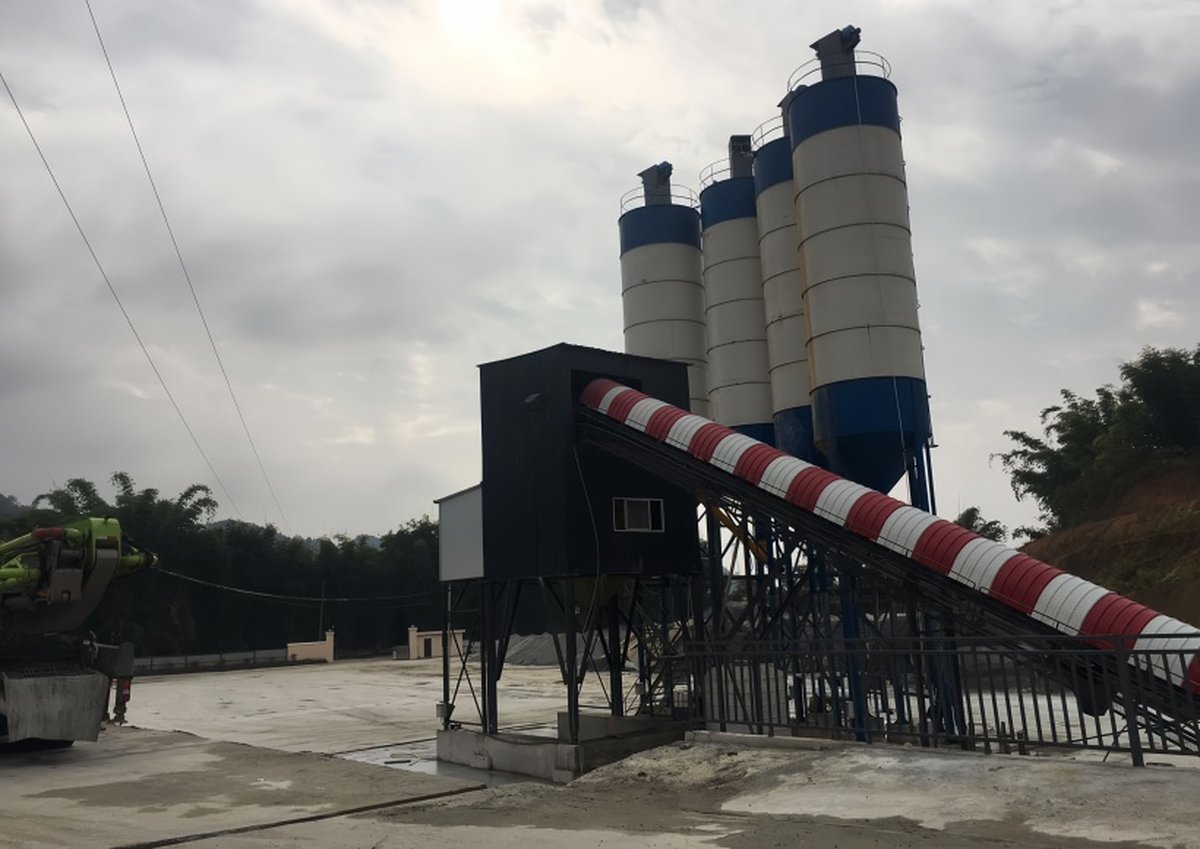
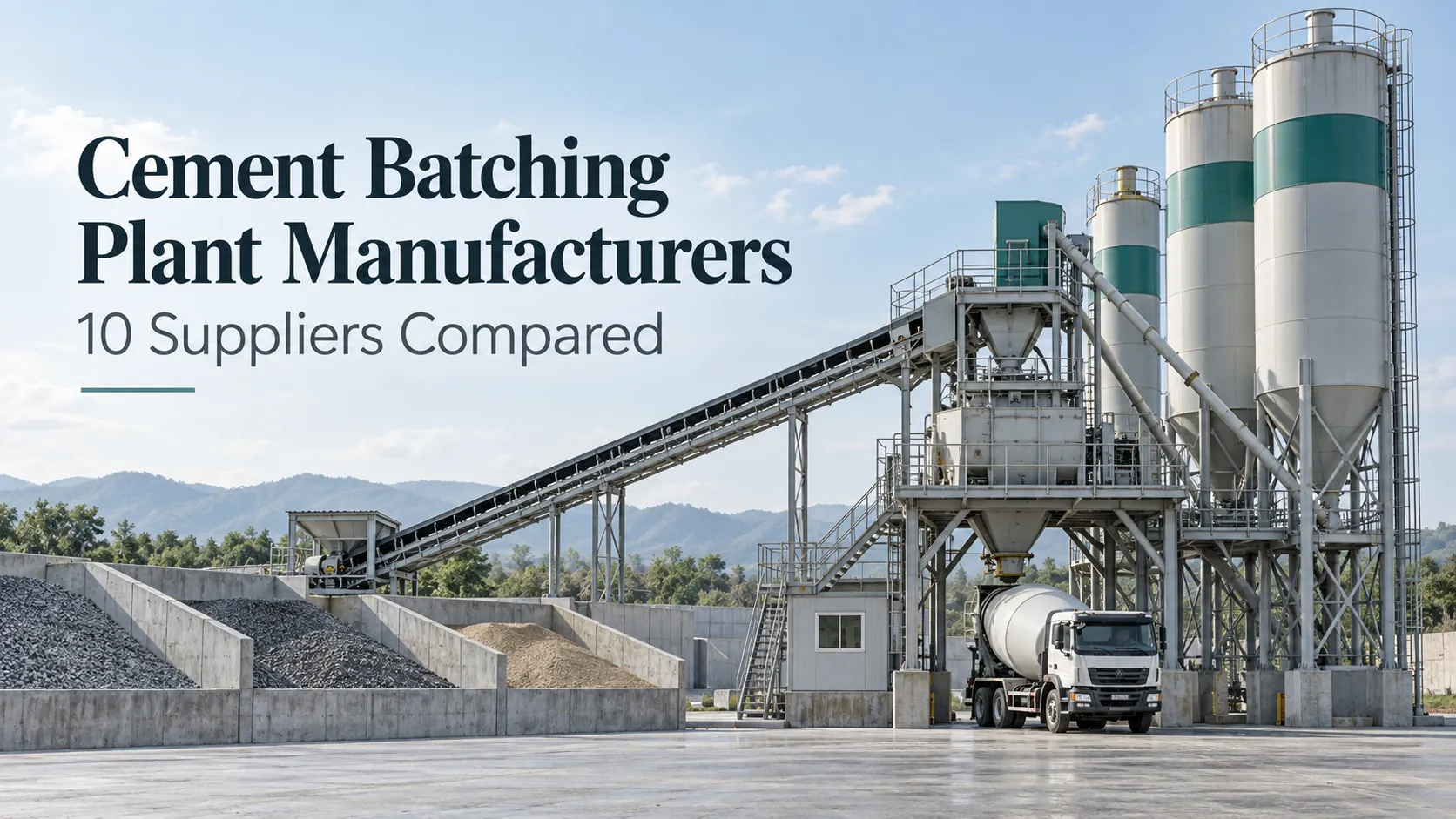
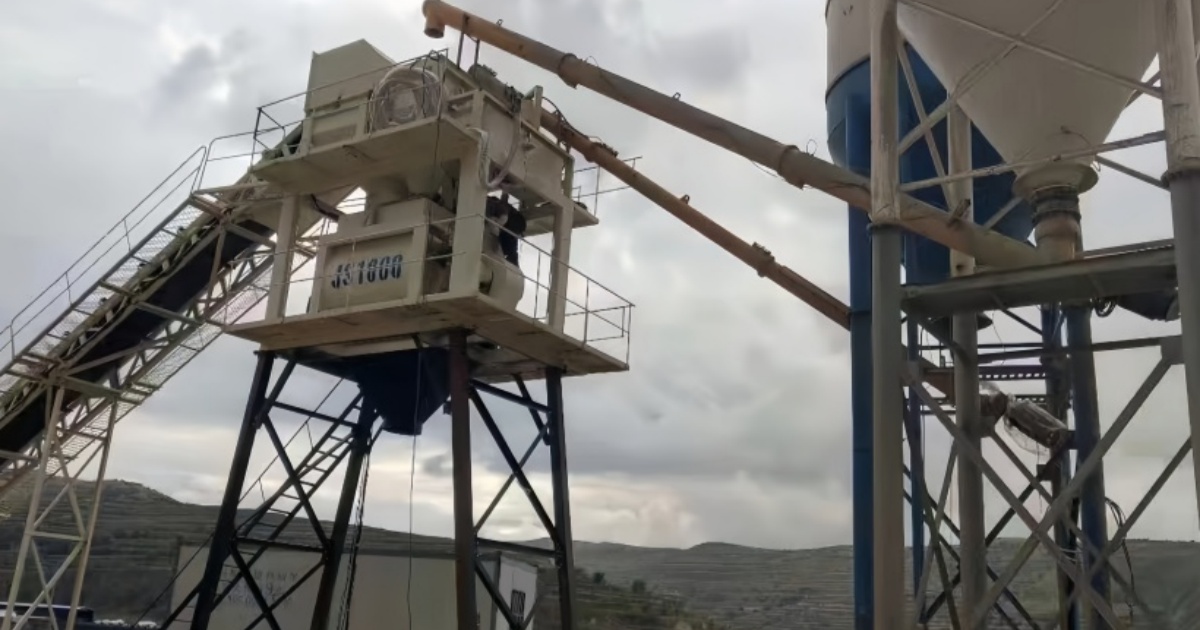
The JS1500 is a twin-shaft forced mixing unit used as the mixing host in medium-capacity batching plants, typically matched with the HZS90 plant configuration. Each cycle discharges 1.5 m³ of mixed concrete, and at a standard 50-second cycle time the theoretical output works out to roughly 75 m³ per hour.

The real number on a job site is lower than the theoretical figure, because weighing, charging and discharging add time to every cycle. A well-run HZS90 plant with a JS1500 typically sustains 55–65 m³/h of commercial production, which is why the mixer is the first thing a buyer should size correctly before looking at the rest of the plant.
JS1500 Concrete Mixer Technical Specifications at a Glance
The table below lists the key parameters of the JS1500 as configured by Tongxin Machinery. Use it as a checklist when comparing quotes from different manufacturers, and ask each JS1500 concrete mixer manufacturer to confirm the figures in writing.
| Parameter | Value |
|---|---|
| Discharge capacity per batch | 1.5 m³ |
| Theoretical output | 75 m³/h (50 s cycle) |
| Mixing principle | Twin-shaft forced mixing |
| Mixer motor configuration | Dual-motor drive, 2 × 30 kW |
| Blade and liner material | High-wear alloy, modular replaceable |
| Shaft seal protection | Multi-layer sealing against slurry leakage |
| Control option | Manual or PLC automatic batching control |
| Typical matched plant | HZS90 concrete batching plant |
Twin-Shaft Forced Mixing: Why It Wins on Concrete Quality
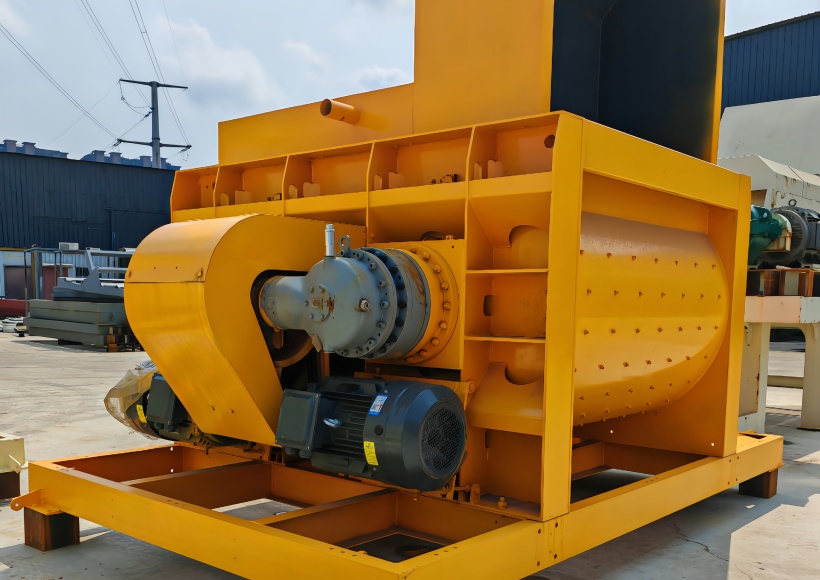
The twin-shaft design is not a marketing detail; it changes how the concrete moves inside the drum. The two counter-rotating shafts carry blades that push the material up, down and across at the same time, creating three-dimensional circulation. Loose pockets of dry mix are rare, and segregation stays low even with stiff or low-slump mixes.
For this JS1500 concrete mixer manufacturer, the practical result of the twin-shaft layout is a shorter mixing time at the same quality. A cycle that takes 60 seconds in a single-shaft drum often finishes in 45–50 seconds in a twin-shaft unit, which is where the 75 m³/h theoretical number comes from in the first place.
The blade layout matters as much as the shaft arrangement. Tongxin arranges the blades so material completes several circulation loops per cycle, which eliminates the dead corners that leave unmixed mortar stuck in the drum. This is also why twin-shaft mixers handle high-strength concrete, shotcrete mixes and special mortars without a second pass.
Built to Take Years of Hard Pouring
A mixer only earns its keep if it keeps working. The JS1500 concrete mixer manufacturer Tongxin uses high-wear alloy for the blades and liner plates, and the wear parts are bolted on with modular fixing so a worn blade is swapped in hours, not days.
The other weak point of a twin-shaft mixer is the shaft seal, where slurry and water try to work their way into the gearbox. Tongxin applies multi-layer sealing on the JS1500 mixer and seals the area around the discharge door, which is the spot most mixers leak from first. On the electrical side, the dual-motor drive spreads the load so a single motor failure does not necessarily stop the plant, and the standard protection suite covers overload, phase loss and undervoltage.
Factory Quality Control Before the JS1500 Concrete Mixer Ships
Tongxin runs four checks before any mixer leaves the workshop:
- Incoming material testing. Main structural steel and alloy wear parts are batch-tested for composition before cutting and welding.
- In-process inspection. Weld quality, shaft alignment and blade clearance are checked at defined points during assembly, not just at the end.
- Extended no-load and load running. Every JS1500 mixer runs an extended cycle test under load before packing, watching current draw, vibration and bearing temperature.
- Third-party verification. For export orders, Tongxin regularly commissions independent performance testing so the rated output is backed by a report, not a brochure.
That testing is why the rated numbers hold up in practice. A plant owner buying from a JS1500 concrete mixer manufacturer with this test routine gets the 75 m³/h figure on paper and a machine that has already proven it can run at that rate in the workshop.
Where the JS1500 Fits: Real Applications
The JS1500 concrete mixer manufacturer range from Tongxin spans JS500 to JS2000, and this unit is the middle rung, smaller than the JS2000 but larger than the JS1000. The table below shows where it fits in practice.
| Application | Why the JS1500 fits |
|---|---|
| HZS90 commercial batching plants | Matched capacity, 1.5 m³ batches suit truck-mixer loading |
| Medium and large construction sites | Handles structural concrete grades C25–C50 without compromise |
| Road and bridge projects | Reliable cycle times for continuous pouring schedules |
| Water conservancy works | Stiff mixes and mass concrete stay uniform in twin-shaft mixing |
| Precast component yards | Quick batch turnover fits mould-filling lines |
Service That Keeps the Mixer Running
A JS1500 mixer is a long-term asset, and the support behind it matters as much as the machine itself. Tongxin Machinery provides full installation guidance and on-site commissioning, operator and maintenance training, a 24-hour technical hotline, and a stocked spare-parts warehouse so blades, liners and seals are shipped without long waits.
For overseas buyers, the same support runs through local service channels in markets across Asia, the Middle East, Africa and Latin America. Spare parts and wear items follow the same quality control as the original fit, which keeps replacement cost predictable over the mixer’s life.
JS1500 Concrete Mixer FAQ
These are the questions buyers ask most often before ordering a JS1500 from Tongxin Machinery.
Q1: How much concrete does a JS1500 concrete mixer produce per batch?
A: The rated discharge capacity is 1.5 m³ per batch. With a standard 50-second cycle, theoretical output is 75 m³/h; sustained commercial production on an HZS90 plant is typically 55–65 m³/h.
Q2: What is the difference between theoretical and actual output?
A: Theoretical output assumes the mixer runs at its shortest cycle continuously. Real plants lose time to aggregate weighing, charging, discharge and waiting for trucks, so actual sustained output runs about 20–25% below the theoretical figure.
Q3: How much power does the JS1500 mixer use?
A: The JS1500 uses a dual-motor drive rated at 2 × 30 kW. Total connected load depends on the surrounding plant, and an HZS90 plant with this mixer typically plans for about 155 kW of installed power.
Q4: Can the JS1500 mixer handle high-strength concrete?
A: Yes. The twin-shaft forced mixing action handles C50 and higher grades, low-slump and stiff mixes, and special mortars without segregation, which is one of the main reasons precast and bridge contractors choose it.
Q5: How often do mixing blades need replacing?
A: Blade life depends on the mix and the hours run, but with proper abrasion monitoring most JS1500 blades last 8–14 months in commercial production. Tongxin stocks the blades and liners, and the modular fixing keeps the swap to a few hours.
Q6: Which batching plant does the JS1500 match?
A: A JS1500 concrete mixer manufacturer will tell you the same thing: this unit is the standard mixing host for HZS90 batching plants and is also used in custom medium-capacity installations. Tongxin can advise on plant layout and silo sizing to match the mixer output.
Tongxin Machinery: The Manufacturer Behind the Mixer
Choosing a JS1500 concrete mixer is choosing a manufacturer as much as a machine. As a JS1500 concrete mixer manufacturer with nearly three decades in the business, Tongxin builds concrete mixing equipment, and the JS1500 is manufactured in our own plant with the quality control described above. For related reading, our HZS90 concrete batching plant page shows the full configuration this mixer powers, and the manufacturer overview explains our production and service capabilities. Concrete testing and mix requirements follow industry references such as the ASTM C94/C94M standard for ready-mixed concrete.
If you are sizing a new plant or upgrading an existing mixer, send us your expected output and mix design. We will recommend the right JS1500 concrete mixer configuration, quote honestly, and support you from foundation drawing to the first load of concrete.