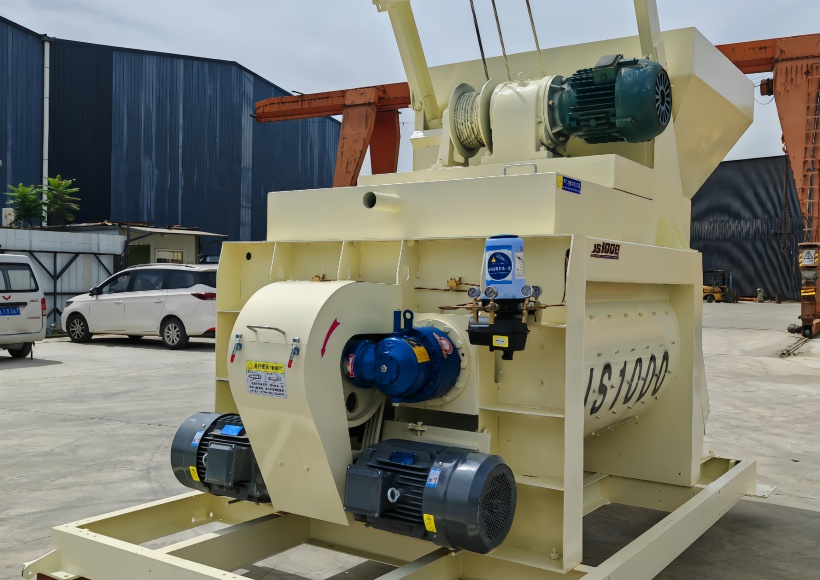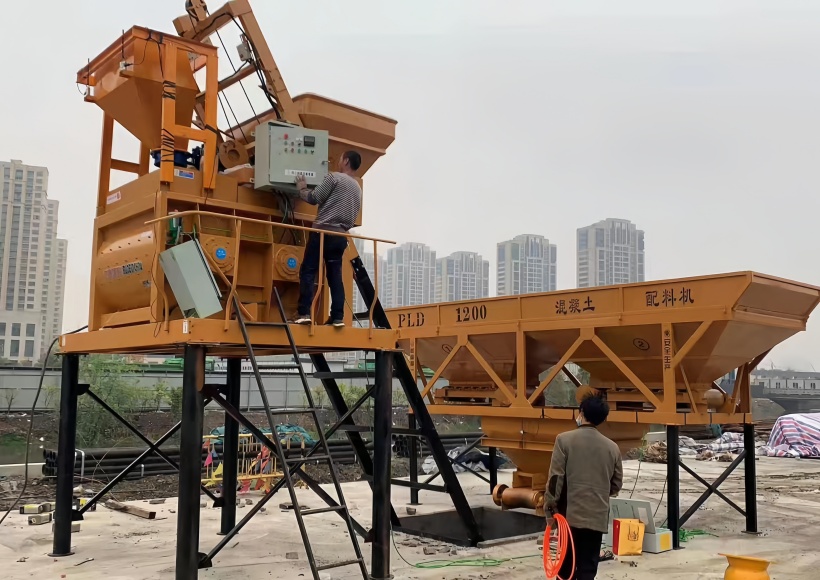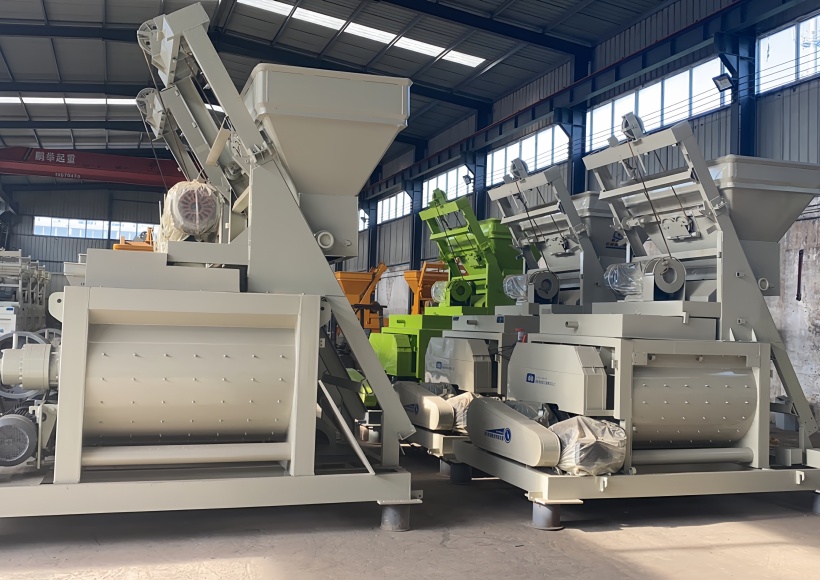









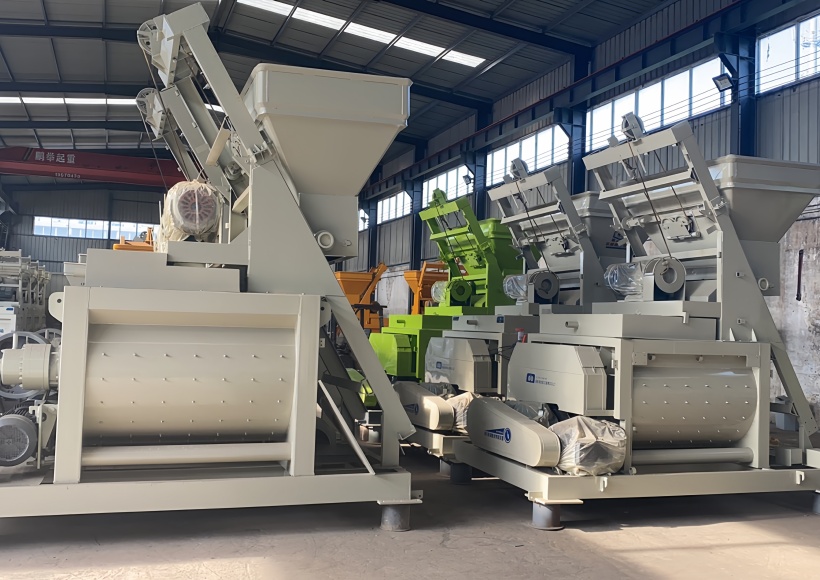
Let us get one thing straight right out of the gate: there is no such thing as a “lifetime” mixer blade. If you are running a high-volume concrete batch plant, your mixer is essentially a highly engineered rock-crushing grinder. The friction generated by crushed granite, silica sand, and low-slump concrete will inevitably devour steel.
I have walked onto factory floors where plant operators were scratching their heads over inconsistent concrete quality and excessive mixing times, only to find the internal mixing elements worn down to literal nubs. Relying on generic, boilerplate maintenance schedules is a surefire way to experience catastrophic downtime. To keep a batching plant profitable, you must understand the metallurgical realities and the brutal operational environment that dictate the lifespan of your twin shaft mixer wear parts.
Why Your Concrete Batch Plant is Eating Blades
The heavy industry environment is unforgiving. Unlike laboratory conditions, a real-world concrete mixing plant deals with variable moisture content, highly abrasive aggregates, and operators who sometimes push the mixing cycle to its absolute limits.
When you mix cement, water, and aggregate, you are creating a highly alkaline, abrasive slurry. The shear force required to achieve a homogeneous mixture places immense mechanical stress on the mixer. If you are using river gravel, the abrasion is somewhat manageable. However, switch to crushed basalt or recycled asphalt mixing aggregates, and the wear rate on your blades and liners will skyrocket. The abrasiveness of the material dictates everything.
The 2mm Gap Clearance Rule
A rookie mistake is ignoring the clearance gap between the mixer blades and the protective liners. In a perfectly calibrated twin-shaft mixer, this gap should be tight—usually around 2mm to 5mm. As the tips of the mixer blades wear down, this gap widens. Once it exceeds 10mm, coarse aggregate particles start wedging between the blade and the liner. This creates a parasitic drag on the mixing arm, spiking the electrical load on your motors, accelerating actual wear, and leaving a dead zone of unmixed concrete residue at the bottom of the mixing tank.
Anatomy of the Grind: Core Wear Components
When we talk about critical wear components in modern concrete machinery, we are primarily focusing on the parts actively engaged in the violent cross-mixing action.
Mixer Blades and Mixing Arms
The mixing blades are the primary consumable in your operation. They take the direct impact and shear force of the concrete batching process. But not all blades are cast equal.
- High-Chromium Cast Iron (Cr27): This is the gold standard for high wear resistance. High-chromium alloys form hard carbides that resist the gouging action of sharp aggregates. They are brittle against extreme impact but unmatched in sliding abrasion resistance.
- Manganese Steel (Mn13/Mn18): Often used for the mixing arm itself rather than the blade tip. It work-hardens under impact, making it incredibly tough, but it lacks the extreme surface hardness needed for the constant grinding of fine sand.
- Ni-Hard Alloys: A classic choice, balancing hardness and cost, but slowly being phased out by advanced high-chrome options in a new plant setup.
Protective Liners (Wear Plates)
The mixing drum is lined with replaceable wear plates. Without them, the abrasive concrete would eat right through the structural shell of the pan mixer or twin-shaft mixer in weeks. Liners typically suffer from “washboarding”—uneven wear patterns caused by specific dead zones in the mixing cycle. Relying on premium twin shaft mixer wear parts is the only way to shield the mixer’s interior effectively.
Shaft Seals and Bearings
While blades get all the attention, bearings and seals are the silent killers of a concrete mixing plant. Cement dust is incredibly fine (down to 10 microns). If the shaft seal fails, this abrasive dust mixes with bearing grease, creating a lapping compound that will destroy a main bearing in days.
Factory Floor Reality: Replacement Intervals You Can Trust
Throw away the generic manual that says “replace every 12 months.” Replacement intervals are strictly a function of cubic meters produced and aggregate abrasiveness.
Here is a realistic maintenance schedule based on actual heavy industry data, assuming standard crushed aggregate:
| Component Type | Expected Lifespan (Cubic Meters) | Warning Signs of Premature Failure |
| High-Chrome Mixer Blades | 40,000 to 60,000 m3 | Visible rounding of edges, decreased mixing efficiency, mixing times extending by >10%. |
| Protective Liners (Side/Bottom) | 80,000 to 100,000 m3 | Thinning below 5mm, localized gouging, exposed bolt heads. |
| Mixing Arms | 150,000+ m3 | Micro-cracking near the hub, bending due to tramp metal impact. |
| Scraper Blades | 20,000 to 30,000 m3 | Material buildup on the discharge gate, failing to keep the interior clean. |
If you are running high-strength concrete every day (which has lower water content and higher viscosity), reduce these useful life estimates by at least 20%.
Standard Operating Procedure: Replacing Blades and Liners
Replacing mixing plant parts is not a job for the faint-hearted. It requires confined space entry, heavy lifting, and strict safety protocols.
- Strict LOTO (Lockout/Tagout): Never, under any circumstances, enter a mixer without padlocking the main breaker. I have seen the horrific aftermath of accidental startups. De-energize everything.
- Clear the Concrete Residue: Use a pneumatic chisel to remove hardened concrete. You cannot properly seat new wear plates over old cement slag.
- Wrangle the Rusted Bolts: The bolts holding the blades and liners will be heavily corroded and encased in cement. Heavy-duty impact wrenches and sometimes an oxy-acetylene torch are required to cut them out.
- Install and Torque: When installing new replacement parts, do not just tighten them “until they feel snug.” Use a torque wrench. An under-torqued blade will vibrate loose, fall into the mix, and instantly destroy the adjacent mixing arms and liners, causing tens of thousands of dollars in downtime.
- Re-calibrate the Clearance: After installing, manually rotate the shafts (if possible) or jog the motor to ensure the scraper system and blades maintain that crucial tight clearance against the liner without making metal-to-metal contact.
The Automatic Lubrication System Trap
Most modern concrete mixers come with an automatic lubrication system. Plant managers often treat this as a “set it and forget it” feature. This is a massive mistake.
In cold weather, the grease viscosity increases, and narrow lubrication lines can easily block. The pump might be running, but the grease is not reaching the critical shaft seal. Maintenance personnel must manually verify that grease is actively purging from the relief valves on the bearing housings during their daily inspection. If you ignore this, the total cost of ownership will skyrocket when you have to replace a main shaft.
The Economics of High-Quality Spare Parts
When procurement teams try to save a few pennies by buying unbranded, low-grade alloy steel blades, they are completely ignoring the return on investment. The cost of the spare parts is negligible compared to the cost of unexpected downtime. If a batch control system halts because a cheap blade snapped and jammed the discharge gate, you are losing thousands of dollars an hour in lost production, not to mention the risk of concrete setting inside your mixer and transport trucks.
This is where working with experienced manufacturers pays off. Companies deeply embedded in the engineering of these systems, like Tongxin Machinery, understand the harsh reality of plant operation. They do not just supply generic metal; they provide metallurgy that matches the specific abrasiveness of your local aggregates. Upgrading to premium twin shaft mixer wear parts engineered by experts like Tongxin Machinery will predictably extend service life and drastically reduce downtime.
Don’t let the accountant dictate the metallurgy of your concrete batch plant. Listen to the maintenance operator who has to swing the sledgehammer inside the drum. Invest in high-wear resistant components, enforce your inspection protocols, and keep the plant running.
Frequently Asked Questions
Q1: How do I know if my mixer blades are worn out before taking the mixer apart?
You will notice indirect symptoms: mixing cycle times will need to be extended to achieve the same slump and homogeneity, the motor’s amp draw will fluctuate erratically, and you will see a higher volume of unmixed aggregate left in the mixing tank after the mixer discharge.
Q2: Can I weld worn high-chromium cast iron mixer blades to extend their life?
Absolutely not. High-chromium alloys (Cr27) are extremely sensitive to heat. Attempting to hard-face or weld them will cause severe thermal shock and microscopic cracking. The blade will likely shatter into the mix during the next high-volume batch. You must replace them.
Q3: Why are my side liners wearing out faster than my bottom liners?
This usually indicates an issue with your mixing efficiency or the specific geometry of your pan mixer or twin-shaft setup. Often, it means the outer mixing arms are pushing the concrete too aggressively against the side walls, or the material feed via the conveyor belts is hitting the side walls directly instead of the center of the drum.
Q4: Does the type of aggregate really impact the total cost of ownership that much?
Yes. Crushed river rock is relatively smooth and causes standard wear. Crushed granite, quartz, or recycled concrete aggregates have sharp, jagged edges that act like sandpaper against your wear components. Switching to highly abrasive aggregates can cut the useful life of standard alloy steel blades by up to 50%.
Q5: How often should I check the gap clearance between the blade and the liner?
Maintenance personnel should visually inspect the gap every week during routine cleaning. A precise measurement using a clearance gauge should be done every 10,000 cubic meters of concrete produced. Catching a widening gap early allows you to adjust the mixing arm (if adjustable) before severe wear plate damage occurs.