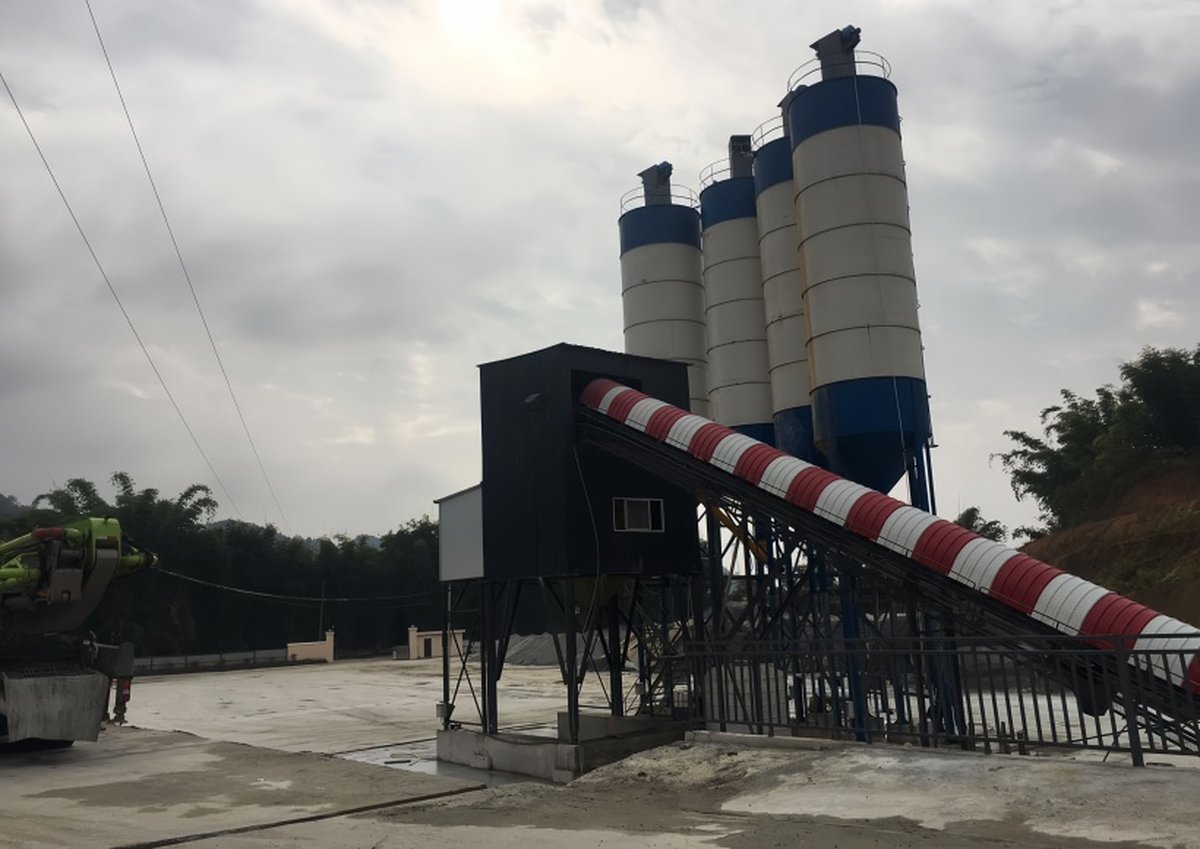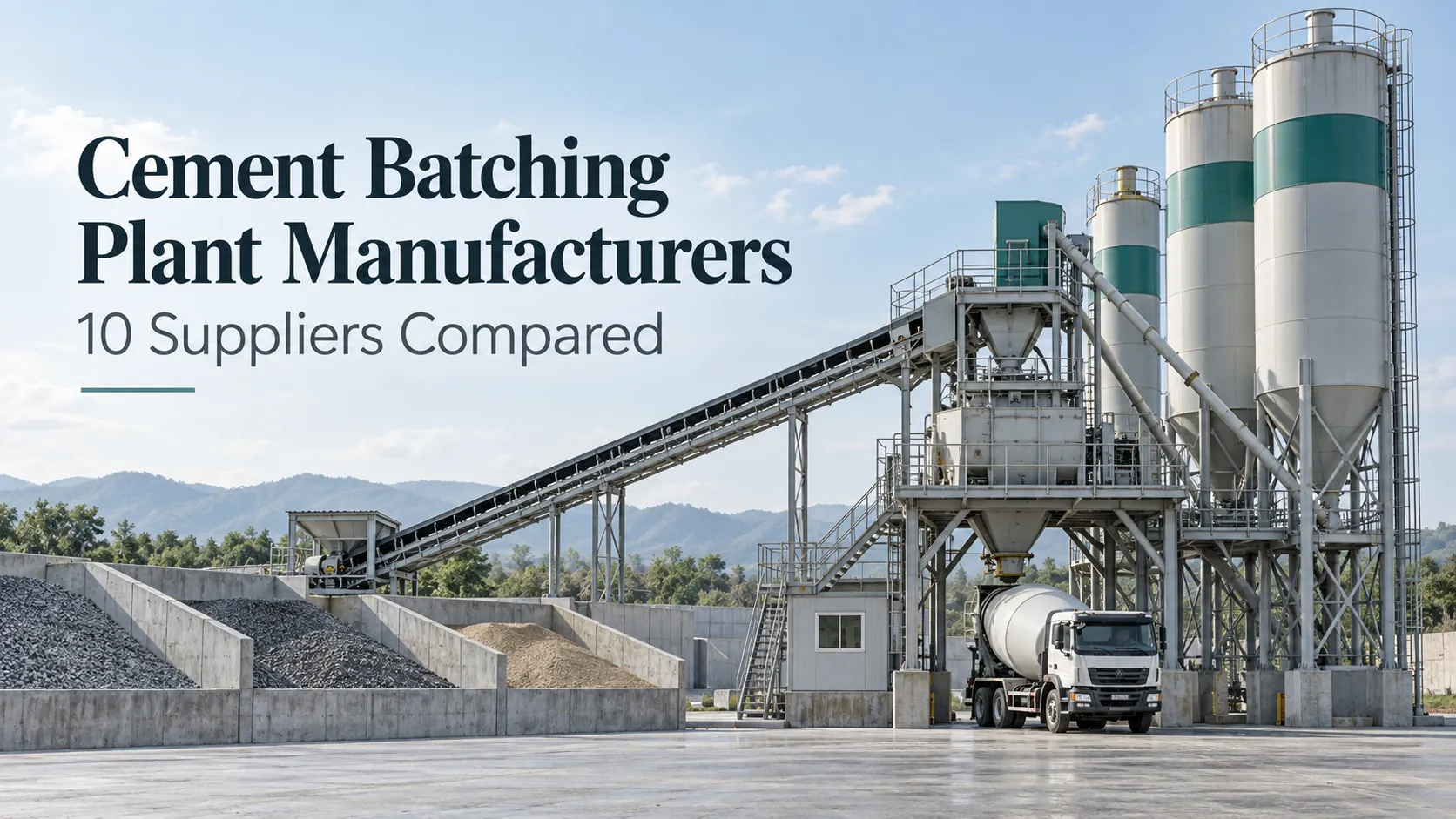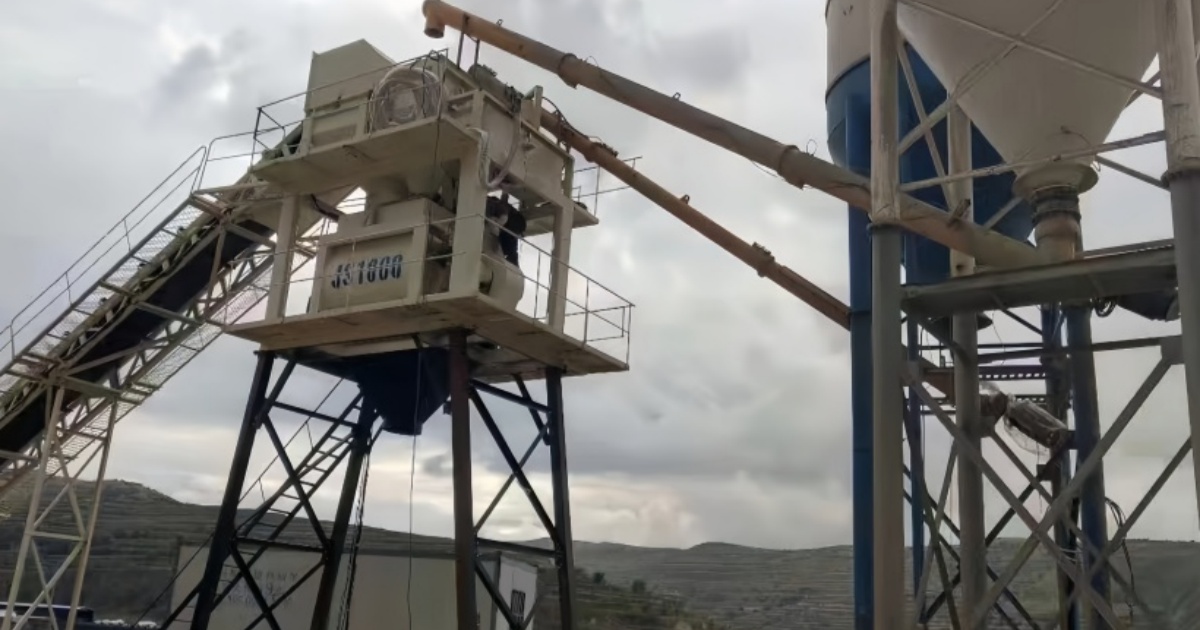


Linear projects — highways, railways, pipelines, water channels — share one concrete supply problem: the work face moves every few weeks, while a conventional batching plant is bolted to the ground. The mobile concrete batching plant exists to close that gap. It arrives on trailers, produces concrete on site, and moves with the project. This guide explains what a mobile concrete batching plant actually is, how it compares with a stationary plant on cost and time, where it earns its keep, and how to choose one that fits your contract.
What Is a Mobile Concrete Batching Plant?
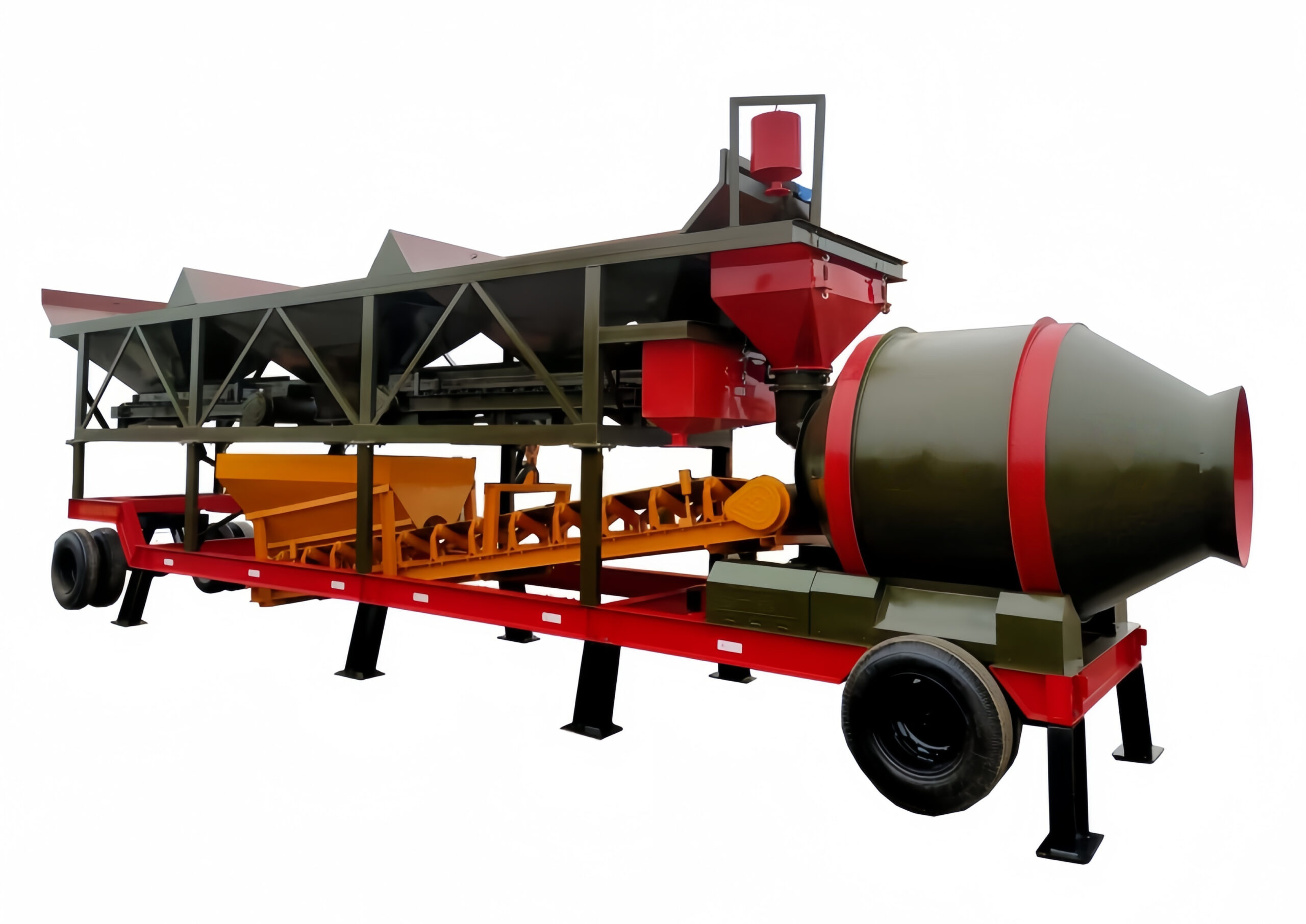
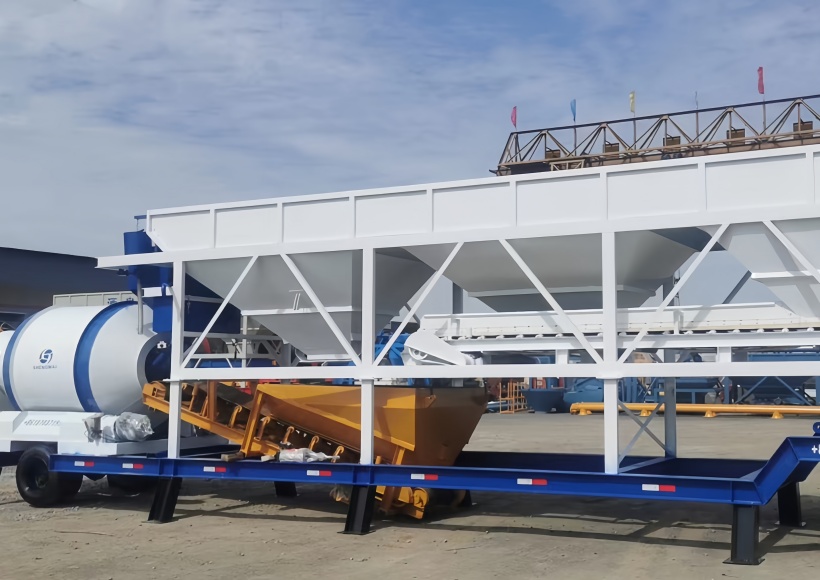
A mobile concrete batching plant is a complete batching and mixing system integrated onto trailer-mounted modules: aggregate batcher, weighing frame, inclined conveyor or skip, mixing drum, cement silo and control cabinet travel as one set. On arrival, the modules are levelled, pinned and interconnected; the plant is then ready to batch without casting concrete foundations or building a permanent yard. “Ready to use within days” is the practical meaning of the concept, not a marketing phrase.
Mobile vs Stationary: The Practical Difference
Both plant types produce concrete to the same quality when run to the same standards — the reference framework used by the American Concrete Institute applies to mobile and stationary equipment alike. The difference is where the money and time go. The table below is the comparison our engineers walk customers through before a purchase.
| Comparison Item | Mobile Batching Plant | Stationary Batching Plant |
|---|---|---|
| Site foundation | None required; levelled pads only | Concrete foundations and civil works needed |
| Installation time | 1–3 days, operational within 24–72 hours | Weeks, weather and labour dependent |
| Relocation | Transport as modules; redeploy for the next project segment | Dismantle, move, re-erect — costly and slow |
| Fixed infrastructure cost | Eliminated | Full investment required |
| Equipment utilisation | Moves with the work face, stays productive | Serves one site; idle when work moves away |
| Typical application | Highway, railway, pipeline, remote and temporary projects | Urban ready-mix, high-output fixed production bases |
For contractors who have run both, the single biggest difference is calendar time: a mobile unit is producing concrete in days while a stationary installation is still pouring foundations.
Where a Mobile Plant Earns Its Keep
A mobile concrete batching plant pays back fastest on projects with a moving work face or a temporary production window:
- Highway and railway corridors: concrete for bridges, culverts and pavements is produced at the segment being built, cutting haul distance and concrete quality loss in transit.
- Remote and mountainous sites: modules travel where a fixed yard cannot be built economically, and no large foundation work is needed.
- Temporary and campaign projects: when the job has a defined end date, the plant moves on instead of being written off.
- Emergency and repair works: rapid deployment within days keeps recovery schedules on track.
- Overseas and start-up projects: containerised, modular transport simplifies customs handling and site set-up.
What the Numbers Say
Cost and schedule figures from our customers’ projects give a practical picture of what a mobile concrete batching plant changes. The percentages below are typical results recorded across recent projects, not theoretical claims.
| Performance Item | Typical Result with Mobile Plant |
|---|---|
| Installation and commissioning | 1–3 days; operational within 24–72 hours |
| Overall operating cost saving | Up to 30% versus a fixed-yard approach |
| Equipment relocation cost reduction | About 60% |
| Equipment utilisation improvement | Around 40% on multi-segment projects |
| Schedule impact | Projects report installation completed about 2 weeks earlier |
Read against a typical contract, these figures mean the mobile plant pays for its mobility every time the work face moves more than a short haul distance.
Key Components to Check When Buying
Not all mobile concrete batching plant offers are equal. When you compare proposals, check these components and options:
- Trailer chassis and axle rating: must match local road rules and site access for gross weight.
- Aggregate batcher: check hopper capacity and whether it suits the aggregate sizes on your job.
- Mixing system: drum mixer or twin-shaft forced mixer — forced mixing suits stiffer mixes and higher output.
- Cement silo arrangement: integrated or detachable silo, with dust collection and level monitoring.
- Environmental package: pulse dust collector, wastewater recovery and noise control for compliant operation.
- Control system: batching accuracy, production logging and remote monitoring capability.
If the project later grows beyond the mobile unit’s output, the sensible upgrade path is a higher-capacity stationary line — see our HZS50 concrete batching plant guide and the concrete batching plant range overview for that comparison.
Frequently Asked Questions
What is a mobile concrete batching plant?
It is a complete batching and mixing system mounted on trailer modules — batcher, conveyor, mixer, silo and controls — that can be transported, set up within days and moved to the next site without permanent foundations.
How is it different from a stationary batching plant?
A stationary plant needs concrete foundations and weeks of installation and stays on one site. A mobile plant needs no foundations, is operational in 1–3 days and relocates with the project.
How long does installation take?
Typically 1–3 days, with the plant operational within 24–72 hours depending on site access and crew size.
How much can a mobile concrete batching plant save?
Customers report up to 30% lower overall operating cost, about 60% lower relocation cost and around 40% better equipment utilisation compared with fixed yards.
What projects suit a mobile batching plant?
Highway and railway corridors, pipelines, remote and mountainous sites, temporary campaign works, emergency repairs and overseas projects with moving work faces.
Does mobile equipment meet environmental requirements?
Yes. Standard packages include pulse dust collection, wastewater recovery and noise control, which keep operation compliant with modern site and emission codes.
Final Takeaway
For any contract with a moving work face or a temporary production window, a mobile concrete batching plant turns transport and downtime into working days. It removes foundation work, compresses commissioning to days, and follows the project instead of anchoring it to one yard. Send Tongxin Machinery your project type, daily concrete output and site access conditions, and we will match a mobile or stationary solution to the actual numbers of your contract.