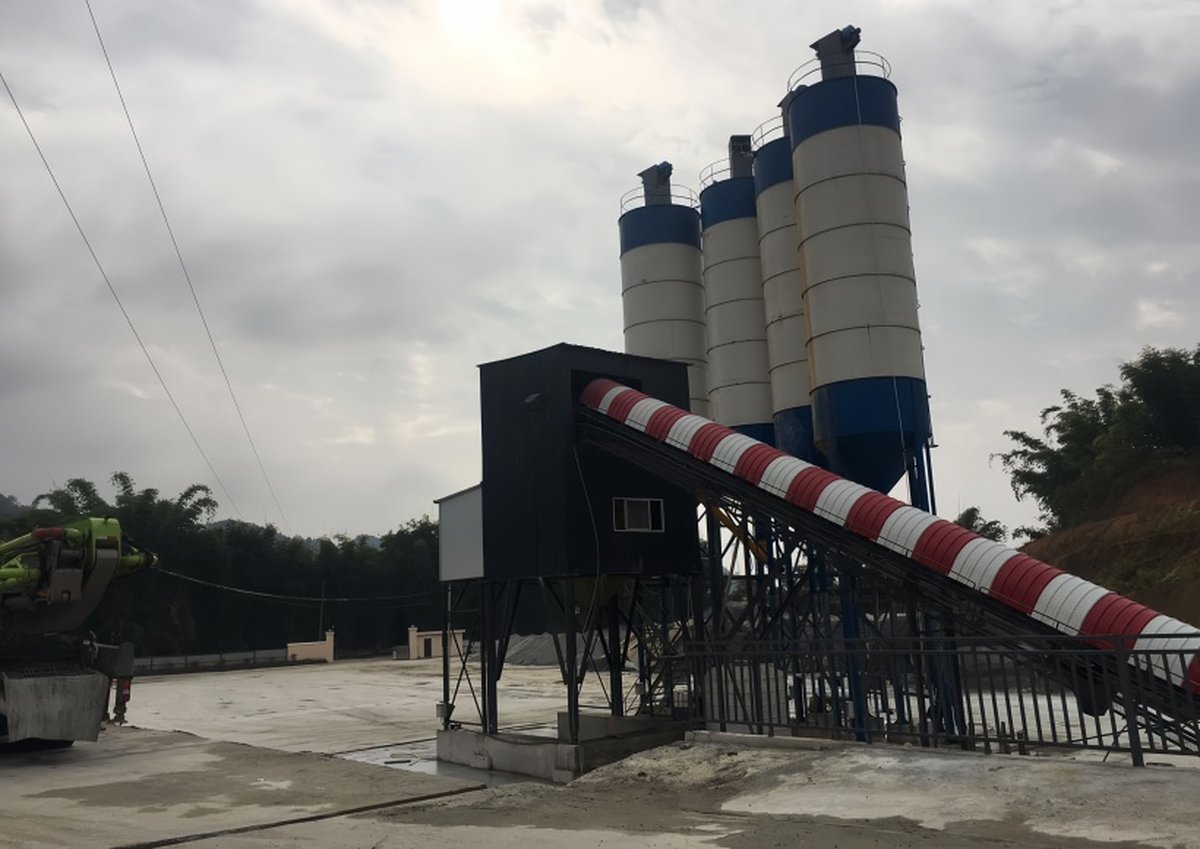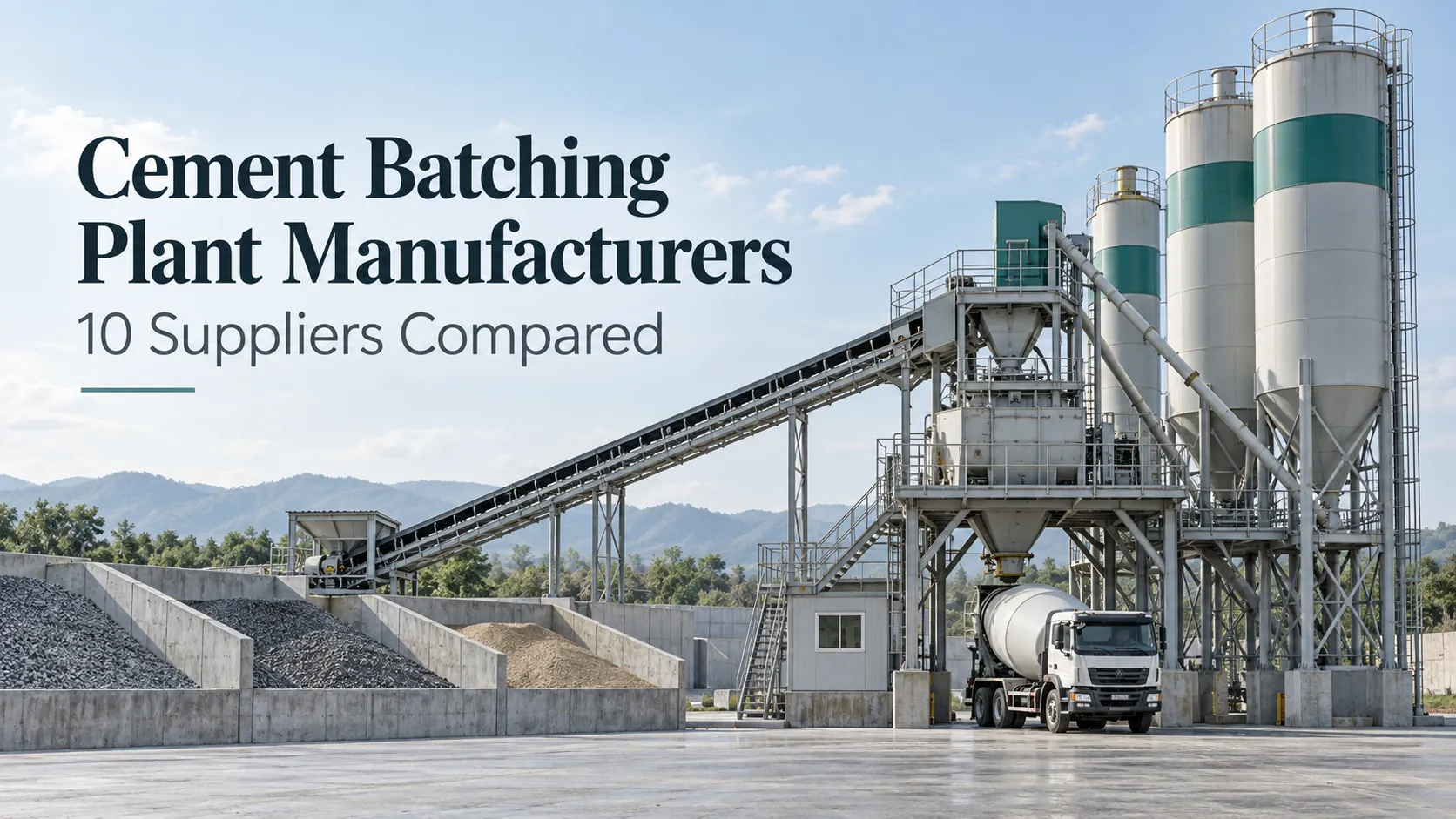


The HZS50 concrete batching plant occupies a position that many contractors only appreciate after comparing bids side by side: it produces enough concrete for mid-size infrastructure and commercial projects without the capital outlay and site footprint of a 90 or 120 plant. In nearly thirty years of supplying mixing equipment for road, bridge and commercial concrete work, we have watched this 50 m³/h class become the default choice for rural highway contractors, small ready-mix suppliers and precast yards that need dependable output, not oversized capacity.
This guide explains the real configuration of an HZS50 concrete batching plant, the factors that actually move its price, and the selection points our engineers discuss with buyers every week. Everything below comes from field experience rather than catalogue copy.
Core Configuration of the HZS50 Concrete Batching Plant
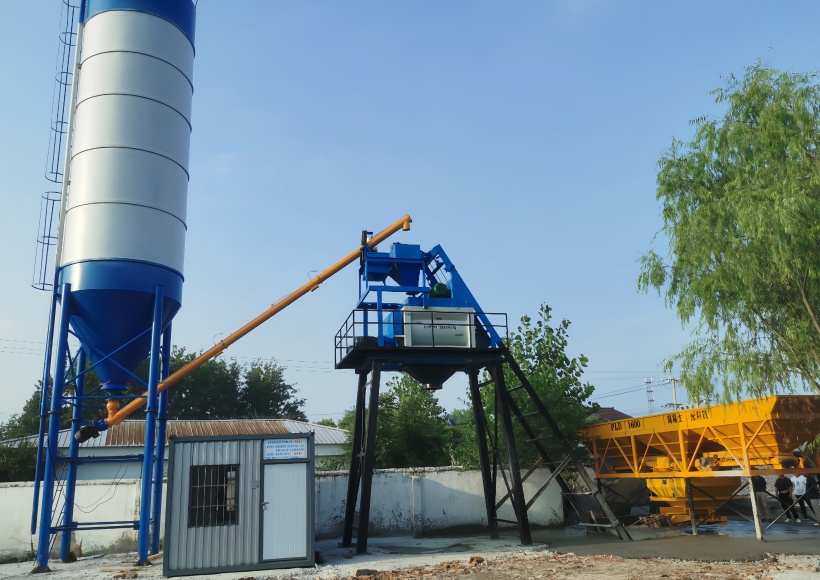
A complete HZS50 concrete batching plant is assembled from three major systems: mixing, batching and control. The table below shows the standard build Tongxin Machinery supplies, with the same component choices our engineers recommend for typical 50 m³/h projects.
| System | Standard Specification | Role in the Plant |
|---|---|---|
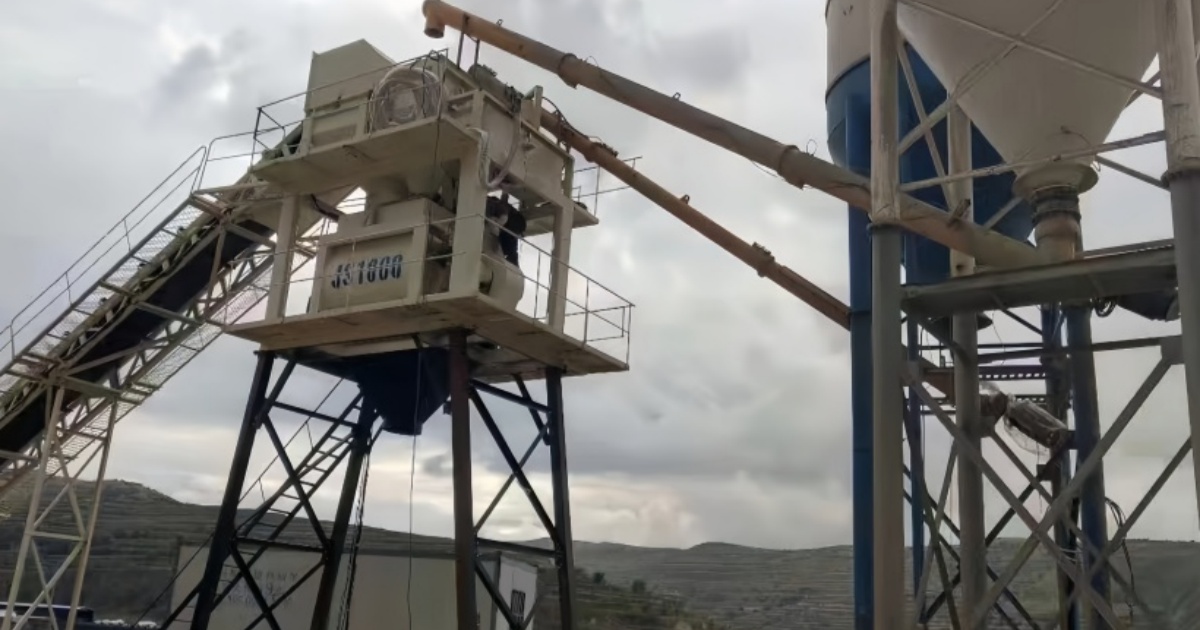
| Mixing system | JS1000 twin-shaft forced mixer | Produces one batch per cycle; the workhorse behind the 50 m³/h theoretical output |
| Batching system | PLD1600 batching machine, 2–4 bin configurations | Weighs aggregates before feeding; aggregate accuracy ±2% |
| Cement & powder feeding | Screw conveyors with optional cement silo | Delivers cement and fly ash to the mixer; cement accuracy ±1% |
| Control system | Fully automatic PLC control | Recipe storage, real-time production data and fault self-diagnosis |
| Discharge height | 2.7 m / 3.8 m optional | Matches mixer truck or concrete pump feed height on site |
| Feeding method | Hopper or belt conveyor | Selected according to material yard layout and budget |
Cement silo capacity, conveyor length and a pulse-jet dust removal system can all be customised to match project-specific requirements. The result is a plant that fits the production process instead of forcing the process to fit the plant. If your project is likely to grow, it is worth reading our HZS75 concrete batching plant comparison before finalising the purchase.
Technical Highlights That Matter on Site
Two numbers tell most of the story about this equipment class. Aggregate measurement accuracy of ±2% and cement measurement accuracy of ±1% mean the mix design is respected batch after batch — the same quality-control expectation that guides ready-mix practice under ACI standards — which is exactly what quality control inspectors look for on road and bridge projects. The fully automatic PLC control system adds three practical benefits:
- Recipe storage and recall, so switching between mix designs takes seconds rather than re-tuning the plant
- Real-time production data recording that supports daily output reports and material reconciliation
- Fault self-diagnosis that shortens downtime by flagging issues before they become breakdowns
Optional remote monitoring lets the site manager check equipment status from a phone, which is particularly useful when the plant runs on a site far from the office.
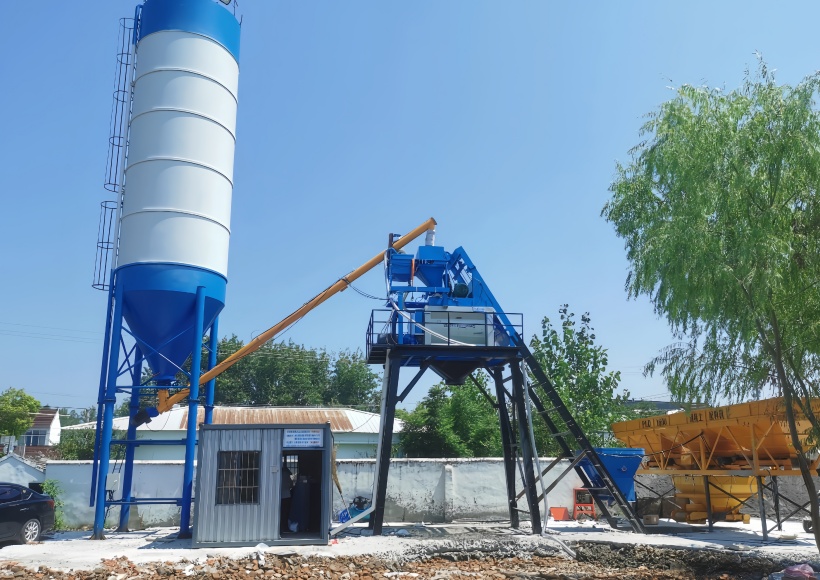
HZS50 Concrete Batching Plant Price: What Drives the Cost
The reference price for the basic HZS50 concrete batching plant is around ¥330,000, but almost no two quotes end up identical. The table below lists the factors our customers actually negotiate over.
| Price Factor | How It Affects the Quote |
|---|---|
| Automation level | Higher automation (full PLC, remote monitoring) raises the price proportionally |
| Component selection | Cement silo capacity, conveyor specification and mixer options change the bill significantly |
| Customisation needs | Special site adaptation solutions, such as high discharge or compact layout, add engineering cost |
| After-sales scope | Installation guidance, training and spare parts packages vary between suppliers |
Our advice to buyers is simple: compare configuration, not just headline price. A slightly higher quote that includes a larger silo or better control hardware often pays for itself in the first year of operation. The same logic applies one step up the range — our HZS90 power system guide shows how configuration choices keep affecting operating cost at larger scale.
Selection Recommendations for Your HZS50 Plant
When choosing an HZS50 concrete batching plant, work through these three questions in order:
- Project scale and timeline — confirm that 50 m³/h theoretical output (roughly 40–45 m³/h in real production) covers your peak demand, and that the delivery and installation schedule fits the project plan.
- Site conditions — check available footprint, material yard layout, discharge height needed for mixer trucks, and local environmental requirements such as dust control.
- Budget and return on investment — weigh the initial purchase against operating cost; a plant sized to the project avoids both over-investment and costly capacity shortfalls.
It is also worth evaluating the supplier on qualifications and industry experience, equipment parameters and warranty policy, and after-sales response. With decades of professional experience and hundreds of completed cases, Tongxin Machinery supports buyers through free equipment selection analysis, so you can confirm the configuration before committing.
Frequently Asked Questions About the HZS50 Concrete Batching Plant
Q1: What is the HZS50 concrete batching plant used for?
A1: It is a medium-sized concrete production plant with a theoretical output of 50 m³/h, widely used for rural highway construction, small ready-mix supply, precast yards and mid-size infrastructure projects that need dependable output with a moderate investment.
Q2: What are the key components of an HZS50 plant?
A2: Three major systems: a JS1000 twin-shaft forced mixer, a PLD1600 batching machine supporting 2–4 bin configurations, and a fully automatic PLC control system. Cement silos and screw conveyors can be customised.
Q3: How much does an HZS50 concrete batching plant cost?
A3: The reference price for the basic configuration is around ¥330,000. The final quote depends on automation level, component selection and customisation needs.
Q4: How accurate is the batching system?
A4: Aggregate measurement accuracy is ±2% and cement measurement accuracy is ±1%, which keeps mix designs stable and supports passing quality control inspection.
Q5: What after-sales support does Tongxin Machinery provide?
A5: We offer 24-hour technical response, installation and commissioning guidance, operator training, remote monitoring support and expedited supply of genuine wear parts.
Q6: How should I choose a reliable concrete batching plant manufacturer?
A6: Evaluate qualifications and industry experience, equipment performance parameters and warranty policy, and after-sales network response speed. Tongxin Machinery’s consultants provide free equipment selection analysis before purchase.
If you are planning a new concrete batching plant project or want to compare the HZS50 with larger models, contact Tongxin Machinery for a configuration proposal and exclusive quotation. Our engineers will help you match the plant to your actual production needs.
If your project moves between sites — highways, railways, pipelines or temporary works — a transportable alternative may fit better. See our guide on the mobile concrete batching plant for the comparison.