









1. Basis for theoretical production capacity calculation
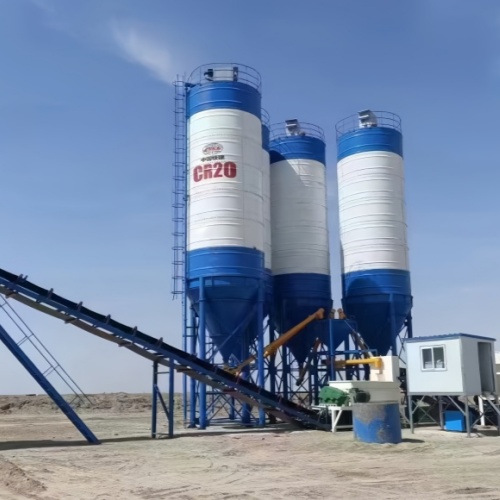
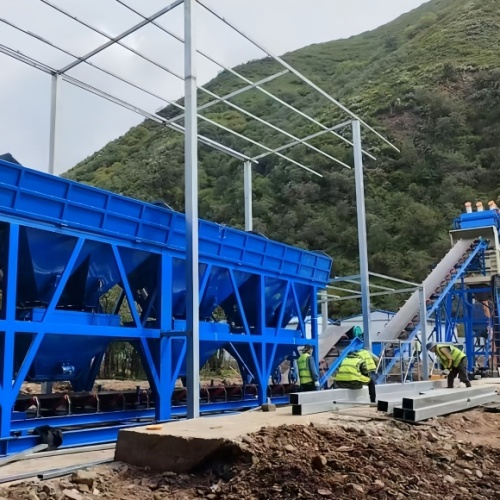
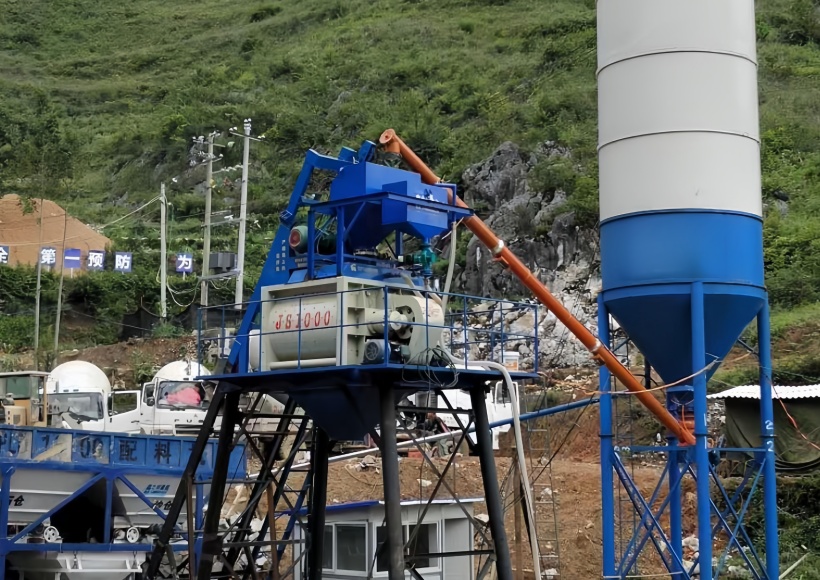
As the mainstream choice for small and medium-sized engineering projects, the nominal production capacity of HZS50 concrete mixing plant is 50 cubic meters/hour. This theoretical value is calculated based on the following ideal conditions:
Core configuration parameters:
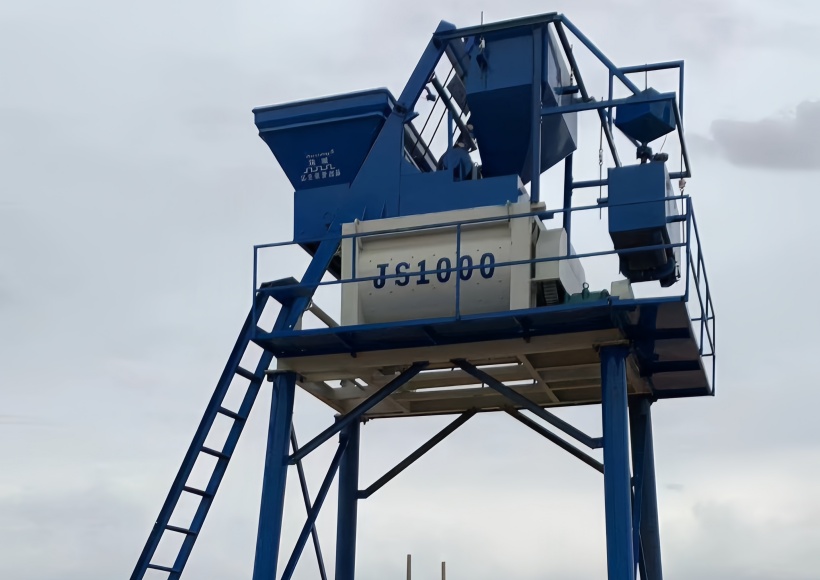
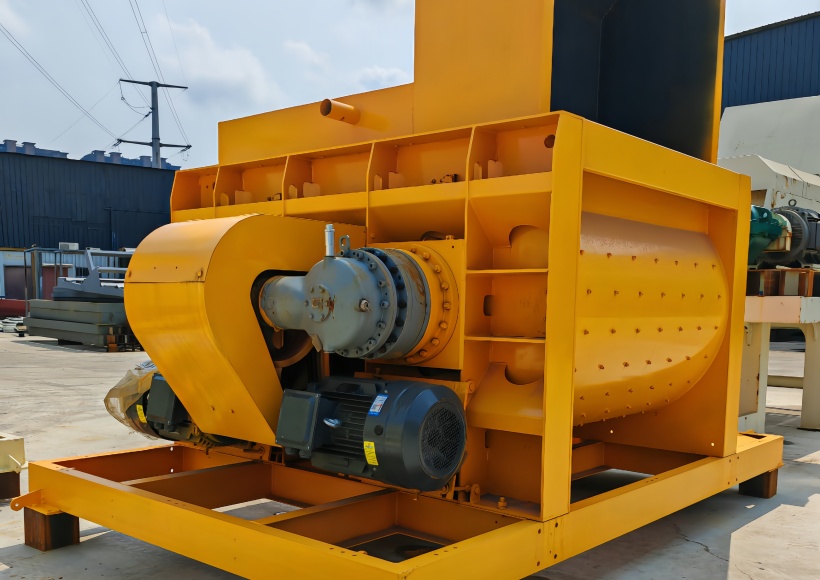
– Main unit model: JS1000 twin-shaft forced mixer
– Discharge volume: 1000 liters (1 cubic meter)
– Working cycle: 72 seconds/time
– Theoretical number of cycles: 50 times/hour
– Theoretical maximum production capacity: 50 cubic meters/hour
However, in actual production environments, this theoretical value is often difficult to achieve. The main reasons are analyzed as follows.
2. Analysis of key factors affecting actual production capacity
(1) Equipment operating load optimization
In order to ensure long-term stable operation of equipment and avoid excessive wear, most companies adopt a load reduction operation strategy:
| Operation Mode | Each production | Cycles per hour | Theoretical production capacitym³/h | Applicable Scenarios |
| fully loaded | 1.0 m³ | 50次 | 50 | Short-term peak production |
| Optimize load | 0.9 m³ | 50次 | 45 | Conventional production |
| Light load | 0.8 m³ | 50次 | 40 | Conservative production |
(2) Impact of transport scheduling efficiency
Concrete tanker scheduling is a key factor affecting production capacity:
– Loading time: 3-4 minutes per truck on average
– Vehicle turnover time: including the entire process of entering the site, weighing, loading, and leaving the site
– Scheduling gap: The gap between vehicle connections is approximately 1-2 minutes
– Actual effective production time: Therefore, it is shortened to 45-50 minutes per hour
(3) Summary of other influencing factors
| Factor Category | Specific impact | Expected capacity loss |
| Raw material supply | Loading Delay | 5% |
| Equipment maintenance | Downtime and cleanup time | 5-15% |
| Personnel Operation | Collaboration efficiency and operational capabilities | 3-8% |
| Seasonal factors | Effects of temperature and humidity | 2-5% |
3. Actual production capacity statistics
| Production conditions | Hourly output range | Daily output (8 hours) | Applicable situations |
| Ideal state | 40-45 m³/h | 320-360 m³ | New equipment, optimized scheduling |
| Conventional production | 30-35 m³/h | 240-280 m³ | General construction conditions |
| Inefficient state | 20-25 m³/h | 160-200 m³ | Aging equipment and insufficient management |
4. Capacity optimization plan and implementation effect
(1) Equipment optimization plan
– Upgrade the mixing system
– Use high-performance reducers to shorten production time to 65 seconds
– Install a mixing blade monitoring system to reduce downtime
– Expected effect: Increase production capacity by 10-15%
– Improve the conveying system
– Optimize the belt conveyor speed and shorten the loading time
– Expected effect: Increase production capacity by 5-8%
(2) Production management optimization
– Vehicle dispatch system
– Implement an appointment loading system
– Establish a real-time vehicle monitoring platform
– Optimize on-site traffic flow
– Expected effect: Reduce waiting time by 30%
– Production plan optimization
– Implement prefabrication production plan
– Establish an inventory warning mechanism
– Expected effect: Increase equipment utilization by 20%
(3) Personnel training and automation
– Professional skills training for operators
– Introduce an automated control system
– Implement a preventive maintenance system
– Expected effect: Improve overall efficiency 15-20%
5. Conclusion and Recommendations
Actual Capacity Range:
– Ideal Optimization: 40-45 cubic meters/hour
– Standard Production Level: 30-35 cubic meters/hour
– Minimum Guaranteed Capacity: 25 cubic meters/hour
Upgrade Recommendations:
1. Short-Term Optimization: Focus on improving the dispatching system and maintenance management to increase capacity by 15-20%.
2. Medium-Term Planning: Upgrade equipment technology to increase capacity to 35-40 cubic meters/hour.
3. Long-Term Development: If demand continues to grow, it is recommended to consider upgrading to an HZS75 unit or adopting a dual-station parallel configuration.
Notes:
– Capacity increases should be based on the safe operation of the equipment.
– Supporting factors such as power expansion and site constraints should be considered.
– A professional evaluation is recommended before developing a customized upgrade plan.
Through Tongxin Machinery‘s technological upgrades, the HZS50 concrete batching plant can achieve efficient operation close to its theoretical capacity, creating greater economic benefits for ready-mixed concrete companies.