

Concrete Batching Machine
Tongxin Machinery
Concrete Batching Machine
TXMixing PLD concrete batching machines weigh and proportion sand and gravel for concrete production. Explore aggregate batching equipment for new mixing lines and existing plant upgrades, with configurations selected around your materials, mixer capacity and site layout. Share your production requirements to discuss a suitable batching and feeding arrangement.
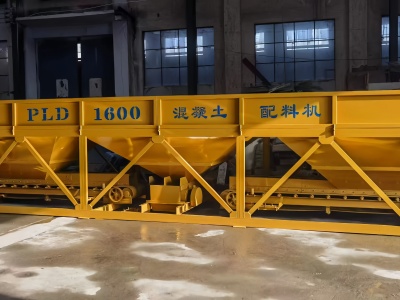
PLD Concrete Batching Machines for Aggregate Weighing
Consistent concrete production starts with controlled aggregate proportions. A PLD concrete batching machine stores sand and gravel in separate bins, weighs the required quantities and transfers the batched materials towards the mixer.
For buyers sourcing an aggregate batcher, the key is matching the equipment to the concrete recipe, mixer demand and available space. Bin count alone does not determine whether a machine will suit your production line.
TXMixing supplies PLD batching equipment alongside concrete mixers and complete plant systems. Whether you are planning a new installation or replacing an existing batcher, start with the materials and production cycle the equipment needs to handle.
Configure Your Aggregate Batcher Around Your Production Needs
Separate Storage for Different Aggregates
Different sand and gravel grades need separate storage before weighing. Choose the number of compartments around the materials used in your recipes, with allowance for any additional grades you expect to introduce.
Storage volume also matters. Consider how frequently a loader can replenish each bin without interrupting production.
Weighing to Your Mix Recipe
The weighing system measures aggregate quantities according to the selected recipe. When comparing configurations, check the weighing arrangement, operating range and stated accuracy conditions.
Cumulative and individual weighing systems use different equipment layouts and batching sequences. The appropriate choice depends on your production requirements and the complete plant configuration.
Feeding That Fits Your Mixer
The batcher needs to deliver material at the right height and within the required cycle. Conveyor layout, transfer distance and the receiving equipment all affect how the batching system fits into your line.
For an upgrade, check these interfaces before choosing a replacement machine.
How to Choose a Concrete Batching Machine
Select the batcher as part of the production system. A larger unit will not necessarily increase output if the mixer, transfer equipment or material replenishment cannot keep pace.
| Selection Factor | What to Check |
|---|---|
| Aggregate types | Identify the sand and gravel grades that need separate bins. |
| Storage capacity | Match bin storage to material consumption, loader access and replenishment frequency. |
| Weighing capacity | Confirm the aggregate mass required per batch and the suitable working range of the weighing system. |
| Weighing arrangement | Compare cumulative and individual weighing against the required batching sequence. |
| Production cycle | Allow for weighing, discharge and transfer time as well as the mixer cycle. |
| Feeding layout | Check discharge height, conveyor route and the connection to the mixer or skip hoist. |
| Controls and power | Confirm the power supply and communication requirements between the batcher and the rest of the plant. |
Keep storage volume, weighing capacity and finished concrete output separate when comparing specifications. These describe different parts of the process and should not be treated as interchangeable ratings.
Adding a Batching Machine to an Existing Concrete Plant
A new aggregate batching machine may be suitable for an existing line, but capacity matching is only the starting point. Physical connections and control compatibility also need to be reviewed.
To assess the installation, prepare:
- Mixer details: Make, model, batch capacity and typical production cycle.
- Material requirements: Aggregate grades and the quantity of each material required per batch.
- Layout information: Available footprint, loading access, discharge height and transfer route.
- Control information: Existing control panel details and available wiring diagrams.
- Site photographs: Clear views of the batcher location, receiving equipment and surrounding access.
For a new installation, explore our concrete batching plants to consider aggregate batching alongside mixing, powder storage and the wider production layout.
What Affects Concrete Batching Machine Price?
Concrete batching machine price depends on the equipment configuration and the scope of supply. Compare quotations for the same requirements to understand what each offer includes.
| Quotation Item | Details to Confirm |
|---|---|
| Batching unit | Model, bin quantity, storage volume and weighing arrangement. |
| Transfer equipment | Included belts, conveyors, supports and discharge components. |
| Electrical system | Control panel, sensors, cabling and integration responsibilities. |
| Installation | Foundation information, assembly requirements and commissioning scope. |
| Delivery and support | Packing, freight terms, documentation, spare parts and warranty conditions. |
A quotation for the batching unit alone may exclude equipment needed to connect it to your mixer. Define the supply boundary before comparing the total cost.
Concrete Batching Machine FAQs
What is the difference between a concrete batching machine and a concrete batching plant?
A PLD concrete batching machine handles aggregate storage, weighing and proportioning. A concrete batching plant combines aggregate batching with other systems, such as cement dosing, water and admixture dosing, material transfer and controls. Depending on the plant type, it also includes a mixer.
Choose a standalone batcher when you need the aggregate batching section. Consider a complete plant when you need a coordinated concrete production system.
How many aggregate bins do I need?
Use the number of materials that must be stored separately as your starting point. For example, one sand grade and two gravel grades require three separate storage compartments.
Also consider recipe changes and replenishment requirements. More bins provide additional storage separation, but increase the space and equipment involved.
What is the difference between cumulative and individual weighing?
Cumulative weighing adds materials sequentially into a shared weighing hopper. Individual weighing uses separate weighing units for different aggregates.
Compare the complete batching sequence, working capacity and maintenance access. The number of storage bins alone does not tell you which weighing arrangement a machine uses.
Can a PLD batching machine work with my existing concrete mixer?
It may be possible after checking the mixer demand, transfer arrangement and controls. Matching model names or nominal capacities is not enough to confirm compatibility.
Provide the mixer specifications, discharge height, layout and control information so the connection requirements can be assessed before ordering.
Can an aggregate batching machine also weigh cement?
Do not assume that a standard aggregate batcher can handle cement. Sand and gravel batching and cement dosing have different storage, feeding and dust-control requirements.
For a complete production line, review the cement storage silo and screw conveyor requirements alongside the cement weighing system.
Find the Right Batching Configuration for Your Project
Tell Tongxin Machinery which aggregates you use, your mixer model, target output, and project location. For an existing line, include photographs or a simple layout showing the available installation space.
These details help define the batching unit, transfer arrangement, and equipment scope needed for a relevant quotation.
Find the Right Mixing Plant for Your Project
Tell us what you need to produce, your target output and where the plant will operate. Our team can help you explore equipment configurations, layout options and pricing.
Built Around Your Project
Equipment and plant layouts tailored to your materials, output requirements and available space.
Precision Manufacturing
Laser cutting and robotic welding support component accuracy and consistent fabrication quality.
Proven Project Applications
Equipment supplied for railway tunnels, mountain expressways and overseas infrastructure projects.
Support Beyond Delivery
Installation, commissioning and maintenance support to help you set up and operate your plant.
Discuss Your Plant Requirements
Whether you have a model in mind or are still comparing options, share a few project details to start the conversation.
Not sure which model to choose? Describe your application, and we can discuss the options with you.
Do You Have Any Questions!
- +86 135 9266 6878
- info@txmixing.com
- Room 401, Building 9, No. 1187 Kexue Avenue, Shangjie District, Zhengzhou, Henan 450041, China