

Stabilized soil mixing station
Tongxin Machinery
Stabilized soil mixing station
Explore TXMixing WBZ stabilized soil mixing plants for road base and subbase production. Compare continuous mixing configurations around your materials, binder requirements, target output and site layout. Share your project specification and delivery schedule to discuss a plant that coordinates aggregate feeding, binder dosing, water addition and finished-material loading.
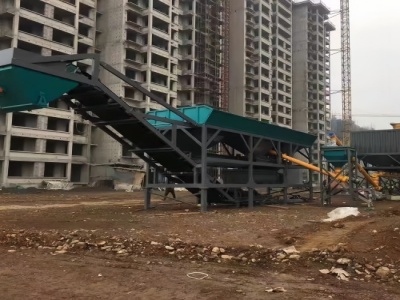

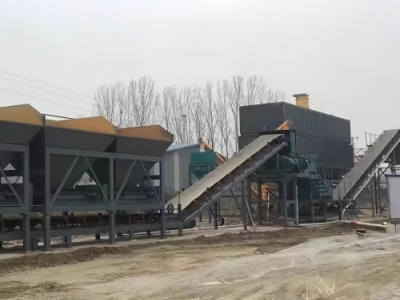
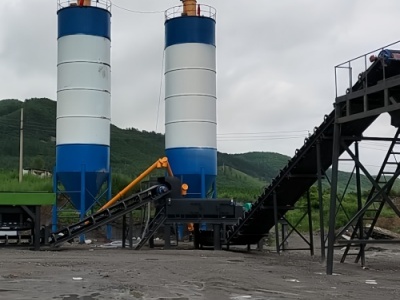
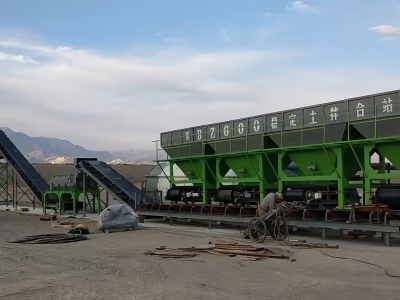
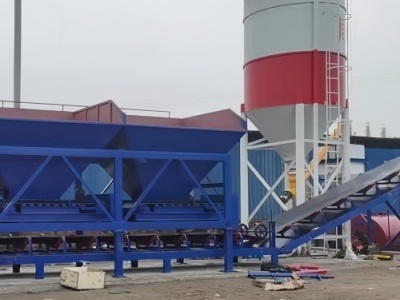
Stabilized Soil Mixing Plants for Road Base Production
A stabilized soil mixing plant combines suitable soil or graded aggregates with water and a specified binder to produce material for base and subbase construction. Its role is to prepare a consistent mixture that can be transported, placed and compacted according to the project requirements.
TXMixing WBZ stabilized soil mixing stations use continuous mixing. Material feeding, binder dosing and water addition need to work together throughout production—not simply reach a high output figure in isolation.
Explore the models above, then select a configuration around your approved mix design, daily material requirement and site logistics.
Keep Production Aligned with Your Construction Schedule
Maintain Supply to the Paving Operation
A high-capacity plant does not prevent delays if loaders cannot replenish the bins or trucks cannot remove the finished material quickly enough.
Plan the production rate alongside truck payloads, haul distance, turnaround time and the receiving operation. The aim is a steady supply that the site can place and compact within the project’s specified working window.
When comparing plants, distinguish rated mixing capacity from the sustained output achievable with your materials and delivery arrangement.
Keep Binder Proportions Consistent
Changes in aggregate flow can affect the binder proportion if the feeding systems are not coordinated. This is particularly important when production rates change or a material bin runs low.
Review how aggregate and binder feed rates are measured, calibrated and adjusted. Ask which alarms, production records and control functions are included in the proposed configuration.
Increasing binder dosage is not a substitute for correcting inconsistent feeding or following the approved mix design.
Manage Changes in Material Moisture
Stockpile moisture can change after rain or between deliveries. Keeping the same water setting despite those changes can produce material that is too wet or too dry for the intended compaction process.
Define how incoming moisture will be checked and how added water will be adjusted. Confirm whether adjustments are manual or supported by the proposed control system; automatic moisture correction should not be assumed.
How to Choose a Stabilized Soil Mixing Plant
Start with the road-base specification and construction programme. These determine the material handling, dosing and production requirements the plant must meet.
| Selection Factor | What to Confirm |
|---|---|
| Finished material | Identify whether you need cement-treated aggregate, stabilized soil or another specified base material. |
| Raw materials | Provide grading, maximum particle size, moisture condition and any tendency to form lumps or bridge in bins. |
| Binder requirements | Specify the binder type, dosage range and required storage and feeding arrangements. |
| Production demand | Calculate daily tonnage and the sustained hourly supply needed by the construction operation. |
| Aggregate bins | Match the number of compartments to the material fractions that must be stored and fed separately. |
| Water supply | Confirm available flow, storage and the method used to adjust water addition. |
| Site logistics | Allow for stockpiles, loader access, truck loading, circulation and maintenance. |
| Project duration | Establish whether the installation will remain in place or move between project sections. |
Choose capacity with allowance for realistic interruptions, including replenishment, calibration, cleaning and maintenance. Avoid selecting a model solely by its nameplate output.
Match the Plant to Your Materials and Site
Aggregate Feeding and Continuous Mixing
Consistent mixing starts with consistent material supply. Bin arrangement and feeding equipment should suit the aggregate fractions and their flow characteristics.
Sticky or lumpy material may require preparation before feeding. A plant suitable for graded crushed stone should not automatically be assumed to process untreated cohesive soil at the same rate.
Provide representative material information when discussing the mixer and feeding configuration.
Binder Storage and Transfer
Binder storage should support the planned consumption and delivery frequency. The feeding arrangement must also suit the continuous dosing duty.
Review cement storage silos and screw conveyors as part of the complete system. Material suitability, feed-rate control and installation interfaces should be confirmed for the selected binder.
Finished-Material Loading
Plan the discharge arrangement around the trucks serving the project. Check loading height, vehicle clearance and the route between the loading point and site exit.
For cement-treated material, coordinate production and transport with the specified placement and compaction limits. Producing material faster than the site can use it can create unnecessary waiting and waste.
Plan Installation and Relocation Before Ordering
For a temporary road project, relocation requirements should be part of the original equipment discussion. A compact or integrated layout does not automatically mean that no foundations, lifting equipment or site connections are needed.
Confirm:
- Site preparation: Ground conditions, foundations, drainage and access requirements.
- Utilities: Power supply, water storage and connection responsibilities.
- Transport: Module dimensions, shipping arrangements and destination restrictions.
- Assembly: Lifting access, installation sequence and required personnel.
- Restart after relocation: Alignment checks, electrical connections and dosing-system calibration.
- Maintenance access: Space to service feeders, belts, mixing components and discharge equipment.
Ask for a layout that includes the working area around the plant, not only the machinery footprint.
What Affects Stabilized Soil Mixing Plant Price?
The price depends on production capacity, material requirements and the equipment included. Compare proposals against the same project specification.
| Cost Area | Details to Compare |
|---|---|
| Feeding and mixing | Bin configuration, feeders, mixer and conveying equipment. |
| Binder system | Storage capacity, transfer equipment and dosing arrangement. |
| Water and controls | Water supply components, control functions and monitoring options. |
| Site works | Foundations, stockpile areas, roads, drainage and utility connections. |
| Environmental provisions | Dust-control equipment and measures required by the project location. |
| Delivery and support | Freight, installation, commissioning, training and spare-parts scope. |
Separate the equipment price from the total installed cost. Where relocation is expected, include dismantling, transport and recommissioning in the project budget.
Stabilized Soil Mixing Plant FAQs
What is the difference between a stabilized soil mixing plant and a concrete batching plant?
A stabilized soil mixing plant is configured for materials such as treated soil and stabilized aggregates used in base and subbase construction. The TXMixing WBZ range uses continuous mixing.
A concrete batching plant is configured for concrete production, with different requirements for recipes, weighing, mixing and discharge. The systems should not be treated as interchangeable without an engineering assessment.
Can the plant produce cement-treated base material?
It can be considered for this application when the aggregate feeding, cement dosing, water addition and mixing system suit the approved mix design.
Provide the material grading, cement content, moisture requirements and project specification. Finished-material acceptance also depends on material quality, transport, compaction and curing—not only the mixing plant.
What capacity do I need for a road construction project?
Start with the tonnage required each day and the hours available for effective production. Then check peak demand, truck availability and the pace of placement and compaction.
The plant should supply the construction operation consistently. Choosing a larger model will not solve a shortage of trucks, slow material replenishment or restricted site access.
Can the same plant handle soil, crushed stone and different binders?
Suitability depends on the properties of each material and the proposed equipment configuration. Cohesive soil, abrasive aggregate and different binders can place different demands on feeding, mixing and storage.
Provide material samples or test information where needed. Do not assume that every material can be processed at the same output or with unchanged settings.
How can I check mix quality during production?
Use a quality-control plan based on the project specification. This should address incoming material grading and moisture, dosing-system calibration, mixture sampling and the required laboratory or field tests.
Production records can help track changes, but control-system settings alone do not prove that the finished material meets the specified performance.
Discuss Your Road Base Production Requirements
Tell TXMixing your project location, required daily tonnage, raw materials and binder specification. Include the available site dimensions, haul distance and any relocation requirements.
If you are upgrading an existing operation, describe the main difficulty—irregular material flow, unstable moisture, insufficient output or delays in truck loading.
Output and station selection
WBZ stations are sized by road base production per shift. The WBZ300 and WBZ400 serve municipal road maintenance and small contracts, the WBZ500 and WBZ600 cover highway base layers and continuous paving, and the WBZ800 matches large projects that need steady supply through the season. The integrated machine suits sites with limited footprint.
Aggregate grading accuracy matters more than nominal output. Cement and fly ash dosing tolerance, moisture compensation and mixing time decide whether the base layer meets the density requirement. Review the WBZ600, WBZ500, WBZ800 and the integrated machine specifications before fixing the layout.
Find the Right Mixing Plant for Your Project
Tell us what you need to produce, your target output and where the plant will operate. Our team can help you explore equipment configurations, layout options and pricing.
Built Around Your Project
Equipment and plant layouts tailored to your materials, output requirements and available space.
Precision Manufacturing
Laser cutting and robotic welding support component accuracy and consistent fabrication quality.
Proven Project Applications
Equipment supplied for railway tunnels, mountain expressways and overseas infrastructure projects.
Support Beyond Delivery
Installation, commissioning and maintenance support to help you set up and operate your plant.
Discuss Your Plant Requirements
Whether you have a model in mind or are still comparing options, share a few project details to start the conversation.
Not sure which model to choose? Describe your application, and we can discuss the options with you.
Do You Have Any Questions!
- +86 135 9266 6878
- info@txmixing.com
- Room 401, Building 9, No. 1187 Kexue Avenue, Shangjie District, Zhengzhou, Henan 450041, China