
Stabilized Soil Mixing Station Integrated Machine
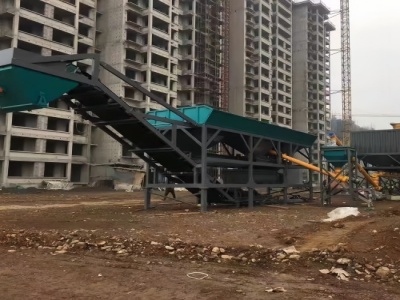

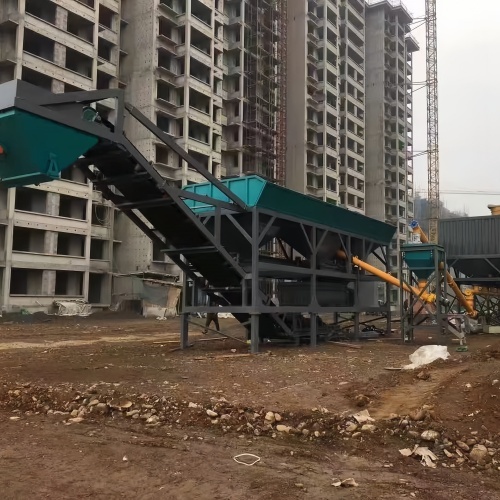
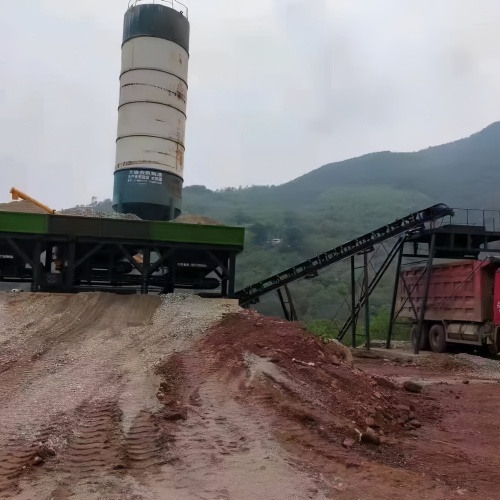


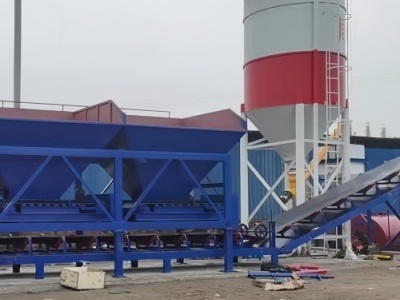
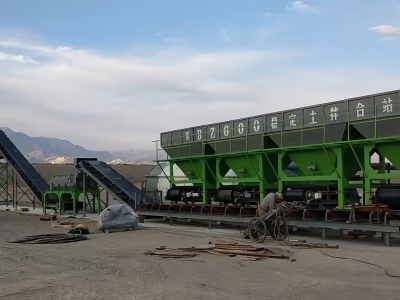
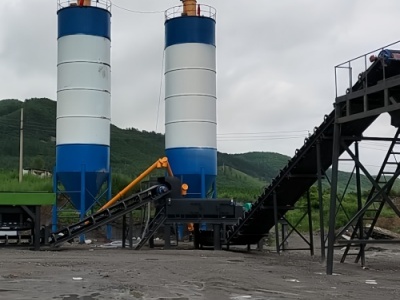
The TXMixing integrated stabilized soil mixing plant combines aggregate batching, conveying, mixing, automatic control and finished-material storage in a compact production layout. Built around a twin-shaft continuous mixing system, it is designed for producing stabilized soil and road base materials for highway construction, municipal roads and industrial projects. Its integrated arrangement is particularly suitable for sites where installation space, equipment layout and future relocation are important considerations.
How the Integrated Mixing Machine Is Built
Integrated Stabilized Soil Mixing Plant for Road Construction Projects
The TXMixing integrated stabilized soil mixing plant is designed for producing stabilized soil materials used in road construction and civil engineering projects. It brings the main production systems together within a compact equipment arrangement, combining aggregate batching, material conveying, mixing, automatic control and finished-material storage.
Unlike conventional layouts where major equipment sections are arranged separately across the site, this integrated design brings key production functions into a coordinated framework. It helps reduce the amount of on-site equipment arrangement and makes the production line easier to plan for projects with limited installation space.
Built around a twin-shaft continuous mixer, the plant coordinates aggregate, powder and water feeding throughout the production process. It is suitable for contractors and construction companies looking for an integrated solution for road base and stabilized soil material production.
Key Features of the Integrated Stabilized Soil Mixing Plant
Integrated Production Layout
The plant combines the batching system, conveying equipment, control system and finished-product silo within one coordinated structure. This reduces the need to arrange major production sections independently and helps simplify site planning.
For contractors working on temporary or space-constrained construction sites, an integrated arrangement can make equipment positioning and production workflow easier to organise.
Twin-Shaft Continuous Mixing
The mixing system uses a twin-shaft continuous mixer to combine aggregates, powder materials and water. The continuous mixing process allows materials to enter, mix and discharge as part of an ongoing production operation.
Consistent feeding is important throughout this process. Aggregate supply, binder dosing and water addition need to work together to maintain the required material proportions and mixing conditions.
Automated Production Control
The integrated plant uses a microcomputer-based automatic control system to coordinate material batching and mixing operations. Operators can manage the production process through the control system, with material proportions and operating settings adjusted according to project requirements.
The control arrangement helps bring the main production functions together, making it easier to manage material feeding and mixing as one coordinated process.
Compact Structure and Relocation Flexibility
The integrated framework is designed to occupy less installation space than a more dispersed equipment arrangement. Its compact structure and integrated layout also make it suitable for projects where equipment may need to be moved between different construction locations.
Actual relocation requirements depend on module dimensions, transport access, lifting arrangements, foundations and site connections. These details should be reviewed before ordering.
Accessible Equipment Maintenance
Routine maintenance remains important for continuous mixing operations. The product configuration incorporates accessible key components to support inspection and servicing.
Operators should pay particular attention to the mixing system, feeding equipment, conveying components and lubrication arrangements. Regular cleaning and inspection help identify material build-up and wear before they affect production.
Applications of the Integrated Stabilized Soil Mixing Plant
The integrated arrangement is particularly suitable for small and medium-sized construction projects where a coordinated production system and flexible site planning are important.
- Highway base construction: Producing stabilized materials for road base and subbase applications.
- Municipal road construction: Supporting road rehabilitation, expansion and new municipal infrastructure projects.
- Industrial plant construction: Supplying stabilized materials for site preparation and supporting infrastructure.
- Temporary construction projects: Providing an integrated production arrangement for projects with limited operating periods or changing site locations.
- Road reconstruction and expansion: Supporting construction operations where equipment layout and production planning need to adapt to project conditions.
The final material composition and production process should follow the approved project specifications.
Integrated vs Traditional Stabilized Soil Mixing Plants
When selecting a stabilized soil mixing plant, one important consideration is how the equipment is arranged on site.
A traditional plant may have its batching, conveying, mixing and storage sections positioned separately. This provides flexibility in arranging individual equipment components, but requires more attention to site layout and connections between production sections.
An integrated stabilized soil mixing plant brings these main functions together within a more compact framework. This can be useful when installation space is restricted or when a project requires greater flexibility in equipment deployment.
Neither arrangement is suitable for every project. Before choosing, consider:
- Available installation space: Compare the complete plant layout with the available working area.
- Project duration: Consider whether the equipment will remain at one location or move between construction sites.
- Production requirements: Match the batching and mixing arrangement to the approved material design and daily demand.
- Transport conditions: Review the dimensions and weight of transportable sections, lifting access and destination restrictions.
- Site preparation: Confirm foundation, drainage, electricity, water supply and other connection requirements.
A compact integrated design does not automatically mean foundation-free installation. The actual site preparation and transport arrangements should be confirmed with the manufacturer.
Equipment Configuration and Customisation
Different road construction projects require different material handling and storage arrangements. The integrated stabilized soil mixing plant can be configured according to the materials being processed and the production requirements of the project.
Configuration considerations include:
- Aggregate batching: Select a suitable bin arrangement according to the number of aggregate fractions used in the mix design.
- Powder storage: Review the required binder storage capacity and the number of powder silos.
- Dust collection: Consider suitable dust removal equipment according to the material handling process and project requirements.
- Water supply: Confirm the water supply arrangement and how water addition is controlled during mixing.
- Finished-material storage: Consider the receiving and loading arrangement for finished stabilized soil materials.
TXMixing can review powder silo quantities, dust removal equipment and other configuration requirements according to the project. The final equipment scope should be confirmed in the technical proposal.
How to Select an Integrated Stabilized Soil Mixing Plant
Before purchasing an integrated mixing plant, prepare the main project information so that the equipment configuration can be matched to the actual construction conditions.
Define the Required Production Capacity
Estimate the daily material demand and the hours available for effective production. Consider truck availability, material replenishment and the pace of road construction when selecting a suitable production configuration.
Confirm Raw Material Requirements
Provide information about aggregate grading, particle size, moisture conditions and the powder materials used in the approved mix design. Different materials may require different feeding and handling arrangements.
Review Site Dimensions and Transport Access
Share the available installation area, access roads and transport restrictions. For projects requiring relocation, ask for the dimensions and weight of each transportable section, together with the lifting and assembly requirements.
Check Control and Operating Requirements
Discuss the required automation level, production monitoring and operating procedures. Confirm which control functions are included in the proposed configuration.
Clarify Installation and After-Sales Scope
Before placing an order, clarify foundation requirements, installation responsibilities, commissioning arrangements, operator training and spare parts supply.
Related Stabilized Soil Mixing Equipment
If you are comparing different production arrangements, TXMixing also provides conventional WBZ stabilized soil mixing plants.
- WBZ600 Stabilized Soil Mixing Plant – For continuous stabilized soil production in larger construction operations.
- WBZ800 Stabilized Soil Mixing Plant – For large-scale road base and subbase material production.
- Bolted Cement Silo – For bulk powder storage within a material supply system.
- LSY Screw Conveyor – For enclosed transportation of cement and other suitable powder materials.
Explore the full range of stabilized soil mixing plants to compare available equipment configurations.
Frequently Asked Questions
What is an integrated stabilized soil mixing plant?
It is a production facility that combines aggregate batching, conveying, mixing, automatic control and finished-material storage within an integrated equipment arrangement. It is designed to simplify the overall production layout.
What is the difference between an integrated and traditional stabilized soil mixing plant?
The main difference is the equipment arrangement. An integrated plant combines major production functions within a compact framework, while a traditional arrangement may position individual sections separately. The appropriate choice depends on available space, project duration, transport conditions and production requirements.
What materials can this plant process?
The plant is designed to combine aggregates, powder materials and water to produce stabilized soil materials. Specific raw material suitability and proportions should be confirmed against the project mix design.
Can the integrated plant be relocated?
Its integrated and compact design makes it suitable for projects where relocation may be required. However, transport dimensions, lifting arrangements, foundation conditions and reconnection requirements need to be reviewed for each site.
Can the equipment configuration be customised?
Yes. The number of powder silos, dust removal equipment and other configuration details can be discussed according to project requirements.
Does the integrated plant require a foundation?
Site preparation depends on the selected configuration and installation conditions. An integrated design does not automatically eliminate foundation or lifting requirements. Ask for the installation layout and foundation details before preparing the site.
How do I select the right model?
Start with the daily production requirement, raw material characteristics, approved mix design and available installation space. Transport conditions and future relocation plans should also be included in the selection process.
Integrated design trades floor space for a tighter layout, and three pieces explain the trade: integrated stabilized soil plant design shows the footprint and cost gains, integrated versus traditional selection guide compares both layouts, and material grading in WBZ plants covers proportioning accuracy.
Integrated Mixing Machine Technical Specifications
| Technical Parameters | Specifications |
|---|---|
| Models | YWBZ300 / YWBZ400 / YWBZ500 / YWBZ600 |
| Production Capacity | 300–600 t/h |
| Mixing System | Twin-Shaft Continuous Mixer |
| Aggregate Batching System | 3–4 Types of Aggregates |
| Cement Silo Capacity | 100–150 t |
| Control System | Fully Automatic Control |
| Footprint | 18 × 8 m |
News and Field Notes on the Integrated Mixing Machine


Is the Integrated Mixing Machine Right for Your Project?
Tell us what you need to produce, your target output and where the plant will operate. Our team can help you explore equipment configurations, layout options and pricing.
Built Around Your Project
Equipment and plant layouts tailored to your materials, output requirements and available space.
Precision Manufacturing
Laser cutting and robotic welding support component accuracy and consistent fabrication quality.
Proven Project Applications
Equipment supplied for railway tunnels, mountain expressways and overseas infrastructure projects.
Support Beyond Delivery
Installation, commissioning and maintenance support to help you set up and operate your plant.
Discuss Your Plant Requirements
Whether you have a model in mind or are still comparing options, share a few project details to start the conversation.
Not sure which model to choose? Describe your application, and we can discuss the options with you.
Do You Have Any Questions!
- +86 135 9266 6878
- info@txmixing.com
- Room 401, Building 9, No. 1187 Kexue Avenue, Shangjie District, Zhengzhou, Henan 450041, China