

Concrete Batching Plant
Tongxin Machinery
Concrete Batching Plant
Explore TXMixing concrete batching plants for ready-mix production, precast manufacturing and construction projects. Compare plant configurations around your required output, concrete mix, material storage and site layout. From aggregate batching and mixing to cement storage and controls, discuss the equipment package that fits your production plan and installation conditions.


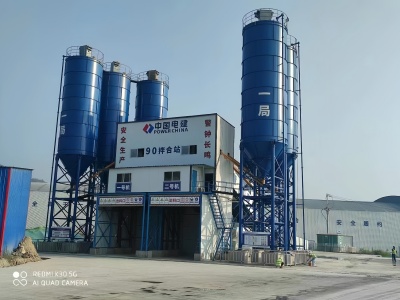

Concrete Batching Plants Built Around Your Production Requirements
A concrete batching plant brings material storage, weighing, feeding and mixing together in one coordinated production system. Choosing the right plant means matching these systems to the concrete you produce, the volume you need and the way materials and vehicles move through your site.
TXMixing supplies concrete batching plants and supporting equipment for new installations and production upgrades. Explore the models above, then compare the configuration, installation requirements and supply scope behind each option.
Choose a Concrete Plant for Your Application
Ready-Mix Concrete Production
For a ready-mix concrete plant, production needs to work alongside truck loading and dispatch. Consider peak delivery demand, the mix of concrete grades you supply and how quickly aggregates and cement can be replenished.
A suitable layout gives loaders, cement delivery vehicles and mixer trucks enough space to operate without obstructing one another.
Precast Concrete Manufacturing
For precast production, select the batching and mixing system around your concrete recipes, batch sizes and mould-filling schedule. The plant also needs a suitable method of transferring fresh concrete to the production area.
Discuss material characteristics, required mixing performance and any specialised dosing requirements before choosing the equipment.
Construction-Site Concrete Supply
For infrastructure and building projects, assess the daily concrete requirement alongside peak pouring demand. Site access, utility availability, material deliveries and the project duration all influence the choice of plant.
If relocation is part of the plan, include dismantling, transport and reinstallation requirements in the equipment discussion from the beginning.
How to Choose the Right Concrete Batching Plant
Start with your production plan rather than the largest model within budget. The plant needs sufficient capacity for busy periods, but storage, site works and operating requirements should remain proportionate to the project.
| Selection Factor | What to Consider |
|---|---|
| Required output | Estimate daily demand and peak hourly demand, including the time available for production. |
| Concrete specification | Identify the mix types, aggregate sizes, cementitious materials and admixtures you will use. |
| Mixer selection | Match batch size and mixing requirements to the production cycle and concrete application. |
| Aggregate batching | Select the number of bins, storage volume and weighing arrangement around your recipes. |
| Powder storage | Plan cement and supplementary material storage around consumption and delivery schedules. |
| Site layout | Allow for equipment, stockpiles, truck movement, loader access and maintenance. |
| Utilities | Confirm electrical supply, water availability, drainage and other installation requirements. |
| Project duration | Consider whether the plant will remain in one location or need to move between projects. |
Rated output is a comparison point, not a guaranteed site production rate. Actual output depends on the concrete recipe, batching and mixing cycle, material supply, discharge arrangements and operational interruptions.
Use the expected production cycle and available working hours to check whether a proposed plant can meet your demand.
Coordinate the Main Plant Systems
Aggregate Storage and Batching
The aggregate section stores and weighs sand and gravel before feeding the mixer. Bin quantity should reflect the materials that need separate storage, while capacity should suit replenishment frequency and batch demand.
Explore our concrete batching machines for the aggregate weighing section of your production line.
Concrete Mixing
The mixer should be selected around the concrete specification, batch volume and production schedule. Access for cleaning, inspection and replacement of wear parts also matters when planning the installation.
View our concrete mixers to review the mixing equipment available for your project.
Cement Storage and Feeding
Cement and other powder materials require suitable storage, transfer and weighing arrangements. Silo capacity, filling access and the conveyor route should be considered together.
Review our cement storage silos when planning the powder-handling section of the plant.
Weighing and Controls
Confirm how the proposed control system manages recipes, weighing sequences and equipment operation. Identify any requirements for production records, moisture correction, alarms or integration with existing systems.
The quotation should distinguish standard functions from optional features.
What Affects Concrete Batching Plant Price?
Concrete batching plant price depends on more than rated capacity. Two plants with similar output ratings may include different storage capacities, feeding systems, controls and installation services.
Compare quotations against a clearly defined equipment scope.
| Cost Area | Details to Compare |
|---|---|
| Batching and mixing equipment | Mixer specification, aggregate bins, weighing systems and feeding arrangement. |
| Material storage | Number and capacity of silos, aggregate storage and associated equipment. |
| Controls and electrical scope | Control functions, electrical components, cabling and site connection responsibilities. |
| Site preparation | Foundations, access roads, loading ramps, drainage and utility connections. |
| Environmental equipment | Dust collection, enclosures, washout handling and any project-specific requirements. |
| Delivery and installation | Packing, freight, lifting equipment, assembly, commissioning and operator guidance. |
| Ongoing support | Warranty terms, spare parts availability and the agreed technical support arrangements. |
Ask which items are included, optional or supplied locally. This helps you compare the total installed project cost rather than the equipment price alone.
Concrete Batching Plant FAQs
What capacity concrete batching plant do I need?
Base the selection on daily concrete demand, peak pouring or delivery requirements and the hours available for production.
Then review the proposed operating cycle with the supplier. Allow for cleaning, maintenance, material replenishment and other interruptions rather than multiplying the rated hourly output by the full length of a shift.
Should I choose a stationary or mobile concrete batching plant?
A stationary plant is generally considered for long-term production at a fixed location. A mobile arrangement may suit projects where relocation is an important requirement.
Compare the complete installation and relocation scope. A mobile plant can still require site preparation, utility connections and separate arrangements for silos or material storage.
How much land does a concrete batching plant require?
The equipment footprint is only part of the site requirement. You also need space for aggregate stockpiles, loader movement, cement deliveries, truck circulation, maintenance and washout management.
Provide a site drawing with dimensions, access points and height restrictions so a workable layout can be assessed.
Can a batching plant produce both ready-mix and precast concrete?
A plant may serve both applications if the mixer, dosing systems and concrete delivery arrangement suit the required recipes and production schedules.
Describe the concrete products you intend to manufacture, typical batch sizes and any special materials. Suitability should be confirmed against those requirements rather than the plant’s output rating alone.
What should I prepare before ordering a concrete batching plant?
Prepare your target output, concrete application, material specifications, site dimensions and utility information. Include the destination country, expected installation date and any relocation requirements.
Before confirming the order, agree on the equipment list, layout, foundation information, installation responsibilities, commissioning scope and after-sales terms.
Discuss Your Concrete Production Project
Share your required output, concrete application and project location with TXMixing. Include your available site dimensions, material storage needs and any existing equipment you plan to retain.
These details help define a suitable plant configuration, layout and quotation scope.
Output range and plant selection
HZS series plants are chosen by hourly output rather than model number. The HZS50 and HZS60 suit small commercial plants and precast yards, the HZS75 and HZS90 cover mid-size ready-mix supply, and the HZS120 and HZS180 serve high-volume projects with tight delivery schedules. Mobile and foundation-free units fit short-term sites and relocation plans.
Compare aggregate bin counts, weighing accuracy, control system and foundation work before choosing. Review the HZS120, HZS90, HZS60 and foundation-free plant specifications, and keep the applications hub open for layout references.
Find the Right Mixing Plant for Your Project
Tell us what you need to produce, your target output and where the plant will operate. Our team can help you explore equipment configurations, layout options and pricing.
Built Around Your Project
Equipment and plant layouts tailored to your materials, output requirements and available space.
Precision Manufacturing
Laser cutting and robotic welding support component accuracy and consistent fabrication quality.
Proven Project Applications
Equipment supplied for railway tunnels, mountain expressways and overseas infrastructure projects.
Support Beyond Delivery
Installation, commissioning and maintenance support to help you set up and operate your plant.
Discuss Your Plant Requirements
Whether you have a model in mind or are still comparing options, share a few project details to start the conversation.
Not sure which model to choose? Describe your application, and we can discuss the options with you.
Do You Have Any Questions!
- +86 135 9266 6878
- info@txmixing.com
- Room 401, Building 9, No. 1187 Kexue Avenue, Shangjie District, Zhengzhou, Henan 450041, China