

Foundation-free Concrete Batching Plant


TXMixing foundation-free concrete batching plants are designed for projects looking to reduce conventional reinforced-concrete foundation work. The integrated production system brings together aggregate batching, material weighing, conveying, concrete mixing and automatic control. Model configuration and site support requirements can be reviewed according to your production needs and project conditions.
How the Foundation-free Concrete Batching Plant Is Built
Foundation-Free Concrete Batching Plant for Reduced Site Preparation
Building a conventional concrete batching plant often involves substantial site preparation and reinforced-concrete foundation work before equipment installation can begin. For projects where construction time, civil work and future equipment reuse are important considerations, a foundation-free concrete batching plant offers an alternative arrangement.
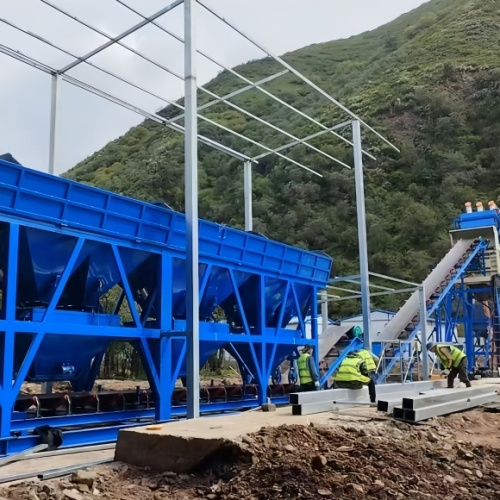
TXMixing foundation-free concrete batching plants are designed to reduce the need for complex reinforced-concrete foundation construction. The modular plant arrangement brings aggregate batching, material weighing, conveying, mixing and control equipment together as a coordinated production system.
This configuration can be considered for temporary construction sites, infrastructure projects and concrete production operations where reducing initial civil work is a priority. The final installation method and ground support requirements should always be confirmed against the project drawings and site conditions.
What Makes a Foundation-Free Batching Plant Different?
The main difference is the equipment’s structural and support arrangement. A conventional batching plant is generally installed on a site-specific reinforced-concrete foundation, while a foundation-free configuration is designed to reduce the need for this type of complex foundation construction.
For project owners and contractors, the potential benefits are related to the work required before production can begin:
- Less conventional foundation work: The design aims to reduce the amount of complex reinforced-concrete foundation construction required for the plant.
- Reduced preliminary civil work: A simplified support arrangement can help limit some of the initial site construction work.
- Installation planning: A modular equipment arrangement provides a more coordinated approach to positioning and assembling the plant.
- Future equipment reuse: The design can be considered for projects where the plant may need to be dismantled or used at another location.
Foundation-free does not mean site-preparation-free. Ground bearing capacity, levelling, drainage, equipment loading and applicable local engineering requirements still need to be assessed before installation.
Integrated Equipment for Concrete Production
A foundation-free concrete batching plant still needs to perform the same essential production operations as a conventional batching plant. Its equipment configuration should be evaluated as a complete system.
- Aggregate batching system: Separate storage and weighing of sand and different aggregate grades according to the concrete mix proportions.
- Concrete mixer: Mixes the measured materials to produce the required concrete batch.
- Powder weighing system: Measures cement and other specified powder materials before they enter the mixer.
- Water and admixture weighing: Controls the quantities of water and liquid additives used in each batch.
- Conveying system: Transfers aggregates and powder materials between the storage, weighing and mixing sections.
- Automatic control system: Coordinates batching sequences and records production information.
The number of aggregate bins, weighing ranges, mixer model and auxiliary equipment should be matched to the required concrete production capacity and mix specifications.
HZS120 Foundation-Free Concrete Batching Plant
The HZS120 foundation-free configuration is designed around a theoretical production capacity of 120 m³/h. Its equipment arrangement includes a MAO3000/2000 mixer, a PLD3200 aggregate batching machine and four aggregate storage bins.
The main technical specifications provide a starting point for reviewing the equipment and determining whether it suits your production requirements.
| Parameter | Specification |
|---|---|
| Model | HZS120 |
| Theoretical Productivity | 120 m³/h |
| Mixer Model | MAO3000/2000 |
| Mixer Power | 2 × 37 kW |
| Aggregate Batching Machine | PLD3200 |
| Aggregate Bin Capacity | 4 × 20 m³ |
| Maximum Aggregate Size | 80 mm |
| Discharge Height | 4.1 m |
| Cement Weighing Range | 300–1,200 kg |
| Fly Ash Weighing Range | 200–1,000 kg |
| Water Weighing Range | 200–800 kg |
| Cement Weighing Accuracy | ±1% |
| Fly Ash Weighing Accuracy | ±1% |
| Water Weighing Accuracy | ±1% |
| Aggregate Weighing Accuracy | ±2% |
These are the published parameters in the supplied HZS120 foundation-free configuration document. Final specifications and equipment combinations should be confirmed against the approved quotation and technical drawings.
Check Site Conditions Before Installation
Reducing conventional foundation work does not remove the need to prepare a suitable operating site. Before selecting a foundation-free batching plant, review the conditions that will affect its installation and daily operation.
Ground Bearing and Levelling
The ground must be assessed for its ability to support the plant and its operating loads. Confirm the required bearing conditions, support points and levelling tolerances with the manufacturer before positioning the equipment.
Aggregate Loading and Storage
Allow sufficient room for aggregate stockpiles, loader access and replenishment. The storage capacity and number of aggregate bins should match the materials used in your concrete mix designs.
Cement Storage and Powder Feeding
Plan the location of cement silos, powder weighing equipment and screw conveyors together. Check the connection positions, discharge heights and available maintenance access.
Explore TXMixing cement storage silos and screw conveyors for supporting equipment options.
Truck Access and Discharge
Check the discharge height and provide sufficient clearance for concrete mixer trucks. Vehicle turning space and the route between the loading area and the project site should also be considered.
Power, Water and Drainage
Confirm the available electrical supply, water connections and drainage arrangements. These requirements should be included in the site layout before installation begins.
Foundation-Free vs Mobile Towed Concrete Batching Plant
Both configurations can be considered for construction projects where conventional permanent plant arrangements are less suitable. However, they address different equipment requirements.
| Comparison | Foundation-Free Plant | Mobile Towed Plant |
|---|---|---|
| Main consideration | Foundation and support arrangement | Transportation and relocation |
| Design focus | Reducing conventional foundation work | Trailer-mounted equipment arrangement |
| Site preparation | Ground and support conditions still require assessment | Site positioning and operating connections still require planning |
| Relocation | Depends on dismantling and lifting arrangements | Designed around mobile transportation |
A foundation-free plant is not automatically a mobile towed plant. If your project requires frequent movement between construction sites, compare the mobile towed concrete batching plant configuration as well.
How to Select a Foundation-Free Concrete Batching Plant
The right configuration depends on more than the plant’s theoretical output. Review the following factors before confirming your equipment selection.
Production Capacity
Calculate the concrete volume required during peak production periods, not just the average daily demand. Allow for batching cycles, material replenishment, maintenance and operational interruptions.
Concrete Mix Requirements
Provide the required concrete grades, aggregate sizes and powder materials. These details help determine the mixer, aggregate bins and weighing system needed for your production process.
Installation and Support Arrangement
Request the structural drawings and installation requirements. Confirm the support points, ground conditions and any site preparation that remains necessary.
Complete Equipment Scope
Check whether cement silos, screw conveyors, electrical systems, control equipment and installation accessories are included in the quotation. Comparing complete equipment lists makes it easier to assess different supplier proposals.
Foundation-Free Concrete Batching Plant Price
The cost of a foundation-free concrete batching plant depends on the selected model, mixer configuration, aggregate batching system and auxiliary equipment.
Although reducing conventional foundation construction can lower some initial civil engineering costs, the total project investment also depends on site conditions, transportation, utilities and installation requirements.
When requesting a quotation, provide:
- Required hourly concrete production capacity.
- Concrete mix specifications and maximum aggregate size.
- Available site dimensions and ground conditions.
- Required aggregate bins and storage capacity.
- Cement silo and powder conveying requirements.
- Destination country and installation support requirements.
Ask for an itemised quotation covering the main equipment, auxiliary systems, structural arrangement and installation scope.
Frequently Asked Questions
Does a foundation-free concrete batching plant require a concrete foundation?
It is designed to reduce the need for complex conventional reinforced-concrete foundations. However, the actual support requirements depend on the plant design and site conditions. Ground bearing capacity, levelling and structural requirements must still be confirmed before installation.
What is the difference between a foundation-free and a stationary concrete batching plant?
The main difference is the installation and support arrangement. A conventional stationary plant generally uses a site-specific foundation, while a foundation-free configuration is designed to reduce conventional foundation construction. Both still require suitable site planning and engineering review.
Can a foundation-free batching plant be moved to another site?
Some configurations may be dismantled or relocated for reuse, but this should not be assumed for every model. Confirm the lifting points, structural connections, transport dimensions and reinstallation requirements with the manufacturer.
What is included in a foundation-free batching plant?
A typical complete production arrangement includes an aggregate batching system, concrete mixer, material weighing systems, conveying equipment and a control system. Cement silos and other auxiliary equipment should be checked against the agreed supply list.
What site preparation is required?
Site preparation depends on the equipment’s support arrangement and local ground conditions. The project team should assess ground bearing, levelling, drainage, utility connections, vehicle access and maintenance clearance before installation.
What production capacities are available?
TXMixing’s current product listing identifies HZS90, HZS120 and HZS180 as common foundation-free plant models. Request the latest model-specific technical documents to confirm the available configurations and specifications for your project.
Site preparation is the cost driver here, and three articles cover it: foundation-free plant cost and installation gains sets out the savings, foundation-free price guide breaks the quotation down, and why foundation-free plants suit modern sites explains the setup sequence.
Foundation-free Concrete Batching Plant Technical Specifications
| Technical Parameters | HZS60 | HZS120 |
|---|---|---|
| Theoretical Production Rate | 60 m³/h | 120 m³/h |
| Mixer Model | JS2000 | MAO3000/2000 |
| Mixing Power | 2 × 18.5 kW | 2 × 37 kW |
| Discharge Height | 4.1 m | 4.1 m |
| Maximum Aggregate Particle Size | 80 mm | 80 mm |
| Aggregate Batching Machine | PLD3200 | PLD3200 |
| Aggregate Storage Capacity | 4 × 16 m³ | 4 × 20 m³ |
| Maximum Cement Weighing Range | 300–600 kg | 300–1,200 kg |
| Maximum Water Weighing Range | 200–800 kg | 200–800 kg |
| Cement Weighing Accuracy | ±1% | ±1% |
| Water Weighing Accuracy | ±1% | ±1% |
| Maximum Fly Ash Weighing Range | 200–1,000 kg | 200–1,000 kg |
| Maximum Aggregate Weighing Range | 600–3,000 kg | 600–3,000 kg |
| Fly Ash Weighing Accuracy | ±1% | ±1% |
| Aggregate Weighing Accuracy | ±2% | ±2% |
News and Field Notes on the Foundation-free Concrete Batching Plant


Is the Foundation-free Concrete Batching Plant Right for Your Project?
Tell us what you need to produce, your target output and where the plant will operate. Our team can help you explore equipment configurations, layout options and pricing.
Built Around Your Project
Equipment and plant layouts tailored to your materials, output requirements and available space.
Precision Manufacturing
Laser cutting and robotic welding support component accuracy and consistent fabrication quality.
Proven Project Applications
Equipment supplied for railway tunnels, mountain expressways and overseas infrastructure projects.
Support Beyond Delivery
Installation, commissioning and maintenance support to help you set up and operate your plant.
Discuss Your Plant Requirements
Whether you have a model in mind or are still comparing options, share a few project details to start the conversation.
Not sure which model to choose? Describe your application, and we can discuss the options with you.
Do You Have Any Questions!
- +86 135 9266 6878
- info@txmixing.com
- Room 401, Building 9, No. 1187 Kexue Avenue, Shangjie District, Zhengzhou, Henan 450041, China


