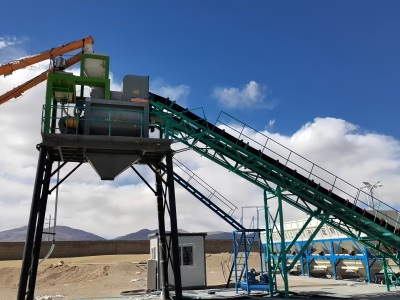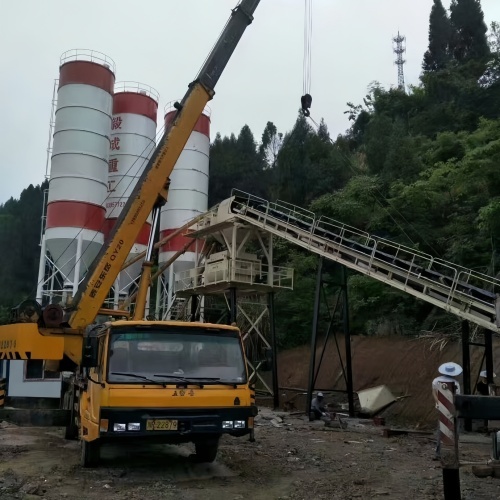

Mobile Towed Concrete Batching Plant

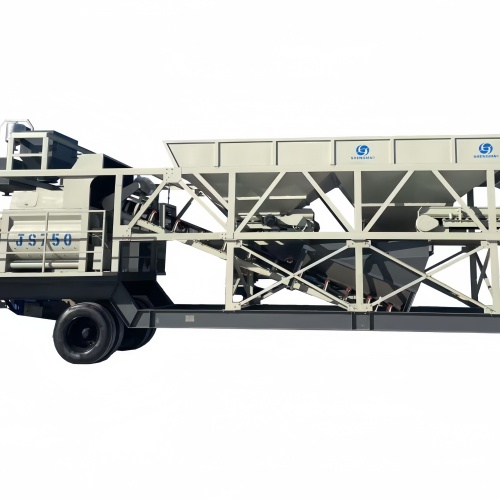
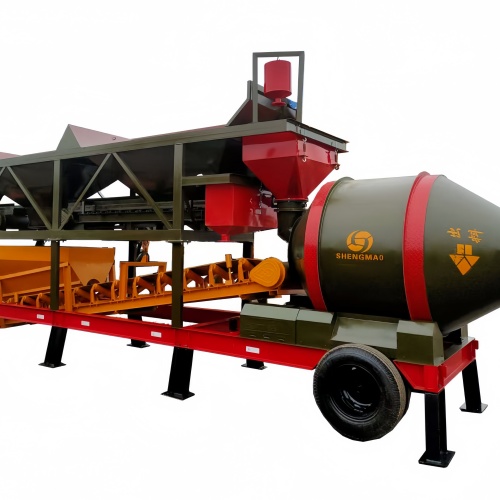
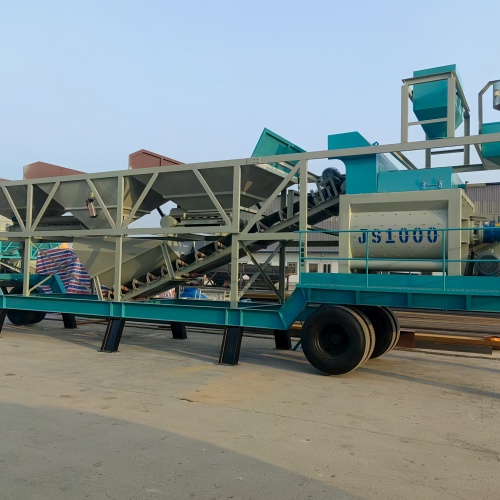
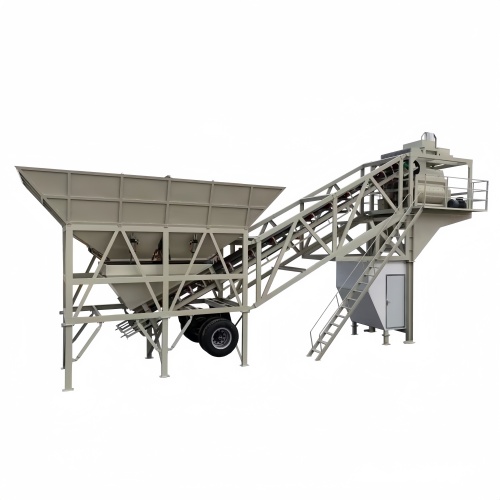
The TXMixing mobile towed concrete batching plant range includes YHZS60, YHZS90 and YHZS120 models. Each configuration combines aggregate batching, material weighing, concrete mixing, conveying and control equipment in a trailer-mounted modular setup. Different mixer and batching machine combinations are available to match project production requirements. Transport arrangements, site layout and final equipment scope should be confirmed for each project.
How the Mobile Towed Plant Is Built
Mobile Towed Concrete Batching Plant for Flexible Project Deployment
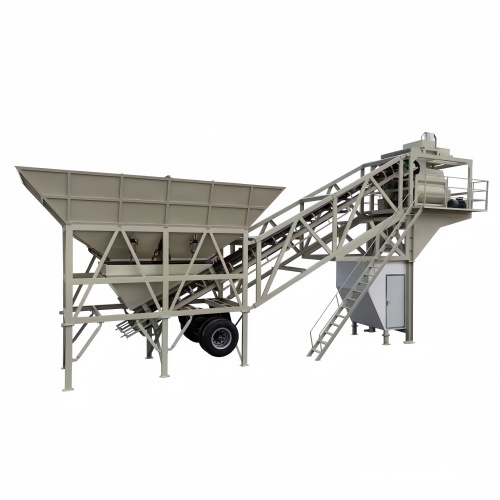
When concrete production needs to move with the construction project, a conventional stationary batching plant may not be the most suitable arrangement. The TXMixing mobile towed concrete batching plant combines aggregate batching, material weighing, concrete mixing, conveying and control equipment in a modular, trailer-mounted system.
Designed for projects where site positioning and equipment transportation are important considerations, the mobile concrete batching plant range includes YHZS60, YHZS90 and YHZS120 configurations. Each model pairs a different mixer and aggregate batching machine to suit its stated production capacity.
Unlike purchasing a standalone mixer, selecting a complete mobile concrete batching plant means considering the entire production arrangement, including aggregate feeding, material measurement, mixing and conveying. The transport configuration and equipment supply scope should be reviewed together before ordering.
Explore the TXMixing concrete batching plant range to compare mobile and stationary production configurations.
Complete Mobile Batching Plant vs Standalone Mobile Concrete Mixer
A mobile concrete mixer and a mobile concrete batching plant serve different purchasing requirements.
A standalone mobile concrete mixer focuses on the mixing process. Aggregate batching, material weighing, storage and feeding equipment may need to be arranged separately.
A complete mobile concrete batching plant brings these production functions together. Its equipment arrangement includes:
- Aggregate batching: Measures and prepares sand and aggregate materials before mixing.
- Material weighing: Handles the measurement of cement, water and other specified ingredients.
- Concrete mixing: Combines the measured materials in the main mixer.
- Material conveying: Transfers materials between the batching and mixing equipment.
- Control system: Coordinates the plant’s production operations.
This distinction matters when comparing quotations. A mixer-only package should not be compared directly with a complete mobile batching plant without accounting for the additional batching, weighing and conveying equipment.
For buyers considering a separate mixing unit, see the TXMixing concrete mixer range.
YHZS60, YHZS90 and YHZS120 Mobile Plant Options
The TXMixing mobile concrete batching plant range includes three published model configurations. They differ in stated production capacity, mixer model and aggregate batching machine.
- YHZS60: JS1000 mixer and PLD1600 batching machine, with a stated production capacity of 60 m³/h.
- YHZS90: JS1500 mixer and PLD2400 batching machine, with a stated production capacity of 90 m³/h.
- YHZS120: JS2000 mixer and PLD3200 batching machine, with a stated production capacity of 120 m³/h.
These configurations provide a starting point for comparing production requirements and equipment combinations. The final model should be selected according to the required output, aggregate specifications, project duration and available site space.
Trailer-Mounted Transport and Equipment Arrangement
The mobile towed concrete batching plant uses a modular trailer-mounted design. When evaluating this type of equipment, buyers should look beyond the main plant dimensions and understand how the complete system is divided for transportation.
Before confirming an order, review the following details with the manufacturer:
- Number of transport units or trailer sections.
- Equipment installed on each transport unit.
- Components that need to be detached for transportation.
- Transport dimensions and total equipment weight.
- Towing vehicle and road transportation requirements.
- Additional equipment transported separately.
These details help establish the actual transportation arrangement and identify any additional logistics requirements. The number of transport units and their specifications should be confirmed against the final equipment configuration rather than assumed from the mobile plant model name.
Site Positioning and Installation Planning
Mobility does not remove the need for proper site planning. The operating layout of a mobile concrete batching plant needs to accommodate aggregate loading, material storage, concrete discharge, vehicle access and equipment maintenance.
When reviewing the proposed site, consider:
- Ground conditions: Check the ground and support requirements for the trailer units and operating equipment.
- Aggregate supply: Allow sufficient space for aggregate stockpiles and loading equipment.
- Powder storage: Confirm the location and connection arrangements for cement silos and screw conveyors, where required.
- Truck access: Provide suitable routes for concrete mixer trucks entering and leaving the loading area.
- Utilities: Confirm the required power, water and other site connections.
- Maintenance access: Allow room for inspection and servicing of the mixer, batching equipment and conveyors.
It is also important to distinguish transport dimensions from the working footprint. The space occupied by the transported trailer units may differ from the area required when the complete plant is positioned and operating.
Ask for a project-specific layout drawing before preparing the site. This helps identify equipment positioning and access requirements before transportation and installation.
Configuration and Auxiliary Equipment
The mobile plant configuration should be reviewed as a complete equipment package rather than as a trailer and mixer alone.
Depending on the selected model and project requirements, the equipment schedule should identify the aggregate batching machine, weighing systems, conveying components, powder storage arrangements and control equipment.
Cement storage and powder feeding deserve particular attention. Confirm whether cement silos, screw conveyors and their connecting components are included in the quotation or need to be supplied separately.
TXMixing also provides cement storage silos, screw conveyors and concrete batching machines for concrete production systems.
How to Select the Right Mobile Concrete Batching Plant
Choosing between YHZS60, YHZS90 and YHZS120 involves more than comparing their stated hourly production capacities. Consider how the equipment will be used throughout the project.
Match the Model to Your Production Requirements
Start with the expected hourly concrete demand, production schedule and concrete mix requirements. Compare the three model configurations against the output needed on site rather than automatically selecting the largest model.
Actual production will depend on the mix design, batching cycle, material supply and operating conditions.
Consider How Often the Plant Will Move
A trailer-mounted plant may be worth considering when the production location changes between construction projects. However, the practical value of mobility depends on the frequency of relocation, transportation arrangements and the amount of equipment that needs to be moved separately.
Compare the Complete Equipment Scope
When comparing mobile batching plant quotations, check whether each proposal includes the same equipment. Mixer, aggregate batching machine, weighing systems, conveying equipment, storage silos and control equipment should be listed separately.
Review the Site Before Ordering
Provide the manufacturer with the available site dimensions, ground conditions, aggregate supply arrangement and concrete truck requirements. These details help determine whether the proposed mobile layout is suitable for the project.
If your project will operate from a fixed production site for an extended period, you can also compare the HZS60 stationary concrete batching plant and HZS180 concrete batching plant.
Mobile Concrete Batching Plant Price and Quotation
The price of a mobile concrete batching plant depends on the selected production capacity and the equipment included in the final configuration.
When requesting a quotation, provide the following information:
- Required production capacity and preferred model.
- Concrete types and aggregate specifications.
- Required cement storage and powder conveying equipment.
- Transportation destination and site access conditions.
- Installation, commissioning and technical support requirements.
Ask for an itemised quotation that identifies the main equipment, optional components, transport arrangements and installation responsibilities. This makes it easier to compare different mobile batching plant offers on the same basis.
Frequently Asked Questions
What is a mobile towed concrete batching plant?
A mobile towed concrete batching plant is a modular concrete production system arranged for transportation using trailer-mounted equipment. It combines aggregate batching, material weighing, mixing, conveying and control functions in a coordinated plant arrangement.
What is the difference between a mobile concrete batching plant and a mobile concrete mixer?
A mobile concrete mixer focuses on mixing concrete, while a complete mobile batching plant also includes aggregate batching, material weighing and the associated conveying and control equipment. Buyers should compare the full equipment scope before choosing between the two.
Which models are available?
The published TXMixing model range includes YHZS60, YHZS90 and YHZS120, with stated production capacities of 60 m³/h, 90 m³/h and 120 m³/h respectively.
How many trailers are needed to transport a mobile concrete batching plant?
The number of transport units depends on the selected model and equipment arrangement. Confirm the trailer sections, transport dimensions, equipment weights and separately transported components with the manufacturer before arranging logistics.
Does a mobile concrete batching plant need site preparation?
Yes. The site still needs suitable ground conditions, access for aggregate loading and concrete trucks, space for equipment positioning, and the required power and water connections. A project-specific layout should be reviewed before installation.
Can a mobile concrete batching plant be relocated between projects?
Its trailer-mounted modular arrangement is intended to facilitate transportation between sites. The actual relocation process depends on the equipment breakdown, transport units, road conditions and preparation required at the destination.
How long does installation take?
Installation time depends on the selected configuration, transportation arrangement, site preparation and installation scope. Request a project-specific installation schedule rather than relying on a standard timeframe.
How much does a mobile concrete batching plant cost?
Pricing depends on the model, mixer and batching equipment, auxiliary components, transportation and installation requirements. Contact TXMixing with your project details for an itemised quotation.
Relocation frequency decides most of the specification, and three articles work through it: choosing a mobile towed plant for relocation sets the selection questions, mobile batching plant types and buying guide compares chassis options, and mobile drag plant in service records how the unit performs on site.
Mobile Towed Plant Technical Specifications
| Mobile Concrete Batching Plant – Model Specifications | |||
|---|---|---|---|
| Model | YHZS60 | YHZS90 | YHZS120 |
| Mixer Model | JS1000 | JS1500 | JS2000 |
| Aggregate Batching Machine | PLD1600 | PLD2400 | PLD3200 |
| Stated Production Capacity | 60 m³/h | 90 m³/h | 120 m³/h |
News and Field Notes on the Mobile Towed Plant


Is the Mobile Towed Plant Right for Your Project?
Tell us what you need to produce, your target output and where the plant will operate. Our team can help you explore equipment configurations, layout options and pricing.
Built Around Your Project
Equipment and plant layouts tailored to your materials, output requirements and available space.
Precision Manufacturing
Laser cutting and robotic welding support component accuracy and consistent fabrication quality.
Proven Project Applications
Equipment supplied for railway tunnels, mountain expressways and overseas infrastructure projects.
Support Beyond Delivery
Installation, commissioning and maintenance support to help you set up and operate your plant.
Discuss Your Plant Requirements
Whether you have a model in mind or are still comparing options, share a few project details to start the conversation.
Not sure which model to choose? Describe your application, and we can discuss the options with you.
Do You Have Any Questions!
- +86 135 9266 6878
- info@txmixing.com
- Room 401, Building 9, No. 1187 Kexue Avenue, Shangjie District, Zhengzhou, Henan 450041, China