PLD Concrete Batching Machine for Automatic Aggregate Weighing
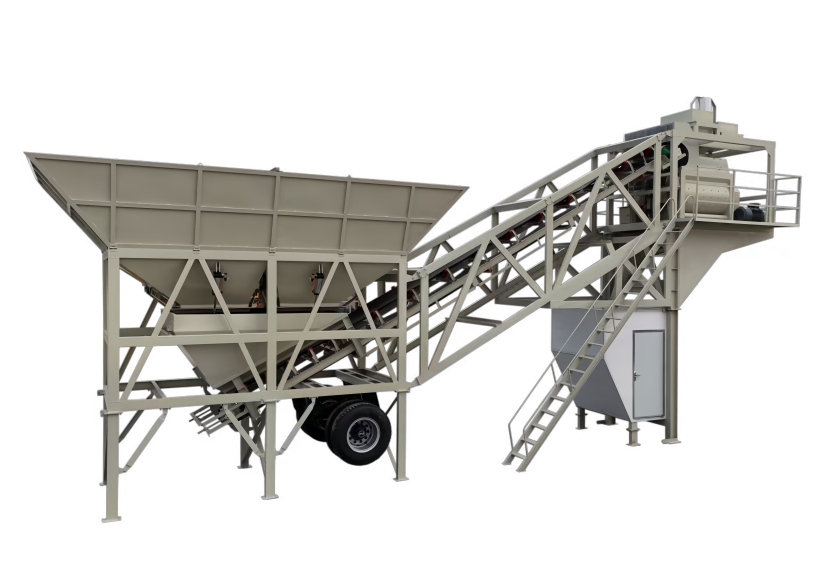
The TXMixing PLD concrete batching machine is designed to automate the storage, weighing and feeding of aggregates in concrete production. It handles materials such as sand and gravel, measuring each ingredient according to preset mix proportions before transferring the batched aggregates to the concrete mixer.
For concrete producers, consistent aggregate proportions are an important part of maintaining a stable mix. Manual loading and proportioning can make it difficult to maintain the same material ratios between batches. A PLD aggregate batching machine brings these operations into a controlled process, reducing dependence on manual measurement.
The PLD series offers different configurations to suit concrete production lines with varying aggregate requirements, mixer arrangements and installation conditions.
How the PLD Aggregate Batching Machine Works
Separate Aggregate Storage
Sand and different gravel grades are stored in separate compartments. This allows each material to be supplied independently instead of being mixed together during loader feeding.
The number of storage compartments should reflect the aggregate types used in your concrete mix designs. Separate storage also makes it easier to manage material replenishment and changes between production recipes.
Controlled Aggregate Feeding
Material is released from the storage hoppers through controlled discharge gates. The feeding sequence is managed according to the selected batching proportions.
Depending on the machine configuration, the weighing process uses a weighing hopper or a weighing belt arrangement. Load cells measure the aggregate quantities as part of the automatic batching process.
Automatic Weighing and Proportioning
The control system manages the weighing sequence and coordinates material feeding according to the preset recipe.
Accurate weighing helps reduce material proportion variations between batches. For projects involving multiple aggregate grades, the weighing arrangement should be selected according to the required batching sequence and production process.
Aggregate Transfer to the Mixer
After weighing, the batched aggregates are transferred towards the concrete mixer through the configured conveying system.
The conveyor route, discharge height and receiving arrangement need to match the mixer layout to maintain a smooth production cycle.
Flexible PLD Series Configurations
Different concrete production operations have different aggregate storage and batching requirements. The PLD series provides multiple model configurations to accommodate different weighing capacities and storage arrangements.
Choose the Right Number of Storage Compartments
Start with the aggregate grades used in your concrete recipes. A production line handling several sizes of sand and crushed stone needs sufficient separate storage compartments to prevent materials from being combined prematurely.
For precast production or projects with frequent mix changes, separate aggregate storage can make material management more straightforward.
Match the Weighing Arrangement to Production Needs
Aggregate batching can use cumulative or individual weighing arrangements. These differ in equipment layout and the sequence in which materials are measured.
The suitable arrangement depends on the number of aggregate types, required batch quantities and the overall production cycle.
Allow for Material Replenishment
Storage capacity should be considered alongside loader access and material consumption. If the aggregate bins need frequent replenishment during production, the feeding arrangement and stockpile layout can affect the continuity of the entire line.
Integration with JS Concrete Mixers and HZS Plants
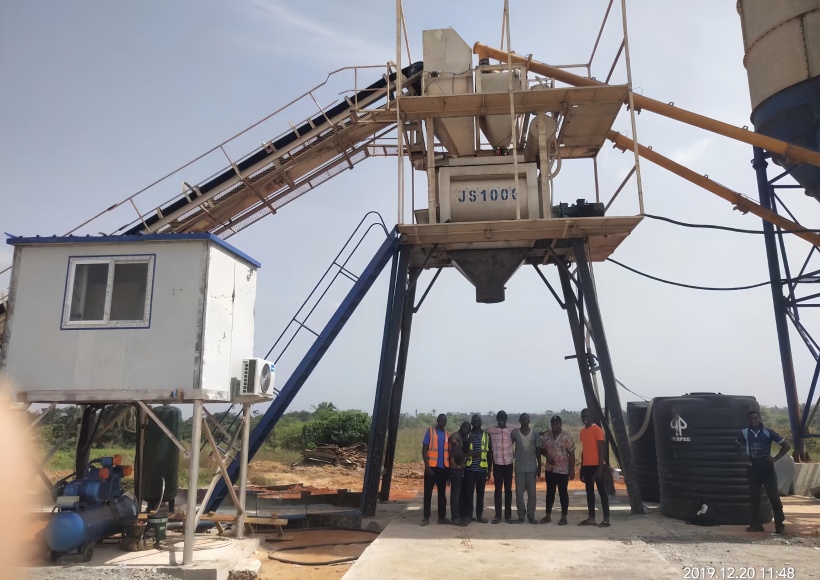
A PLD batching machine is normally used as part of a wider concrete production system. When paired with a suitable JS series concrete mixer and supporting equipment, it forms the aggregate batching section of an HZS concrete batching plant.
The PLD unit handles aggregate storage and proportioning, while the mixer performs the actual concrete mixing process.
For a complete production line, the following equipment also needs to be considered:
- Concrete mixer: Receives the batched aggregates and combines them with other ingredients. Explore the JS1500 Concrete Mixer as one example of the JS series.
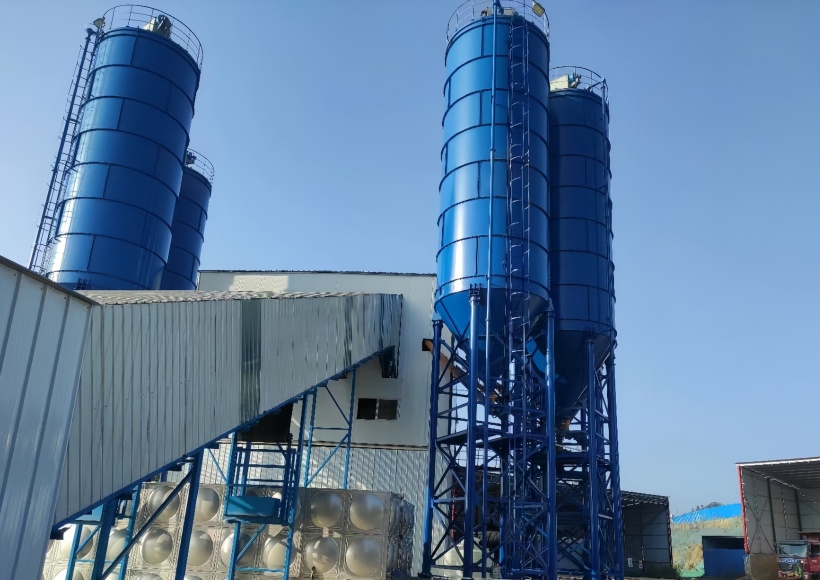
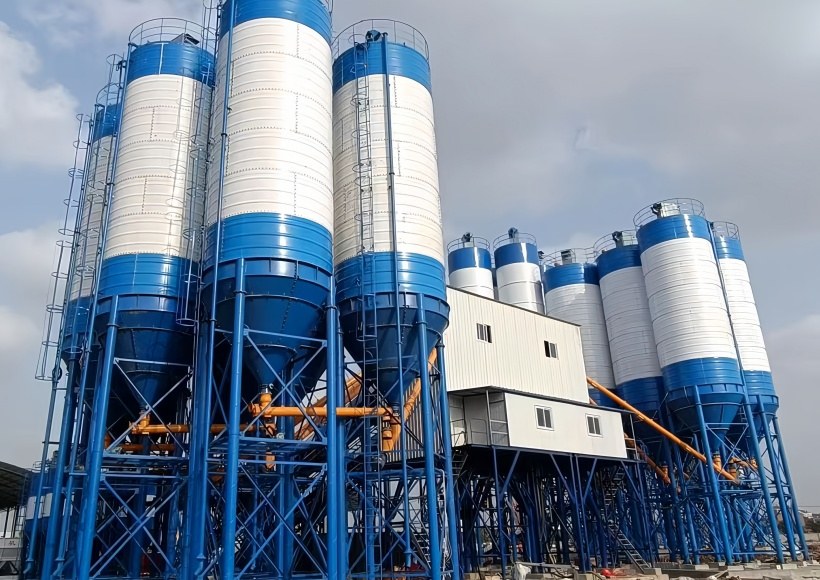
- Cement storage: Stores bulk cement before it is transferred to the weighing system. See the Bolted Cement Silo.
- Screw conveyor: Transfers cement and other compatible powder materials from storage to the weighing or feeding equipment. Explore the LSY Screw Conveyor.
- Water and admixture systems: Provide separate metering and feeding arrangements for liquid materials.
- Control system: Coordinates the batching sequence and communication between the equipment.
Explore the TXMixing Concrete Batching Plant range for complete production line configurations.
Applications of PLD Concrete Batching Machines
PLD aggregate batchers are used in concrete production operations where sand and gravel need to be stored, weighed and supplied according to specific mix proportions.
- Commercial ready-mix concrete: Managing aggregate proportions for different concrete grades and production recipes.
- Precast concrete manufacturing: Supporting repeatable aggregate batching for concrete pipes, beams, blocks and other precast products.
- Highway and bridge construction: Supplying measured aggregates for infrastructure concrete production.
- Water conservancy projects: Supporting concrete production for dams and other hydraulic engineering works.
- Industrial and civil construction: Providing aggregate batching for building projects and general construction applications.
The final equipment configuration should reflect the project’s aggregate types, concrete mix requirements and production schedule.
Adding a PLD Batching Machine to an Existing Concrete Plant
Replacing or upgrading an aggregate batching unit requires more than matching the model number of the existing machine. The new equipment needs to work with the mixer, material transfer system and control arrangement already in place.
Before selecting a replacement, prepare the following information:
- Existing mixer: Provide the mixer manufacturer, model and batch capacity.
- Aggregate requirements: Identify the materials, aggregate grades and quantities used in each recipe.
- Installation layout: Provide available space, discharge height and conveyor connection details.
- Control system: Check the existing control cabinet, wiring and communication requirements.
- Site photographs: Include images of the current batching machine and surrounding equipment.
These details help assess whether the proposed PLD machine can be integrated with the existing production line and what additional modifications may be required.
Inspection and Maintenance Considerations
Weighing consistency depends on the condition of the weighing components and the feeding mechanism. Regular inspection helps identify issues before they affect concrete production.
- Check load cells and weighing readings for abnormal drift.
- Inspect aggregate discharge gates and sealing components.
- Check conveyor belt tracking and tension.
- Keep the pneumatic system and air preparation components in good working condition.
- Remove residual aggregates from weighing and conveying areas.
- Verify the weighing system after relocation or mechanical adjustment.
Before placing an order, buyers can also request information about factory testing, load-cell calibration and the inspection records supplied with the equipment.
Frequently Asked Questions
What does a PLD concrete batching machine do?
A PLD machine stores, weighs and proportions aggregates such as sand and gravel before transferring them to the concrete mixer. It automates the aggregate batching stage of concrete production.
Is a PLD batching machine the same as a concrete mixer?
No. A PLD machine handles aggregate storage and weighing, while a concrete mixer combines the batched ingredients to produce concrete. They are separate pieces of equipment that work together in a production line.
Can a standard PLD machine weigh cement and water?
The standard PLD series is designed for aggregate metering. Cement, water and admixtures require separate weighing and feeding equipment. These systems can be incorporated into a complete concrete batching plant.
How many aggregate storage bins do I need?
Start with the number of aggregate grades that need to be stored separately. Your mix designs, material replenishment schedule and available installation space will help determine the appropriate arrangement.
Can a PLD machine work with an existing concrete mixer?
It may be possible, provided the batching equipment matches the mixer’s material demand, receiving height, conveying arrangement and control requirements. The existing plant layout should be reviewed before confirming compatibility.
What information is needed to select a PLD model?
Provide your aggregate types, required batch quantities, mixer model, expected production cycle and installation layout. These details help determine a suitable batching and conveying configuration.
The batching machine is judged by how it fits the whole plant, so two companion articles are worth reading: HZS120 equipment list and batching machine analysis breaks the plant down by component, and HZS series plant specifications lists the configurations a PLD is usually paired with.