
LSY Screw Conveyor
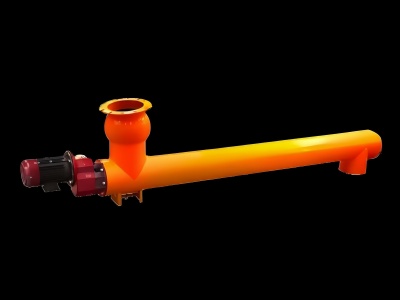
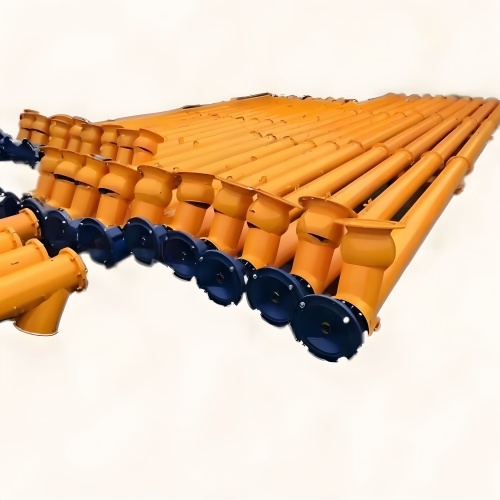
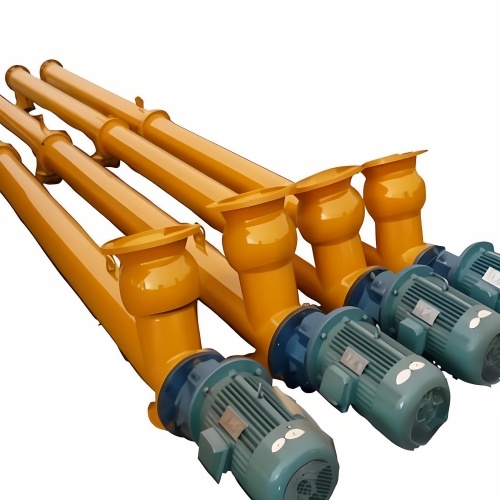



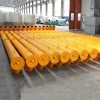
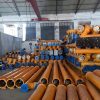
The TXMixing LSY screw conveyor is an enclosed tubular conveying system designed for transferring cement, fly ash, mineral powder and other suitable dry bulk materials. Its rotating helical screw moves materials between storage silos, weighing hoppers and mixing equipment while keeping the conveying process enclosed. Available in different model configurations, it provides a practical powder-handling solution for concrete batching plants and related industrial production lines.
How the LSY Screw Conveyor Is Built
LSY Screw Conveyor for Cement and Powder Conveying
The TXMixing LSY screw conveyor is designed for enclosed transportation of cement, fly ash, mineral powder and other suitable dry bulk materials. It is commonly used in concrete batching plants to transfer powder from storage silos to weighing hoppers and mixing equipment.
Unlike open conveying arrangements, the LSY series uses a tubular housing with a rotating helical screw blade. As the screw rotates, material moves continuously through the enclosed tube towards the discharge point. This structure helps contain fine powders during transportation and keeps the material handling process organised.
For concrete production facilities, a properly selected screw conveyor helps coordinate powder supply with the batching and mixing process. The conveyor should therefore be considered alongside silo capacity, weighing equipment and the overall plant layout.
Key Features of the LSY Screw Conveyor
Enclosed Tubular Conveying Structure
The LSY screw conveyor uses a closed tubular housing to transport powder materials between different equipment points. The enclosed structure helps reduce material spillage and dust escaping during transfer, making it suitable for cement and fly ash handling in concrete production environments.
It also protects the conveyed material from direct exposure during transportation, which is useful when handling fine powders that need to remain dry.
Continuous Spiral Conveying
A rotating helical screw blade moves material along the inside of the conveyor tube. This continuous conveying principle allows the equipment to transfer powder from a silo outlet to a weighing hopper or another receiving point.
The screw arrangement can be incorporated into different plant layouts, depending on the distance, elevation and connection requirements between the feeding and receiving equipment.
Suitable for Different Powder Materials
The LSY series is primarily intended for dry powder and suitable fine-grained bulk materials, including:
- Cement: Transferring cement from storage silos to weighing systems and concrete mixers.
- Fly ash: Supplying fly ash to the powder batching system.
- Mineral powder: Handling suitable mineral powders used in concrete and related production processes.
- Other dry bulk materials: Suitable applications may include selected dry powders, grains and chemical raw materials, subject to material properties and equipment configuration.
Material moisture, flowability, abrasiveness and bulk density should be considered before confirming the conveyor configuration.
Flexible Installation Arrangement
The tubular screw conveyor can be installed horizontally or at an incline to connect equipment positioned at different elevations. Its arrangement can be adapted to the distance between storage silos and the receiving equipment.
For installations with longer conveying routes, intermediate supports and hanger bearings need to be considered to maintain shaft alignment and stable operation.
Integration with Automated Production Lines
The LSY screw conveyor can be incorporated into concrete batching and other automated material-handling systems. Its operation can be coordinated with the upstream silo discharge and downstream weighing process.
Where controlled powder feeding is required, discuss the drive arrangement, speed regulation and weighing-system interface with the supplier. A conveyor’s nominal conveying capacity alone does not establish dosing accuracy.
Applications of the LSY Screw Conveyor
The LSY screw conveyor is particularly relevant to production facilities that need enclosed transportation of cementitious powders and other suitable dry bulk materials.
- Concrete batching plants: Transferring cement and fly ash from storage silos to powder weighing hoppers.
- Asphalt mixing plants: Conveying suitable mineral filler and powder materials within the production system.
- Stabilized soil mixing plants: Supplying cement and other powder binders to the batching and mixing process.
- Cement storage systems: Connecting bulk powder storage equipment with downstream processing equipment.
- Dry mortar production: Handling suitable dry ingredients between storage and mixing sections.
LSY Screw Conveyor in a Concrete Batching Plant
In a concrete batching plant, the screw conveyor connects powder storage with the weighing and mixing stages.
The typical conveying process starts at the cement silo outlet. Powder enters the screw conveyor and moves through the enclosed tube before being discharged into the corresponding weighing hopper. Once the required material quantity has been measured, it is supplied to the mixer according to the production sequence.
For plants using multiple powder materials, separate screw conveyors can be arranged for cement, fly ash and other binders. This helps keep the different material supply routes organised.
TXMixing’s published HZS120 configuration provides an equipment reference for this arrangement, with separate screw conveyor lines assigned to cement and fly ash transportation.
Read more about the HZS120 concrete batching plant configuration to understand how powder storage, conveying and weighing equipment work together.
How to Select the Right LSY Screw Conveyor
Choosing a screw conveyor requires more than matching a model number. The material characteristics and installation route both affect the actual conveying performance.
Material Type and Characteristics
Identify whether the conveyor will handle cement, fly ash, mineral powder or another bulk material. Bulk density, moisture content, particle characteristics and abrasiveness should be considered during selection.
Required Conveying Capacity
Calculate the normal and peak material demand of the receiving equipment. For a concrete batching plant, the conveyor needs to keep up with the powder consumption of the weighing and mixing process.
Make sure the quoted capacity is based on the actual material and operating conditions rather than comparing catalogue figures alone.
Conveying Length and Inclination
Measure the conveying route between the silo outlet and the receiving point. Include the horizontal distance, elevation difference and proposed installation angle.
An inclined conveyor may have a different conveying capacity from a horizontal installation, so the supplier should review the complete route before recommending a model.
Connection and Installation Requirements
Confirm the silo outlet dimensions, inlet and discharge positions, mounting supports and available maintenance access. These details help prevent installation conflicts when the conveyor is connected to existing equipment.
Drive and Maintenance Arrangement
Review the motor and reducer configuration, shaft support, sealing arrangement and access to inspection points. For longer conveying routes, discuss intermediate bearing positions and the maintenance requirements of the screw assembly.
Maintenance Considerations for Cement Screw Conveyors
Cement and fly ash are abrasive powders. Regular inspection of the conveying system helps identify wear and material-flow problems before they interrupt plant operation.
- Spiral blade inspection: Check flight wear and clearance, particularly around sections exposed to frequent material flow.
- Bearing maintenance: Inspect and lubricate intermediate hanger bearings according to the manufacturer’s maintenance schedule.
- Shaft sealing: Check the end seals for powder leakage and signs of wear.
- Moisture control: Keep the conveying material dry and inspect for powder build-up that could restrict material movement.
- Drive system: Monitor the motor, reducer and shaft for abnormal noise, vibration or changes in operating conditions.
Maintenance intervals should be based on operating hours, material characteristics and the actual conveyor configuration.
Related Equipment for Powder Storage and Conveying
A screw conveyor is normally selected as part of a wider powder-handling system rather than as an isolated component.
For concrete batching projects, the main supporting equipment includes:
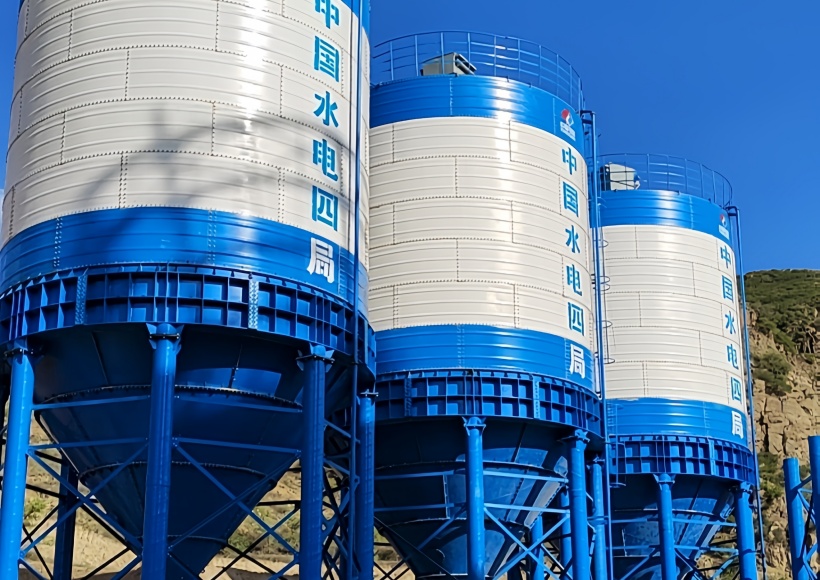
- Cement silos: Store cement, fly ash and other powder materials before conveying. Explore the bolted cement silo range.
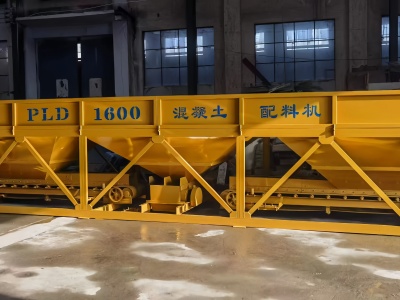
- Powder weighing systems: Measure the required quantities of cement and other binders before mixing.
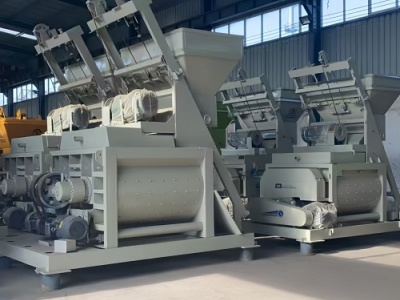
- Concrete batching plants: Integrate aggregate batching, powder weighing, water supply and mixing equipment into a complete production system. Explore the concrete batching plant range.
Frequently Asked Questions
What is an LSY screw conveyor used for?
An LSY screw conveyor is used to transport cement, fly ash, mineral powder and other suitable dry bulk materials through an enclosed tubular housing. In concrete batching plants, it commonly connects cement silos with powder weighing hoppers.
How does an LSY screw conveyor work?
A motor and reducer rotate the helical screw blade inside the tubular housing. The rotating blade moves material continuously from the inlet towards the discharge point.
Can an LSY screw conveyor transport both cement and fly ash?
Yes. The LSY series is used for both cement and fly ash conveying. Separate conveyors are commonly arranged when a production system needs independent supply routes for different powder materials.
Can a screw conveyor be installed at an angle?
Yes. LSY screw conveyors can be installed horizontally or at an incline. The conveying capacity may decrease as the inclination increases, so the installation angle must be considered during model selection.
How do I choose the right screw conveyor model?
Consider the material type, required conveying capacity, route length, installation angle, silo outlet and receiving equipment. These details help determine the appropriate screw diameter, drive arrangement and overall configuration.
Can the LSY screw conveyor be customised?
The conveying arrangement can be reviewed according to project layout and equipment connection requirements. Confirm the required length, installation angle, material and connection dimensions with the supplier.
A screw conveyor is bought to serve a silo and a weighing hopper, so the surrounding decisions matter as much as the tube itself: cement silo sizing guide covers storage capacity, and screw conveyor manufacturer comparison sets out supply options and quality checks.
LSY Screw Conveyor Technical Specifications
width: 100%;
overflow-x: auto;
margin: 20px 0;
}
.tx-lsy-specs table {
width: 100%;
min-width: 620px;
border-collapse: collapse;
border-top: 3px solid #268B9B;
font-size: 14px;
}
.tx-lsy-specs th {
background: #183653;
color: #fff;
padding: 13px 15px;
text-align: left;
font-weight: 600;
}
.tx-lsy-specs td {
padding: 12px 15px;
border: 1px solid #DFE7EF;
color: #35465A;
}
.tx-lsy-specs tbody tr:nth-child(odd) {
background: #F1F6FA;
}
.tx-lsy-specs tbody tr:nth-child(even) {
background: #fff;
}
.tx-lsy-specs tbody td:first-child {
font-weight: 600;
color: #183653;
}
.tx-lsy-specs .note {
font-size: 12px;
color: #68788A;
margin-top: 10px;
}
| Model | Pipe Diameter (mm) | Conveying Capacity (t/h) | Length (m) | Motor Power (kW) |
|---|---|---|---|---|
| LSY168* | 168 | 20–30 | 3.0–5.5 | 3–4 |
| LSY219 | 219 | 40–60 | 3–12 | 5.5–15 |
| LSY273 | 273 | 80–100 | 3–12 | 11–18.5 |
| LSY325 | 325 | 120–150 | 3–12 | 18.5–30 |
*The product overview lists LSY163, while the technical parameter table lists LSY168. Confirm the first model designation before publication. Conveying capacity is stated on the product page based on cement with an approximate bulk density of 1.3 t/m³.
News and Field Notes on the LSY Screw Conveyor
Is the LSY Screw Conveyor Right for Your Project?
Tell us what you need to produce, your target output and where the plant will operate. Our team can help you explore equipment configurations, layout options and pricing.
Built Around Your Project
Equipment and plant layouts tailored to your materials, output requirements and available space.
Precision Manufacturing
Laser cutting and robotic welding support component accuracy and consistent fabrication quality.
Proven Project Applications
Equipment supplied for railway tunnels, mountain expressways and overseas infrastructure projects.
Support Beyond Delivery
Installation, commissioning and maintenance support to help you set up and operate your plant.
Discuss Your Plant Requirements
Whether you have a model in mind or are still comparing options, share a few project details to start the conversation.
Not sure which model to choose? Describe your application, and we can discuss the options with you.
Do You Have Any Questions!
- +86 135 9266 6878
- info@txmixing.com
- Room 401, Building 9, No. 1187 Kexue Avenue, Shangjie District, Zhengzhou, Henan 450041, China