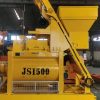
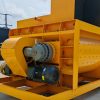
JS1500 Twin-Shaft Concrete Mixer for Commercial Concrete Production
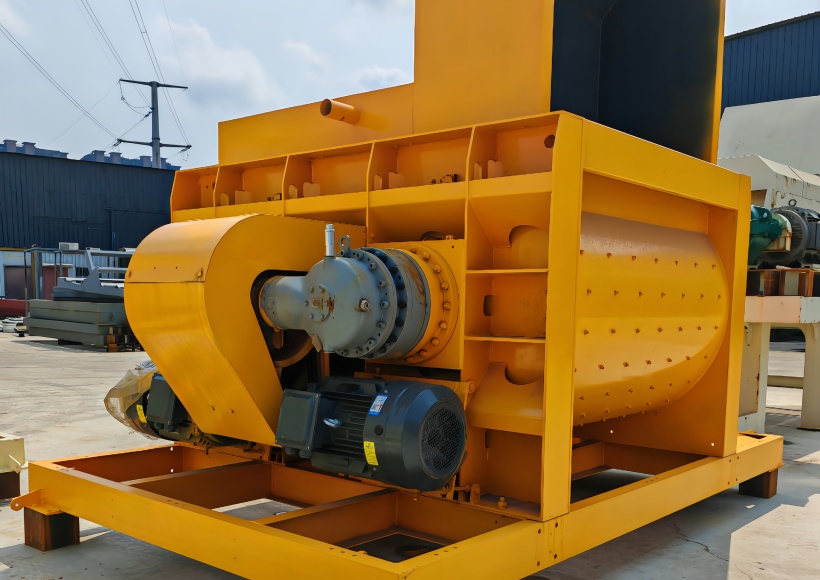
The TXMixing JS1500 concrete mixer is designed for concrete production operations that require reliable forced mixing and consistent batch preparation. Its twin-shaft mixing arrangement combines aggregates, cement, water and admixtures through mechanical mixing rather than relying on gravity alone.
The JS1500 is suitable for different concrete formulations, including plastic concrete, dry-hard concrete and lightweight aggregate concrete. It can operate as part of a complete concrete batching plant or be integrated into an existing production system, depending on the material feeding and discharge arrangement.
For commercial concrete manufacturers and infrastructure contractors, selecting the right mixer involves more than the mixing unit itself. Aggregate batching, material supply, discharge arrangements and downstream transportation all need to work together.
Key Features of the JS1500 Concrete Mixer
Twin-Shaft Forced Mixing
The JS1500 uses two horizontal mixing shafts fitted with mixing blades. As the shafts rotate, the blades move and turn the materials through the mixing chamber, helping distribute aggregates, cement and water throughout the batch.
This forced mixing principle is suitable for concrete formulations that require controlled mixing of different material grades and proportions.
Suitable for Different Concrete Mixes
The JS1500 is designed to handle several types of concrete, including:
- Plastic concrete: Commonly used in building construction and general concrete production.
- Dry-hard concrete: Suitable for applications requiring relatively low-workability concrete mixtures.
- Lightweight aggregate concrete: Used in applications where lightweight aggregates form part of the specified mix.
The appropriate mixing process and material proportions should follow the project’s concrete mix design.
Designed for Integration with Batching Systems
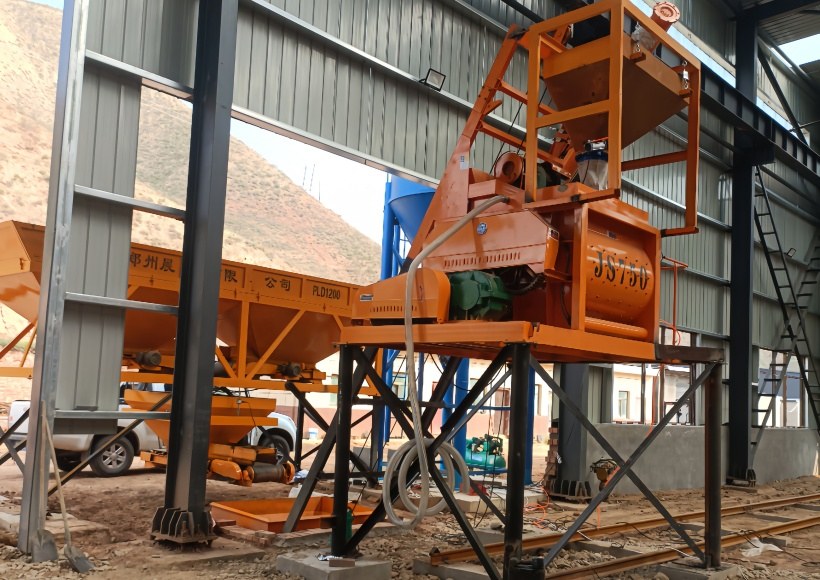
The JS1500 can serve as the main mixing unit in a complete concrete batching plant. It works alongside aggregate batching, cement and water weighing, powder conveying and discharge equipment.
This coordinated arrangement helps production teams manage the complete process from raw material proportioning to finished concrete discharge.
Practical Equipment Maintenance
Mixing blades, liners, shaft seals and discharge components are working parts that require regular inspection. Easy access to these components is important when planning routine maintenance and replacement of wear parts.
Before ordering, discuss the expected raw material characteristics, operating schedule and maintenance requirements with the equipment supplier.
Applications of the JS1500 Concrete Mixer
The JS1500 is intended for concrete mixing operations across several construction and manufacturing sectors.
- Commercial concrete batching plants: For producing concrete supplied to residential, commercial and infrastructure construction sites.
- Large building projects: For preparing concrete used in foundations, structural components and other construction work.
- Hydropower projects: For concrete production supporting dams, water conservancy structures and related civil engineering works.
- Road and bridge construction: For concrete used in road structures, bridge components and associated infrastructure.
- Precast concrete production: For manufacturing concrete components according to the required production mix.
JS1500 as the Main Mixer in HZS75 and HZS90 Plants
The JS1500 is used as the main mixing unit in TXMixing’s HZS75 and HZS90 concrete batching plant configurations.
When integrated into an HZS75 or HZS90 system, the mixer works with the aggregate batching machine, weighing equipment, powder storage and conveying system, and central control unit.
The complete arrangement should be matched to the required concrete output, material proportions and site operating conditions.
Explore the related equipment:
Project Reference: JS1500 in a Southeast Asian Highway Project
Reliable concrete supply is particularly important in highway construction, where batching operations need to coordinate with concrete transportation and the construction schedule.
In a published Tongxin Machinery project reference, an HZS90 concrete batching plant was supplied for a provincial highway upgrade project in Southeast Asia. The production line used a JS1500 twin-shaft forced mixer as its main mixing unit, together with a PLD2400 aggregate batching system, cement storage and supporting conveying equipment.
The project illustrates how the JS1500 can be integrated into a complete batching solution for road construction rather than operating as an isolated piece of equipment.
For more project details, read the HZS90 highway project reference.
What to Consider When Selecting a JS1500 Mixer
Before selecting a JS1500 concrete mixer, consider how it will fit into your existing or planned production process.
Concrete Mix Requirements
Identify the concrete grades, aggregate types, material proportions and required workability. Different formulations may require different mixing arrangements and operating conditions.
Aggregate Feeding and Batching
Check whether the aggregate batching system can supply the mixer consistently. The number of aggregate grades and the feeding sequence should match your concrete mix designs.
Powder and Water Supply
Review the cement, fly ash, water and admixture supply arrangements. Proper coordination between weighing systems and the mixing unit helps avoid unnecessary waiting between batches.
Discharge and Transportation
Consider the receiving hopper, concrete truck positioning and downstream transportation equipment. The discharge arrangement should fit the overall production layout.
Maintenance and Spare Parts
Ask about mixing blade and liner replacement, shaft-end sealing, lubrication and access to commonly replaced components. These details are important for long-term equipment management.
Related Concrete Mixing Equipment
Depending on your production requirements, you may also need supporting equipment for aggregate batching, powder storage and material conveying.
Explore the JS1000 concrete mixer for another mixer configuration, or review the cement silo range and screw conveyor range for supporting powder storage and transfer equipment.
Frequently Asked Questions
What type of concrete mixer is the JS1500?
The JS1500 is a twin-shaft forced concrete mixer. It uses two horizontal mixing shafts with blades to combine aggregates, cement, water and other mix components.
What types of concrete can the JS1500 mix?
The published product information lists plastic concrete, dry-hard concrete and lightweight aggregate concrete among its applications. The final mix should be checked against the project’s material specifications.
Can the JS1500 be used in a concrete batching plant?
Yes. It is used as the main mixer in HZS75 and HZS90 concrete batching plant configurations, working alongside aggregate batching, weighing, conveying and control systems.
Can the JS1500 operate independently?
The mixer can be used as an independent mixing unit when suitable material feeding, batching and discharge equipment is provided. The complete configuration depends on the production process.
What maintenance should be considered?
Routine checks should cover mixing blades, liners, shaft seals, lubrication and discharge components. Follow the equipment manufacturer’s maintenance recommendations for inspection and replacement intervals.