

JS750 Concrete Mixer
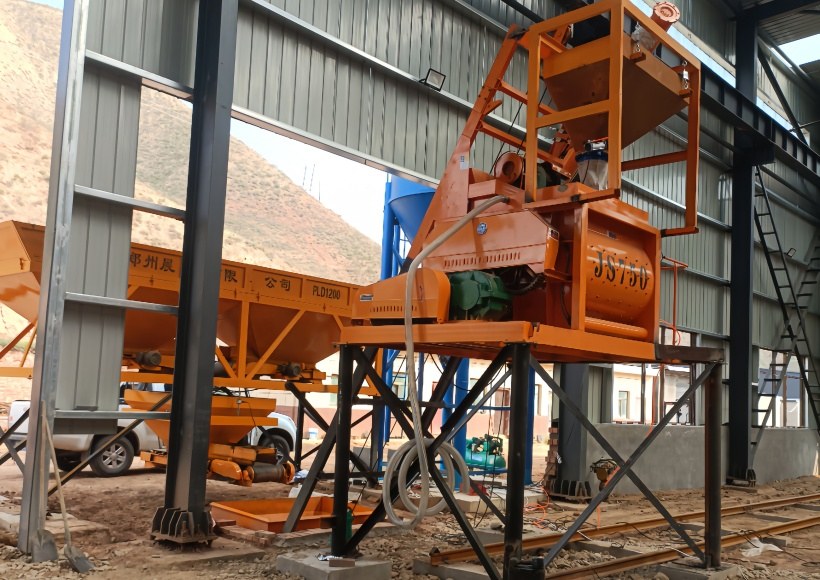
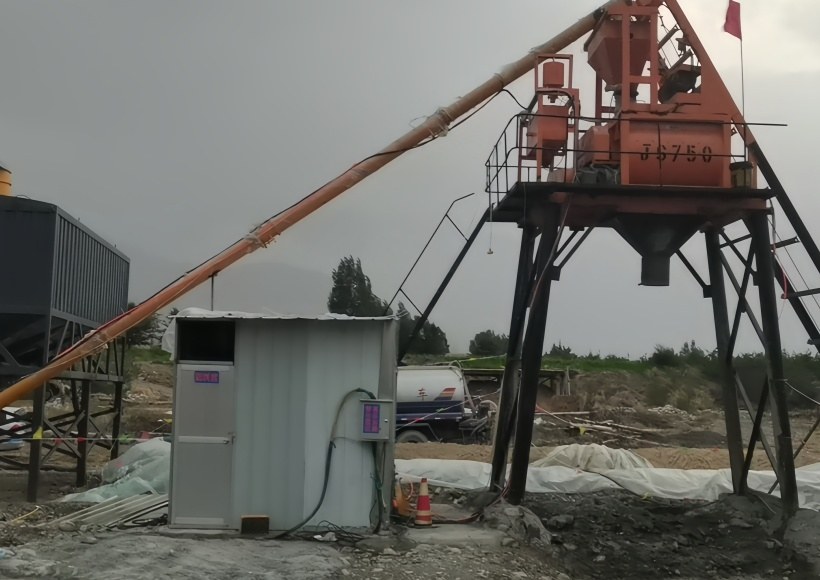
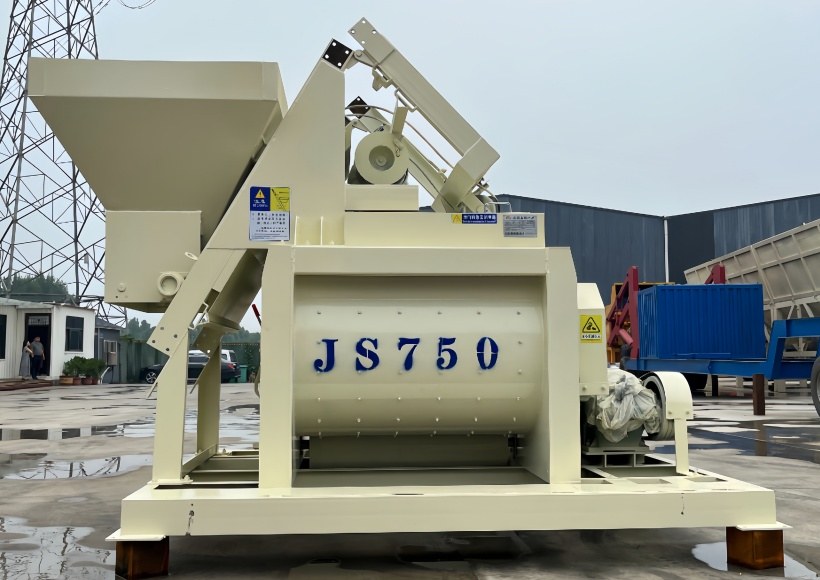
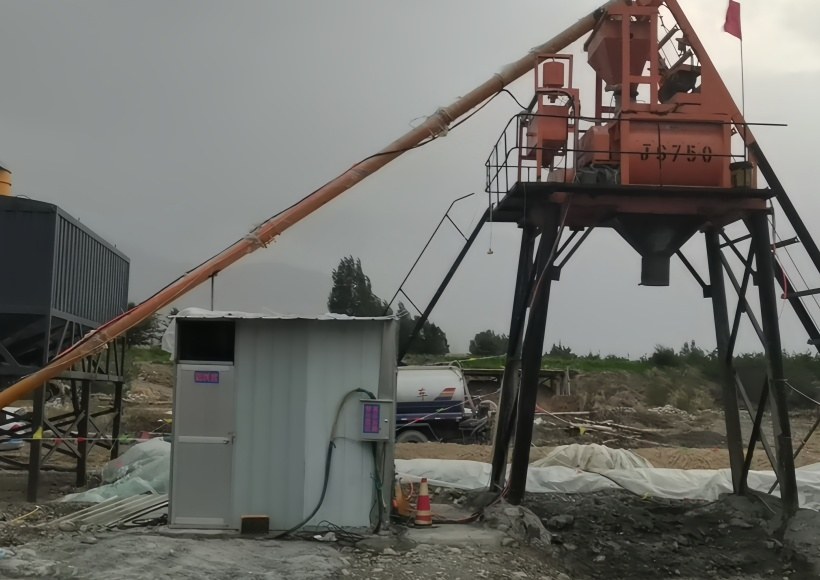
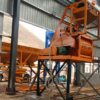
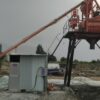
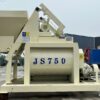
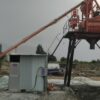
The TXMixing JS750 concrete mixer is a twin-shaft forced mixing machine designed for small and medium-sized concrete production operations. Its staggered mixing blade arrangement supports the preparation of plastic concrete, dry-hard concrete, lightweight aggregate concrete and mortar. Suitable for precast component manufacturing, construction projects and integration with PLD batching equipment, it offers a practical mixing solution for standalone operations and HZS35 concrete batching plants.
How the JS750 Is Built
JS750 Twin-Shaft Concrete Mixer for Small and Medium-Sized Production
The TXMixing JS750 concrete mixer is designed for concrete production in precast manufacturing facilities, construction projects and small commercial batching plants. Its twin-shaft forced mixing system uses staggered mixing blades to move and combine aggregates, cement, water and other mix components throughout the mixing chamber.
Unlike gravity mixers that rely primarily on the rotation of a drum, the JS750 uses mechanical mixing to distribute materials within the chamber. This makes it suitable for different concrete formulations, including dry-hard, plastic and lightweight aggregate concrete.
The JS750 can operate as a standalone mixing unit or be integrated into a complete concrete batching system. For buyers planning a compact production line, it provides a practical option for coordinating aggregate batching, material feeding and concrete mixing.
Key Features of the JS750 Concrete Mixer
Twin-Shaft Forced Mixing System
The JS750 uses two horizontal mixing shafts fitted with staggered blades. As the shafts rotate, the blades move materials through the mixing chamber, helping combine aggregates, cement and water into a uniform concrete mixture.
This mixing arrangement is suitable for different concrete formulations and supports controlled batch production in precast plants and construction operations.
Wear-Resistant Mixing Blades and Liners
The mixing blades and chamber liners are important working components that come into regular contact with aggregates and cement. The JS750 product configuration uses wear-resistant high-chromium alloy components to help withstand abrasive mixing conditions.
These components can be inspected and replaced as part of routine equipment maintenance. Buyers should consider material selection, replacement access and spare parts availability when evaluating long-term operating requirements.
Shaft-End Sealing Protection
Shaft-end sealing helps prevent cement slurry from leaking through the mixing shaft connections. This is an important consideration for maintaining a clean mixing area and protecting the mechanical components during regular operation.
Convenient Operation and Maintenance
The equipment includes an inspection window for checking the mixing chamber, a water supply arrangement for adjusting water flow and electrical protection features.
Regular inspection of the mixing blades, liners, shaft seals, lubrication system and discharge mechanism helps maintain the equipment in suitable operating condition.
Concrete Types Suitable for the JS750
The JS750 is designed for several concrete and mortar applications, making it suitable for different production requirements.
- Plastic concrete: Commonly used in general building construction and conventional concrete production.
- Dry-hard concrete: Suitable for precast manufacturing and applications requiring relatively low-workability concrete.
- Lightweight aggregate concrete: For concrete formulations using lightweight aggregates.
- Flowable concrete: For applications requiring a more workable concrete mixture.
- Cement-based mortar: For suitable mortar preparation and related construction applications.
The actual mixing suitability depends on the aggregate characteristics, mix proportions and project requirements.
Applications of the JS750 Concrete Mixer
The JS750 is suitable for concrete production environments that require a dedicated forced mixing unit without the scale of a large commercial batching installation.
- Precast component manufacturing: For producing concrete blocks, pipe piles and other precast products.
- Small commercial batching plants: For supplying concrete to local construction projects.
- Building construction: For preparing concrete used in foundations, structural components and general construction work.
- Road and bridge projects: For concrete mixing operations supporting transportation infrastructure.
- Water conservancy and port construction: For concrete production in civil engineering and water-related projects.
JS750 as the Main Mixer in an HZS35 Concrete Batching Plant
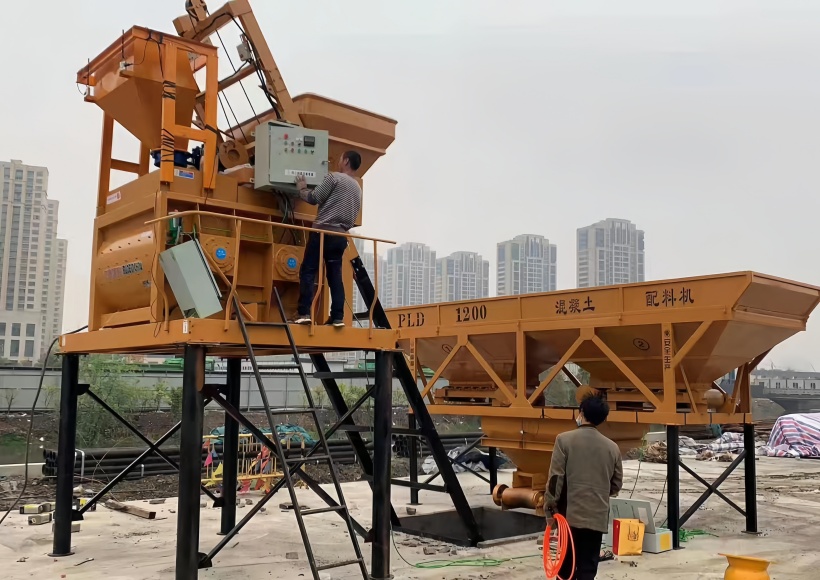
The JS750 can serve as the main mixing unit in an HZS35 concrete batching plant. In this configuration, the mixer works alongside aggregate batching, material weighing, feeding and discharge equipment.
TXMixing identifies the PLD1200 aggregate batching machine as a typical matching option for the JS750. The batching machine handles aggregate proportioning before materials are transferred to the mixing unit.
For a complete production system, the batching process and mixing cycle need to be coordinated. Aggregate storage, cement supply, water weighing and material transfer should all be considered when planning the plant layout.
Learn more about the PLD concrete batching machine, its working principle and model selection.
What to Consider When Selecting a JS750 Mixer
Choosing a concrete mixer involves more than comparing equipment models. The right configuration should match the materials, production process and installation conditions of your project.
Concrete Mix Requirements
Identify the concrete grades, aggregate types, material proportions and required workability. These details help determine whether the JS750 mixing arrangement is suitable for your intended applications.
Aggregate Batching Equipment
Consider the number of aggregate grades and the required batching arrangement. A compatible PLD batching machine helps coordinate material proportioning and feeding before mixing.
Standalone or Integrated Operation
Decide whether you need an individual mixing unit or a complete HZS35 concrete batching plant. If you already have a batching system, provide its equipment configuration so that compatibility can be reviewed.
Installation and Discharge Arrangement
Check the available installation area, foundation conditions, material feeding access and discharge equipment. These factors influence how the mixer fits into the overall production layout.
Maintenance and Spare Parts
Ask about mixing blade and liner replacement, shaft-end sealing, lubrication and the availability of commonly replaced components. Understanding these requirements helps you plan routine maintenance and equipment servicing.
Related Concrete Mixing Equipment
Depending on your production requirements, you may also want to compare other twin-shaft concrete mixer models.
- JS500 Concrete Mixer – For smaller batch concrete production requirements.
- JS1000 Concrete Mixer – For larger batch mixing applications.
- JS1500 Concrete Mixer – For larger commercial and infrastructure production systems.
Frequently Asked Questions
What type of concrete mixer is the JS750?
The JS750 is a twin-shaft forced concrete mixer. It uses two horizontal mixing shafts with staggered blades to combine concrete materials mechanically.
What types of concrete can the JS750 mix?
It is designed for plastic concrete, dry-hard concrete, lightweight aggregate concrete, flowable concrete and suitable mortar formulations.
Can the JS750 operate independently?
Yes. The JS750 can operate as an individual mixing unit when suitable material feeding, batching and discharge arrangements are provided.
Can the JS750 be used in an HZS35 concrete batching plant?
Yes. It can serve as the main mixer in an HZS35 production system, working with aggregate batching and other supporting equipment.
Which batching machine is suitable for the JS750?
The PLD1200 is identified as a typical matching aggregate batching machine for the JS750. The final selection should be based on the number of aggregate types and the required production arrangement.
What maintenance does the JS750 require?
Routine maintenance includes inspecting mixing blades and liners, checking shaft-end seals, maintaining lubrication and examining the discharge mechanism. Follow the manufacturer’s maintenance instructions for the selected configuration.
The detail behind this unit is collected in three companion articles: JS750 concrete mixer price guide, JS750 concrete mixer factory direct sale and how to mix concrete on site. Each records how the plant was set up, measured and maintained on real jobs, with the figures our engineers check before quoting.
JS750 Technical Specifications
width: 100%;
overflow-x: auto;
margin: 20px 0;
}
.tx-js750-specs table {
width: 100%;
min-width: 540px;
border-collapse: collapse;
border-top: 3px solid #268B9B;
font-size: 14px;
}
.tx-js750-specs th {
background: #183653;
color: #fff;
padding: 13px 15px;
text-align: left;
font-weight: 600;
}
.tx-js750-specs td {
padding: 12px 15px;
border: 1px solid #DFE7EF;
color: #35465A;
}
.tx-js750-specs tbody tr:nth-child(odd) {
background: #F1F6FA;
}
.tx-js750-specs tbody tr:nth-child(even) {
background: #fff;
}
.tx-js750-specs tbody td:nth-child(odd) {
font-weight: 600;
color: #183653;
width: 27%;
}
| JS750 Concrete Mixer – Technical Specifications | |||
|---|---|---|---|
| Model | JS750 | Discharge Capacity | 750 L |
| Feed Capacity | 1,200 L | Theoretical Production Rate | ≥35 m³/h |
| Mixing Motor Power | 30 kW | Lift Motor Power | 7.5 kW |
| Water Pump Power | 1.5 kW | Total Power | 39 kW |
| Mixing Blade Speed | 35 rpm | Number of Mixing Blades | 14 (2 × 7) |
| Cycle Time | Approximately 72 seconds | Machine Weight | Approximately 4,000 kg |
| Mixing Type | Twin-Shaft Forced Mixing | — | — |
News and Field Notes on the JS750
Is the JS750 Right for Your Project?
Tell us what you need to produce, your target output and where the plant will operate. Our team can help you explore equipment configurations, layout options and pricing.
Built Around Your Project
Equipment and plant layouts tailored to your materials, output requirements and available space.
Precision Manufacturing
Laser cutting and robotic welding support component accuracy and consistent fabrication quality.
Proven Project Applications
Equipment supplied for railway tunnels, mountain expressways and overseas infrastructure projects.
Support Beyond Delivery
Installation, commissioning and maintenance support to help you set up and operate your plant.
Discuss Your Plant Requirements
Whether you have a model in mind or are still comparing options, share a few project details to start the conversation.
Not sure which model to choose? Describe your application, and we can discuss the options with you.
Do You Have Any Questions!
- +86 135 9266 6878
- info@txmixing.com
- Room 401, Building 9, No. 1187 Kexue Avenue, Shangjie District, Zhengzhou, Henan 450041, China


