
A cement supply that is not steady stops pours, breaks schedules, and drains crew productivity. Trucks arrive late, bags run short, and the whole site waits. Portable cement silos solve this problem. These towable units set up fast and work well for temporary or relocating construction sites. They keep bulk material on hand for steady, predictable output.
This guide gives contractors, site managers, and procurement teams practical, factual direction. Readers learn how cement silos work, which types and capacities fit their work, and how material flows through each unit. The guide also covers key components, selection criteria, and maintenance. TXMixing supplies reliable equipment for these needs. A Cement silo from a trusted source protects every pour, and proper installation supports safe, efficient construction.
What Is a Cement Silo?
Definition and Function
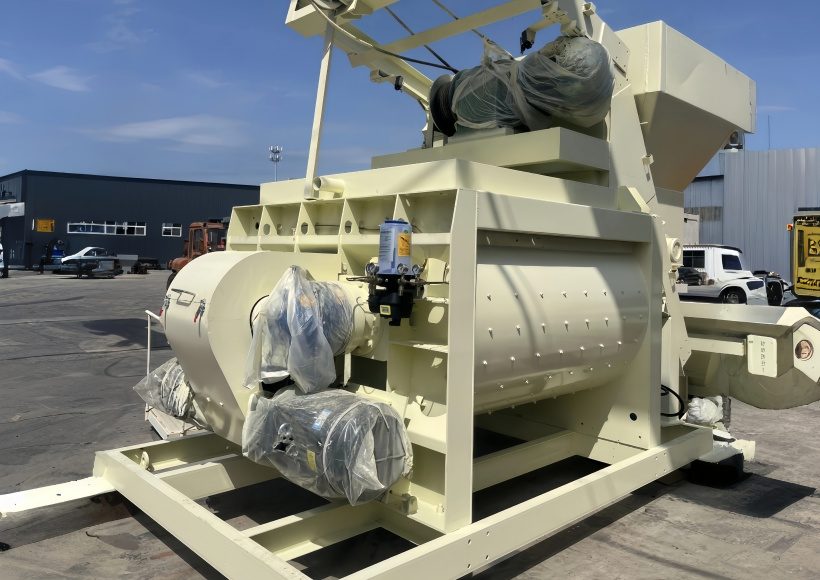
A portable cement silo is a tall storage tank. It has built-in pneumatic discharge, fluidization, and dust collection equipment all in one unit. The tank holds bulk cement at the site and gives it out to a batch plant or mixer when needed. Operators load the material once, and the silo feeds the mixing process on demand.
This equipment changes how a crew handles material. Workers no longer open bags by hand or drag them across the site. The silo sends a steady flow of cement to the mixer. Faster loading and more efficient concrete production come next. Crews get pour cycles they can predict, and the schedule stays on track.
Why On-Site Storage Matters
Cement demand rarely stops during a pour. A batch plant needs a constant feed, and any gap slows the whole operation. On-site storage keeps material close to where it is used. Trucks refill the silo instead of dropping bags at scattered piles. The crew spends its time placing concrete, not moving sacks.
Reliable cement storage solutions also protect material quality. Bulk cement stays dry and contained inside the tank. Dust collection equipment catches fine particles during filling and discharge. The site stays cleaner, and the material stays ready to use. These gains add up across a busy construction schedule.
Portable vs. Stationary Units
Stationary silos serve long-duration sites with fixed layouts. Crews pour a foundation, set up the unit, and leave it in place for the project’s life. Portable models work a different way. A towable frame lets one truck move the unit between locations. Setup takes little time, and teardown follows the same pattern.
The choice depends on project duration and mobility needs. A remote site with a short schedule favors a portable cement silo. A large plant with years of production favors a stationary unit. Both designs share the same core function. Each one stores bulk cement and feeds it to the mixer. Contractors weigh relocation frequency against capacity before they commit. A cement storage silo that matches the site’s rhythm pays for itself through uptime.
Types of Cement Silos
Buyers have three main designs to pick from. Each design works best in a different site condition. The right choice depends on how much capacity you need, how often you move it, and how much space you have.
Vertical Cement Silos
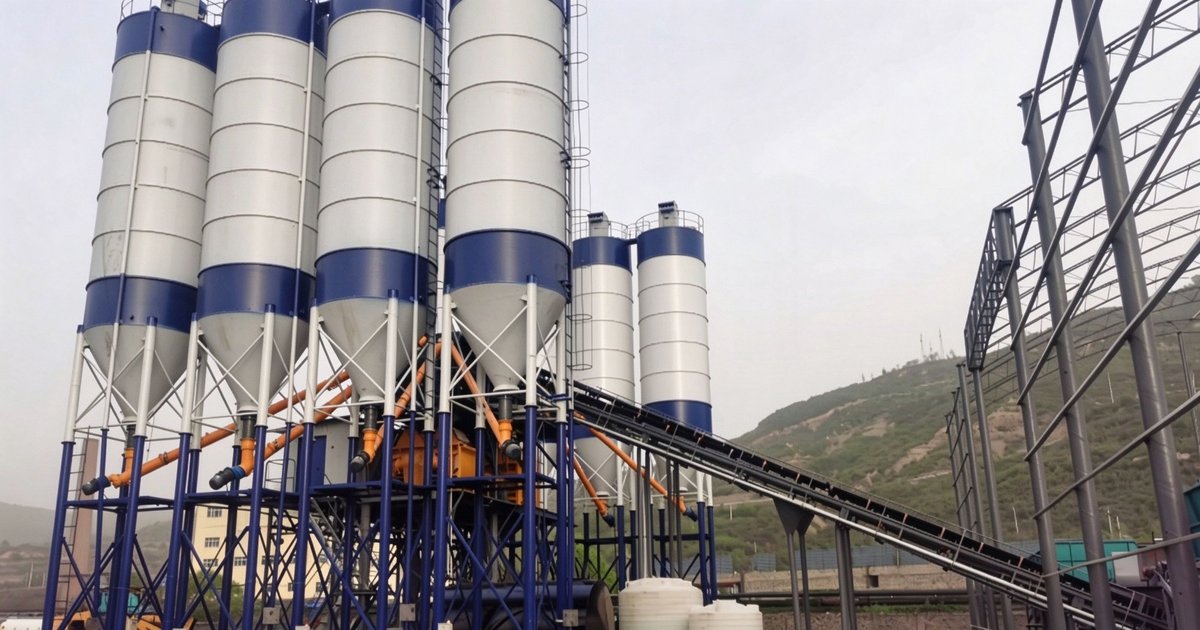
Vertical cement silos are cylinder tanks held up by columns. Steel legs or a support frame keep the tank standing upright. Gravity helps the discharge cone at the bottom. This setup works well for sites with higher capacity that last a long time. A ready-mix plant or a big infrastructure project often uses fixed vertical cement silos for months or years. The tall shape saves ground space. Crews can park mixers and loaders close to the base. Vertical silos hold large amounts of bulk material, and they feed a batch plant without many refills. Setup needs a level foundation and a crane to put it up. That work pays off on a site with a steady layout and steady demand. Many contractors choose vertical cement silos when the pour schedule runs long and the location will not change.
Horizontal Cement Silos
Horizontal cement silos are rectangular cylinders laid on their side. They sit on a low frame or skid. They do not need column support. This low-profile design works great for temporary storage and moving from site to site. A horizontal silo fits under low clearances and rides on a standard trailer. Crews can set one down on a cramped city lot or a site with overhead blocks. Horizontal silos also make teardown easier. The unit lowers to the ground, and a truck hauls it away. Horizontal cement silos work well for short pours and job sites that keep changing. A horizontal silo also handles fly ash and other dry bulk powders. Many crews pick horizontal cement silos when space is tight and the schedule is short.
Mobile and Towable Models
Mobile and towable models add wheels and a tow bar to the tank. One truck pulls the unit between job sites. A small mobile cement silo fits behind a pickup or light truck. Setup on a remote site takes little time. The crew levels the frame, hooks up air and power, and the unit is ready. These mobile units work well for road crews, bridge repairs, and pours in many spots. They also handle fly ash as well as cement. The mobile design cuts transport cost and setup labor. Crews move the silo as the work front moves forward. Mobile cement silos keep material close to the pour, even when the pour moves every week. Contractors on construction sites with changing locations like this class best. The mobile frame also speeds up teardown at the end of a project.
A quick comparison helps you decide:
| Type | Support | Best Fit |
|---|---|---|
| Vertical | Columns or legs | High capacity, long duration |
| Horizontal | Low frame or skid | Temporary storage, relocation |
| Mobile | Wheels and tow bar | Remote sites, moving work fronts |
Each type does the same core job. The unit stores bulk cement and feeds it on demand. The differences are in footprint, transport, and setup effort. A crew that moves often gains from a towable frame. A plant that runs for years gains from a tall column-supported tank. Buyers should match the design to the project’s rhythm. That match protects uptime and keeps every pour on schedule.
Capacity and Sizing
Common Capacity Ranges
Portable cement silos come in many sizes. Small towable units work well for short pours and tight sites. Mid-size models handle most general contracting jobs. Large units hold almost as much as a fixed plant tank. Buyers should see the range as a spectrum, not one standard size.
The right storage capacity depends on daily demand and how often you refill. A crew that pours every day needs more extra room than one that pours twice a week. Extra capacity costs more to move and takes more space. Too little capacity means constant refills and mixers sitting idle. Contractors should size the tank for the busiest pour day, not the average one.
Matching Capacity to Demand
Demand patterns drive the sizing decision. A batch plant running steady shifts needs a buffer that covers a full production day. A road crew working short stretches needs enough material for one pour, plus a margin for waste and weather delays. Crews should track daily cement use for a few weeks before they commit.
Refill logistics matter just as much. A remote site with long delivery times needs a bigger buffer than an urban site with frequent truck access. The goal is simple: the silo should never run dry mid-pour. A slightly larger unit usually beats a perfectly matched one, because the extra margin absorbs schedule shocks. Buyers should confirm the supplier’s delivery lead time before they finalize the size.
Transport and Footprint Limits
Transportation and installation set hard limits on size. A larger tank weighs more and needs a heavier truck and a wider route. Bridge clearances, site gates, and soft ground can block an oversized unit. Crews should check the route and the site access before they order.
Footprint matters on crowded construction sites. Vertical silos save ground space by building upward. Horizontal cement silos spread out low and fit under overhead obstacles. Installation requirements also change with size. A large unit may need a level pad and lifting equipment. A small mobile cement silo often needs only a flat spot and a hose connection. Buyers should weigh transport cost and setup effort against the capacity gain. A unit that arrives easily and sets up fast keeps the schedule moving.
How Material Flows
Filling and Aeration
Bulk cement comes in a tanker truck and goes into the silo through a fill pipe at the top. The material falls into the tank as a thick, packed mass. Dry cement will not flow by itself in this state. It bridges, sticks to the cone walls, and will not move toward the outlet. Aeration fixes this problem. Small air pads or porous pads sit inside the cone and along the tank floor. A blower pushes low-pressure air through these pads. The air mixes into the cement and turns the packed mass into a fluid-like state. Operators call this process fluidization. Fluidized cement acts much like a liquid, and it slides freely toward the discharge point.
Aeration runs in short cycles, not all the time. Continuous air wastes energy and can over-fluidize the material. Most units use a timer or a manual control to pulse air before and during discharge. The crew watches the flow and adjusts the cycle to match demand. Proper aeration keeps every cement silo in the fleet ready to feed on command. Poor aeration leads to rat-holing, where a narrow channel forms and the rest of the material sits still. Regular checks on the air supply protect the whole flow path.
Discharge and Feed
The discharge system moves cement from the silo outlet to the batch plant or mixer. A rotary valve or a screw feeder controls the rate at the bottom of the cone. From there, a pneumatic conveying system carries the material through a pipe to the mixing point. Compressed air pushes the cement along the line in a dense stream. The operator sets the feed rate to match the mixer’s cycle. Too fast a feed floods the mixer, and too slow a feed starves it.
The unloading system works the same way when a tanker refills the silo. Air pressure moves material up the fill line and into the tank. Crews should check line pressure and valve settings before each transfer. A steady feed keeps concrete production predictable. Portable cement silos with well-matched discharge hardware cut waiting time at the mixer. The crew spends less time clearing lines and more time placing concrete.
Dust Control and Pressure Relief
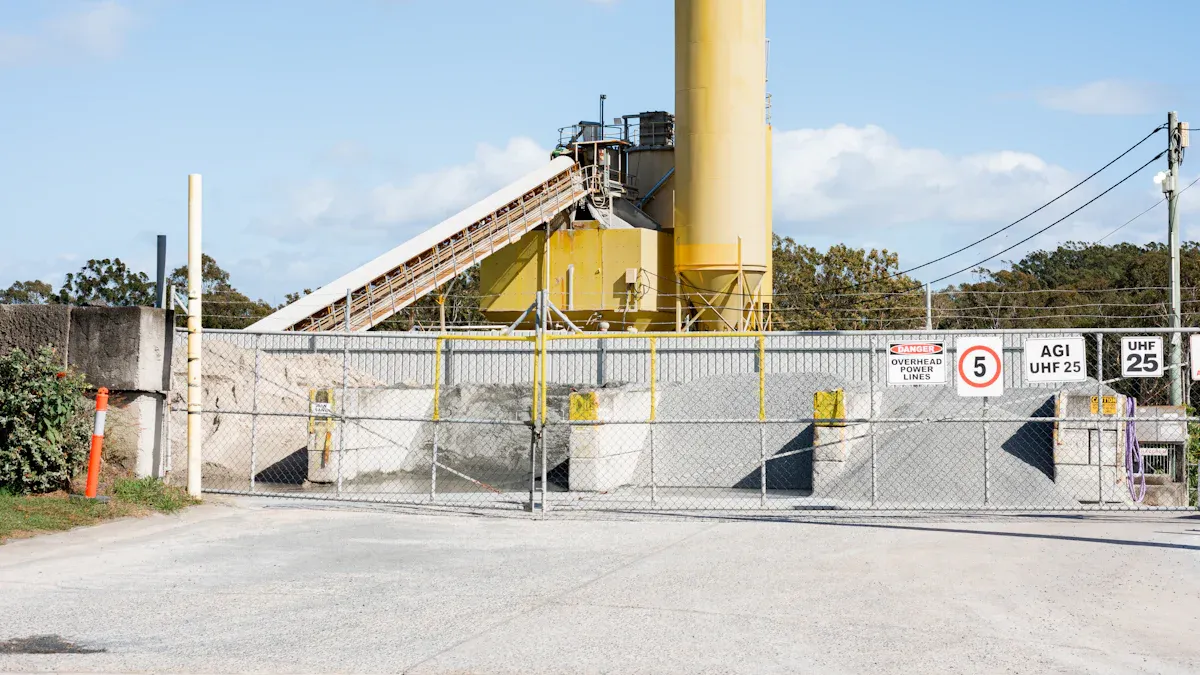
Cement dust escapes wherever material moves. Filling and discharge both release fine particles into the air. A dust collector mounted on top of the tank captures these particles. The collector pulls dusty air through filter cartridges and returns clean air to the atmosphere. Collected dust falls back into the silo, so the site loses no material. Dust control protects workers and keeps the surrounding construction area clean.
Pressure relief valves protect the tank shell. A blocked filter or an overfilled tank can build internal pressure fast. The relief valve opens and vents the excess before the shell suffers damage. Crews should test this valve during every routine inspection. A pressure gauge on the tank gives the operator a clear reading during filling. Together, dust collection and pressure relief keep the silo safe and the material contained. These two systems deserve attention on every cement silo, because failures here cause the most serious incidents.
Key Components
Shell, Cone, and Frame
The shell is the main body of a cement silo. Manufacturers make it from steel plate. They roll the plate into a cylinder and weld the seams. The shell holds the bulk material and carries the weight down to the frame. A well-built shell resists dents during transport and stays round under load. Roundness matters, because a bent shell traps material against the walls.
The cone sits at the bottom of the tank. Its sloped walls guide cement toward the outlet. A steep cone angle keeps material moving, and a shallow angle lets it build up. The frame ties the whole unit together. Vertical cement silos use columns or legs to raise the tank, and horizontal cement silos rest on a low skid. Either way, the frame must sit level before the crew fills the tank.
Aeration and Valve Systems
Aeration hardware keeps dry cement flowable. Air pads inside the cone release low-pressure air into the material. A small blower supplies the air, and a control valve sets the timing. Operators pulse the air in short bursts before and during discharge. This step turns packed cement into a fluid-like stream that slides toward the outlet.
Valves control every transfer point. A butterfly or pinch valve opens the fill line at the top. The unloading system uses a rotary valve or screw feeder to meter material at the bottom. A pressure relief valve guards the shell against too much pressure. Crews should cycle each valve by hand during inspection. A sticky valve disrupts the feed and can stall a pour.
Level Indicators and Safety Access
A material level sensor tells the crew how much cement remains in the tank. Mechanical paddle sensors and radar units both do this job. The sensor links to a display or alarm panel. Reliable material level monitoring prevents two costly errors: an overfill during refilling and a dry tank mid-pour. Operators check the reading before every transfer.
Safety access belongs in the same conversation. A ladder and a guarded platform let workers reach the top hatch and the dust collector. Handrails and toe boards protect anyone working at height. These features support safe filling and safe filter service on every cement silo. Crews on any construction site should confirm that access hardware meets local safety rules before the unit goes into service. Good access design also speeds routine checks, and that habit protects both people and equipment.
Common Applications
Concrete Batching Support
A concrete batching plant needs a steady supply of bulk cement. Portable cement silos sit next to the plant and give out material when it is needed. The plant operator sets the feed rate, and the silo sends a steady stream to the mixer. This setup keeps production going through a full pour day. Crews avoid the delays that come from handling bags and loading by hand.
A mobile concrete batching plant gains even more from on-site storage. The plant moves to the work front, and the silo moves with it. Together they make a self-contained production unit. Contractors use this pairing on projects with pour locations that are spread out. The silo holds enough material for a full shift, and the plant makes fresh concrete right where it is used. This setup cuts transport time and keeps the mix within its working window.
Road and Infrastructure Work
Road crews face a work front that keeps moving. A paving train moves forward along the route, and the concrete supply must follow. Towable cement silos solve this problem. A truck pulls the unit to the next section, and the crew sets it up in a short time. The silo then feeds the mixer for the day’s pour. This pattern repeats as the crew works down the road.
Bridge repairs and utility projects follow the same logic. These jobs often sit far from a fixed plant. A portable cement silo brings storage to the site and removes the long haul back to base. Crews on these construction projects keep material close at hand. The result is fewer supply gaps and a steadier daily output. Infrastructure schedules reward that kind of reliability.
Remote and Short-Term Sites
Remote locations create the hardest supply problems. Delivery trucks travel long distances, and a missed load can stall the whole crew. A portable cement silo acts as a buffer against these gaps. The crew fills the tank when a truck arrives and draws from it through the day. Temporary construction sites benefit most from this approach. The unit arrives, sets up fast, and leaves when the job ends.
Short-term jobs rarely justify a fixed tank. A mobile unit fits the schedule better. Installation takes little time, and teardown follows the same pattern. Crews on small pours, seasonal work, and emergency repairs use these units to stay productive. Horizontal cement silos suit sites with low overhead clearance, and vertical cement silos suit sites with more room and longer schedules. Each design serves a different site condition. The common thread is simple: the right silo keeps cement on hand, wherever the work happens.
Choosing the Right Cement Silos
New vs. Used, Rent vs. Buy
Four paths lead to ownership, and each one fits a different situation. A new unit brings a full service life, current safety features, and a manufacturer’s warranty. Contractors with a long pipeline of work often find this path the cleanest. A used unit costs less up front and suits crews with a steady maintenance routine. Buyers should inspect the shell, the cone, and the aeration pads before they commit. A used tank with a sound frame and clean interior can serve for years.
Rental fits short projects and one-off pours. A crew pays for the weeks it needs and avoids a long-term capital outlay. Rental also lets a team test a size before it buys. Purchase makes sense when the equipment stays busy across multiple jobs. The decision comes down to utilization. A silo that sits idle most of the year drains money, and a rented unit that runs every week costs more than ownership. Choosing the right cement silos starts with an honest look at the work calendar.
Mobility and Setup Factors
Movement between sites changes the whole calculation. A towable frame cuts transport time and setup labor. Crews on road work and scattered pours gain the most from this design. A fixed unit suits a site that will not move for months. Buyers should measure the route before they order. Gate widths, bridge clearances, and soft ground all limit what a truck can deliver.
A mobile silo rewards a simple routine. The crew follows the same steps on every move:
- Park the unit on firm, level ground and set the brakes.
- Lower the stabilizers and confirm the frame sits level.
- Connect the air supply and check the pressure gauge.
- Hook up the fill line and the discharge line to the plant.
- Test the aeration cycle and the relief valve before filling.
- Fill slowly and watch the level indicator throughout.
This sequence protects the shell and keeps the first pour clean. Crews should keep a written copy on the unit. A consistent routine turns a two-hour job into a familiar task. The benefits show up as fewer delays and less downtime at the start of each shift.
Compliance, Warranty, and Support
Rules and paperwork deserve the same attention as steel and capacity. Local codes govern access platforms, guardrails, and pressure relief on any tank that holds bulk powder. Buyers should confirm that the unit meets the rules for their region before delivery. Installation requirements vary by jurisdiction, and a missed permit can stall a site. A supplier who knows the local rules saves the buyer weeks of guesswork.
Warranty terms tell a buyer how much faith a maker has in the product. A strong warranty covers the shell, the frame, and the aeration hardware. Support matters just as much. Fast access to parts and technical help keeps a silo running through a busy season. Crews should ask about service response time and spare part availability. Choosing the right cement silos means weighing the backup behind the unit, not just the unit itself. A dependable supplier turns a purchase into a long partnership.
Maintenance and Safe Operation
Routine Inspection Checklist
A regular inspection routine keeps every cement silo ready for the next pour. Before each shift, crews should check the shell for dents and the cone for wear. Loose seams or thin spots on the cone need attention right away. The frame and stabilizers come next. The unit must sit level, and every pin and bolt should stay tight.
The air system deserves a close look on every pass. Operators test the aeration blower, cycle each valve by hand, and confirm the pressure relief valve opens freely. A clogged filter or a stuck valve disrupts the feed and can stall a pour. Crews should log each inspection and note any repair. That record protects the equipment and supports site safety over the project’s life.
Preventing Buildup and Blockages
Dry cement hardens when moisture reaches it. A tank left open or a filter left wet invites crusted material on the cone walls. Crews should keep hatches sealed and run the dust collector as designed. Regular aeration cycles also help. Pulsed air keeps the material moving and stops it from packing into a solid mass.
Blockages often start small. A narrow channel forms, and the rest of the load sits still. Operators who watch the discharge rate catch this early. A slow feed or a pulsing line signals trouble. Crews should clear lines with air pressure, never by striking the shell. Hammering dents the steel and traps more material. Material level monitoring gives the crew another early warning, because a tank that will not empty points to buildup inside.
Safe Filling and Entry Practices
Filling carries the highest risk on any bulk tank. The operator should confirm the level reading before the tanker connects. Overfilling builds pressure fast, and the relief valve is the last line of defense. The crew fills slowly and watches the gauge throughout. Dust collection must run during the entire transfer.
Entry into a silo demands strict controls. Confined space rules apply, and crews should follow them without exception. Workers need a permit, a spotter, and proper respiratory protection. The aeration system stays locked out during entry. These steps protect people on every construction site. Good habits around filling and entry turn safety from a slogan into daily practice. Contractors who train crews on these points protect both their people and their equipment. Reliable storage depends on that discipline, and every cement silo in the fleet benefits. Vertical cement silos with guarded platforms make these checks easier, and proper installation of access hardware supports the same goal.
A Practical Site Example
Scenario Overview
A mid-size contractor took on a subdivision build with a shifting work front. The crew poured foundations and driveways across several blocks over one season. The pour locations moved every few weeks. A fixed batch plant sat far from the far blocks, and truck time ate into the schedule. The team needed on-site storage that could follow the work.
The contractor chose a towable unit and paired it with a mobile concrete batching plant. The setup gave the crew fresh concrete at each block. The silo held enough bulk cement for a full pour day. Refill trucks reached the site on a regular route. This plan removed the long haul back to the fixed plant.
Setup Choices and Lessons
Towability drove the first decision. One truck pulled the unit to each new block. The crew leveled the frame and connected air and power in a short time. Quick setup meant the first pour started on the same day as the move. The team repeated this routine at every block, and the schedule held.
Capacity sizing shaped the second lesson. The contractor tracked daily cement use for the first few weeks. That record set the tank size for the busiest pour day, with a margin for weather delays. The buffer kept the crew pouring through a late truck. A smaller tank would have stalled the work.
The crew also learned to keep a written setup checklist on the unit. The same steps ran on every move, and mistakes dropped. Routine checks on the aeration cycle and the relief valve caught small faults early. These habits protected the equipment across many relocations.
The project closed on schedule. The contractor credited three factors: a towable frame, a fast installation routine, and a tank sized to real demand. The same approach fits many construction sites with moving work fronts. Crews on such projects gain when their cement silos travel as easily as their tools. A well-matched fleet of cement silos turns a scattered schedule into a steady one. Careful planning around storage and installation pays off on every move.
Five things guide the final choice: silo type, capacity, material flow, parts, and upkeep. How long the project lasts, how often you move, and how much you need shape how much each one counts. A long site that stays put favors a vertical unit. A work front that keeps moving favors a towable model.
Before you buy or rent, use this short checklist:
- Track how much cement you use each day for a few weeks.
- Measure the route clearances and the site access.
- Check the local rules and the warranty terms.
- Go over the setup routine and the inspection plan.
Good on-site cement handling starts with these steps. Careful planning around storage and setup keeps every pour on schedule. The right cement silos turn a steady supply into a lasting edge on any construction site.
Frequently Asked Questions
How is a portable cement silo different from a fixed tank?
A portable unit sits on a towable frame or skid. One truck can move it between job sites, and setup does not take much time. A fixed tank stays in one place for the whole project. Crews choose the portable design when the work keeps moving to new spots.
Which silo type works best for a short-term project?
A horizontal or towable model fits short schedules best. Both designs set up fast and come down with little effort. A horizontal unit also fits under low overhead obstacles. Crews on temporary sites gain from this flexibility.
How do operators keep cement flowing out of the tank?
Aeration pads release low-pressure air into the material. This step turns packed cement into a stream that flows like a liquid. Operators pulse the air in short cycles before and during discharge. Regular aeration stops buildup and keeps the feed steady.
What happens if a crew puts too much cement in the tank?
Internal pressure builds fast when a tank is overfilled. A pressure relief valve opens and vents the extra pressure before the shell gets damaged. Operators should check the level indicator before every transfer and fill slowly.
Can a portable silo handle fly ash as well as cement?
Yes. Mobile and horizontal models handle fly ash and other dry bulk powders. The same aeration and discharge systems move both materials. Crews should confirm the unit’s rating with the supplier before they switch materials.
How often should crews inspect a cement silo?
Crews should run a check before each shift. They look at the shell, the cone, the frame, and the air system. They also test the relief valve and cycle each valve by hand. A written log tracks every finding.
What decides the choice between renting and buying?
How much you use the unit decides it. Rental fits short projects and one-off pours. Buying makes sense when the equipment stays busy across many jobs. A silo that sits idle drains money, and steady use favors ownership.
Why does capacity sizing matter so much?
A tank sized for the busiest pour day keeps mixers fed without constant refills. Too little capacity stalls the work. Too much adds transport cost and takes up more space. Crews should track daily use before they commit.