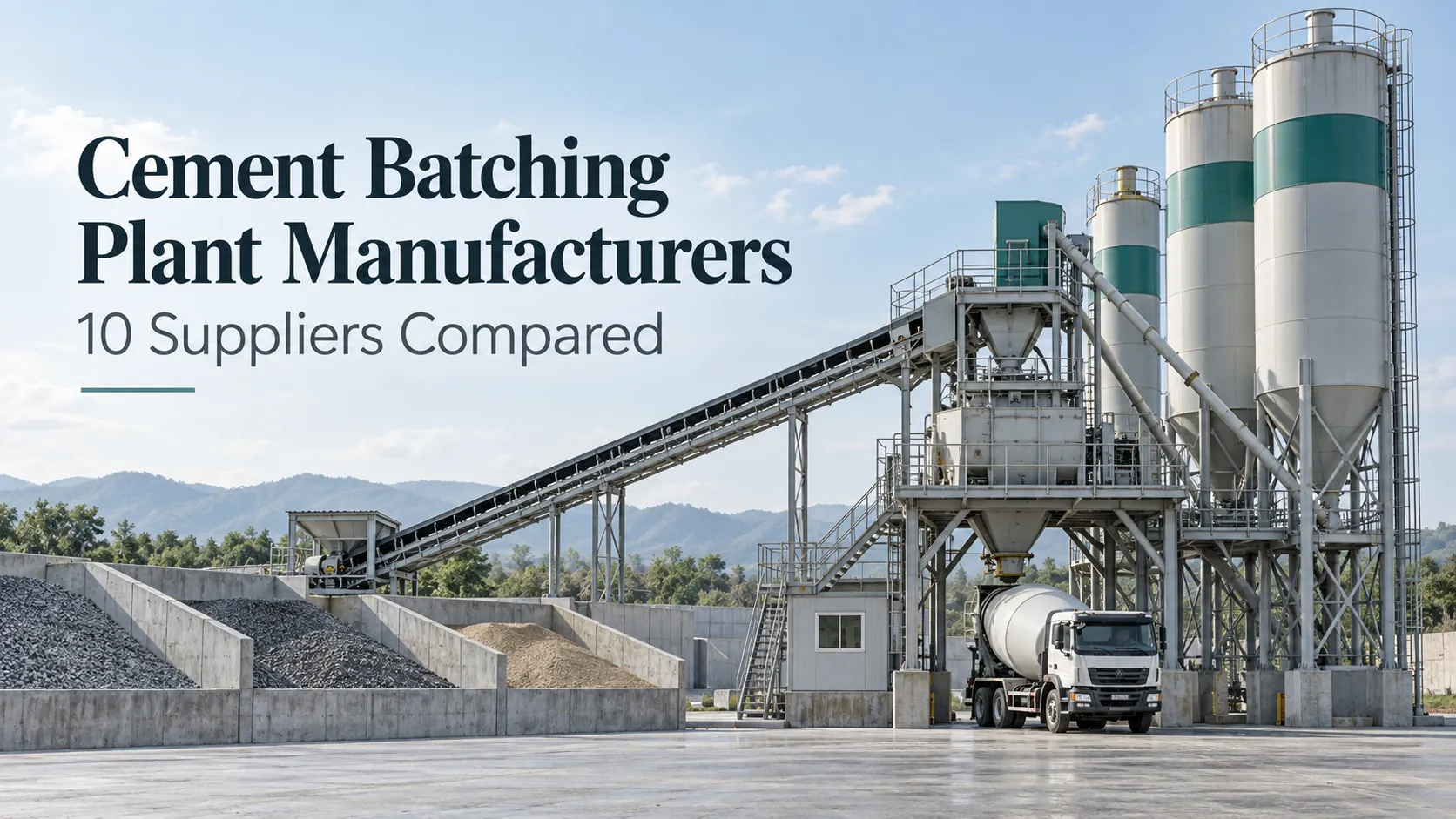

When a 90 m³/h plant is on your shortlist, the first question is usually not the mixer — it is who builds it. Tongxin Machinery has manufactured HZS90 concrete batching plants since 2019, and this guide covers the plant itself, the numbers we can defend from factory records, and what to check before you sign a contract. If you are looking for a manufacturer of HZS90 concrete batching plants that works from test data rather than brochure claims, this is written for you.
Who Is the Manufacturer of HZS90 Concrete Batching Plants?
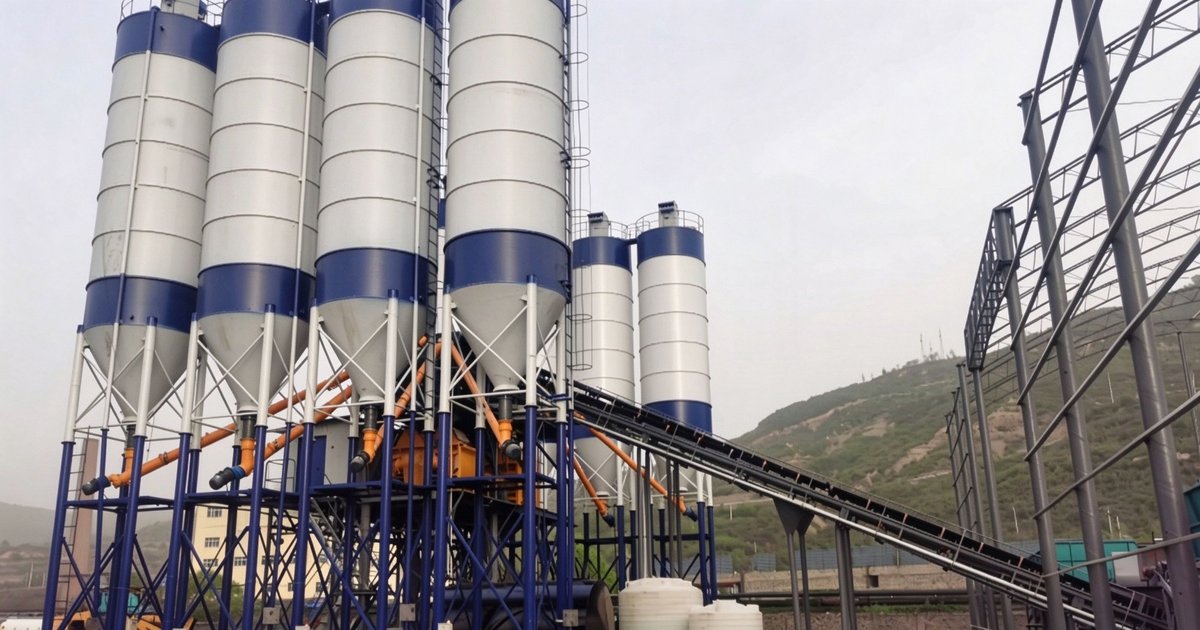
Tongxin Machinery is a high-tech enterprise founded in 2019, focused on the research, production and service of concrete mixing plants. The engineering team behind it has spent more than 20 years in concrete equipment manufacturing, which is where most of the process knowledge in this guide comes from. The factory covers about 20,000 m² with CNC machining and automated welding lines, and holds ISO 9001 and CE certification. Our HZS90 concrete batching plant lineup is shipped to more than 30 countries; recent deliveries include projects in Southeast Asia, Central Asia and the Middle East. What you actually buy from us is not just a machine — it is the drawing office, the test bay and the spare-parts warehouse behind it. The Tongxin Machinery company background goes into the workshop and the team in more detail.
HZS90 Concrete Batching Plant Specifications
As the plant builder, we certify the figures below on every unit before shipment. These are the numbers we measure, not the numbers we advertise — treat them as your baseline when comparing HZS90 concrete batching plant offers from other suppliers. For a configuration-driven view of what moves the final number, read our HZS90 concrete batching plant price breakdown. To compare models side by side, start from our full concrete batching plant range.
| Parameter | Specification |
| Theoretical production rate | 90 m³/h |
| Discharge capacity | 1500 L per batch |
| Mixing power | 2 × 30 kW |
| Cycle time | ≤ 60 s |
| Metering accuracy | Aggregate ±2%; powder / water / admixture ±1% |
| Mixer model | JS1500 twin-shaft forced mixer |
| Batching machine | PLD2400 four-bin aggregate batcher |
| Dust emission | < 20 mg/m³ with pulse dust collector |
| Annual capacity | ≈ 200,000 m³ at 300 working days |
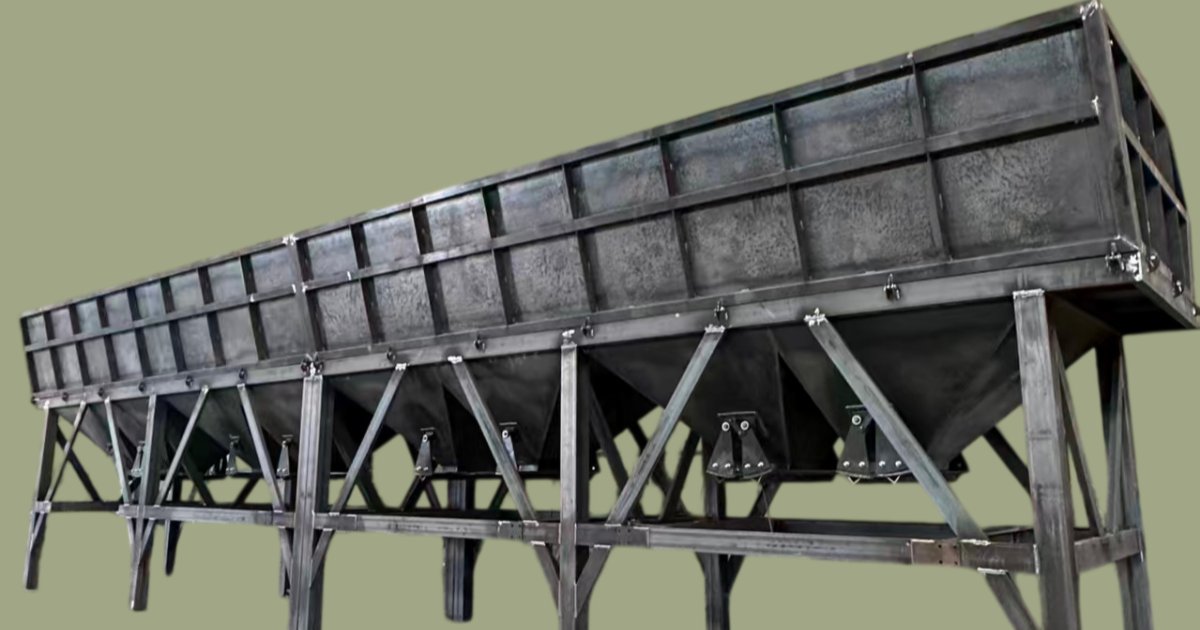
The mixing system uses the JS1500 forced twin-shaft mixer with a matched reducer and motor set, and the batching side uses the PLD2400 four-compartment batcher (4 m³ per bin) so aggregate proportions can be changed between recipes without slowing the cycle. Silo and screw conveyor sizing is matched to the peak demand of the mixer — this is the part most cheap quotes quietly undersize.
What We Build Differently
Real Project Data from a Manufacturer of HZS90 Concrete Batching Plants
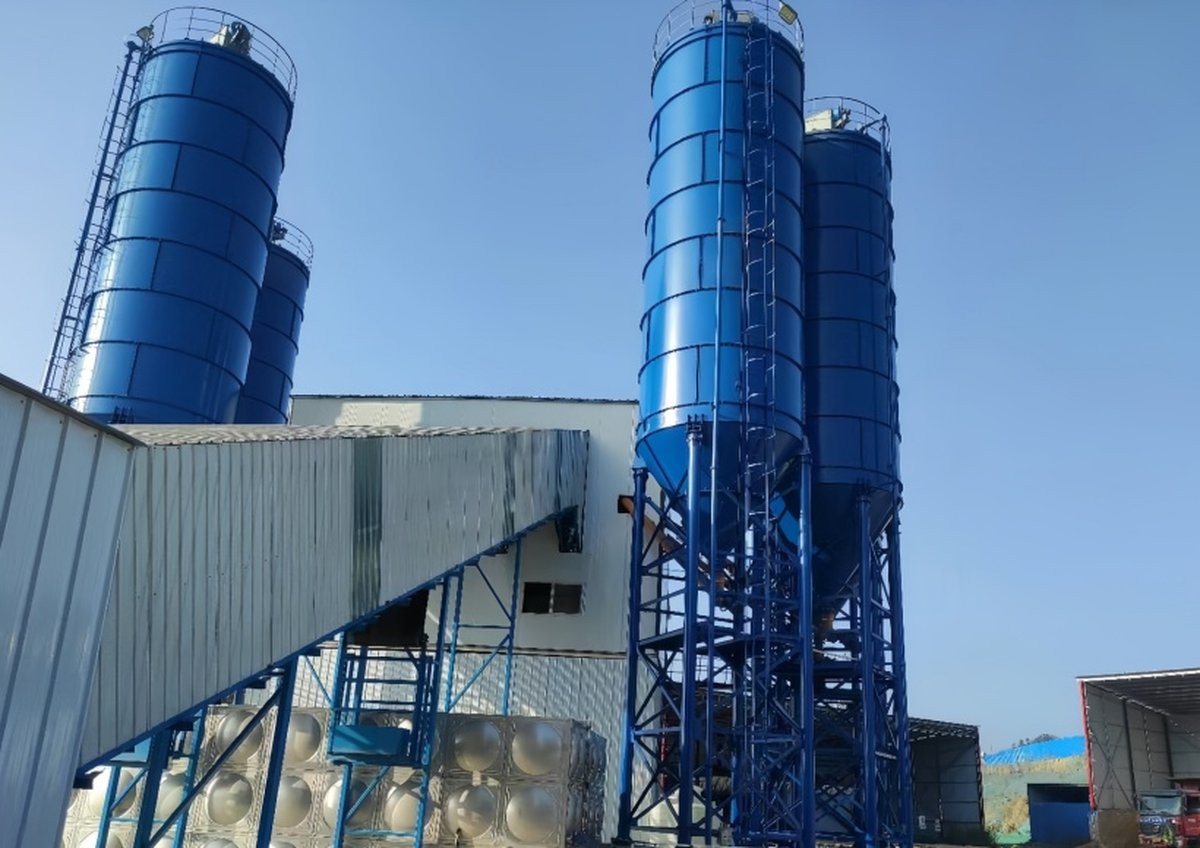
One reference we keep returning to: a provincial highway upgrade in Southeast Asia took a Tongxin HZS90 in 2025, with two weeks of on-site commissioning included in the contract. During that period we pulled 120 consecutive batches from the PLC log:
- Practical output ran 76–82 m³/h across the shift, peaking at 640 m³ in a single 8-hour day
- Cement weighing stayed within ±0.5% of the ±1% rating; water metering drifted under 0.4 L per batch
- Mixer liner wear after 40,000 batches stayed inside the manufacturer’s wear allowance
- Downtime averaged about 3 days a month, split between scheduled maintenance and grid power dips
The same operator cut energy cost per cubic metre by roughly 20% after we helped move most of the mixing load into low-tariff night hours. None of that appears in a brochure, but it is the difference between a plant that runs and one that only exists on paper — and it is the kind of record a supplier should be able to show you from its own files.
Buying Guide: What to Check Before You Order
Configuration changes the price more than any single component. Use the table below as a starting point, then verify the details in writing. Before commissioning, also check the HZS90 power transformer guide so your site power supply is sized correctly.
| Project type | Recommended configuration | Why |
| Short-term / rental project | Basic configuration | Lower first cost; recovery via rental margin |
| Long-term production site | Standard configuration | Balanced efficiency and maintenance cost |
| High environmental-requirement region | Full dust & noise package | Compliance; avoids shutdown risk |
Every manufacturer of HZS90 concrete batching plants should be able to put this list in writing. Before you compare quotes, ask for the full configuration list in writing: silo wall thickness, sensor brand and accuracy class, PLC make, mixer liner specification, and the exact scope of after-sales support. A concrete batching plant price analysis is only meaningful when every quote carries the same specification sheet. A concrete batching plant is a system of weighing, mixing and discharge subsystems — the cheapest quote usually cuts one of them.
Three Commercial Terms to Lock Before Delivery
Hardware specifications get most of the attention, but three commercial terms decide how smoothly an order lands. First, shipping and customs: a manufacturer of HZS90 concrete batching plants should hand you a packing list that matches the bill of lading item by item, plus the origin certificate and ISO 9001 / CE paperwork your customs broker will ask for.
Second, installation scope: agree in writing whether the quoted price includes an engineer on site, how many days, and what you must prepare in advance — foundation work, power supply, and a crane for lifting the silos and mixer frame. Third, payment milestones: link instalments to verifiable events such as factory inspection, bill of lading date, arrival at port and final commissioning, instead of calendar dates alone.
HZS90 Running Cost and Payback Estimate
Owners often compare purchase prices, but the 90 m³/h class lives or dies on running cost. A manufacturer of HZS90 concrete batching plants should quote running cost assumptions in the same document as the purchase price. The figures below follow the assumptions we use in quotations: 8 operating hours per day, 220 working days per year, and a typical load factor around 75%.
Total installed power sits near 145 kW. At the 75% load factor, real consumption works out to roughly 90–110 kWh per hour, which translates to 1.9–2.3 kWh per cubic metre of finished concrete. At an industrial electricity rate of 0.10 USD per kWh, energy cost lands between 0.19 and 0.23 USD per m³.
Add wear parts: mixer blades, liners and the aggregate belt are the three items that turn over fastest. Budget roughly 4,500–7,000 USD per year for a plant producing 60,000–80,000 m³ annually, with blades accounting for about half of that figure.
Against those costs, a well-loaded HZS90 typically returns its capital within 18–30 months when daily output stays above 250 m³. If utilisation drops below 150 m³ per day, the payback window stretches and a smaller model may fit the budget better — ask the manufacturer of HZS90 concrete batching plants for a utilisation-based payback sheet before you sign.
Spare Parts and Local Support Checklist
Before shipment, ask for a spare parts recommendation covering the first 1,000 operating hours — a manufacturer of HZS90 concrete batching plants should provide this as a standard document. The list should include one set of mixer blades, a full set of seals for the weighing hoppers, and spare load cells for the cement and water scales.
Response time matters more than the parts price itself. Ask the supplier to state, in writing, the maximum days for dispatch after an order, and confirm whether urgent items go by air freight or sea freight.
For buyers in Central Asia, Southeast Asia or Africa, a practical test is to ask the manufacturer of HZS90 concrete batching plants whether it keeps parts stock for HZS90 units in your region, or whether every part must come from the factory. That single answer decides how long a breakdown lasts.
Maintenance Schedule
Routine checks, and the schedule a responsible plant builder recommends, keep the plant accurate between service intervals:
- Daily: check mixer blades for wear, keep the metering hopper clean, verify zero point, top up lubrication
- Every 500 operating hours: first-level maintenance — belt tension, blade inspection, sensor check
- Every 2000 operating hours: second-level maintenance — recalibrate metering, check electrical connections, inspect wear parts
Frequently Asked Questions
What is the required site size for the HZS90 concrete mixing plant?
Plan for at least 15 m × 40 m depending on configuration — silo row, conveyor angle and truck access all need room. We send a site layout drawing with your quotation.
How long does installation take?
A professional installation team typically completes erection and commissioning within 10–15 days, assuming the foundation is ready and power is available on site.
What is the service life of the equipment?
With normal use and scheduled maintenance, major components — mixer, reducer, silos — are designed to exceed 10 years. Wear parts (blades, liners) are replaced on the 500/2000-hour schedule.
How do I verify the manufacturer’s credentials?
Ask for ISO 9001 and CE certificates, export records for your region, and a video call to the factory floor. Any manufacturer of HZS90 concrete batching plants should be able to show live production, not just photos.
What drives the price of an HZS90 plant?
Configuration — silo count, belt width, automation level, environmental package — plus component brand and included service. The same nominal model can differ by 20–30% between a stripped quote and a fully equipped quote.
Can the HZS90 be relocated to another site?
Yes. The modular structure is designed for disassembly, container transport and re-erection. Budget for a new foundation and a full inspection of wear parts before restarting.
What after-sales support is included?
We provide 24-hour technical support, a spare-parts supply channel, and regular follow-up visits after commissioning. The scope should be written into the contract before you sign.
Conclusion
Choosing the right manufacturer of HZS90 concrete batching plants matters more than the price difference between two quotes. Verify the factory, read the specification sheet line by line, and ask for real project data — the records in this article are the kind we keep for every delivery.
For projects on tight schedules or remote sites, a foundation-free mixing plant cuts setup to a single working day — worth comparing when the site cannot wait for a poured concrete foundation.
For a detailed quotation, a site layout drawing and a configuration matched to your project, contact the Tongxin Machinery sales team with your site conditions and annual concrete demand. The ready-mix concrete produced by an HZS90 follows the mix design principles covered in the ready-mix concrete overview — one more reference point to check before you commit. If you are weighing the HZS90 against the smaller HZS75, our HZS75 vs HZS90 concrete mixing plant comparison lays out the full difference.